
Visiting Le Mans, a historic city in the heart of the Sarthe region
Often linked only to its legendary auto race, Le Mans deserves a dedicated stop for its medieval heritage, history-filled alleyways, and an atmosphere that balances quiet charm with local energy.
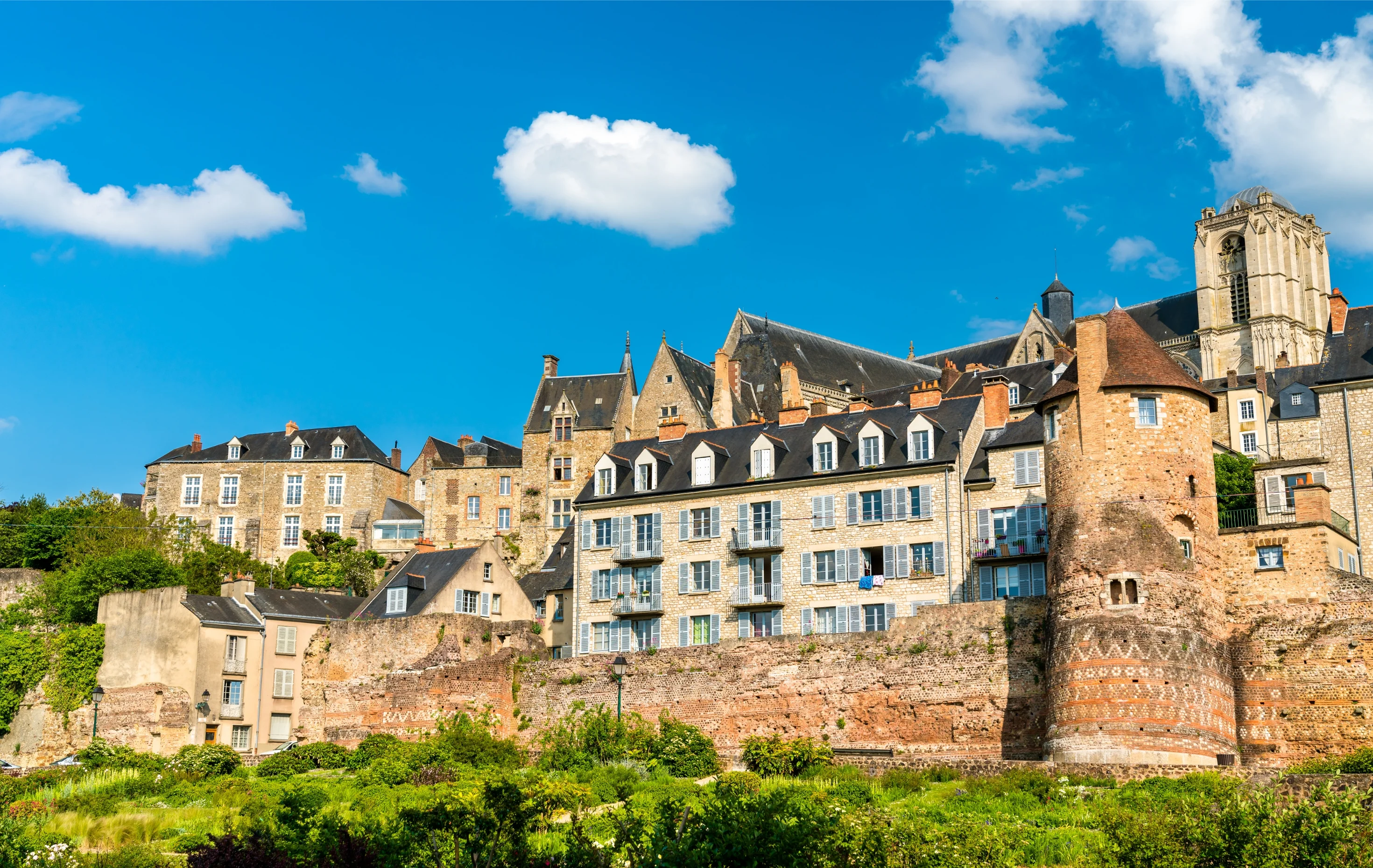
La Cité Plantagenêt: a remarkably preserved historic center
The old center of Le Mans, known as the
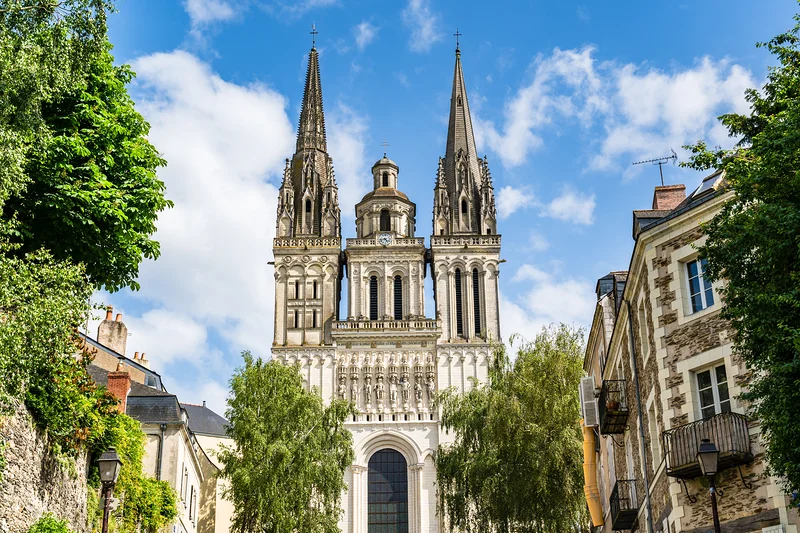
The Saint-Julien Cathedral, blending Romanesque and Gothic architectural styles, towers over the city with its commanding silhouette. Less famous than other major French cathedrals, it nonetheless shelters striking stained-glass windows and a rare collection of 13th-century wall paintings.
Le Mans for museums and culture
To dig deeper into local history, check out the Musée de Tessé, housed in a former episcopal palace. It features fine arts collections alongside a life-size recreation of an Egyptian tomb, which is a rare sight. On a different note, the Musée de la Reine Bérengère occupies several timber-framed houses in the old town and showcases artifacts tied to local heritage.
Finally, industrial and motorsport history buffs can drop by the 24 Hours Museum, dedicated to the famous race.
Motorsports and beyond
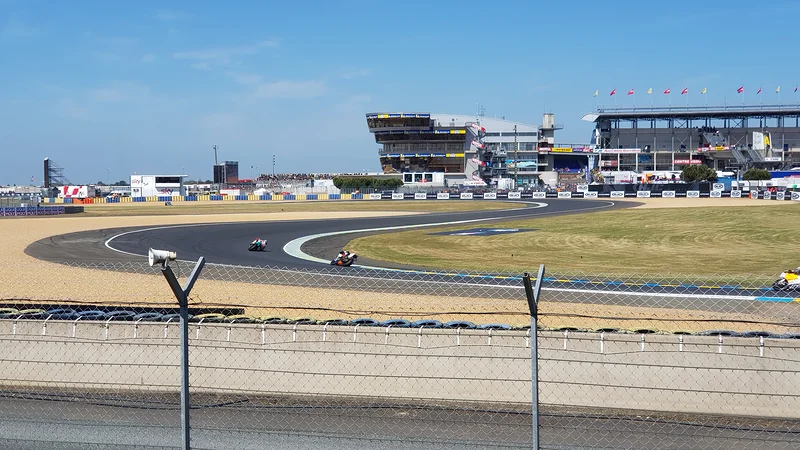
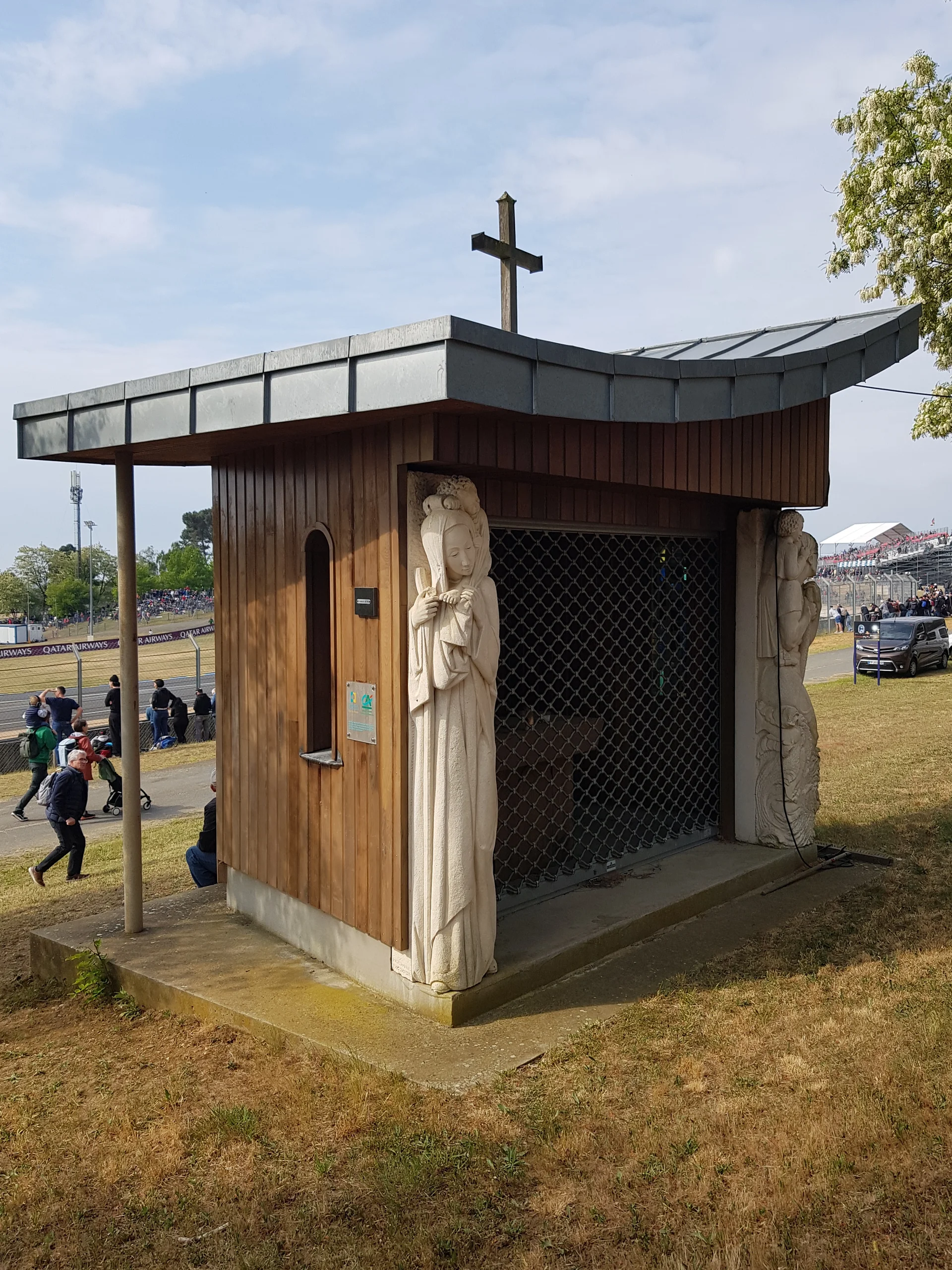
Le Mans draws thousands of visitors every year for the 24 Hours of Le Mans, an iconic endurance race held since 1923. The racetrack sits just south of the city and is open for tours when races are not happening. The adjoining museum traces the history of this legendary event with vintage cars on display. Even if you are not a gearhead, the venue hosts cultural and musical events, particularly in the summer.
A walkable city with a lively yet relaxed pace
With its green spaces, including the Jardin des Plantes and the banks of the Sarthe river, Le Mans provides plenty of spots to unwind between sightseeing stops. Downtown concentrates most of the shops, restaurants, and bars within a compact footprint. The student population, particularly around the university, adds energy, but the city remains peaceful even after dark. It makes for an easy, stress-free destination for a two or three-day trip.
Between rillettes and Loire wines: tasting local flavors
The culinary reputation of Le Mans is deeply rooted in tradition. You will easily find artisan-made Le Mans rillettes, a rich pork spread perfect on fresh bread or to bring home as a souvenir. Other local specialties include poularde au vin blanc (chicken in white wine), pâté sarthois (baked in pastry crust), and Sablé, the buttery shortbread biscuit native to the region. To drink, several Loire Valley wines fill local cellars, notably Jasnières, a crisp dry white from the immediate area.
Where to eat?
- Auberge des 7 Plats (Cité Plantagenêt): rustic setting and hearty local dishes. Warm service in a traditional tavern setting.
- La Baraque à Bœuf (République neighborhood): known for grilled meats and house-cut fries, ideal for straightforward and satisfying food.
- Le Nez Rouge (Bollée neighborhood): a wine bar with a small menu. People come here just as much for a glass as for the plate.
- Le Beaulieu (Gare Sud neighborhood): refined dining at reasonable prices, a solid pick for a slightly elevated dinner without the fuss.
When to go?
Spring and summer are the most pleasant seasons to visit Le Mans, offering mild weather and great natural light hitting the old stone buildings. June is exceptionally lively thanks to the 24 Hours race, but the city remains welcoming throughout the rest of the year, especially in autumn.
How to get there?
Le Mans is an easy trip from Paris: about 55 minutes by TGV train from Gare Montparnasse, with tickets running around $23 to $45* depending on the season. Regional TER trains also connect the city to Tours, Angers, and Rennes. Driving is straightforward via the A11 highway.
How to get around?
The modern tramway network makes it easy to reach different neighborhoods. The historic city center is entirely walkable.
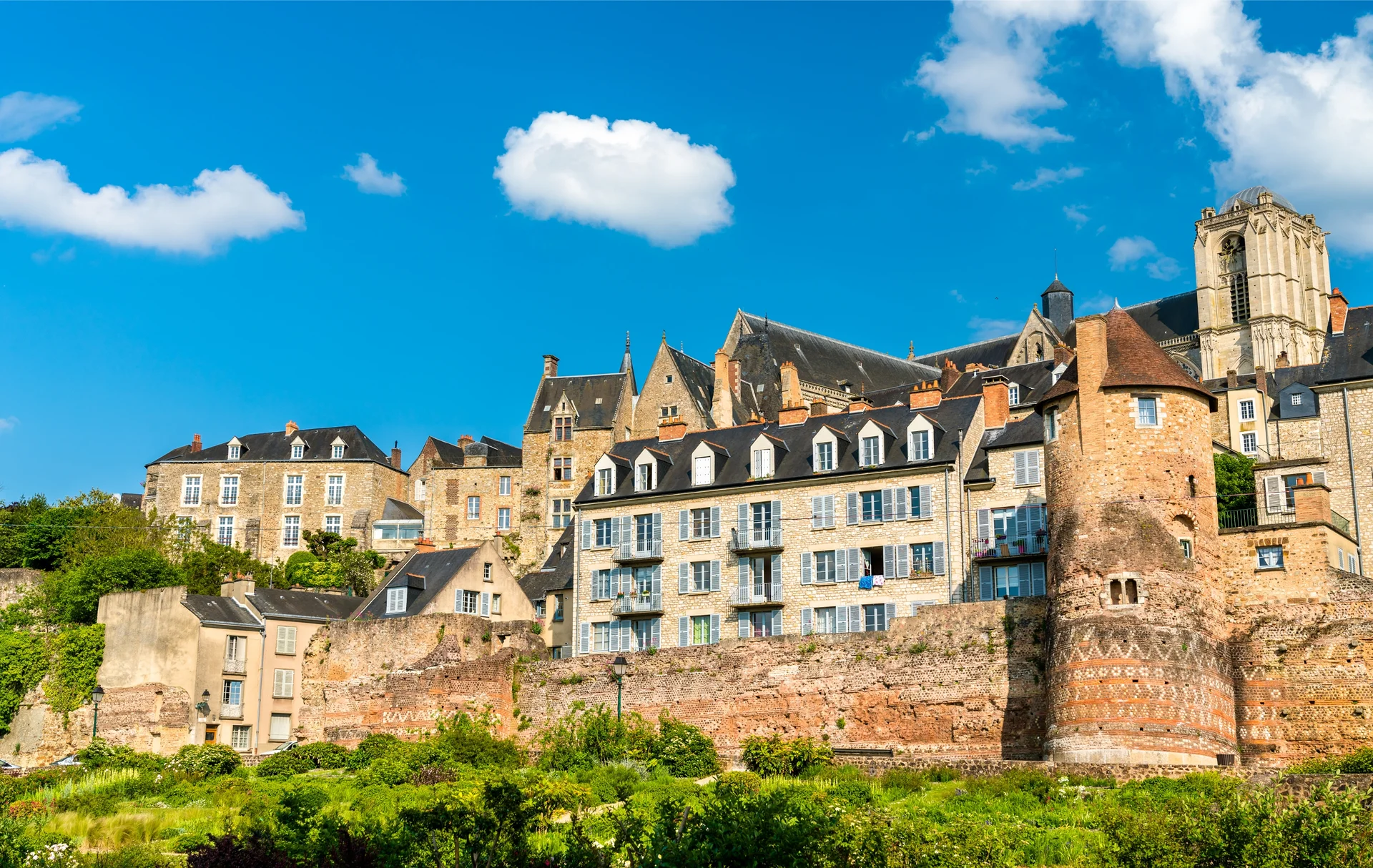
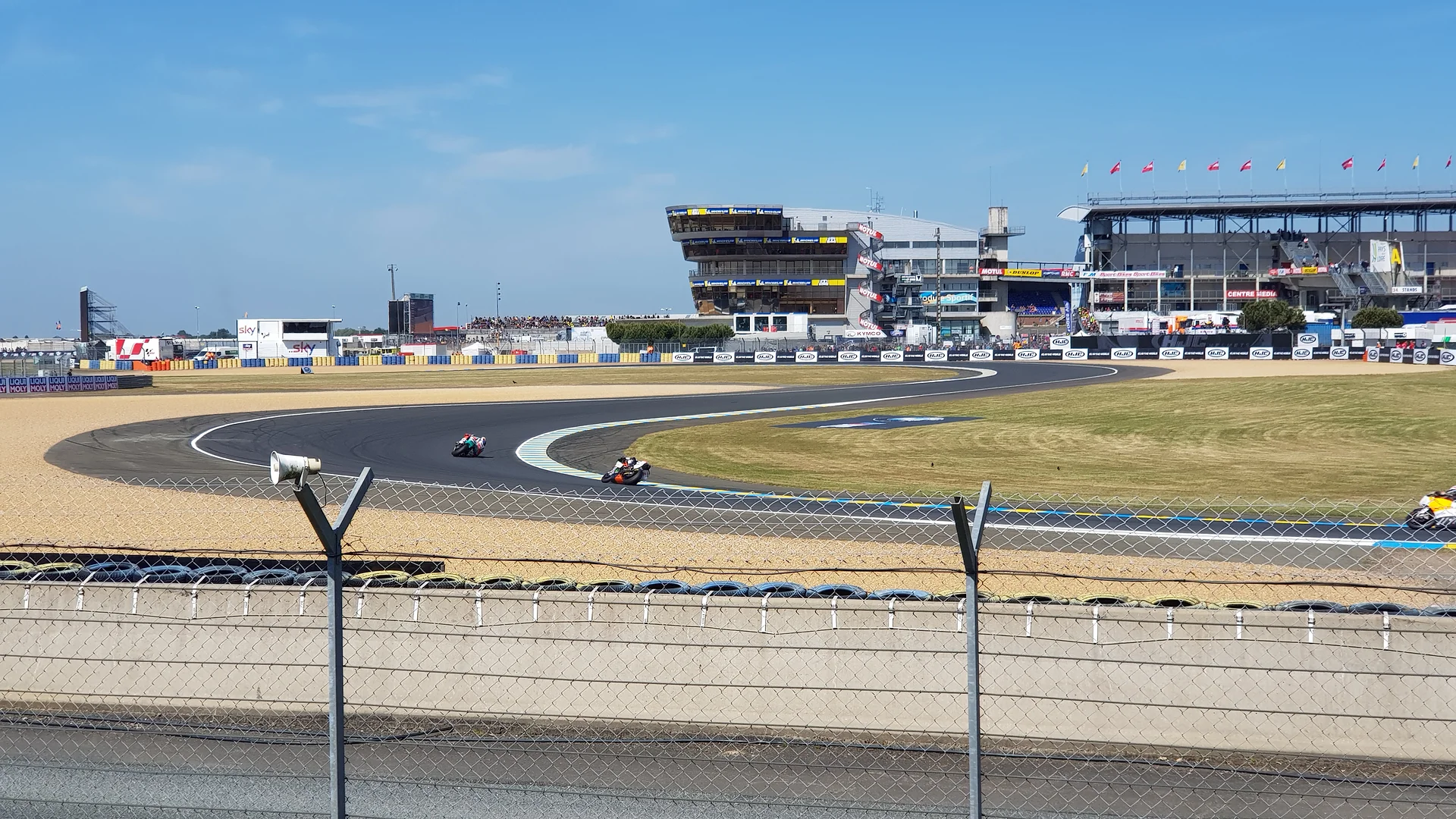
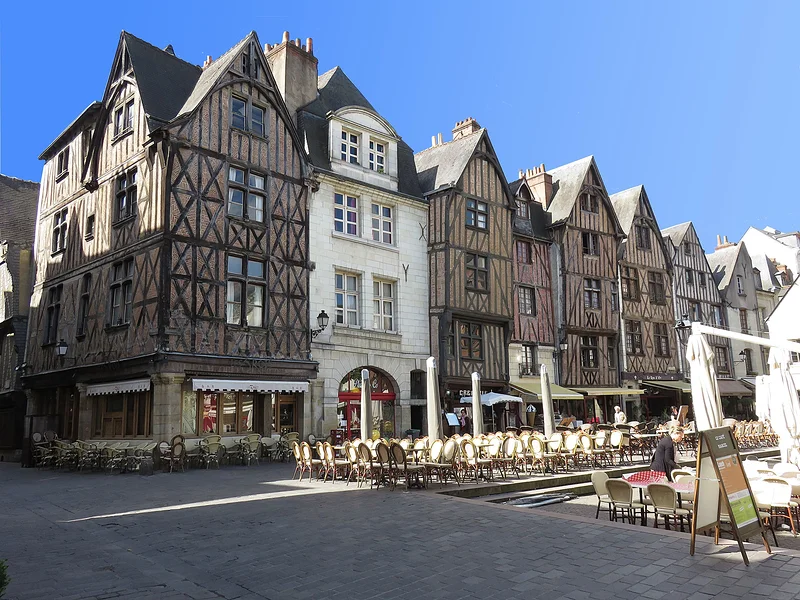
The city center is pretty quiet day to day and lacks a bit of life. The city really comes alive during the 24 Hours with a festive atmosphere and tons of activities. I recommend visiting the Vieux Mans with its narrow alleys and half-timbered houses. In the summer, the Bords de Sarthe are perfect for walks or a canoe trip.