Limassol, Cyprus Meets Urban Coastline
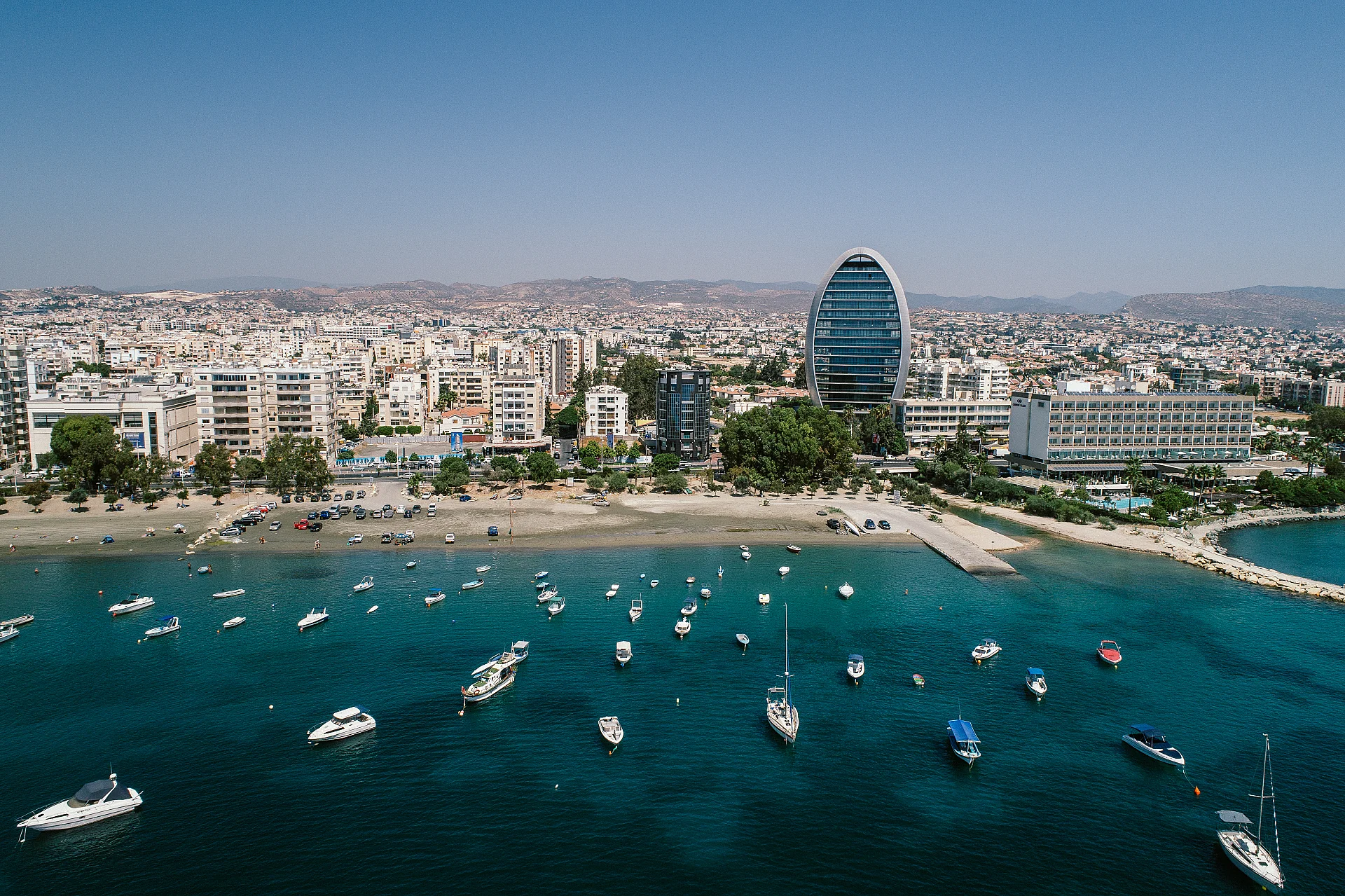
Morning brings the aroma of Greek coffee mixed with sea salt along the Molos, the city's waterfront promenade. Further down, construction cranes and glass high-rises signal that Limassol is the most dynamic city in Cyprus. It is also the island's most cosmopolitan spot.
Is This Destination Right for You?
Limassol suits travelers who enjoy a lively seafront, late-night dining, and easy day trips to the mountains and vineyards. It works well for a multi-day stay, combining beach time in the morning with mountain villages in the Troodos range by afternoon.
On the flip side, it will disappoint those looking for a preserved, picturesque setting. The waterfront is heavily urbanized, and city beaches prioritize convenience over wild scenery.
Best suited for:
- Seaside walkers and nightlife enthusiasts
- Food lovers eager to sample Cypriot cooking
- Travelers who want a base for wine and mountain trips
Not recommended for:
- Those seeking wild urban coves
- Tight budgets during peak season
- Travelers who despise construction and modern high-rises
Moderate pricing for Southern Europe, climbing along the coast
Cyprus uses the euro. Limassol runs pricier than the interior of the island, especially during the summer. The figures below serve as general benchmarks and shift depending on the season.
| Expense | Range |
|---|---|
| Quick bite (souvlaki, pita) | 5 to 9 € |
| Restaurant or taverna meal | 15 to 30 € |
Indicative rates subject to change
Practical Realities
English is spoken almost everywhere, a legacy of the British period. Driving is on the left in Cyprus, a detail to keep in mind if you rent a car. Summers get intense, so pack water and skip sightseeing during peak afternoon heat.
The city is generally safe. Standard precautions against pickpocketing apply in nightlife districts.
The Waterfront and Old Town
Molos and the Old Port
Start on the Molos, a landscaped parkway stretching between the old town and the hotel district. It is best explored on foot during the late afternoon when local families come out. The nearby old port has found a second life with trendy bars and restaurants.
Limassol Castle
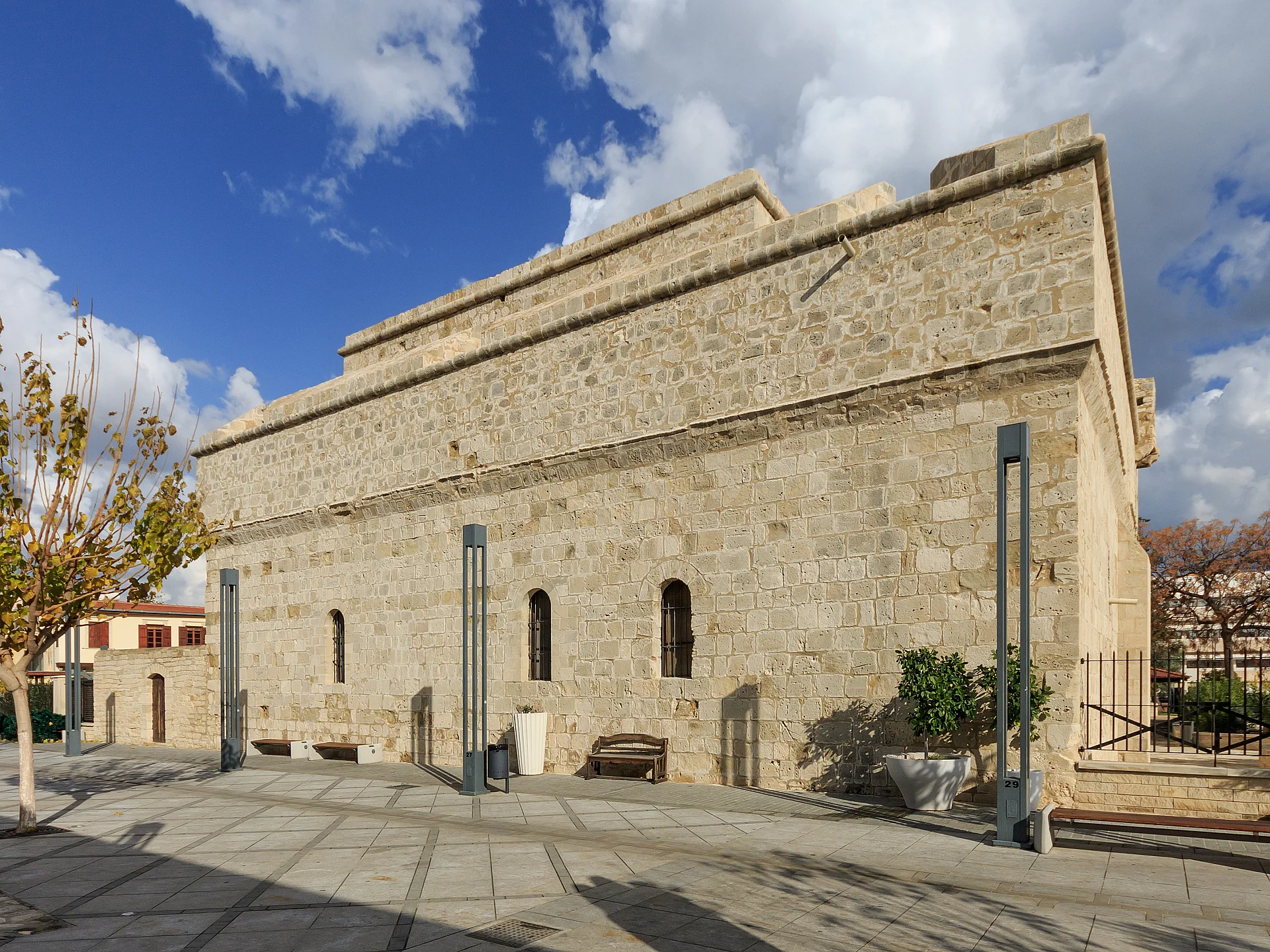
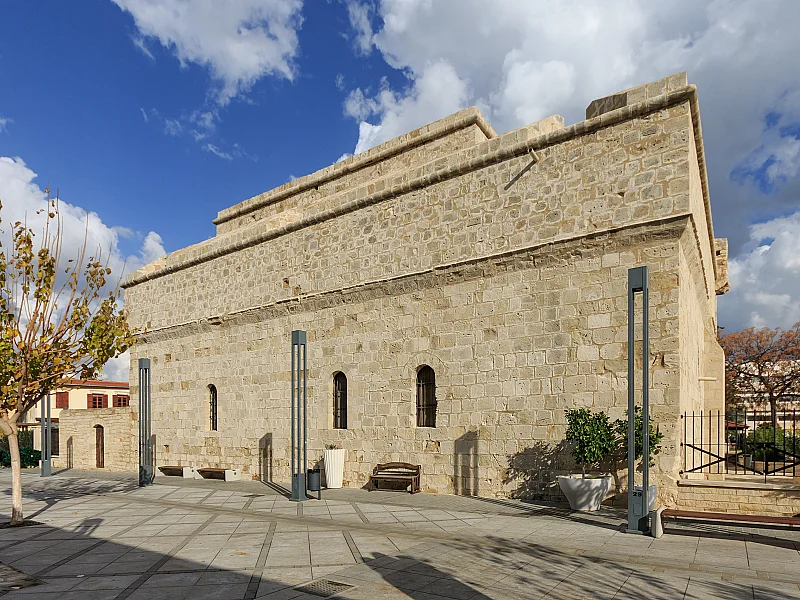
The medieval castle houses the Cyprus Medieval Museum. Its stone halls offer a sharp contrast to the surrounding shopping streets. Tradition holds that Richard the Lionheart married here in 1191.
The Market and Backstreets
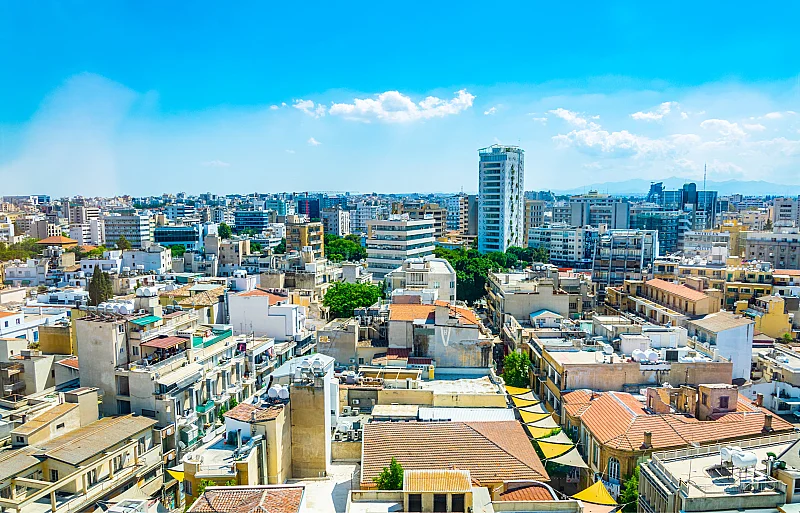
The municipal market is the top spot to experience daily life through fresh fruit, olives, cheeses, and spices. Surrounding it, the narrow streets of the old town mix boutiques, cafés, and houses awaiting restoration.
Friendly tip: hit the market in the morning before the heat sets in. Stalls are better stocked, and you can grab lunch at a nearby taverna afterward.
Beyond the City: Wine and Mountains
The hills north of Limassol form the heart of Cypriot winemaking. Villages like Omodos make easy half-day trips, featuring cobblestone alleys and the Monastery of the Holy Cross. Local wineries offer tastings of regional bottles, including commandaria, the island's historic sweet wine.
To the west, the ancient site of Kourion delivers dramatic sea views alongside Greco-Roman mosaics and a cliffside theater.
Where to Eat and Drink in Limassol
Order a meze, an endless succession of shared small plates featuring grilled halloumi, hummus, keftedes, and fresh fish. It remains the absolute best way to try a bit of everything. A souvlaki in a pita is the ultimate quick lunch.
For coffee, order a Greek coffee served in a small glass with the grounds settled at the bottom. The old town packs tight concentrations of traditional tavernas and wine bars.
Where to Stay in Limassol and Around
For neighborhood energy and walkable dining, choose the old town or the streets near the port. Head east along the coast for larger resort hotels facing the beach, which offer a quieter atmosphere though less evening buzz.
How to Get to Limassol
The city has no airport of its own. Arrive via Larnaca (about an hour's drive) or Paphos (about 1 to 1.25 hours). Both airports connect to major European hubs with direct flights, and shuttle buses or taxis handle the final transfer.
Getting Around Limassol
The center and waterfront are completely walkable. City and regional buses run routes, but schedules thin out, particularly on Sunday evenings.
For vineyard trips, the Troodos mountains, and Kourion, a rental car remains the most flexible choice. Taxis and rideshare apps work well for getting around town.
When to Go
Spring and fall provide the ideal balance: warm seas, manageable temperatures, and uncrowded sights. July and August bring intense heat and peak pricing. Winters stay mild, though swimming requires some dedication.