Cyprus: Golden Beaches and Ancient Heritage
Picture an island where every stone tells a centuries-old story, Mediterranean flavors arrive at your table, and the turquoise sea fades into the horizon. Welcome to Cyprus, a destination that surprises with its compact contrasts and distinct character.
Is this destination right for you?
Cyprus appeals to history buffs and nature lovers alike. Here, ancient ruins sit alongside some of the finest beaches in the Mediterranean. Exploring Cyprus means touring centuries-old archaeological sites and savoring regional cuisine in family-run tavernas.
Best suited for:
- Ancient history enthusiasts
- Beach and nature lovers
- Hiking fans looking for varied landscapes
Not recommended for:
- Those seeking intense nightlife
- Budget travelers during the off-season
- People dependent on frequent public transit
Estimated budget for Cyprus
| Type | Where | Duration | Budget |
|---|---|---|---|
| Historical discovery | Paphos | 3 days | 250 € |
| Beach getaway | Protaras | 5 days | 500 € |
| Hiking and nature | Troodos | 4 days | 350 € |
| Relaxing weekend | Larnaca | 2 days | 200 € |
Practical realities
Cyprus features modern infrastructure, particularly in major cities like Nicosia or Limassol. The Mediterranean climate makes the island pleasant to visit year-round, though summers can get quite hot. Public transportation is limited, so renting a car is generally recommended for exploring the island at your own pace.
Is it dangerous to travel to Cyprus?
Cyprus is generally considered a safe destination. However, it is smart to check the current political situation regarding the demarcation line between the north and south of the island. Tourist areas remain very secure, and incidents are rare.
Friendly tip: Don't miss the chance to cross the Green Line to see both sides of the island, but make sure you keep your identification documents with you at all times.
Exploring unique landscapes
The idyllic beaches of Cyprus
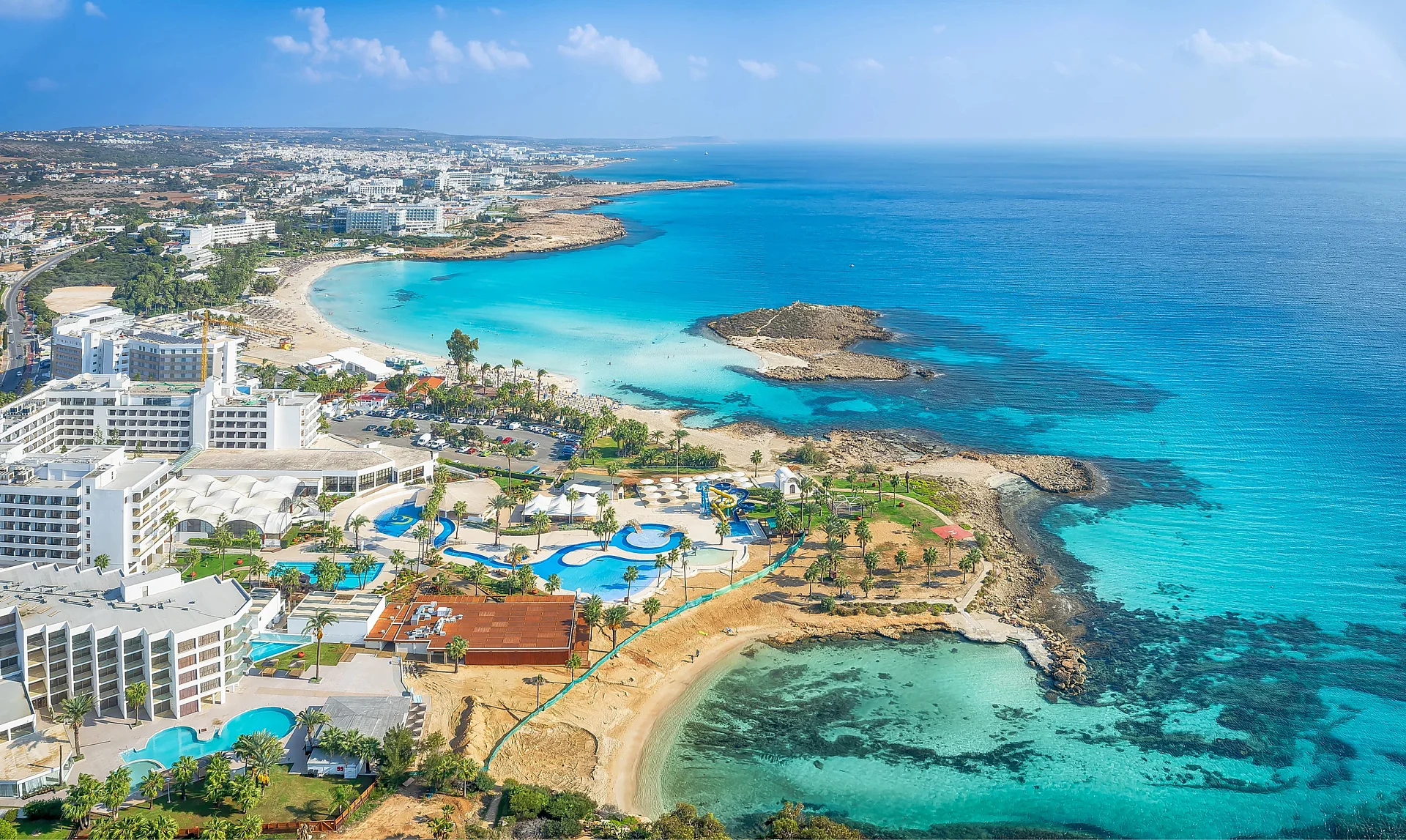
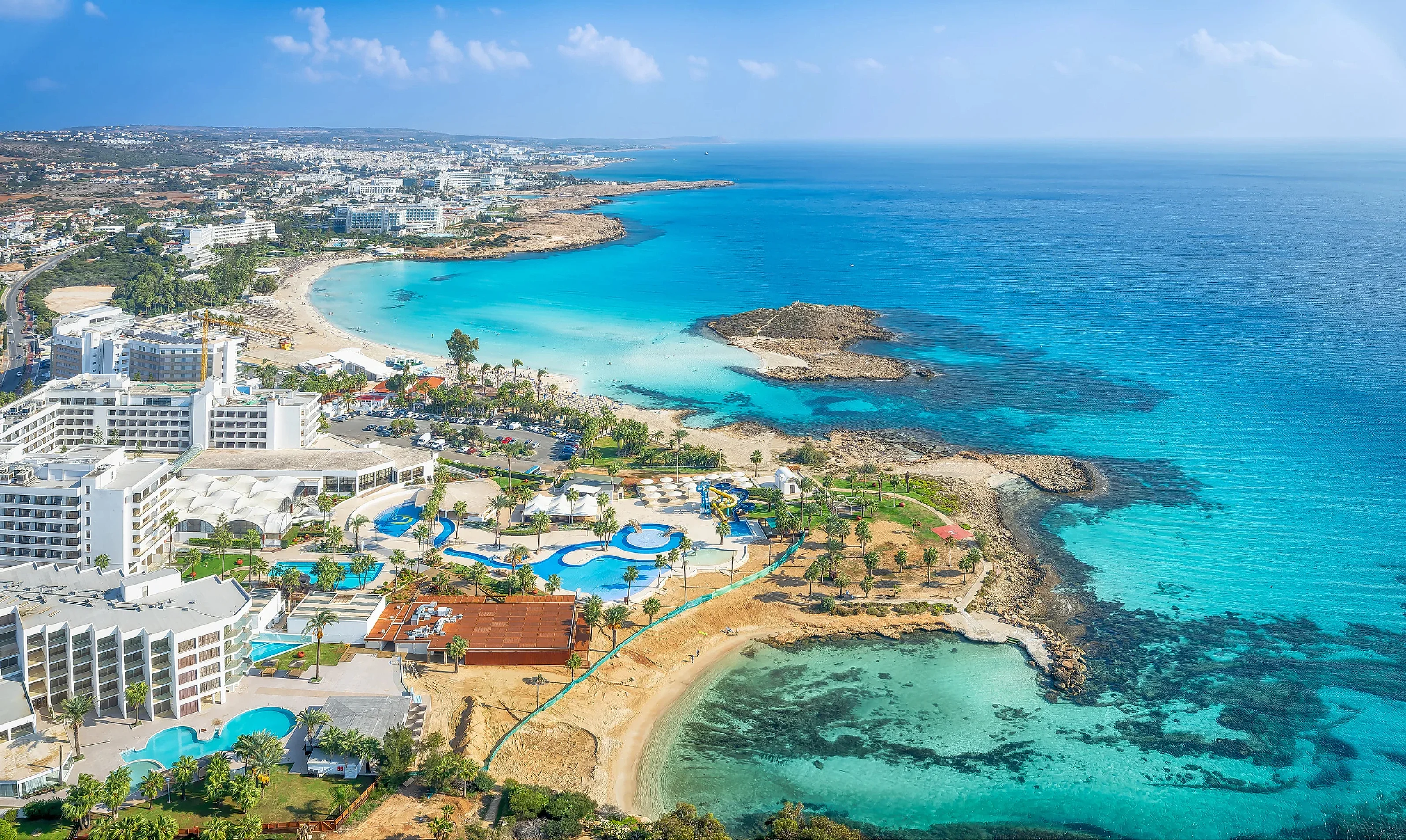
Crystal-clear waters edge the island, with Fig Tree Bay in Protaras and Nissi Beach in Ayia Napa leading the list. These spots work well for unwinding or water sports. Winter brings a quiet atmosphere well-suited for coastal strolls.
The Troodos Mountains
Away from the coast, the Troodos mountains offer an entirely different setting. This range is dotted with picturesque villages and Byzantine monasteries, such as Kakopetria and Kykkos. The hiking trails here are exceptional and lead to hidden waterfalls.
A deep dive into Cypriot history
The archaeological sites of Paphos
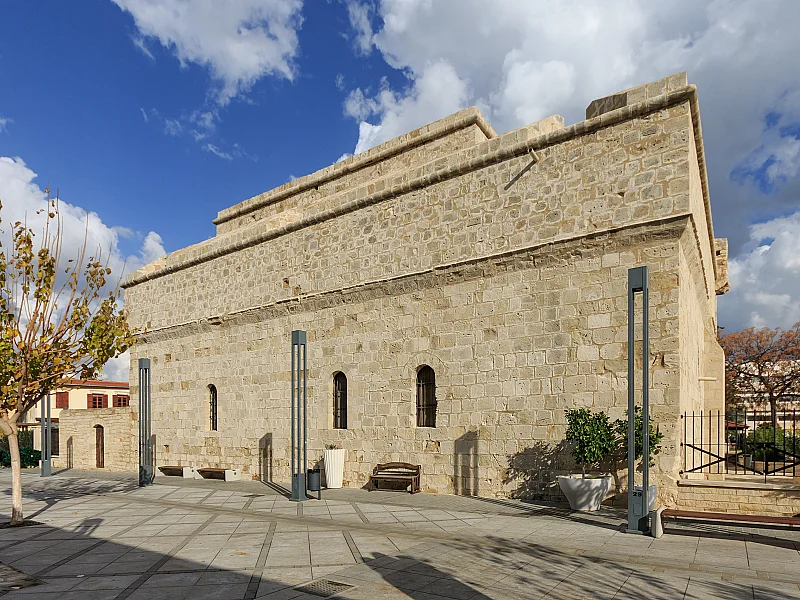
Paphos brims with ancient ruins, featuring sites like the Tombs of the Kings and Roman mosaics that showcase the island's Greek and Roman past. A short distance away, the Kourion amphitheater commands sweeping sea views.
Friendly tip: Visit these sites early in the morning to beat the heat and the crowds. Morning light highlights the details in the mosaics.
Cyprus on the plate: Mediterranean flavors
Cypriot dining is a real treat for food lovers. Sample mezze, spreads of small sharing plates, at tavernas in Lefkara. Don't skip halloumi, the traditional grilled sheep and goat milk cheese, or souvlaki, flavorful skewered meat.
When to visit Cyprus?
Spring and autumn are the prime times to visit Cyprus, bringing mild temperatures and smaller crowds. Summer suits beachgoers, while winter delivers a quieter pace with comfortable weather up in the Troodos mountains.
How to get to Cyprus?
The main airports in Larnaca and Paphos connect well with regular flights from major European hubs. Direct flights from major North American gateways typically require a connection in a European hub like Frankfurt or London. US citizens traveling to Cyprus need a valid US passport, with no visa required for tourist stays under 90 days.
How to get around Cyprus?
Renting a car stands out as the most practical way to explore the island. The roads are well maintained, and driving is on the left side. Buses run in the major cities, but rural departures happen infrequently. For shorter hops, a taxi offers a comfortable option.