
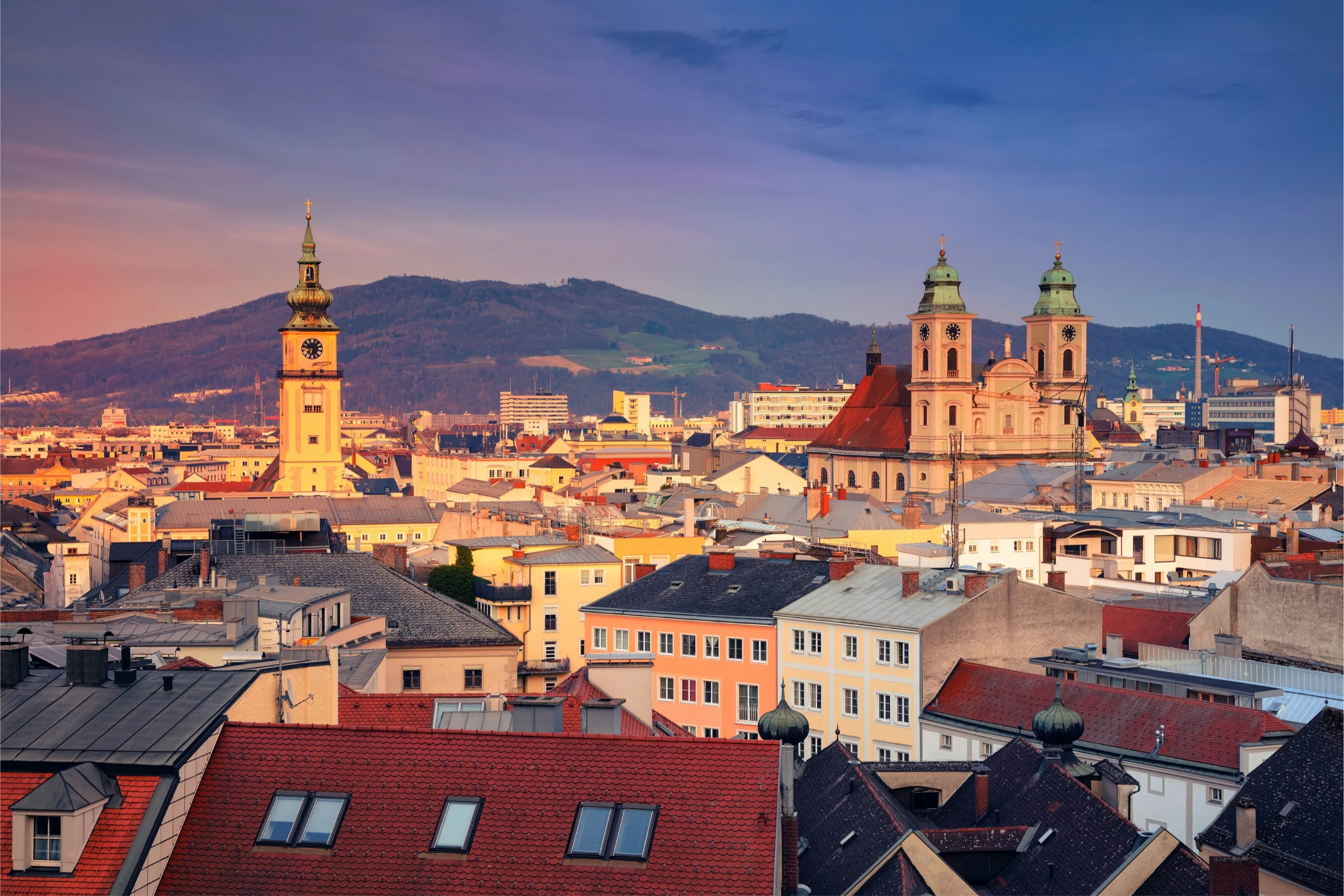
Visiting Linz, a mix of tradition and modernity
A historic center with a relaxed pace
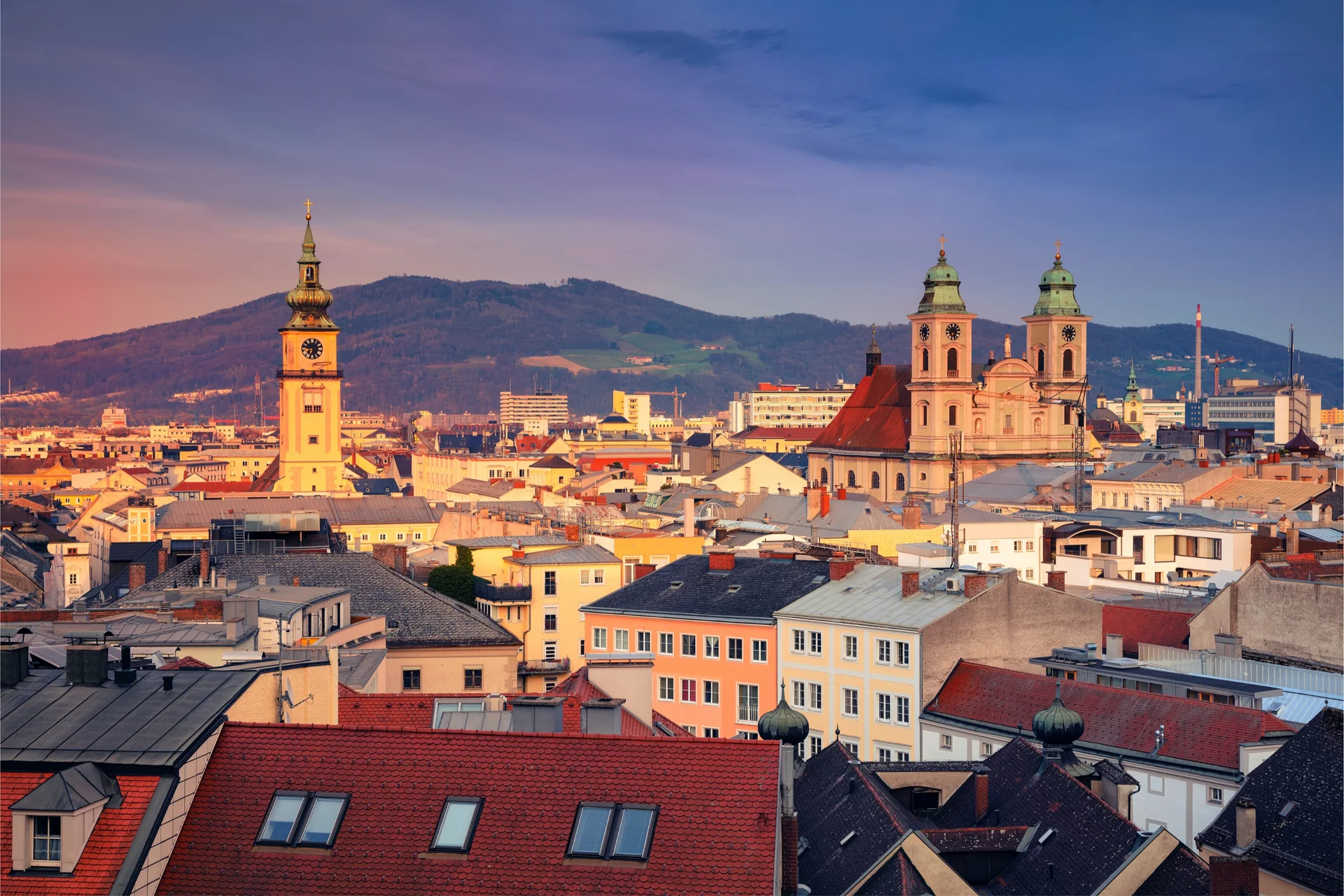
Linz, the third-largest city in Austria, is defined by its well-preserved historic core. The Hauptplatz, a massive central square framed by colorful Baroque buildings, serves as an ideal starting point for your walk. Nearby, the Old Cathedral (Alter Dom) features a restrained, elegant interior that is well worth a look. As you head up the Landstraße, the city's primary retail artery, you will eventually reach the New Cathedral (Mariendom), a much larger structure with a tower that offers a clear view over the rooftops.
Museums and culture: A major draw
Linz leans heavily into art and tech. The Ars Electronica Center, often called the "museum of the future," features interactive exhibits focused on robotics and artificial intelligence.
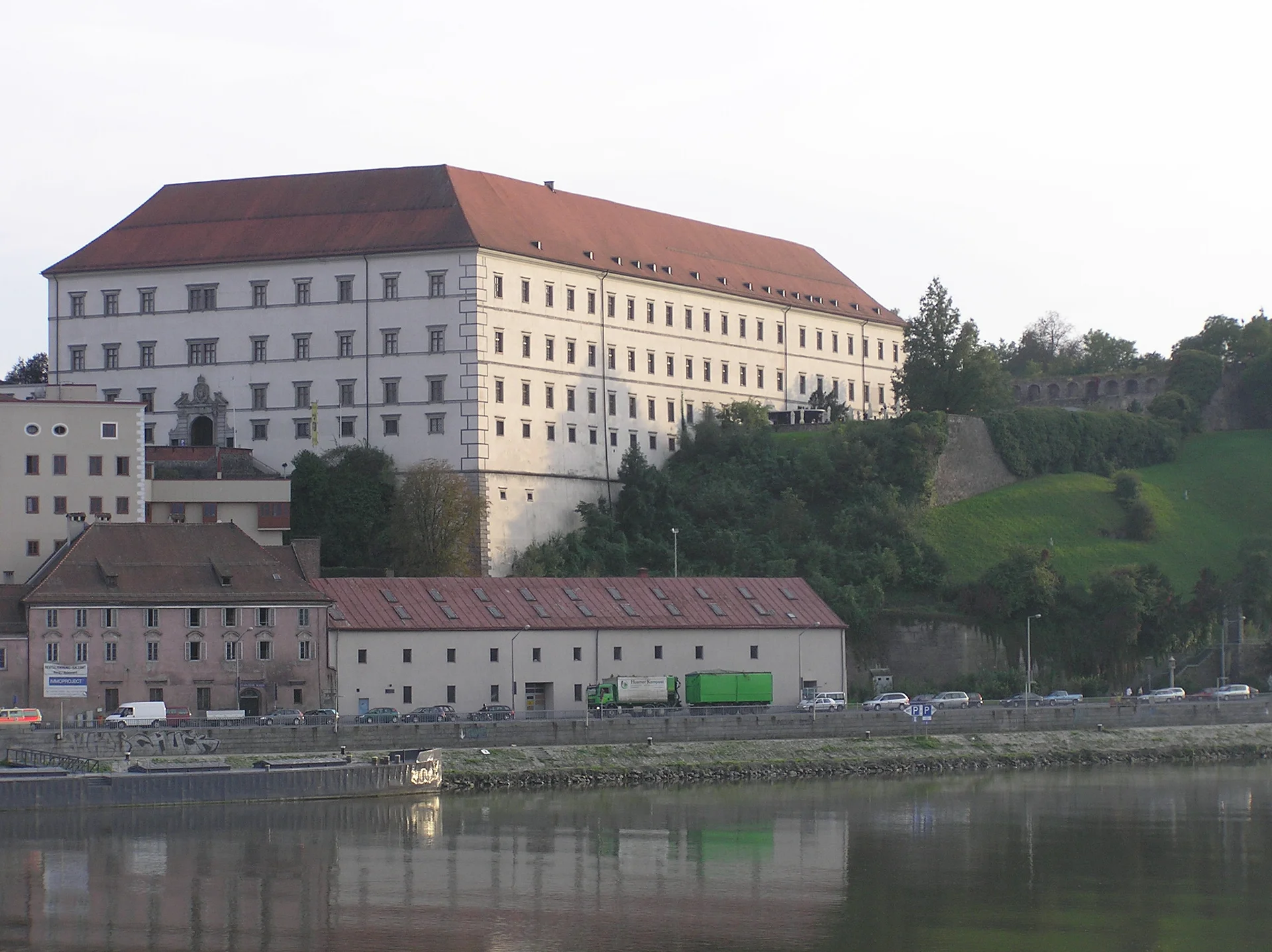
For a traditional art fix, the Lentos Kunstmuseum sits right on the banks of the Danube and holds an extensive collection of modern and contemporary works. You can trace the city's history at the Schlossmuseum, housed within the old Linz castle, which provides an unobstructed vantage point looking down at the river.
Green spaces and panoramas
If you want a nature break, the Pöstlingberg is essential. You can take a historic tram up the hill for a sweeping view of Linz and the Danube valley. At the summit, the Baroque basilica draws a constant crowd, as does the Grottenbahn, a miniature train ride that is a hit with families. Back down by the water, the Donaulände is a pleasant riverside path where you will find modern sculptures and plenty of space to sit and watch the river traffic.
Gastronomy: One cake you have to try
Linz is famous for the Linzer Torte, which claims the title of one of the oldest cake recipes in existence. This almond-based shortcrust pastry filled with redcurrant jam is available in bakeries all over town, though Jindrak is the go-to spot if you want the traditional version.
For savory meals, the local palate is shaped by classic Austrian staples. You will frequently see schnitzel, goulash, and knödel dumplings on the menus of local taverns.
When to go
Linz has a continental climate, meaning you can expect cold winters and mild to warm summers. The best time to visit is from April to September, when temperatures are comfortable for walking along the Danube.
The Ars Electronica Festival takes place every September, pulling in crowds interested in digital innovation. Come December, the Christmas markets transform the city center into a festive, light-filled destination.
How to get there
Linz has a regional airport with connections to a few major European hubs, but most travelers arrive by train or car.
- From Vienna, the direct train takes about 1 hour and 30 minutes, costing between 20 and 40 EUR (about $22 to $44) depending on your class and how far in advance you book.
- From Munich, the train trip clocks in at about 2 hours and 30 minutes.
- If you are driving, the A1 motorway connects Linz directly to the rest of the Austrian highway network.
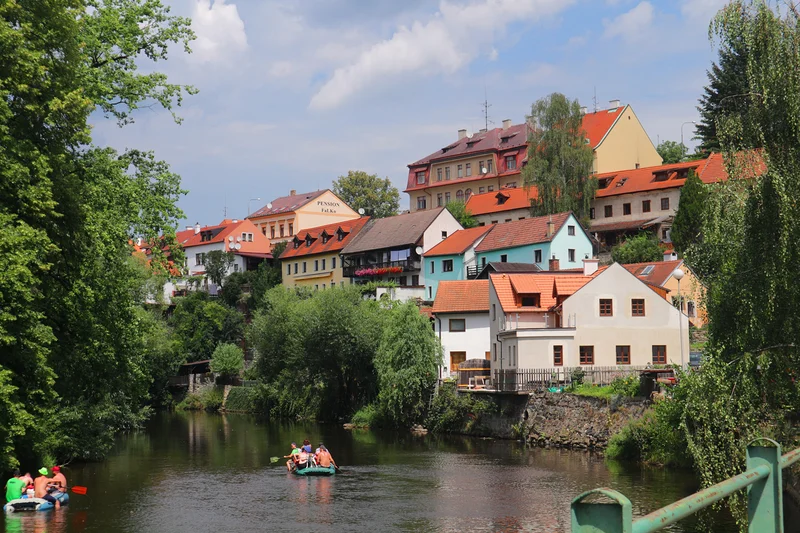
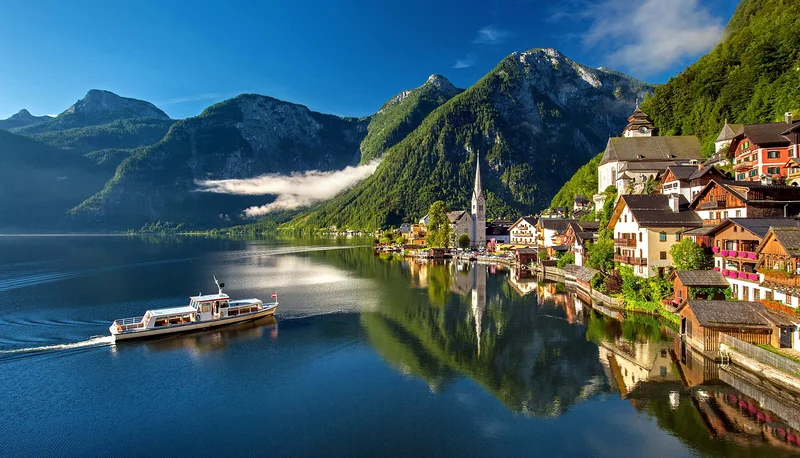
Even though this city isn't part of the usual tourist circuits, it deserves to be better known. It really is a charming and very lively city. I loved visiting the center. There is also a rich cultural life with museums and a beautiful cathedral. Don't hesitate to spend the day there.