
Visiting Lübeck
Lübeck is a city in northeastern Germany, located just a short distance from the Baltic Sea and its fine sand beaches, such as the seaside resort of Travemünde. The city is known for its role as the capital of the Hanseatic League during the Middle Ages. From that era of maritime and commercial power, the Old Town remains on an island in the middle of the Trave river. It has been a UNESCO World Heritage site since 1987, recognized for its many red-brick buildings and intricate Gothic ornamentation. Saint Mary's Church, which you can spot from afar thanks to its 125-meter green spires, is a prime example of this architecture.
The capital of the Hanseatic League during the Middle Ages
Lübeck originated as a small Slavic settlement called Liubice, which means beloved, and was frequently caught in conflicts with its neighbors. It was annexed by Germany in the early 12th century before becoming a Free Imperial City. Due to its ideal location near the Baltic Sea, it teamed up with Hamburg to initiate the Hanseatic League and established its own constitution. The city's representatives were chosen from the wealthiest families of the Hanseatic merchant association. By the 14th century, it was the second-largest city in Germany after Cologne.
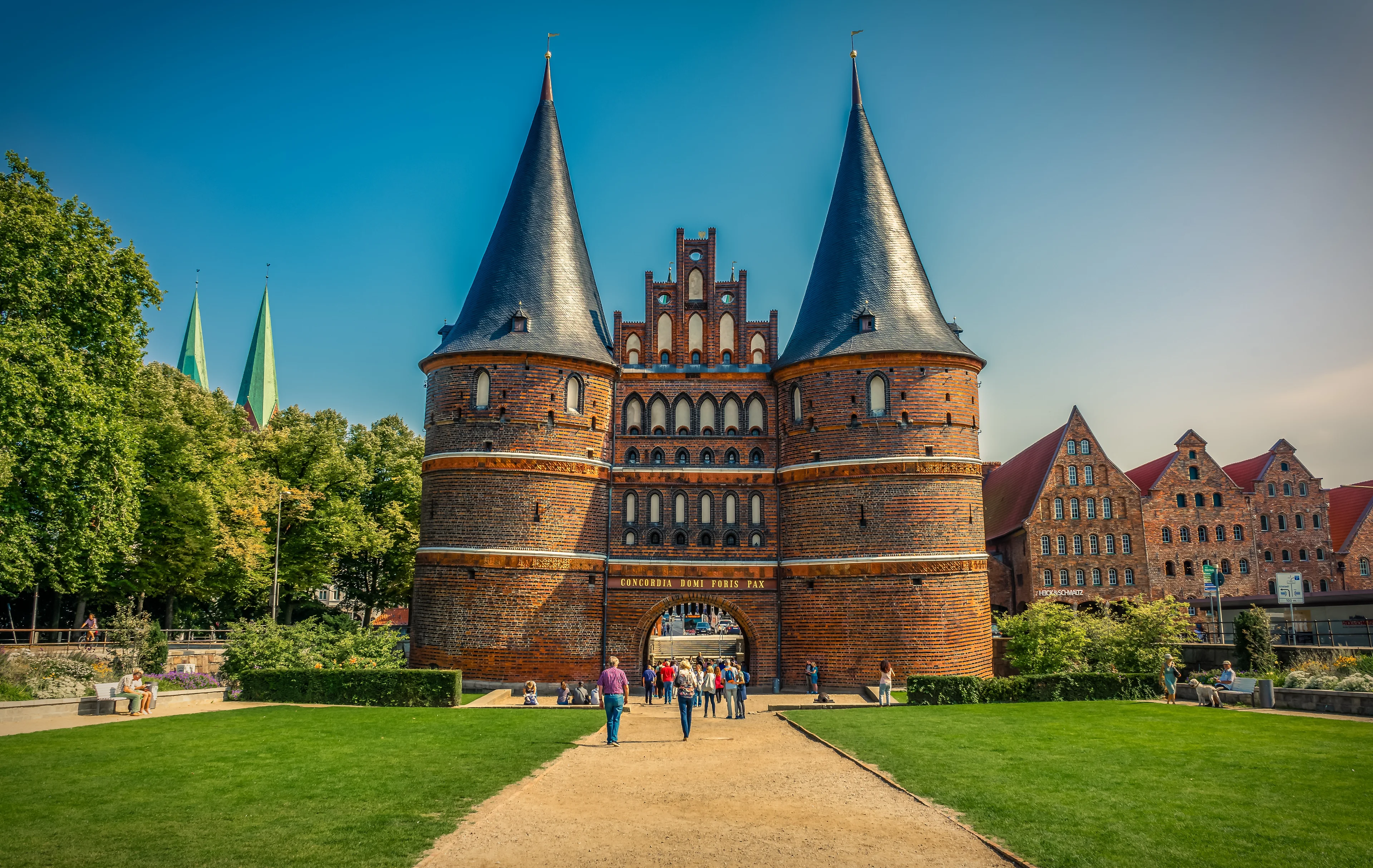
When entering the city, you cannot miss the Holstentor, or Holstein Gate, which was once part of the medieval city fortifications. Today, the gate houses the Lübeck Museum and opens onto gardens adorned with giant iron lions created by Christian Daniel Rauch, a German sculptor. The old trading warehouses, particularly the salt storehouses, have been preserved, with some converted into shops, museums, or restaurants.
A quiet city for discovering Northern Germany
The city is crossed by the Trave, a river flowing into the Baltic Sea, where you will find pleasant promenades that blend urban life with nature. For culture, the Willy Brandt House is a cultural space dedicated to the history of the famous German politician, as well as the country's political history and modern democratic life.
Do not miss trying Marzipan in Lübeck, an almond paste that is a staple in Germany. For a guaranteed experience, head to the famous Niederegger Marzipan shop located next to the city hall to sample their chocolates, candies, or pastries.
When to go?
The weather is most favorable for a trip to Lübeck during the summer months of June, July, and August. This is also the season for festivals, such as the HanseKulturFestival, a street-art event held every two years in the Old Town.
How to get there?
To reach this historic Hanseatic city by plane, you will need to land in Hamburg and then take a bus or train to Lübeck. If you are driving, you will arrive in Lübeck in about an hour from Hamburg.
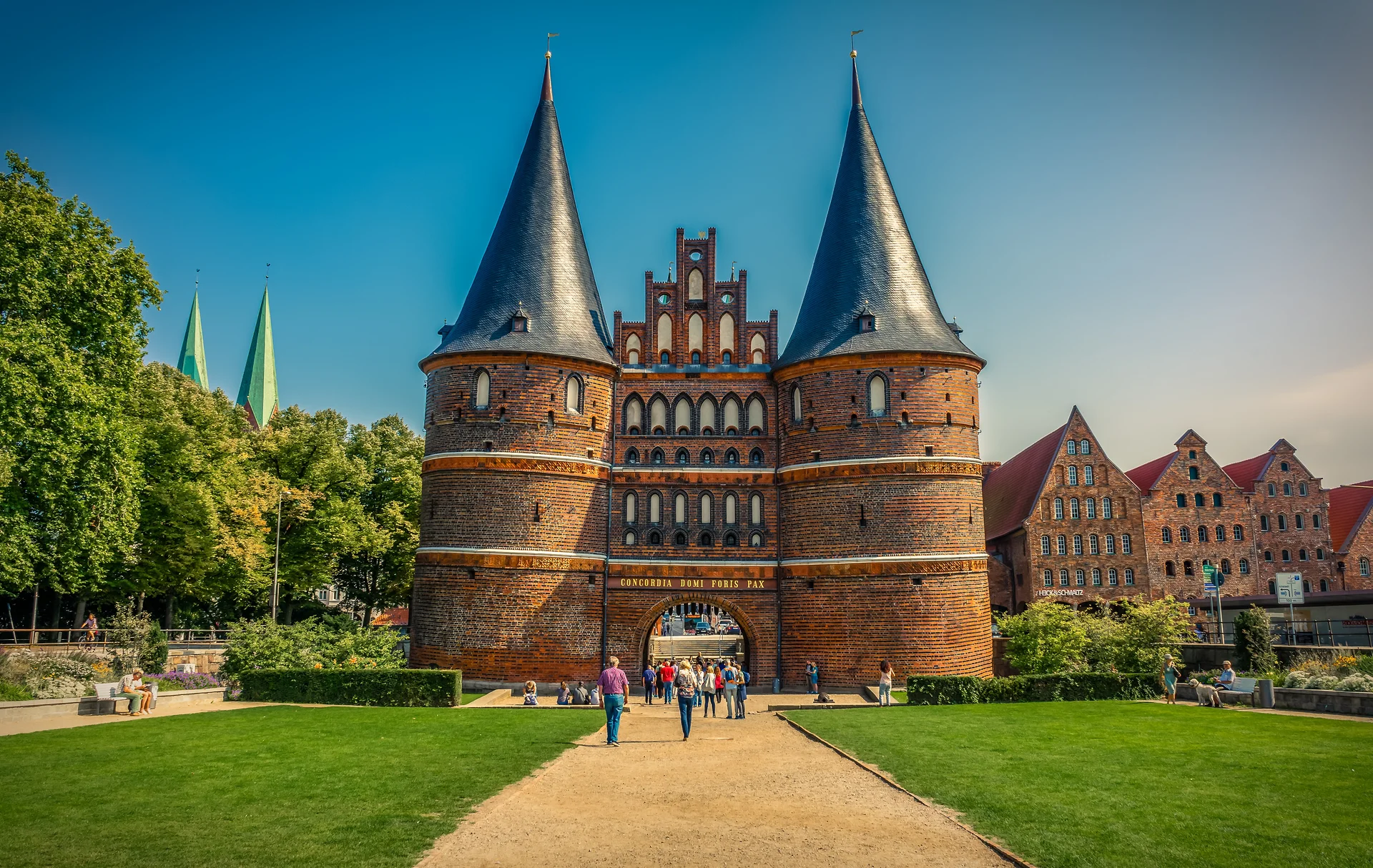
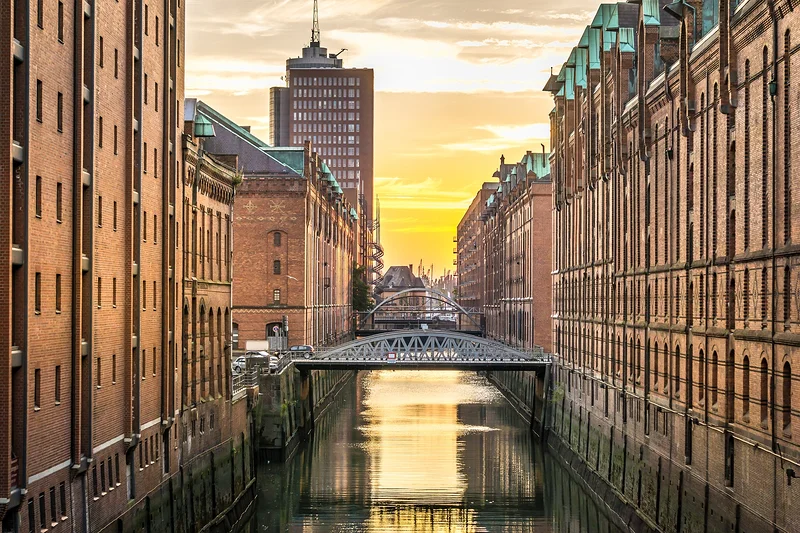
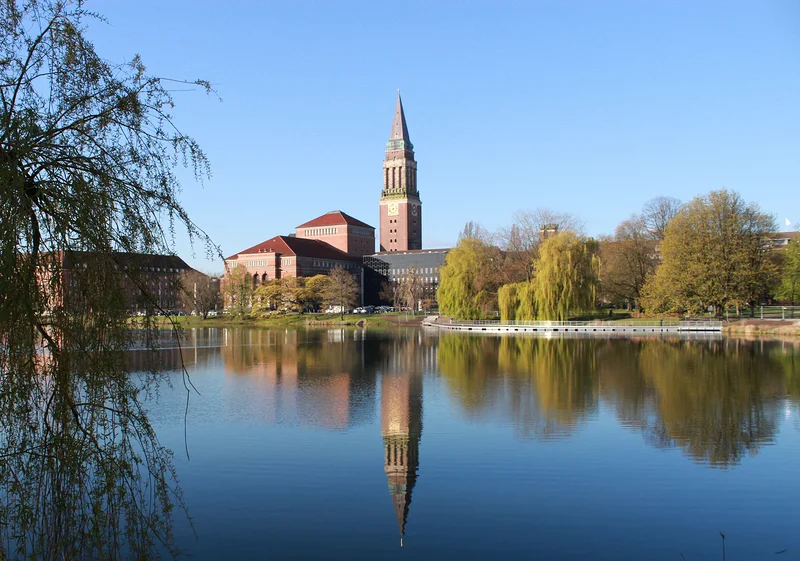
It was really nice to wander the streets of the old town of Lübeck for a few days and discover the history of the Hanseatic city! The waterfront is just as pleasant with regular events. We were able to enjoy a food market during our stay, incredible atmosphere, 100% German experience!