Visiting Tirana, the creative pulse of the Balkans
The sound of espresso cups clinking on sidewalk terraces blends with the distant call to prayer, while a colorful bus chugs past a stark concrete bunker. How does a capital city carry the scars of its totalitarian past with such raw vitality? That is the fascinating paradox you come here to find, a city you do not just visit, but feel on every street corner.
Tirana: a capital for curious minds
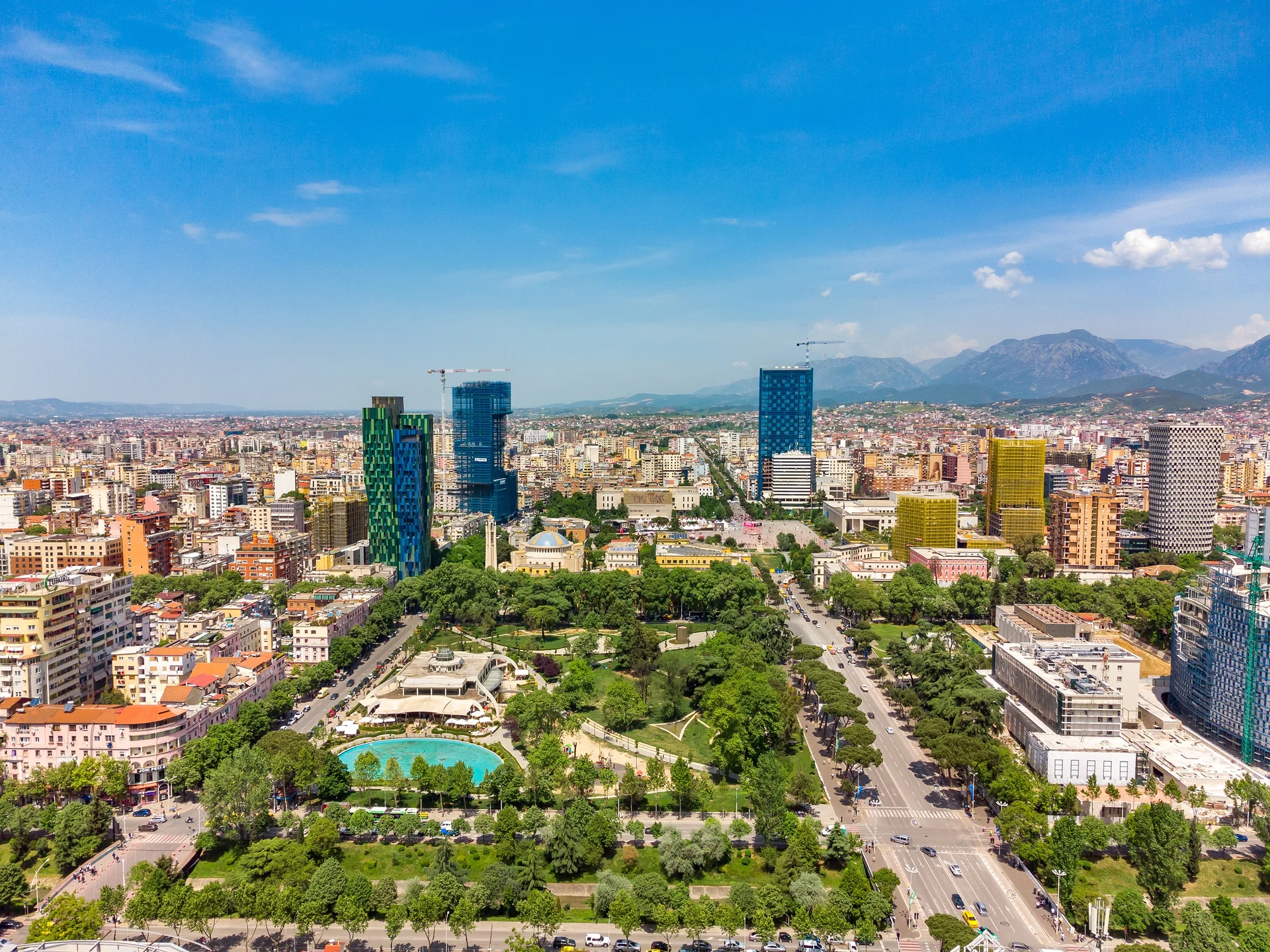
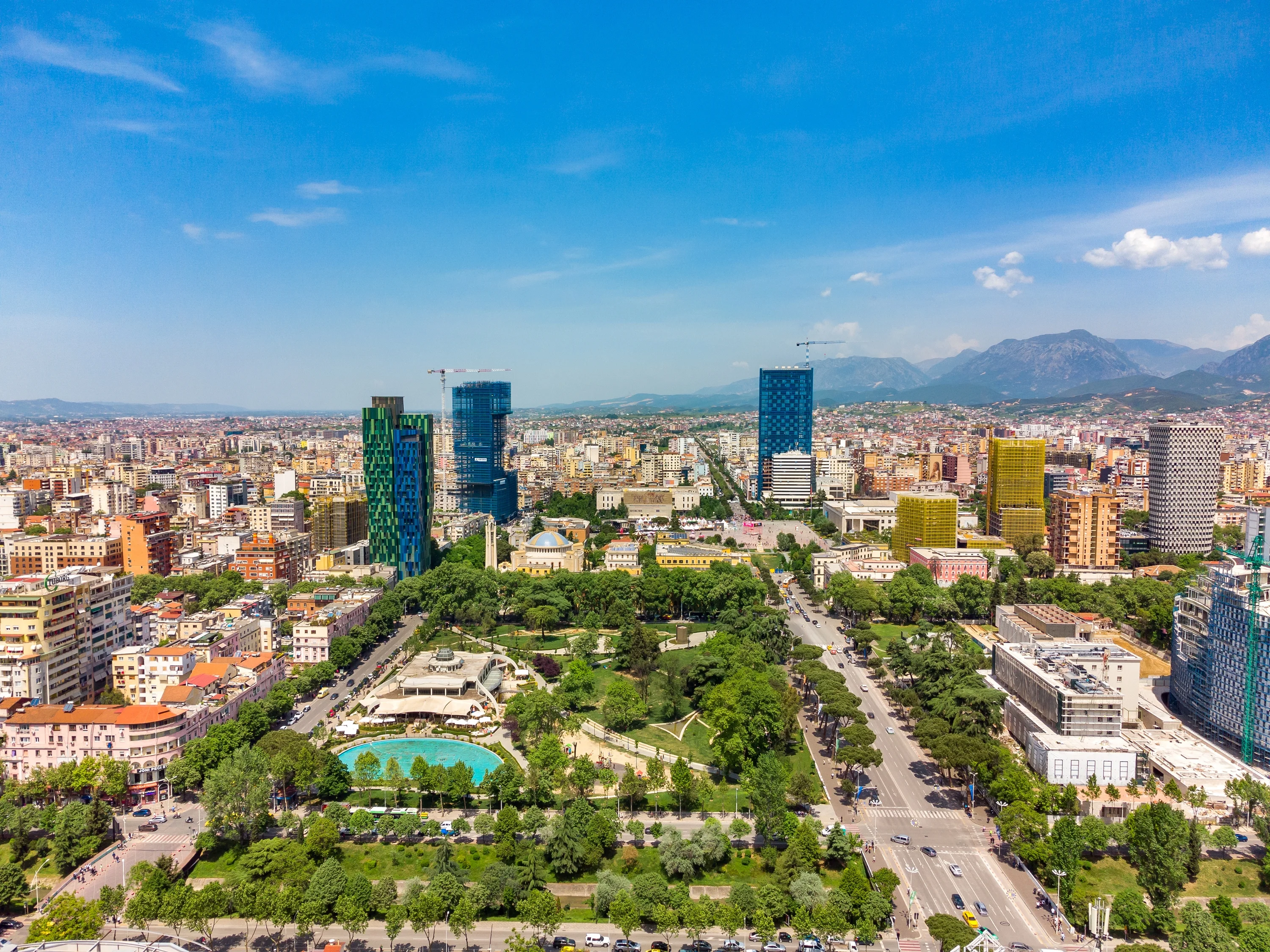
This city is not a classic beauty with Haussmann facades. It is a destination for urban explorers, fans of contemporary history, and those who enjoy the hum of a metropolis in the middle of a reinvention. If you are looking for a postcard setting frozen in time, you might be thrown off by its endearing chaos, constant construction, and eclectic architecture.
Tirana is perfect for a long weekend of walking, all on a reasonable budget. It appeals to those who love cafe culture, street art, and chance encounters. It is built for people who prefer the raw energy of Berlin over the museum-like perfection of Vienna. If you are ready to be surprised, it will captivate you.
The Center: on the stage of Albanian history
Everything starts at the massive Skanderbeg Square, the monumental and sometimes overwhelming heart of the nation. It is a vast pedestrian space where the great witnesses of history face off. On one side, the National History Museum with its socialist-realist mosaic. On the other, the Palace of Culture, the Et'hem Bey Mosque, and the Clock Tower, which remind visitors of the Ottoman legacy.
A few steps away, do not miss the Pyramid of Tirana. This former mausoleum dedicated to dictator Enver Hoxha, long left to decay, has been transformed into a cultural and tech center. Climbing its inclined flanks has become a ritual for locals and visitors alike.
Friendly tip: Visit the small Et'hem Bey Mosque outside of prayer times. The interior is a jewel of Ottoman decoration, and it is a haven of peace that contrasts with the bustle of the square.
The Blloku: the vibrant revenge of the youth
The Blloku neighborhood is the most powerful symbol of the city's transformation. Once a hermetically sealed residential zone reserved for the communist party elite, it is now the epicenter of local life. The villas of the apparatchiks have been replaced by an incredible concentration of bars, restaurants, and designer boutiques.
This is where you come to take the pulse of the local youth. Cafe culture is king here, and every terrace is a stage where people see and be seen, discuss, and solve the world's problems. At night, the neighborhood comes alive and becomes the hub of nightlife, with vibes for every taste, from sophisticated cocktail bars to alternative clubs.
Pazari i Ri: the market where the city heart beats
For a sensory immersion, head to Pazari i Ri (the New Bazaar). Renovated a few years ago, this market is an explosion of colors and flavors. Under its glass and steel structure, stalls overflow with fruits and vegetables, olives, local cheeses, honey, and nuts. It is the belly of the city, lively and authentic.
Around the covered market, you will find a multitude of small restaurants and bakeries. It is the ideal place for a quick lunch to taste local specialties like byrek or qofte (grilled meatballs) in a casual, friendly atmosphere.
Friendly tip: Grab a table at Kafja e Rremes in the middle of the market for a Turkish coffee prepared on hot sand. It is a simple experience and an excellent vantage point for observing local life.
Diving into the past: bunkers and escape
To understand the Albanian psyche, a visit to the Bunk'Art sites is essential. These two former nuclear bunkers have been turned into history and contemporary art museums. Bunk'Art 1, immense and located on the outskirts, traces the history of the communist army. Bunk'Art 2, right in the center, is dedicated to the victims of the regime's political police, the Sigurimi. It is a poignant and immersive experience.
For a breath of fresh air, take the Dajti Ekspres cable car. In 15 minutes, it transports you out of the urban agitation to the summit of Mount Dajti. The view over the city, the sea, and the mountains is spectacular. It is the favorite relaxation spot for locals on weekends.
Where to eat and drink in Tirana?
The culinary scene is a tasty mix of Balkan traditions and Italian influences. Try the tave kosi (lamb and rice baked in yogurt) or stuffed peppers (speca te mbushura). The Blloku neighborhood is full of modern, international spots, while Pazari i Ri is the king of street food and grills. Coffee is a true institution, served everywhere, all the time.
Where to stay in Tirana and surroundings?
Blloku is the neighborhood of choice if you want to be at the heart of the action, with many boutique hotels and modern apartments. To be close to the main tourist sites in an environment that is a bit quieter at night, aim for the streets around Skanderbeg Square. For tighter budgets, the neighborhoods just east of the center, like the one around Myslym Shyri street, offer excellent value for money.
How to get to and around Tirana?
Nene Tereza International Airport (TIA) is located about 30 minutes from the city center and is well connected. A shuttle service (Rinas Express) is the most economical way to reach the center.
Once you are there, the city center is very compact and is best explored on foot. For longer distances, taxis are numerous and affordable, just make sure the meter is on or agree on a price before you leave. The bus network is dense but can be a bit confusing for a first-time visitor.
When to go?
Spring and autumn are the ideal seasons to visit. The weather is mild and sunny, perfect for strolling the streets and enjoying the terraces. Summer, especially in July and August, can be very hot and suffocating, making daytime sightseeing more difficult. Winter is generally mild but can be rainy and gray.