Visiting Albania, the Mediterranean's Last Puzzle
Picture a country where the concrete shells of communist-era bunkers dot coastlines with water as clear and blue as anything you'd find in the Greek islands. Where Ottoman citadels that have stood for centuries look down over valleys that feel completely untouched. Albania doesn't just please you, it throws you off balance, then pulls you in completely.
Is This the Right Trip for You?
Albania rewards travelers who are genuinely curious and comfortable with a little unpredictability. It's a serious value destination for anyone who wants Mediterranean scenery without the Mediterranean price tag. But if you're expecting smooth highways, resort-style infrastructure, and everything running on a tight schedule, you may find yourself frustrated. Roads can be rough, bus departures are loose at best, and English is hit or miss outside the main cities.
This is a country for people who find beauty in the unexpected, who appreciate hospitality that's unscripted and genuine, and who want to explore one of the last corners of Europe that hasn't been fully packaged for tourists. It asks for patience. It pays back in full.
The Riviera: Mediterranean Beaches Without the Crowds (Most of the Year)
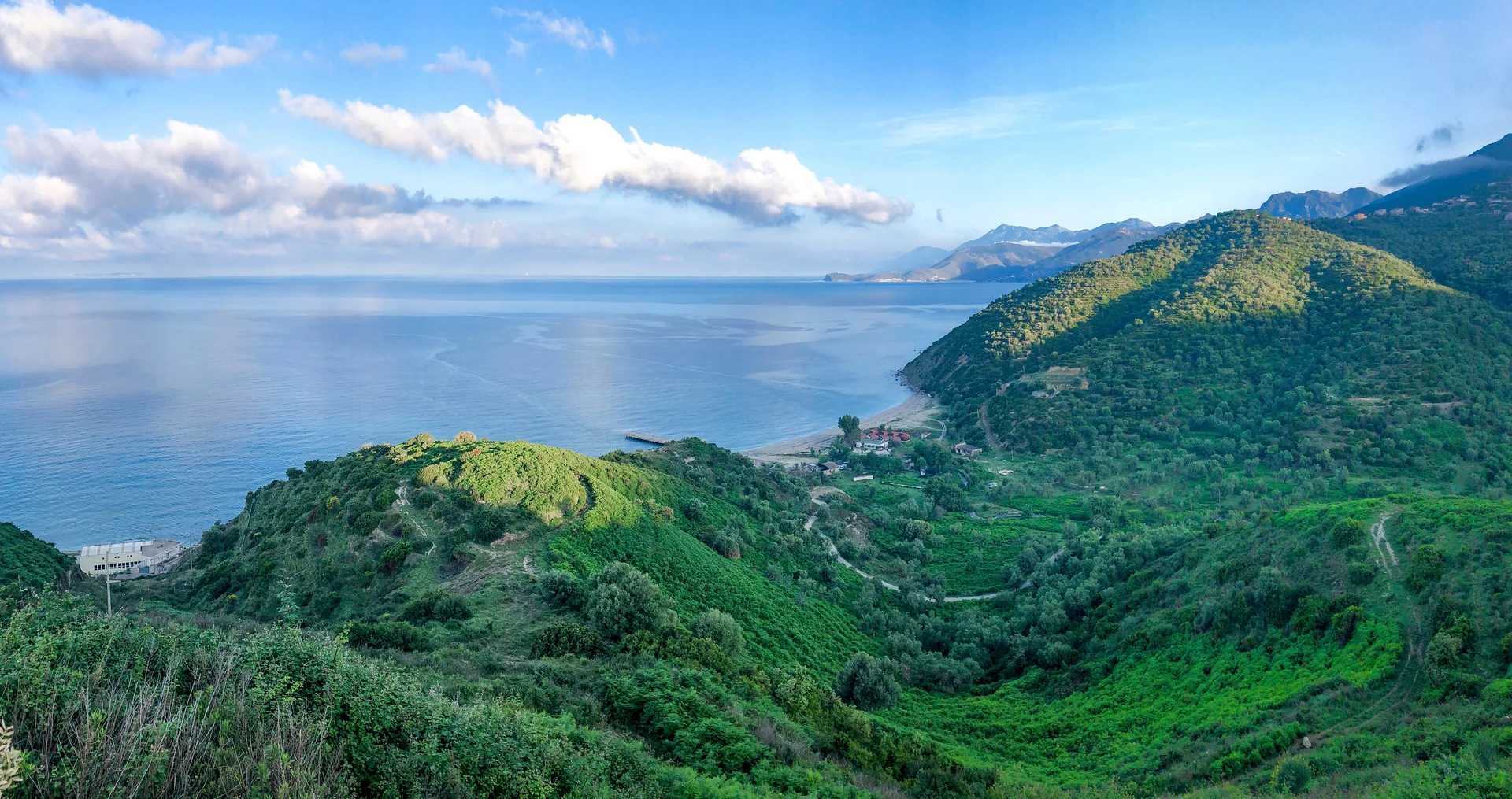
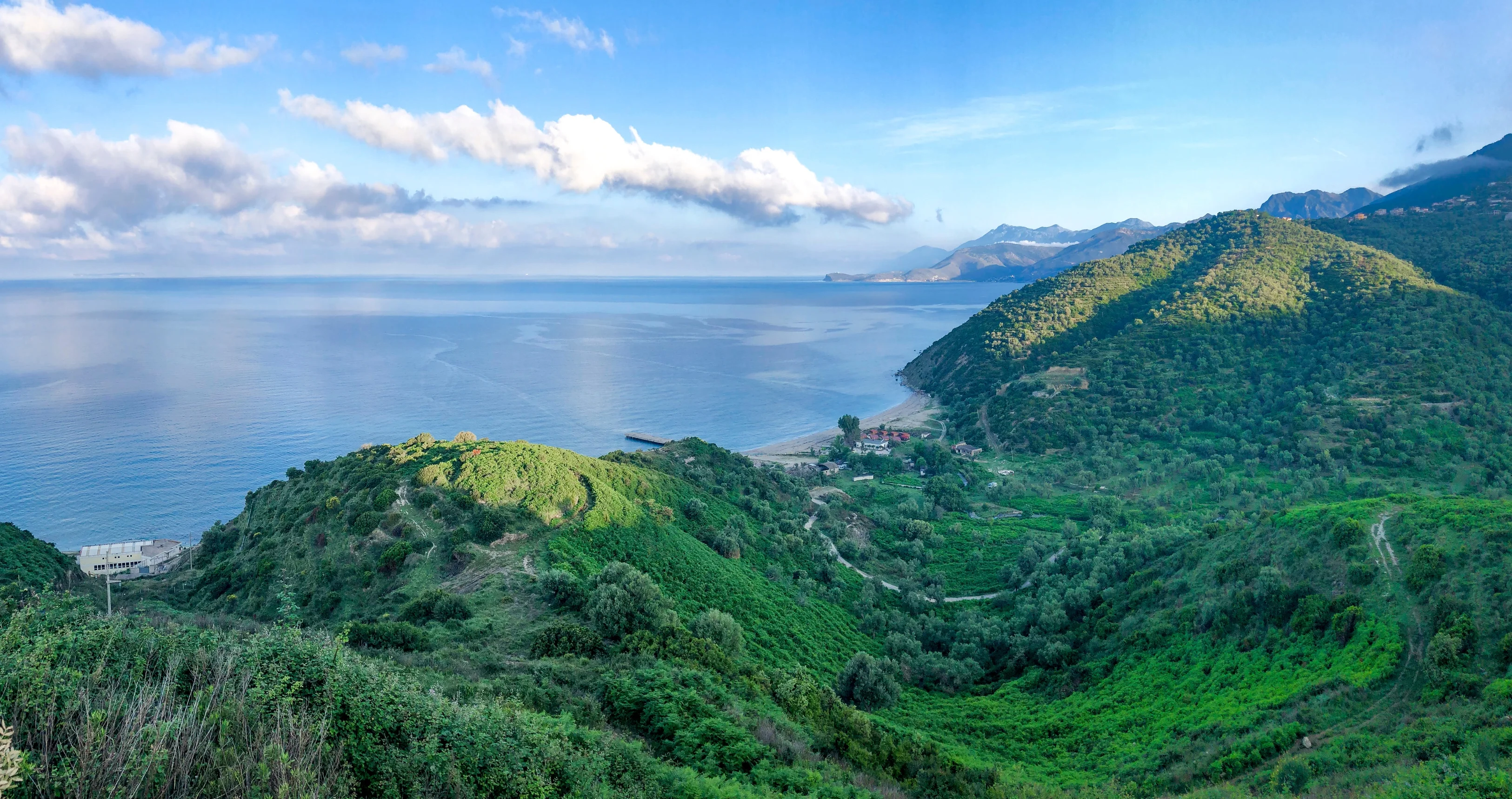
The southern coast stretching from Vlora down to the Greek border is the image most people have of Albania. White pebble beaches, hidden coves, and villages perched above an Ionian Sea that runs every shade of turquoise and deep blue. The coastal road through Llogara Pass is worth the drive on its own, it drops dramatically from pine-covered mountains straight down to the water.
Saranda is the main resort town and gets packed in peak season. Smaller spots like Dhërmi and Himara have a much more relaxed pace. Come in June or September and the whole coast transforms, warm water, manageable crowds, and prices that don't spike the way they do in July and August.
Ksamil: The "Caribbean of the Balkans", With Caveats
Just south of Saranda, Ksamil has small islands you can swim to and genuinely white sand beaches. In July and August, the reality is wall-to-wall private beach clubs and loud music. It's a beautiful spot, but summer crowds can strip it of most of its appeal.
Friendly tip: For a more authentic Riviera experience, head to harder-to-reach beaches like Gjipe Beach, which requires a short hike to access. That extra effort buys you the kind of quiet that's nearly impossible to find on this coast in high summer.
Stone Cities Frozen in Time
Inland, away from the beach scene, Albania holds two UNESCO World Heritage cities that rank among the most atmospheric places in all of Europe. Both are living museums of Ottoman-era architecture, and both are best explored on foot.
Berat, the City of a Thousand Windows
Built into a hillside above the Osum River, Berat is one of those places that stops you mid-step. Its whitewashed Ottoman houses, each with rows of tall windows that seem to stare across at one another, are unlike anything you'll see elsewhere. The citadel (Kala) at the top is still inhabited, walking its cobblestone lanes and looking out over the valley below is a genuine highlight of any Albania trip.
Gjirokastra, the Gray Stone Fortress City
More severe but equally compelling, Gjirokastra is known as the "City of Stone." Its slate-gray rooftops, fortified tower houses (kullë), and massive hilltop fortress overlooking the Drino Valley give it an atmosphere unlike anywhere else in the Balkans. Plan on a solid workout, the streets climb steeply and the terrain is uneven throughout.
Friendly tip: Wear shoes with serious grip when exploring Berat and Gjirokastra. The cobblestones have been polished smooth by centuries of foot traffic and can be dangerously slippery even on a dry day.
The Accursed Mountains: Serious Wilderness in the North
Northern Albania is a completely different country from the coast. The "Accursed Mountains" (Bjeshkët e Namuna) are raw, high-altitude wilderness, the kind of place that draws serious hikers and anyone who wants to be genuinely far from modern infrastructure. Think Rocky Mountain scale with Balkan village culture.
The classic route connects the villages of Theth and Valbona in a single day's trek through mountain passes, dense forest, and glacial valleys. It's one of the best hikes in Europe by any measure, but it requires solid fitness. The reward is alpine scenery with zero development in sight.
Accommodation up here means family-run guesthouses where you eat at the family table and share a glass of homemade raki (a local fruit brandy). It's the kind of travel experience that's increasingly hard to find.
Tirana: Not the Gray Capital You're Expecting
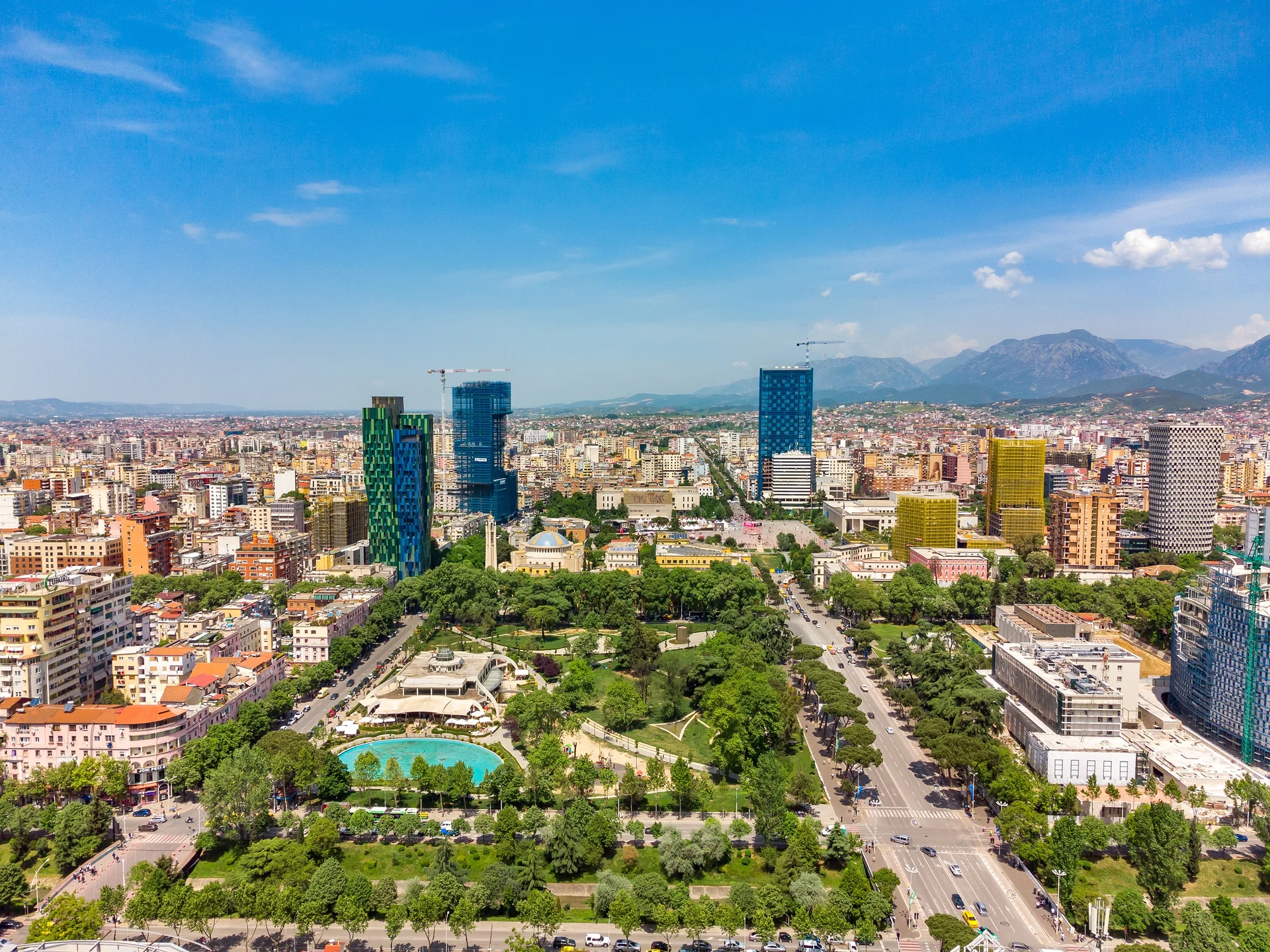
Forget any image of a drab post-communist capital. Tirana is a city in the middle of reinventing itself, and the energy is real. The brightly painted building facades, an initiative launched by former mayor and artist Edi Rama, became a symbol of the city shaking off its totalitarian past and reclaiming its own identity.
The Blloku neighborhood, once reserved exclusively for the communist elite and off-limits to ordinary Albanians, is now the city's nightlife and café hub. Walk Skanderbeg Square, then spend a few hours at Bunk'Art, an extraordinary museum built inside a massive anti-nuclear bunker. The whole city carries this tension between a heavy past and an unmistakably forward-looking present, and it makes for a fascinating few days.
Albanian Food: Mediterranean Generosity on a Budget
Albanian cooking draws from Turkish, Greek, and Italian traditions and lands somewhere genuinely its own. It's family-style, ingredient-driven, and almost always fresh. The national dish is tavë kosi, a baked lamb and yogurt casserole that's richer than it sounds. Don't miss byrek, a flaky savory pastry filled with cheese, meat, or spinach, you'll find it at bakeries on practically every block, usually for well under 100 ALL.
On the coast, grilled fish and seafood caught the same day, finished with olive oil and lemon, is the move. In the mountains, look for local cheeses, grilled meats, and garden vegetables. Eating well in Albania is easy and inexpensive across the board.
When to Go to Albania
Spring (May through June) and early fall (September) are the sweet spots for a well-rounded trip. Temperatures are comfortable, the landscape is at its best, and you avoid the summer rush. These are the ideal windows for hiking and exploring the cultural sites without fighting crowds.
Summer (July and August) is hot, seriously hot inland, and the Riviera gets overwhelmed with visitors and prices climb accordingly. The northern mountains are the exception: they stay cool and make a good summer destination if you're willing to skip the beach.
Winter is cold and wet, and the mountain regions are often snowed in and unreachable. That said, visiting the cities in winter means rock-bottom prices and an experience that feels genuinely local rather than tourist-facing.
Getting to Albania
Flying is the straightforward option. Tirana Rinas Airport (TIA) has decent international connections, including budget carriers from several European cities. Most US travelers will connect through a European hub. TIA is the main entry point for the country.
You can also reach Albania by ferry from Italy, Bari, Ancona, and Trieste all have routes to the ports of Durrës and Vlora. By road, Albania shares open borders with Montenegro, Kosovo, North Macedonia, and Greece, making it an easy addition to a broader Balkans road trip.
Getting Around Albania
Renting a car is by far the best way to see the country on your own terms. It's the only practical way to reach isolated beaches and remote villages. That said, come prepared: local driving is aggressive by US standards, and secondary roads range from decent to genuinely rough. An SUV is worth the upgrade if you plan to leave the main highways.
For tighter budgets, the network of buses and furgons (shared minivans) covers most of the country and is very cheap. Furgons don't run on fixed schedules, they leave when they're full. It's an affordable way to travel and a real window into everyday Albanian life, but you need flexibility and extra time built into your plans. The train network is essentially non-functional and not worth considering.