
Visiting Chiang Mai, where Thailand finally slows down
The scent of temple incense mixes with the savory aromas of street food grilling on every corner. Barefoot monks in saffron robes walk past trendy cafes where digital nomads tap away on their MacBooks.
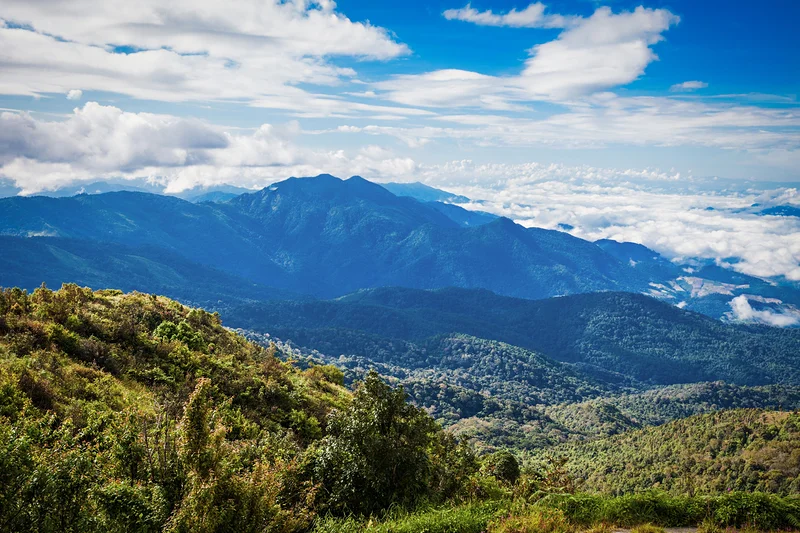
Here, in this northern Thai city tucked 2,300 feet above sea level, time seems to move differently. There are no frantic skyscrapers like in Bangkok, and no packed beaches like in Phuket. Just a thousand-year-old city surrounded by a moat and misty mountains, where over 300 gilded temples punctuate a daily life that balances Lanna tradition with a zen-like modernity.
A haven for the contemplative and the curious
This destination attracts a specific type of traveler. If you are looking for non-stop parties and postcard-perfect beaches, you have come to the wrong place. However, those who appreciate Buddhist culture, mountain hiking, authentic cuisine, and a relaxed pace will fall for its charm. The city is a hit with families thanks to its safe environment and diverse activities, and solo travelers value the expat community and how easy it is to meet people.
As for the budget, expect to spend 1,100-1,800 THB per day (about $30-50) to live comfortably, or 550-750 THB (about $15-20) as a backpacker. You do not need a car in the city, as scooters are the standard, and songthaews (red pickup trucks converted into shared taxis) cruise everywhere for just a few baht. The pace? Slow and almost meditative during the day, lively but never frantic at night. Three days are enough for an overview, while a week lets you really soak in the atmosphere.
The Old City: a concentration of temples and authenticity
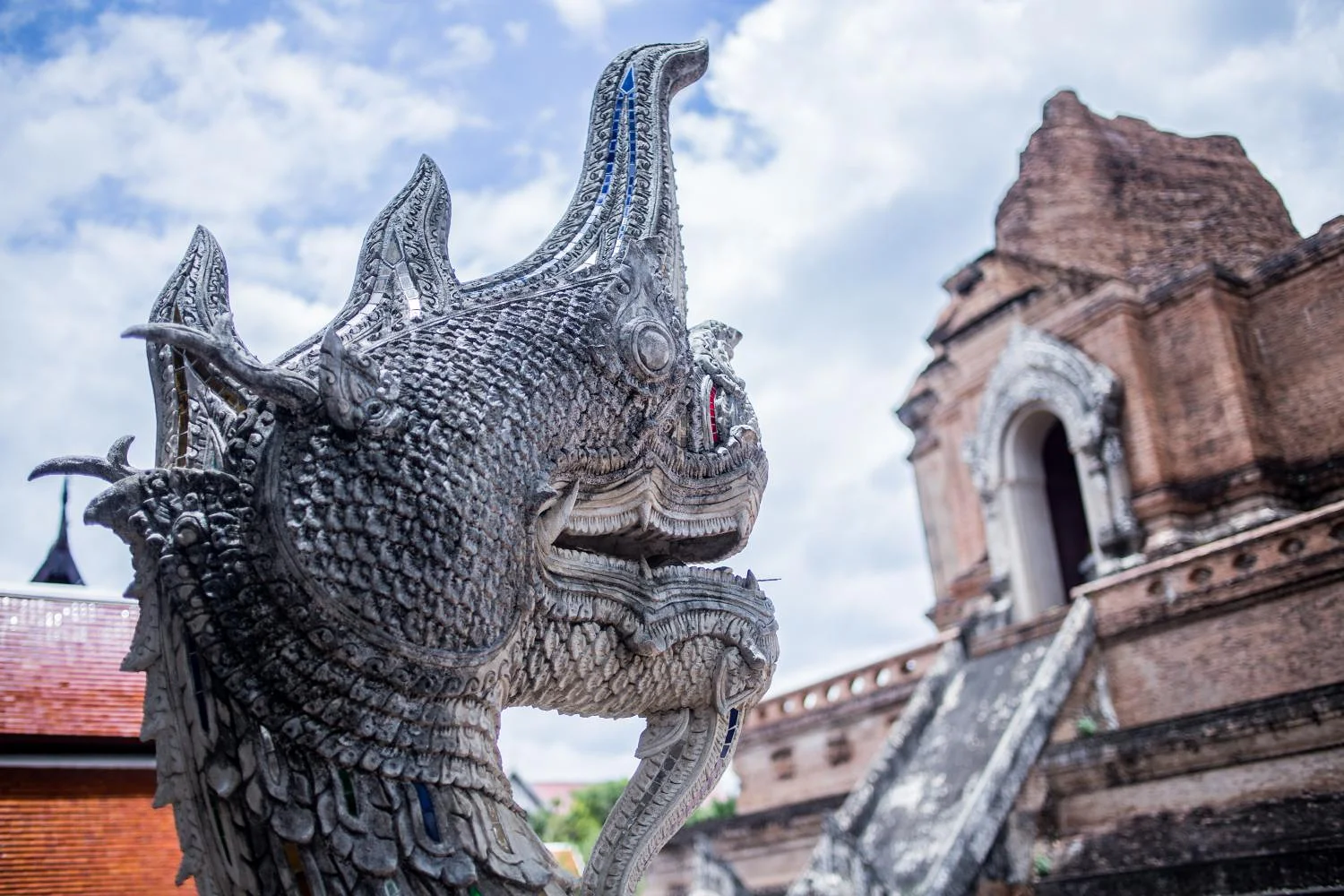
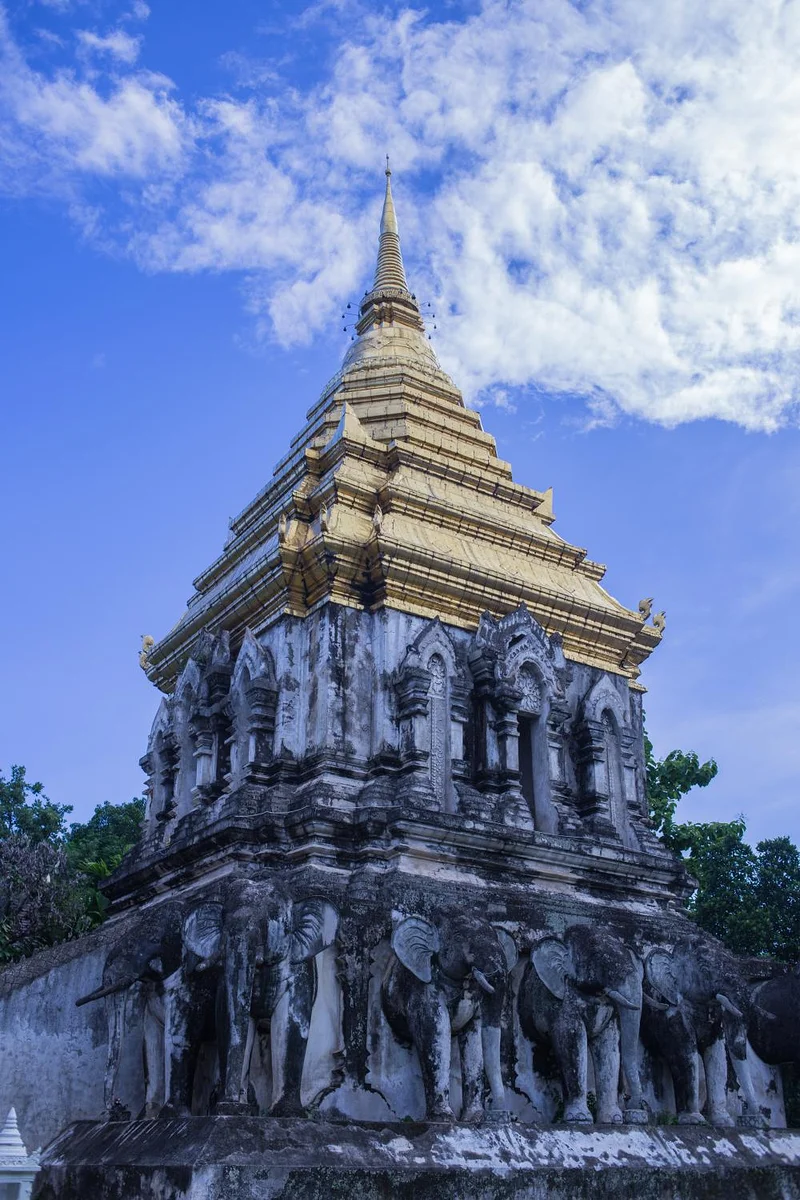
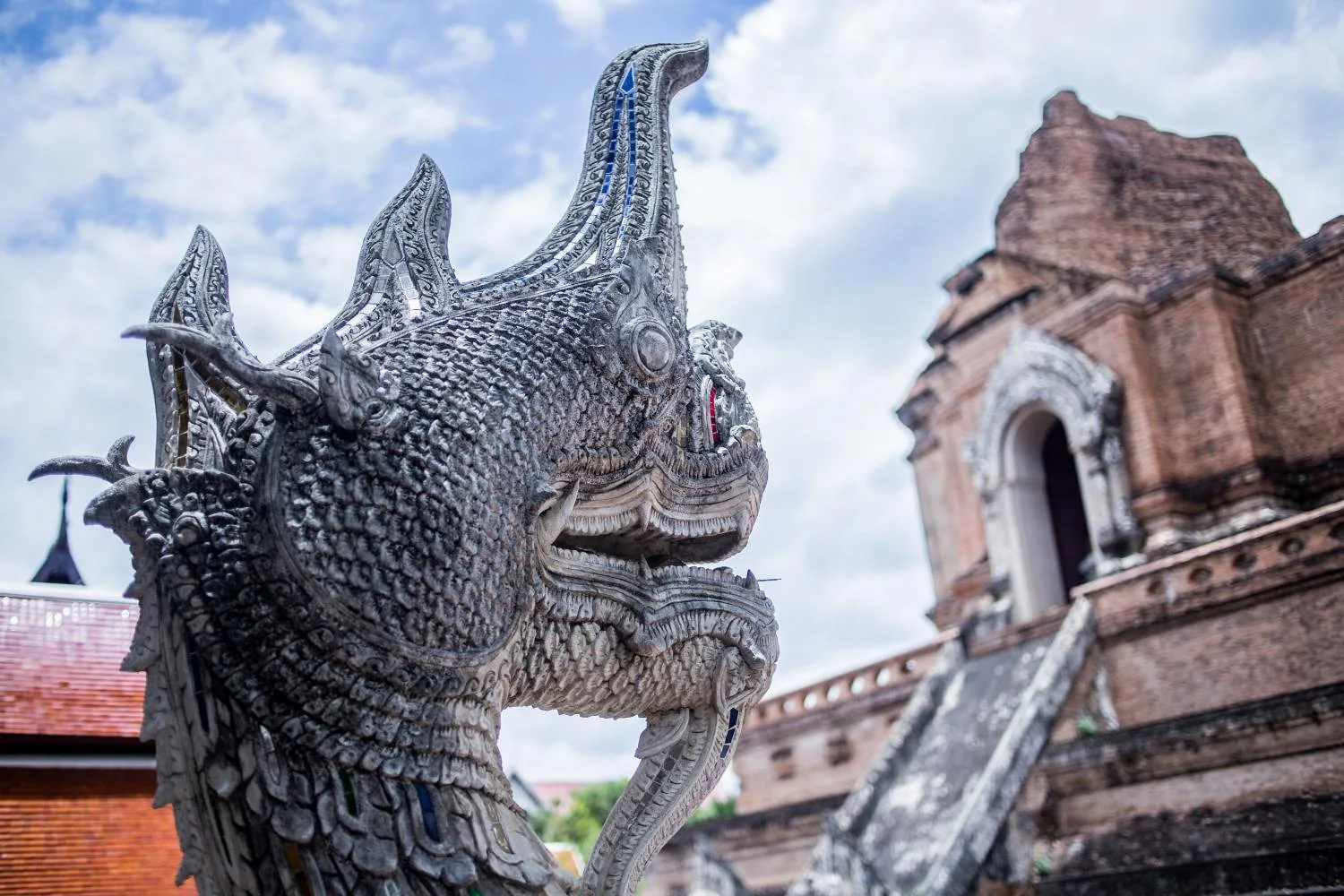
The historic center is a perfect square measuring about a mile on each side, surrounded by a moat and remnants of ancient walls. This compact layout makes it easy to explore on foot or by bike. Wat Phra Singh, a 14th-century royal temple, stands out for its golden chedi and an ubosot with beautifully preserved wall murals. Right nearby, the Wat Chedi Luang houses a chedi that partially collapsed during an earthquake in 1545, giving it a romantic, ruined charm.
The alleys between the temples are packed with small shops, family-run guesthouses, and no-frills restaurants where the locals actually eat. On Sundays, the Walking Street transforms Ratchadamnoen Road into a massive pedestrian market starting at 5 PM, featuring local crafts, clothing, jewelry, and street food on every corner. The vibe is friendly, and prices are fair if you negotiate politely.
Pro tip: Rent a bicycle at one of the many shops for 50-100 THB (about $1.50-3) per day. The flat Old City is perfect for two wheels, and you can easily hit 6-7 temples in one morning before the heat becomes overwhelming.
Nimman: the trendy neighborhood for creatives
Northwest of the Old City lies Nimmanhaemin, affectionately called Nimman by regulars. This hipster neighborhood is a hub of design-forward cafes, creative boutiques, fusion restaurants, and colorful street art. Each of the sois (alleys) branching off Nimman Road hides its own gems: soi 1 for cocktail bars, soi 3 for Instagram-friendly cafes, and soi 17 for the innovative dining scene.
The massive Maya Lifestyle mall dominates the area with international brands and a top-floor food court offering panoramic views. But the real draw of Nimman is in its independent micro-spaces: Think Park with its shipping containers turned into bars and eateries, and One Nimman with its elegant, modern architecture. The crowd is a mix of students from the nearby university, Western expats, and affluent young Thais.
Pro tip: The neighborhood is best visited in the late afternoon. Start with a coffee around 4 PM at one of the many cozy spots, wander until sunset, and then settle in for dinner. The terraces really come alive after 7 PM.
Around Doi Suthep: perched temples and lush nature
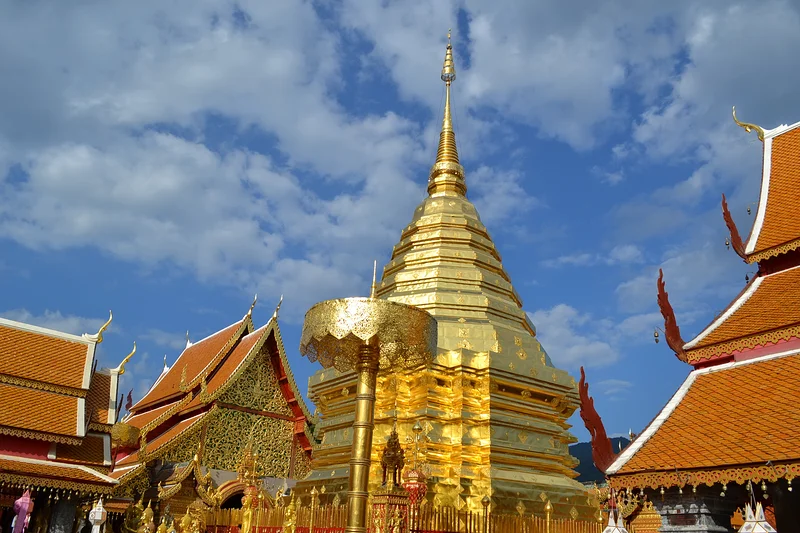
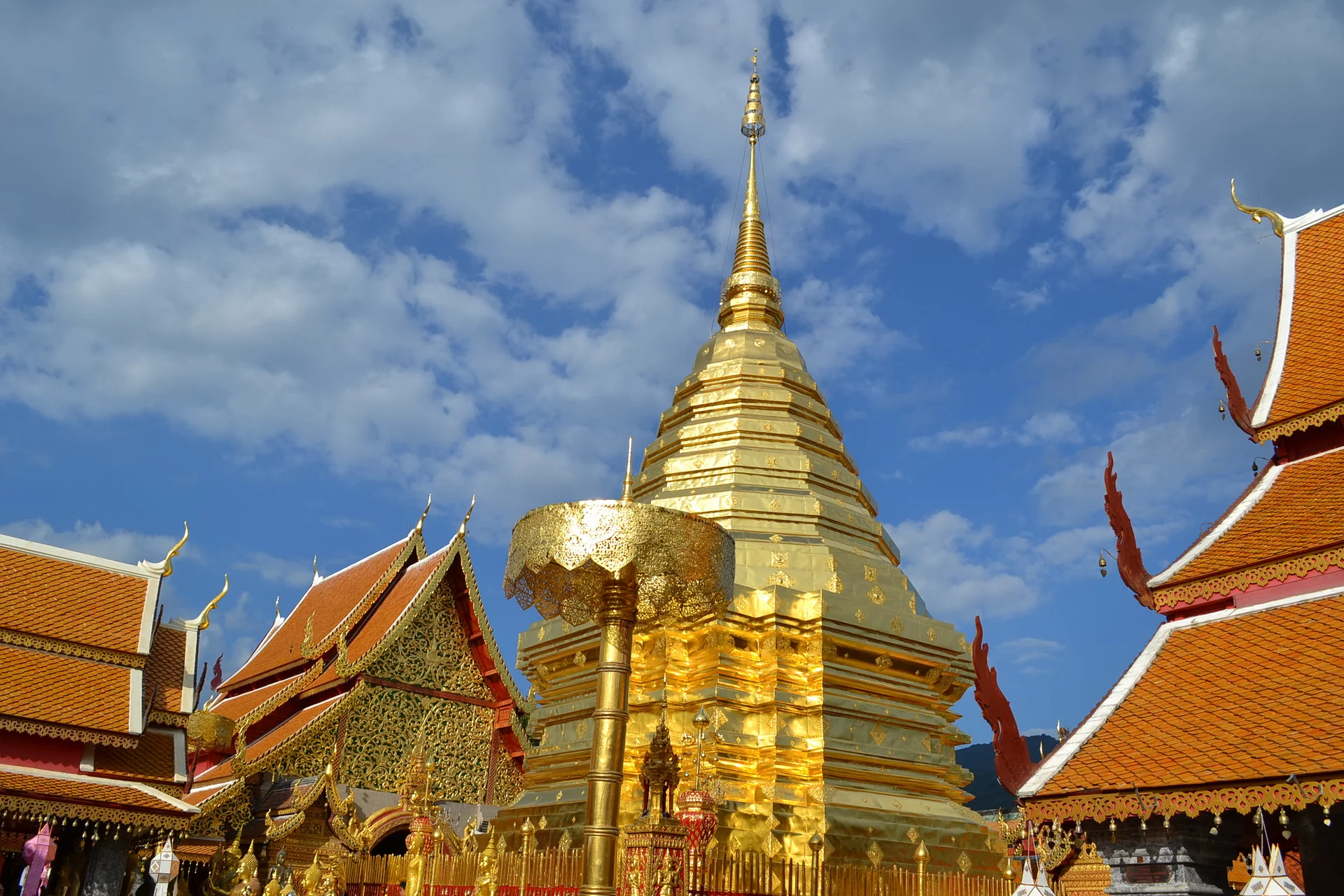
The Doi Suthep mountain rises 5,500 feet above the city. Its namesake temple, the Wat Phra That Doi Suthep, is the most sacred site in northern Thailand. After climbing 306 steps lined with naga (mythological serpents), the shimmering 72-foot golden chedi appears in all its glory. The view of the city below justifies the climb, especially at sunrise or sunset when tourist crowds are thinner.
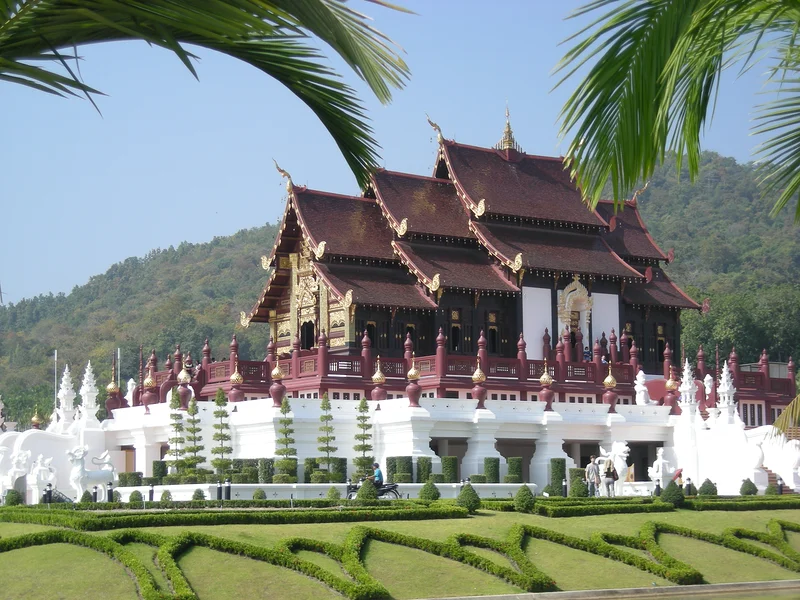
Higher up the winding road, the Bhubing Palace opens its gardens to the public when the royal family is not in residence. Roses and hydrangeas bloom beautifully between December and February. For hikers, several trails start from the Doi Suthep-Pui National Park leading to hidden waterfalls and scenic viewpoints. The Hmong Village along the way offers a look at the crafts of mountain minorities, though the experience has become quite commercialized.
Pro tip: Negotiate a round-trip with a red songthaew from the Old City for about 200 THB (about $5.50) per person. Head up early around 7 AM to witness the monks' chants and avoid the rush. Bring modest clothing that covers your shoulders and knees, or you will have to rent a sarong at the entrance.
Nature experiences nearby
About 20 miles north, ethical elephant sanctuaries are becoming more common. Skip the elephant rides and prioritize places like Elephant Nature Park or Patara Elephant Farm where the animals live in semi-freedom. A typical day involves feeding them, bathing them in the river, and observing their natural interactions. Reservations are essential several weeks in advance, and you should budget 2,500-3,500 THB (about $70-100) for the day.
Waterfalls like Mae Sa or Huay Kaew offer a refreshing escape from the city heat. Multi-day treks in the mountains of the Golden Triangle appeal to adventurers, featuring nights in Karen or Akha villages, jungle hikes, and river swims. Agencies offer all-inclusive packages of 2 to 5 days between 3,000 and 8,000 THB (about $85-225) depending on the comfort level.
Where to eat and drink in Chiang Mai?
Northern Thai (Lanna) cuisine is distinct from the rest of the country, featuring milder, less spicy flavors. Khao soi, an egg-noodle curry served in a coconut milk broth with chicken or beef, is the absolute gold standard. Try it at Khao Soi Lam Duan Fah Ham, a local institution for decades. Sai oua (spicy northern sausage) and nam prik ong (tomato, pork, and chili sauce) are perfect accompaniments to the ubiquitous sticky rice.
Night markets concentrate the best street food. Warorot Market remains the most authentic for eating like a local, while the Night Bazaar caters more to tourists with varying quality. For an upscale gastronomic experience, David's Kitchen offers excellent French-Thai fusion, and The Service 1921 serves classic dishes in a chic colonial setting.
As for coffee, the city now rivals Melbourne or Portland. Ristr8to has won international awards for its latte art, Graph Cafe roasts its own beans, and Akamai Coffee attracts the creative community. Bars are concentrated in Nimman and around Loi Kroh Road, with a special mention for the rooftop at Zoe in Yellow and the rootsy vibe of the North Gate Jazz Co-Op.
Where to stay in Chiang Mai and the surrounding area?
The Old City appeals to those who want to be at the heart of the cultural action with temples within walking distance. Family-owned guesthouses abound here, costing between 300 and 800 THB (about $8-22) per night, often with plenty of charm and character. The Nimman neighborhood attracts younger, connected travelers, with design hostels and boutique hotels ranging from 400 to 2,000 THB (about $11-55) depending on the level of luxury.
Along the Ping River to the east, several boutique hotels enjoy a bucolic setting while remaining close to the center. Tamarind Village or the Rachamankha embody discreet Lanna luxury. For tighter budgets, the Tha Phae Gate area has dozens of low-cost options between 200 and 500 THB (about $5-14) with shared bathrooms.
On the outskirts, toward Mae Rim in the north or Hang Dong in the south, luxury resorts nestled in nature offer infinity pools and spas for those seeking a total disconnect. Expect to pay from 3,000 THB (about $85) per night at these often stunning properties.
How to get to and around Chiang Mai?
Chiang Mai International Airport is only 2.5 miles from the center. Official taxis cost 150-200 THB (about $4-5.50) to reach the Old City in 15 minutes. Several daily flights connect to Bangkok (a 1h 15m flight, 800-2,500 THB or about $22-70 depending on the airline and season). The overnight train from the capital is an economical and charming alternative (10-12 hours, 500-1,500 THB or about $14-42), but delays are frequent.
In the city, the scooter is king. Rentals cost 150-250 THB (about $4-7) per day, and an international permit is theoretically mandatory but rarely checked. Red songthaews act like shared taxis, costing 30 THB (about $0.85) for a trip within the Old City, with prices negotiable for longer hauls. The Grab and Bolt apps make getting around with a motorcycle taxi or air-conditioned car much easier.
The compact Old City is easily explored on foot. To explore the surroundings (Doi Suthep, elephant sanctuaries), you can either rent a scooter if you are comfortable on mountain roads, or book organized tours that include transport and a guide.
When to go?
The cool season from November to February is the ideal period, with pleasant temperatures between 60°F and 82°F, clear skies, and low humidity. It is also the peak tourist season with maximum crowds and inflated prices. In mid-November, the Yi Peng festival sees thousands of sky lanterns illuminate the night, a magical but extremely crowded spectacle. March to May is the hot season, with the mercury climbing above 95°F and an agricultural haze that veils the mountains.
The monsoon from June to October brings daily rain in the late afternoon but empties the city of tourists and causes prices to drop significantly.
Merci pour ces infos! Entre ton commentaire et les photos de Sébastien P, ça donne envie :)