Sri Lanka: An Island Where Every Mile Has a Story
At dusk across the island, you'll hear it before you smell it: the sharp metallic clang of blades chopping against a hot iron griddle. That sound means one thing: kottu is being made. This quintessential Sri Lankan street dish, chopped flatbread stir-fried with vegetables and meat, captures the island's energy better than any postcard. Sri Lanka doesn't just charm you; it grabs you, provided you're willing to roll with its organized chaos and relentless humidity.
Is This Island Right for You?
Sri Lanka pulls in a genuinely wide range of travelers. History buffs will spend days in the ancient ruins of the Cultural Triangle. Surfers will chase waves on the south or east coast depending on the season. Photographers will be floored by tea plantations and gilded temples. And anyone who travels for the people will find Sri Lankan hospitality hard to forget.
That said, the country asks something of you. The heat is real: Colombo regularly hits 99°F (37°C) with humidity above 90%. Getting around takes time. Buses are packed, trains rarely run on schedule, and the roads are an exercise in patience. If you need air-conditioning everywhere and trains that run on time, Sri Lanka will frustrate you. Solo female travelers should also know that in less-touristy areas, unwanted attention is not uncommon, though the country is generally safe.
A Budget That Works
Sri Lanka is solid value for Asia. Budget around 8,000 to 13,000 LKR per day (roughly $25 to $40) for a comfortable trip covering a guesthouse, local meals, and transportation. The big-ticket entry fees add up fast: Sigiriya, for example, runs about 9,000 LKR ($27) per person. If you're hitting several sites in the Cultural Triangle, factor that into your budget early.
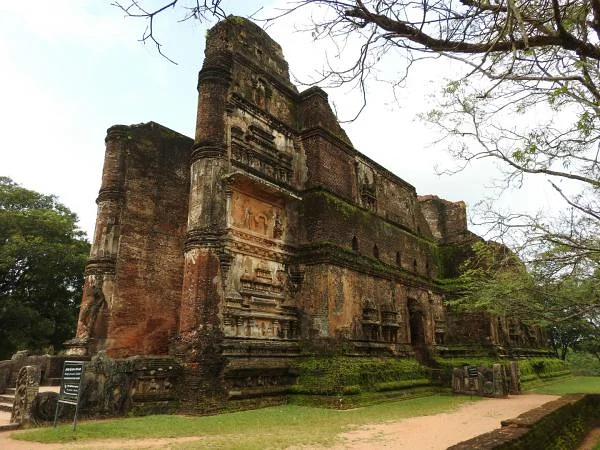
Temples and Ruins: 3,000 Years of History, No Roof Required
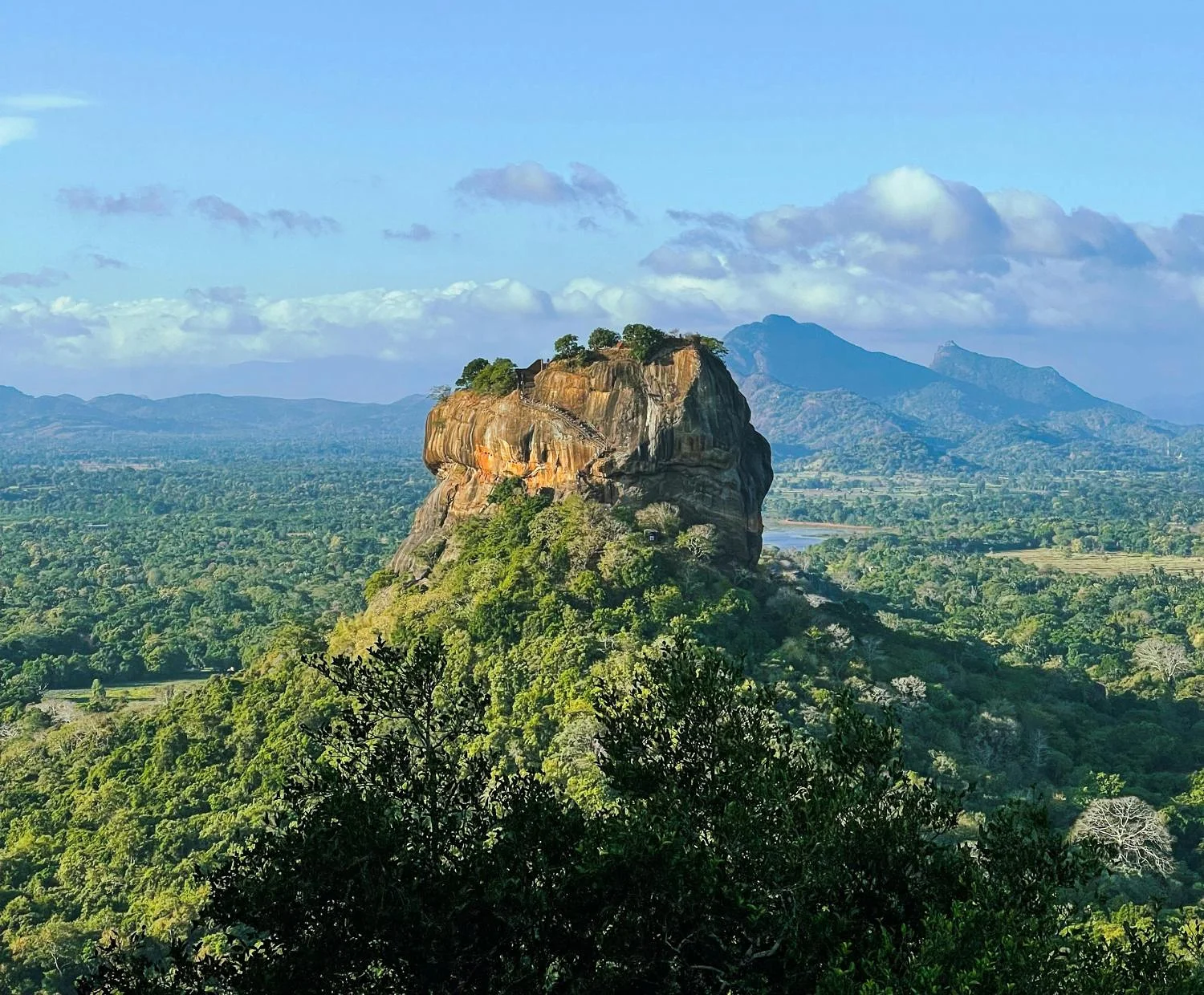
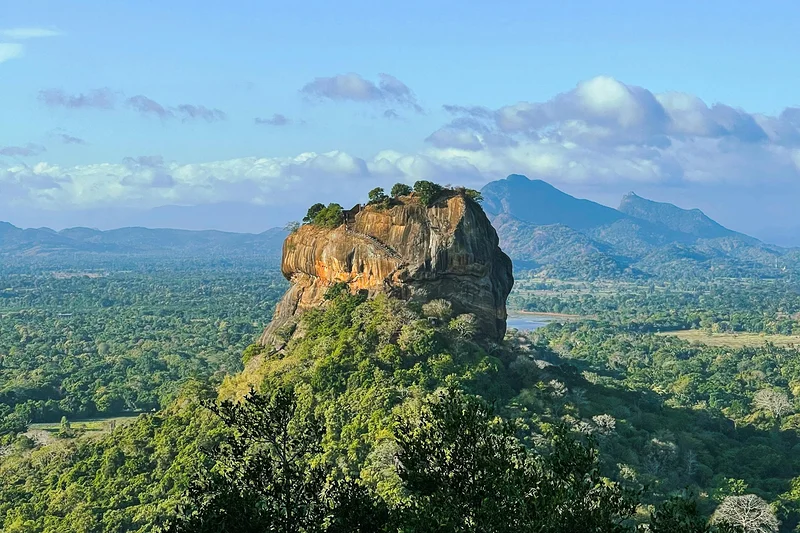
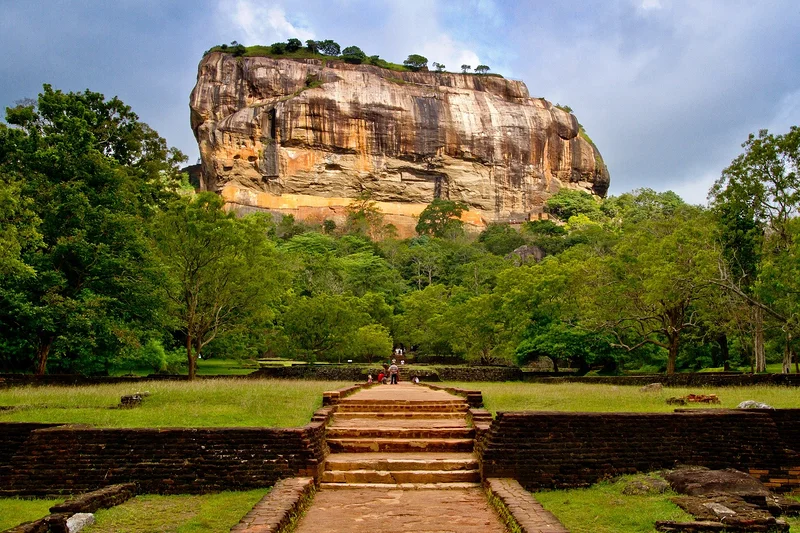
Sri Lanka has eight UNESCO World Heritage Sites. The Sigiriya fortress rises from the plains on a 650-foot (200-meter) rock. The 5th-century frescoes of celestial maidens and the water gardens carved into the rock face are a genuine feat of ancient engineering. The climb takes about 90 minutes and puts the surrounding jungle below you in every direction.
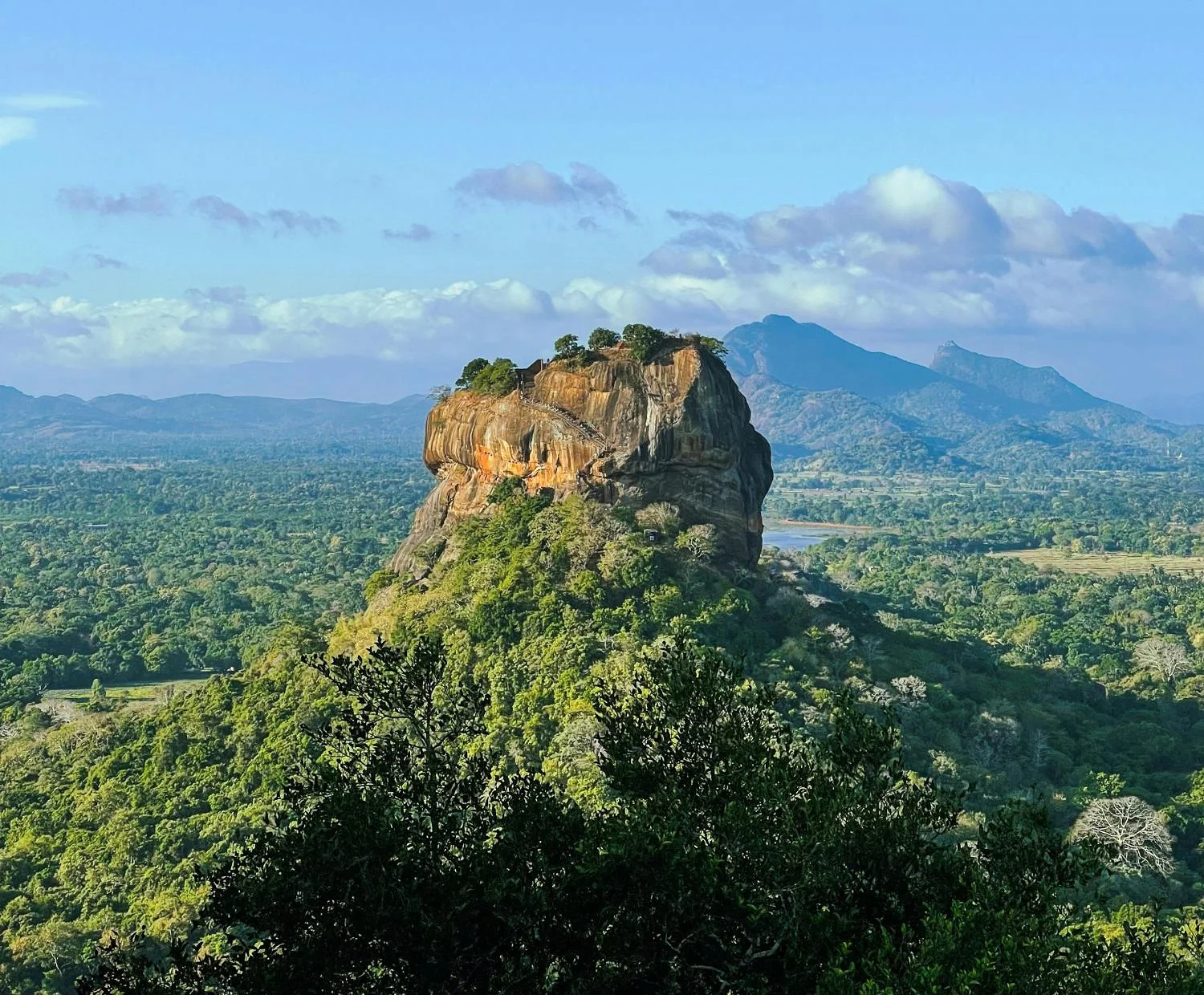
A few miles away, Pidurangala is the smarter move for the view. For just 500 LKR (about $1.50), you hike a neighboring rock that gives you the best possible angle on Sigiriya itself. Go at dawn to beat the heat and catch the sunrise.
Insider tip: Book your train tickets for the Kandy to Ella route at least 30 days out through the official Sri Lanka Railways website. Second-class seats sell out within hours of becoming available.
The Dambulla cave temples are the largest rock temple complex in the country. Five consecutive caverns hold hundreds of Buddha statues and murals that are centuries old. In Kandy, the Temple of the Tooth houses the most sacred relic in Sri Lankan Buddhism.
The Hill Country: Tea, Mist, and Views That Drop Away
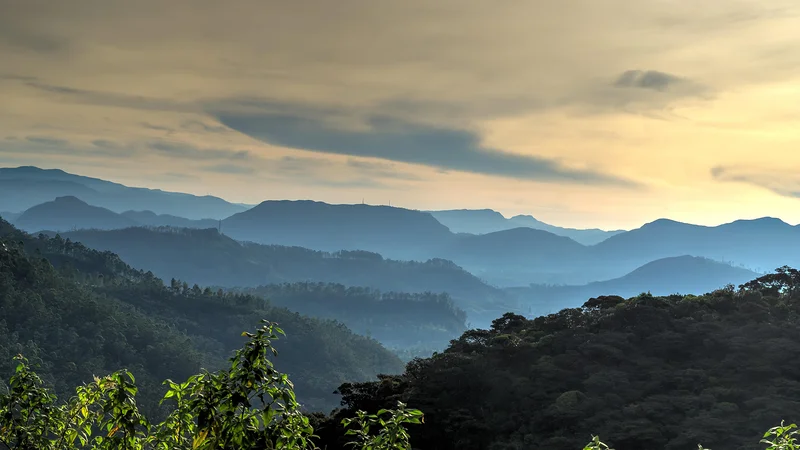
Ella has become the go-to stop for travelers heading into the mountains. Sitting above 3,300 feet (1,000 meters), it offers a genuine break from the coastal heat. The hike up Little Adam's Peak takes about an hour and opens up views across layered green valleys. The Nine Arch Bridge, built entirely from brick in the 1920s, has become the defining image of Sri Lanka for good reason.
For more serious hiking, head to the Knuckles Range. This UNESCO-listed area barely shows up on the tourist circuit. Trails cut through cloud forests where endemic lizards and bird species live that you won't find anywhere else. Riverston and its lookout point called Mini World's End are worth the detour.
Nuwara Eliya: Colonial Throwback in the Clouds
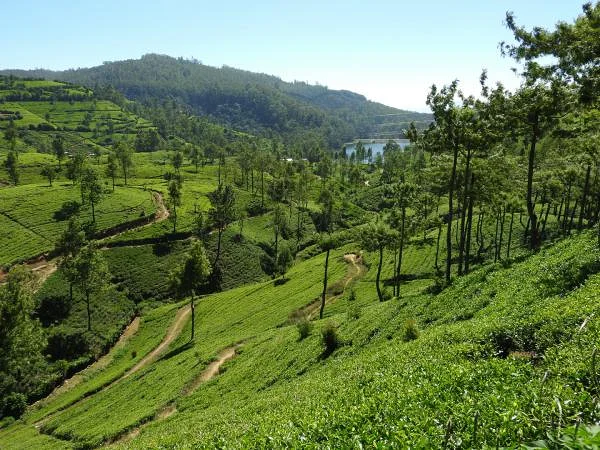
Nuwara Eliya catches most visitors off guard. The colonial-era architecture, the cool air, and the fact that nights can drop below 50°F (10°C) make it feel like a different country. Tea plantations cover the surrounding hills in every direction. Visit a working factory to see exactly how Ceylon tea, the third-largest tea export in the world, goes from leaf to cup.
Coasts and Lagoons: Beaches for Every Type
The south coast has the most developed beach towns. Mirissa draws travelers with its sandy beaches, beach bars, and blue whale watching trips that run from November through April. Unawatuna and Weligama are good spots for beginner surfers thanks to their consistent, manageable waves.
For something quieter, the east coast is a different world. Trincomalee and the beaches of Nilaveli and Uppuveli see a fraction of the crowds. Arugam Bay, also on the east coast, draws experienced surfers from May through September for its well-known reef breaks.
Insider tip: The Kalpitiya peninsula in the northwest is almost completely off the radar. Early morning boat trips here regularly spot hundreds of spinner dolphins, and the kitesurfing conditions are excellent.
The North Opens Up: Jaffna and Tamil Culture
Closed to visitors for years during the civil war, the Jaffna region is steadily becoming accessible again. The atmosphere here is completely different from the rest of the island. Tamil culture dominates, Hindu temples replace Buddhist stupas, and the food is spicier and more intensely flavored.
The Nallur Kandaswamy temple is worth the trip alone for its elaborate ceremonies. The island of Nainativu, reached by boat, holds both a major Hindu temple and Nagadeepa, one of the most sacred Buddhist sites in the country. And the food in Jaffna is genuinely special: the local crab curry holds its own against the best in Asia.
Sri Lankan Food: Spice, Coconut, and Bold Flavors
Sri Lankan cooking is built on three things: rice, coconut, and spices. A traditional meal puts rice at the center of the plate, surrounded by five to eight small dishes. Each curry has its own personality: creamy dhal, slow-cooked jackfruit, spiced beet, coconut sambol fired up with chili. Think of it as a South Asian equivalent of a mezze spread, but with more heat.
Kottu roti is the street food king. Chopped flatbread, vegetables, and your choice of meat get grilled together on a hot iron plate, producing a smell that's nearly impossible to walk past. Hoppers are bowl-shaped rice flour crepes with crispy edges, usually eaten at breakfast with an egg cracked in the center. Pol sambol, a condiment made from grated coconut, lime, and chili, shows up at almost every meal. Vegetarians do very well here: the majority of curries contain no meat at all.
When to Go
Sri Lanka is technically a year-round destination, but the monsoons determine where you should be and when. From December through March, stick to the west coast, the south, and the central highlands. From May through September, the east coast and the north get the best weather. February and March offer the most consistent sunshine across the whole island.
Peak tourist season on the south coast runs December through February. Guesthouse prices can double and the beaches fill up fast. If you want to avoid the crowds, aim for March, April, or the September to October window.
Getting to Sri Lanka
There are no nonstop flights from the US to Sri Lanka. Most routes connect through the Middle East: Dubai on Emirates or Doha on Qatar Airways are the most common options. Expect to pay roughly $900 to $1,400 for a round-trip economy ticket depending on the season and how far in advance you book. All international flights land at Bandaranaike International Airport, about 22 miles (35 km) north of Colombo.
The electronic travel authorization (ETA) costs about $50 and must be applied for online before you travel. It covers a 30-day stay, which can be extended while you're in the country. Make sure your US passport is valid for at least six months beyond your planned departure date.
Getting Around
The train is the most scenic way to travel. The Kandy to Ella route passes through tea country and crosses the famous Nine Arch Bridge, and second-class tickets run between 650 and 3,900 LKR (roughly $2 to $12) depending on distance. Buses reach every corner of the island for very little money, but comfort is minimal and journeys are long.
For local trips, tuk-tuks are everywhere. Use the PickMe app (Sri Lanka's answer to Uber) to get a fixed price without negotiating. A private car with driver runs about 16,000 to 22,000 LKR per day ($50 to $70) and is worth it for families or anyone covering a lot of ground. Driving yourself is possible but not for the faint of heart: traffic rules in Sri Lanka function more as loose suggestions than actual law.