Sri Jayawardenepura Kotte, a forgotten capital with royal roots
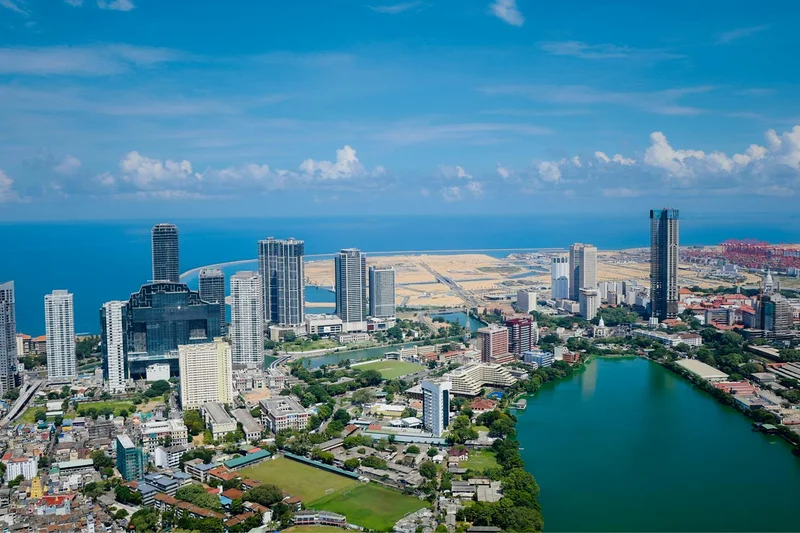
The sound of metal blades rhythmically hitting a flat grill echoes through the alleys at dusk. It is the signature sound of kottu roti in the making, the national dish born on the streets of this very region. Beneath the concrete and the heavy traffic of this Colombo suburb lies a former royal city. The last unified Sinhalese kingdom, ruled by Parakramabahu VI, held court here from 1415 to 1565.
History has a sense of irony, as this medieval capital eventually became the seat of the modern Sri Lankan Parliament five centuries later.
A destination for the curious, not the rushed traveler
Let's be clear: if you only have three days in Sri Lanka, Kotte should not be at the top of your list. The city lacks beaches or temples that can be photographed in thirty minutes. Instead, it speaks to travelers who want to understand the island's lesser-known history, those looking to watch migratory birds just ten minutes from Colombo, or simply the curious who enjoy night markets where locals actually hang out.
Tourist infrastructure remains limited. Most people visit as an add-on to a stay in Colombo, which is only 8 kilometers (about 5 miles) away. The archaeological ruins are scattered, poorly signposted, and occasionally overgrown with vegetation. For those willing to play the role of urban explorer, that is precisely where the charm lies.
A very accessible budget
Expect to spend about 25 to 40 euros (roughly $27 to $43) per day for decent lodging, three meals, and local transport. A plate of kottu roti costs between 300 and 600 rupees (about $1 to $2) depending on the venue. Admission to the Beddegana Wetland Park is almost nominal for locals, though slightly higher for foreigners.
The buried remains of the Kotte Kingdom
The Kotte Raja Maha Viharaya preserves 15th-century frescoes where you can still make out the kings of Kotte alongside the first Portuguese arrivals. This Buddhist temple, founded by Parakramabahu VI himself, remains an active place of worship. Monks are generally willing to show the wall paintings to respectful visitors.
The ruins of the Alakeshwara palace and the Veherakanda stupas bear witness to past grandeur. There is a popular Sri Lankan expression, "parangiya Kotte giya vage," which literally translates to "like the Portuguese went to Kotte." It is used to describe someone taking a roundabout path. History says local guides led the Portuguese through winding roads to make them believe the capital was far from the coast. The sound of Portuguese cannons firing from the port eventually gave away the ruse.
Friendly advice: The Kotte Museum, located in Ethul Kotte, displays artifacts recovered during excavations and helps you visualize the layout of the old city. Start there before heading out to explore the ruins scattered throughout the modern city.
Nature and birdwatching at the gates of Colombo
The Beddegana Wetland Park spans 18 hectares of protected marshland. More than 80 species of birds have been recorded here, including migrants like the Indian Pitta, barn swallows, and various sandpipers. The period from August to April is prime time for migratory arrivals. Wooden walkways snake between lotus ponds and patches of vegetation where cormorants and herons nest.
The park opened in 2016 as part of an urban wetland conservation project. An observation tower allows you to scan the canopy without disturbing the wildlife. Visit early in the morning, between 6 a.m. and 8 a.m., when the birds are most active and the heat is still manageable. Plastic bottles are prohibited at the entrance.
Diyatha Uyana: the recreational lung of Kotte
This park on the shores of Diyawanna Oya lake attracts Sri Lankan families on weekends. About a hundred colorful stalls sell plants, handicrafts, traditional sweets, and street food. On Thursdays, the Good Market offers organic and local products, a rare initiative in the region.
In the evening, the atmosphere shifts. Floating restaurants light up, live music plays on the terraces, and the kottu stalls begin their concert of blades against metal. The park stays open late, until at least 10 p.m., becoming a popular spot for couples and joggers after the sun goes down.
The Parliament, a modern architectural jewel
Designed by Geoffrey Bawa, the most famous Sri Lankan architect, the parliamentary complex was inaugurated in 1982. It stands on an artificial island in the middle of the Diyawanna Oya lake. Access inside is restricted, but the view from the lake shore is enough to appreciate the elegance of this tropical modernist architecture that interacts with light and water.
Where to eat and drink in Sri Jayawardenepura Kotte?
The culinary scene in Kotte revolves around popular Sri Lankan fare. The stalls at Diyatha Uyana offer kottu roti, crispy bowl-shaped hoppers, and string hoppers served with spicy curries. Thuna Paha, located at Waters Edge, offers a more refined version of local cuisine.
For breakfast, look for pol roti, which are coconut flatbreads served with spicy pol sambol. In the evening, do not miss the kottu. The spectacle of the cooks chopping ingredients at high speed is an essential part of the experience. Stalls near the Diyatha park serve until late at night.
Where to stay in Sri Jayawardenepura Kotte and the surrounding area?
The hotel selection in Kotte itself remains modest. The Waters Edge dominates the lake with its panoramic views and fine dining. For tighter budgets, guesthouses and homestays are scattered throughout the residential neighborhoods of Rajagiriya and Battaramulla. Most travelers, however, choose to stay in Colombo and reach Kotte in about fifteen minutes.
How to get to and around Sri Jayawardenepura Kotte?
From Bandaranaike International Airport, expect about an hour of driving and a fare of 3,500 to 5,000 rupees (about $12 to $17) by taxi. Buses 171, 177, 190, and 174 connect Colombo Fort to Kotte and Battaramulla for a few dozen rupees. Once there, the tuk-tuk is the most practical way to get around. Negotiate the fare before you get in or use the PickMe or Uber apps, which are operational in the region.
From the US, flights with layovers in Dubai, Doha, or Singapore serve Colombo. Expect between 18 and 24 hours of travel time depending on your connection.
When to go?
The dry season, from December to March, offers the best conditions. Temperatures hover around 28-32°C (82-90°F) with little rain. The southwest monsoon hits from May to September, making outdoor visits less pleasant. For a cultural immersion, aim for April and the Sinhalese and Tamil New Year, or May for Vesak Poya and its spectacular illuminations.