Visiting Seoul, a metropolis of extremes
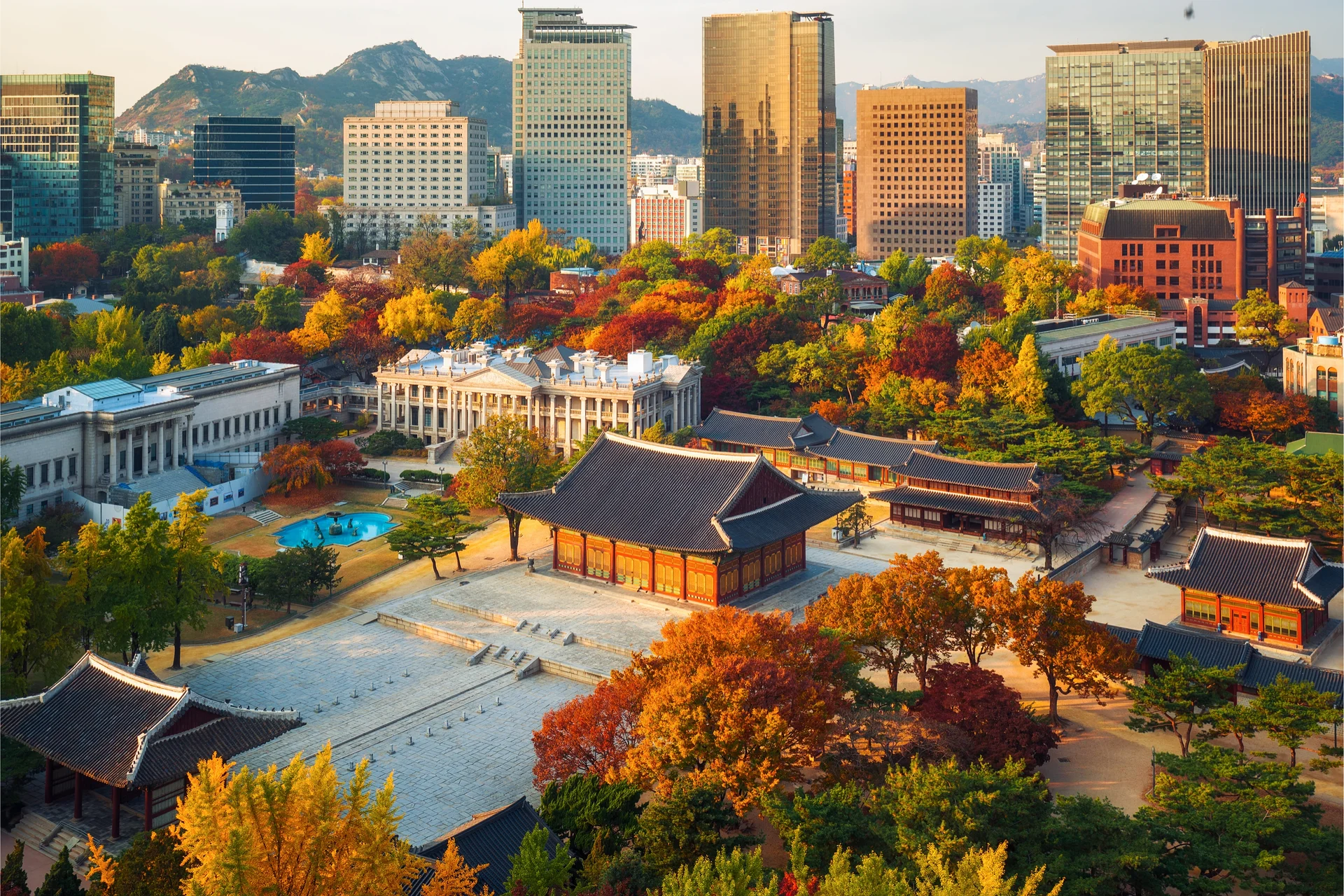
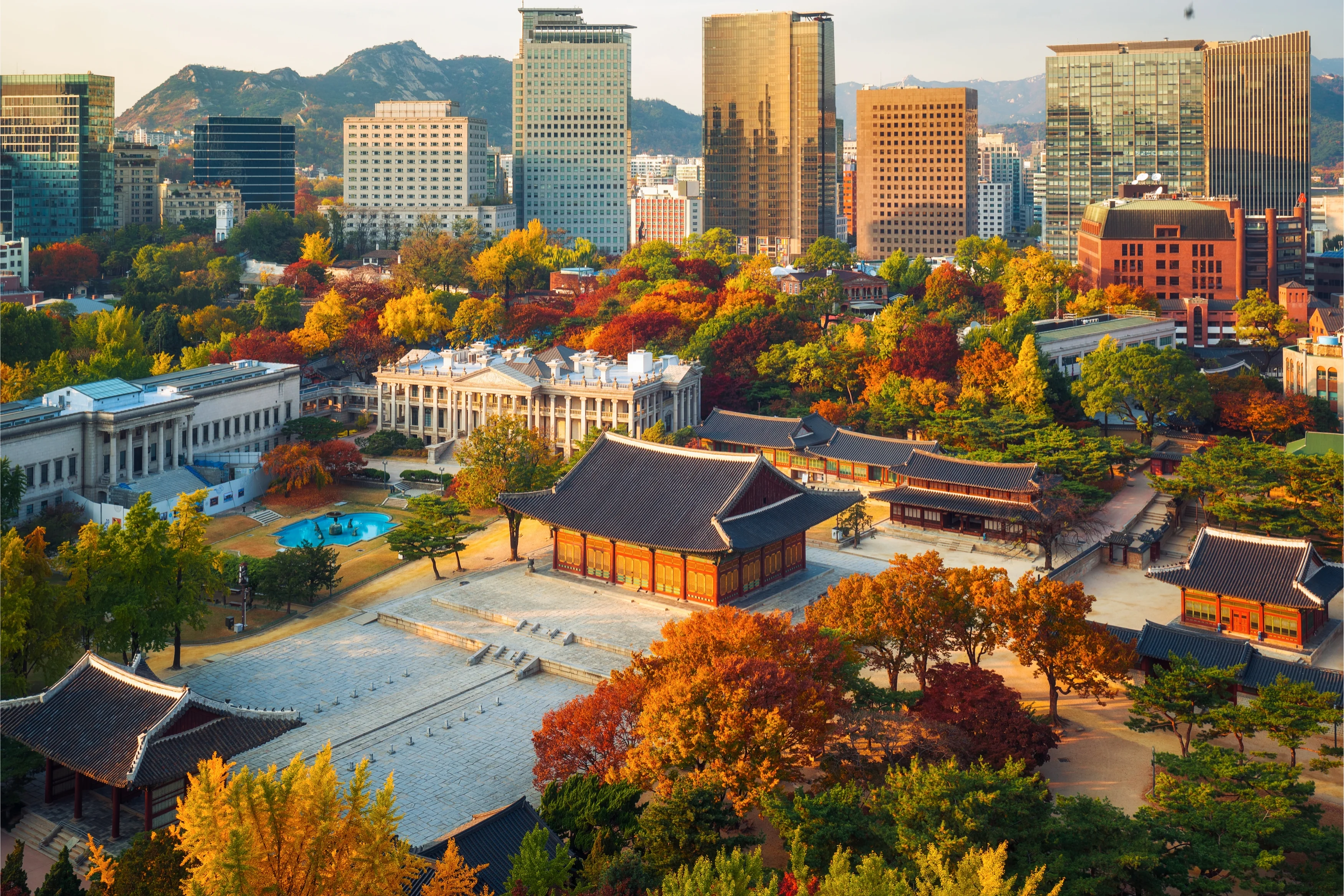
As the high-energy capital of South Korea, Seoul is a place where skyscrapers and royal palaces share the same city blocks. With its distinct neighborhoods, preserved temples, and intense food scene, it offers an urban experience like nowhere else. Whether you are after history, shopping, or outdoor space, Seoul holds its own.
Royal palaces: windows into the past
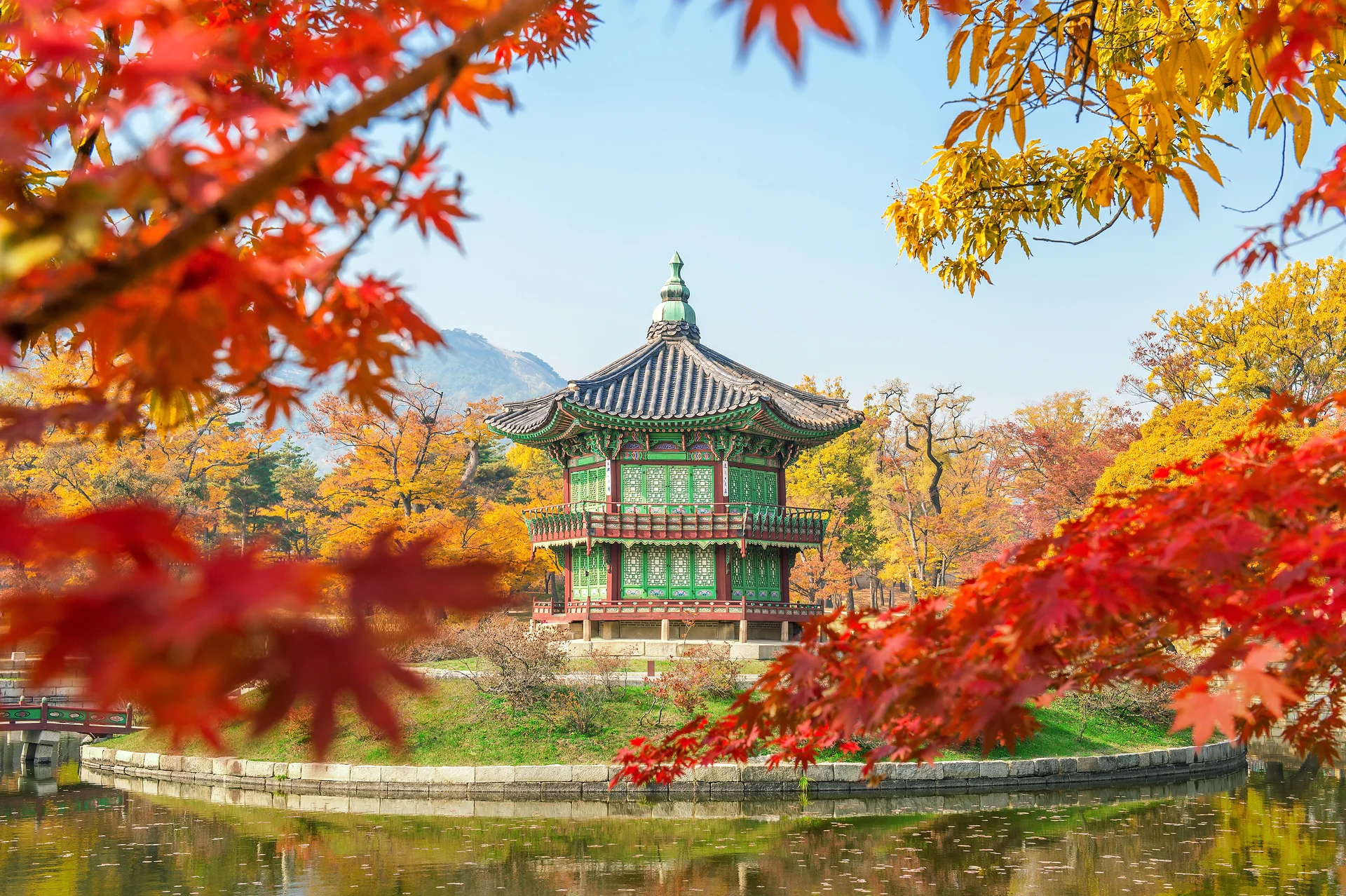
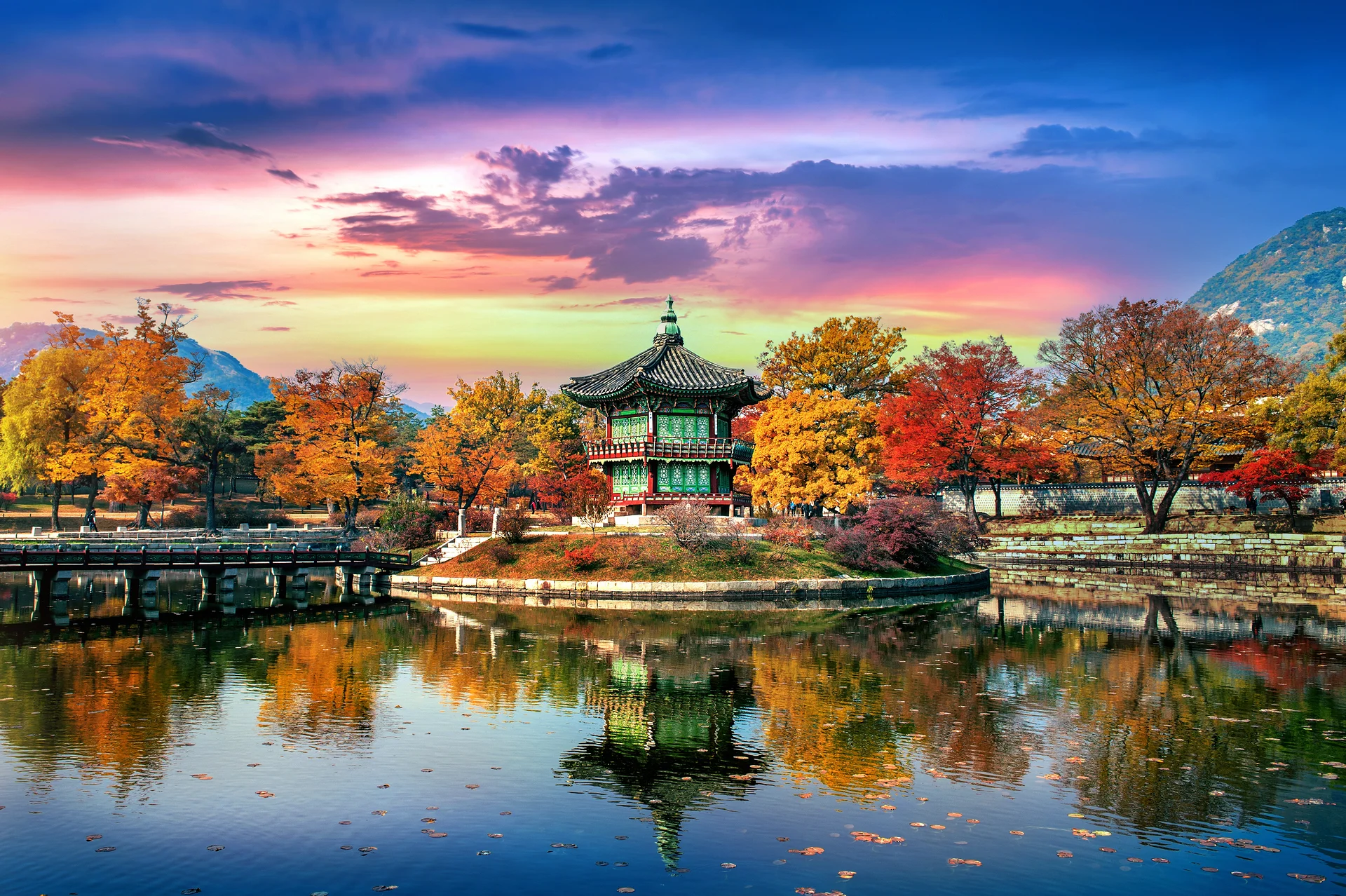
Seoul holds onto its dynastic roots through several historic palaces. The most iconic is Gyeongbokgung Palace, which served as the primary residence for the Joseon dynasty kings. You can watch the traditional changing of the guard ceremony here. Nearby, Changdeokgung Palace and its secret garden feel more intimate and lush. For something less crowded, Deoksugung Palace offers an interesting mix of traditional Korean and Western-influenced architecture.
Seoul's neighborhood personality
Every corner of Seoul has a different vibe. Insadong acts as the traditional cultural hub, filled with art galleries and tea houses. In contrast, Hongdae is the local hangout for students and creatives, known for quirky cafes and street performances. If you are looking for neon lights, shopping, and high-end concept stores, head to Myeongdong or Gangnam.
Nature in the city
Even with its dense urban layout, Seoul has plenty of green space. A hike to the top of Namsan Mountain gives you a panoramic view of the skyline. Bukhansan Park is reachable by subway and remains a favorite spot for local hikers. For a more relaxed pace, the banks of the Han River are perfect for cycling or just walking along the water.
Culture and high-tech life
Seoul balances its history with tech-forward innovation. The Bukchon Hanok Village drops you right into the atmosphere of old Seoul. On the modern side, the Dongdaemun Design Plaza shows off the city's futuristic side with its avant-garde architecture.
Pop culture fans should check out the COEX Starfield Library, a massive, photogenic library inside a shopping mall, or Digital Media City, where many Korean dramas are filmed.
Bold and spicy flavors
Seoul's food scene is known for intense spice and communal dining. Bibimbap, a bowl of rice topped with vegetables, meat, and an egg, is a staple. If you like grilled meats, samgyeopsal (pork belly) is the go-to order.
For street food, markets like Gwangjang are packed with options like tteokbokki, which are spicy rice cakes, or hotteok, sweet pancakes filled with brown sugar and nuts.
Where to eat?
- Gwangjang Market (Jongno), An authentic market perfect for grabbing quick, traditional bites.
- Tosokchon (Jongno), Famous for samgyetang, a ginseng chicken soup.
- Mapo Jeong Daepo (Mapo), A classic spot for Korean barbecue.
- Mingles (Gangnam), A Michelin-starred restaurant that fuses Korean techniques with contemporary fine dining.
Where to stay?
- Signiel Seoul (Songpa), A luxury hotel with views from the Lotte World Tower.
- Ryse Hotel (Hongdae), A trendy boutique hotel popular with younger travelers and the creative crowd.
- Orakai Insadong Suites (Insadong), An apartment-style hotel that works well for longer stays in the historic center.
- Bunk Guesthouse (Hongdae), A social, friendly hostel that is great for tighter budgets.
When to go?
Spring and autumn are the best times to visit. The weather is comfortable, and the city looks great with cherry blossoms in April or fall foliage in October. Summers can get hot and humid, while winters are freezing, though you do get the chance to see the city covered in snow and enjoy ice festivals.
How to get there?
Flights from the US to Seoul are long-haul, typically ranging from 12 to 15 hours. A round-trip ticket usually runs between KRW 800,000 and 1,600,000 (about $600 to $1,200) depending on the season. Incheon International Airport is well-connected to the city center by express train and bus.
Getting around
The Seoul subway system is one of the most efficient and modern in the world, covering the entire city. Taxis are relatively inexpensive, but it is smart to have your destination written in Korean to avoid any confusion. A T-money card makes it easy to tap in and out of all public transit.