Visiting South Korea: Ancient Traditions, Cutting-Edge Present

South Korea sits at the eastern tip of the Asian continent, and it packs an enormous amount into a relatively compact country. You get centuries-old palaces a short subway ride from glass-and-steel skyscrapers, volcanic islands, serious mountain hiking, and one of the most exciting food scenes in Asia. Here's what to know before you book.
History and Culture Worth Slowing Down For
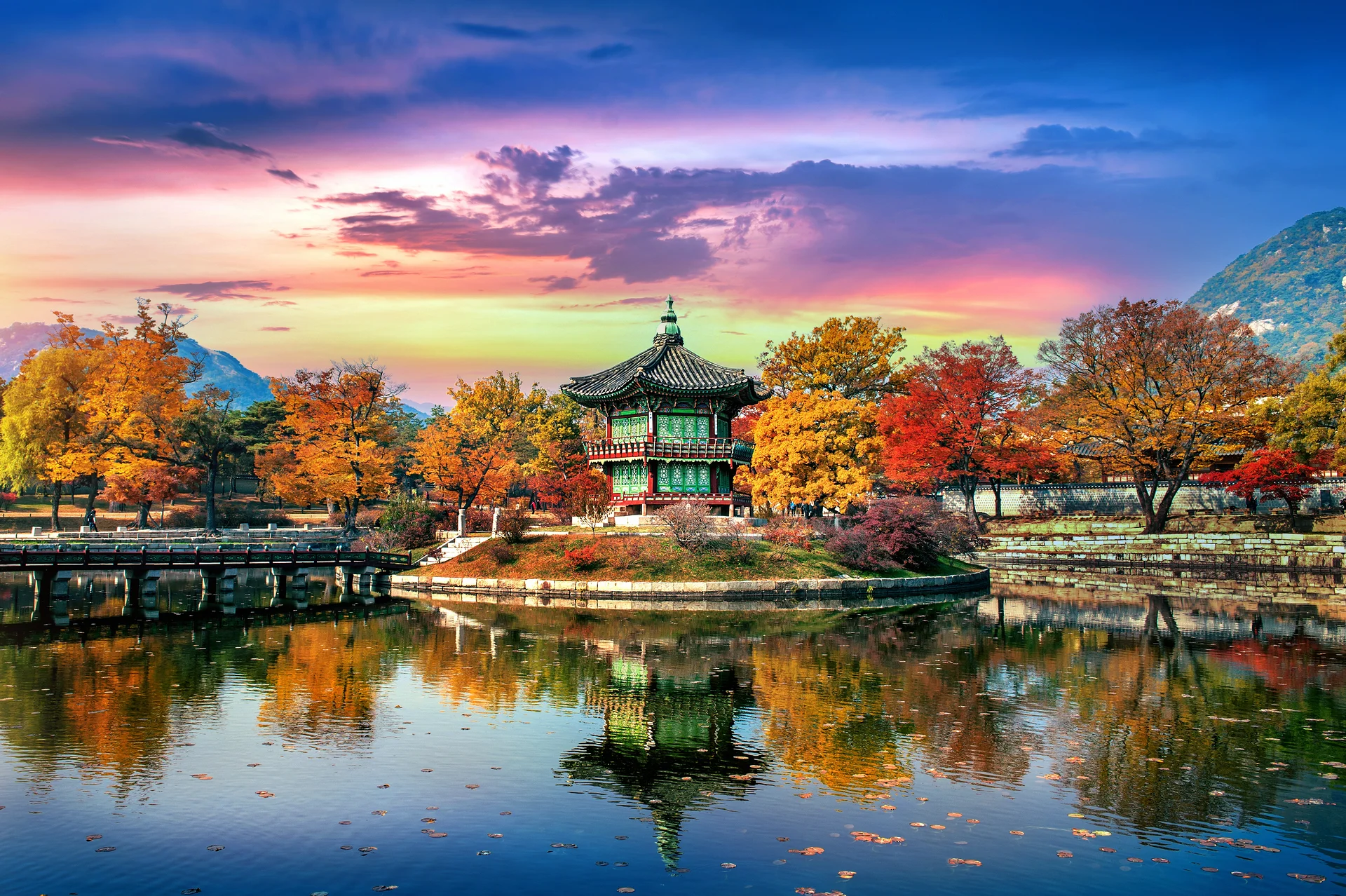
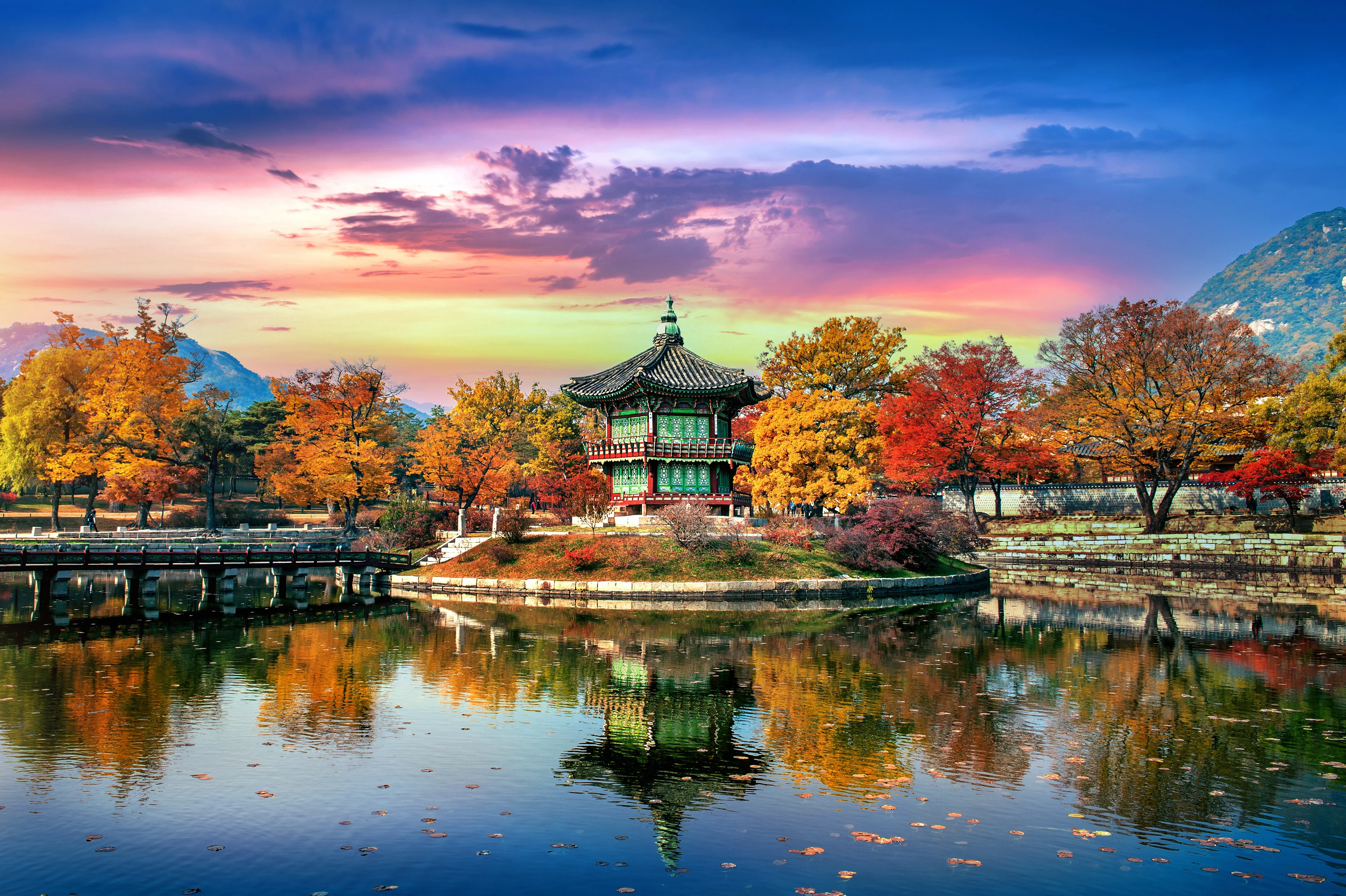
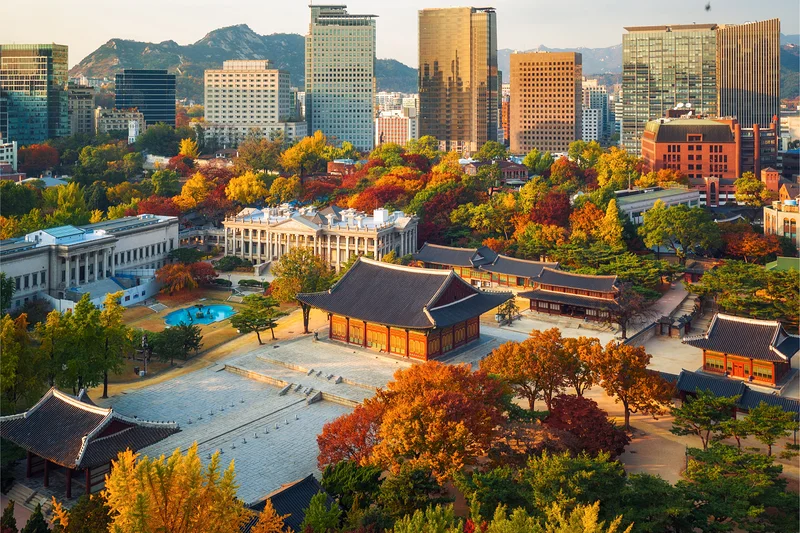
Seoul is home to five major royal palaces, and Gyeongbokgung is the one to start with. Built during the Joseon Dynasty, it's the largest and most restored, and on most days you can catch historical reenactments in full period costume at the gates. It's a lot more engaging than it sounds.

About three hours south of Seoul by train, Gyeongju earns its nickname as "the museum without walls." This was the capital of the Silla Dynasty for nearly a thousand years, and UNESCO World Heritage sites are practically around every corner: Bulguksa Temple, the ancient stone observatory Cheomseongdae, and grassy royal burial mounds that dot the city center. It's the kind of place that makes history feel genuinely present.
Getting Outside: Parks, Peaks, and Islands

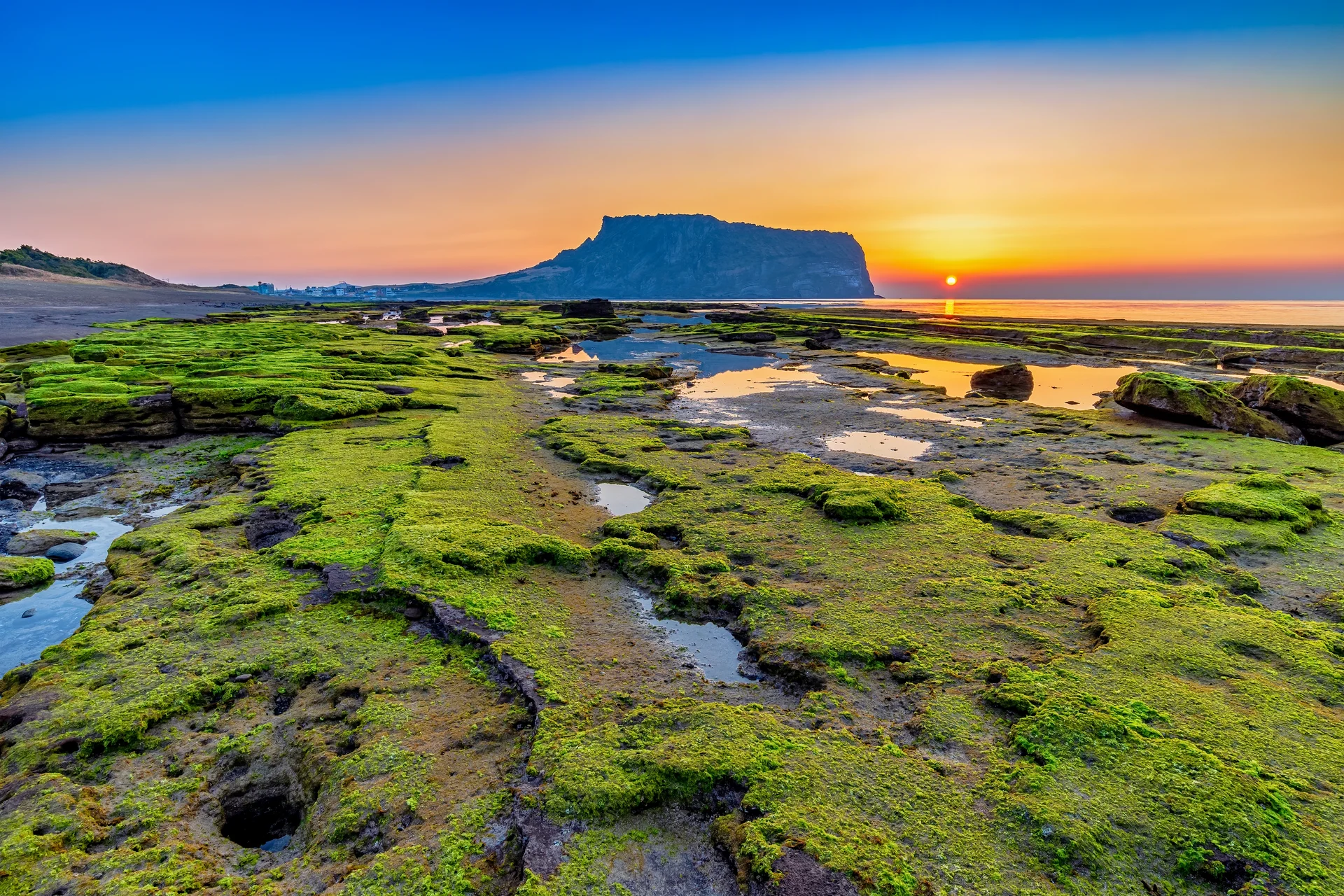
Off the southern coast, Jeju Island draws comparisons to Hawaii for good reason: volcanic craters, lava tube caves, black sand beaches, and serious hiking on Mount Hallasan, the highest peak in South Korea. It's a popular domestic destination and gets crowded, but the natural scenery holds up.
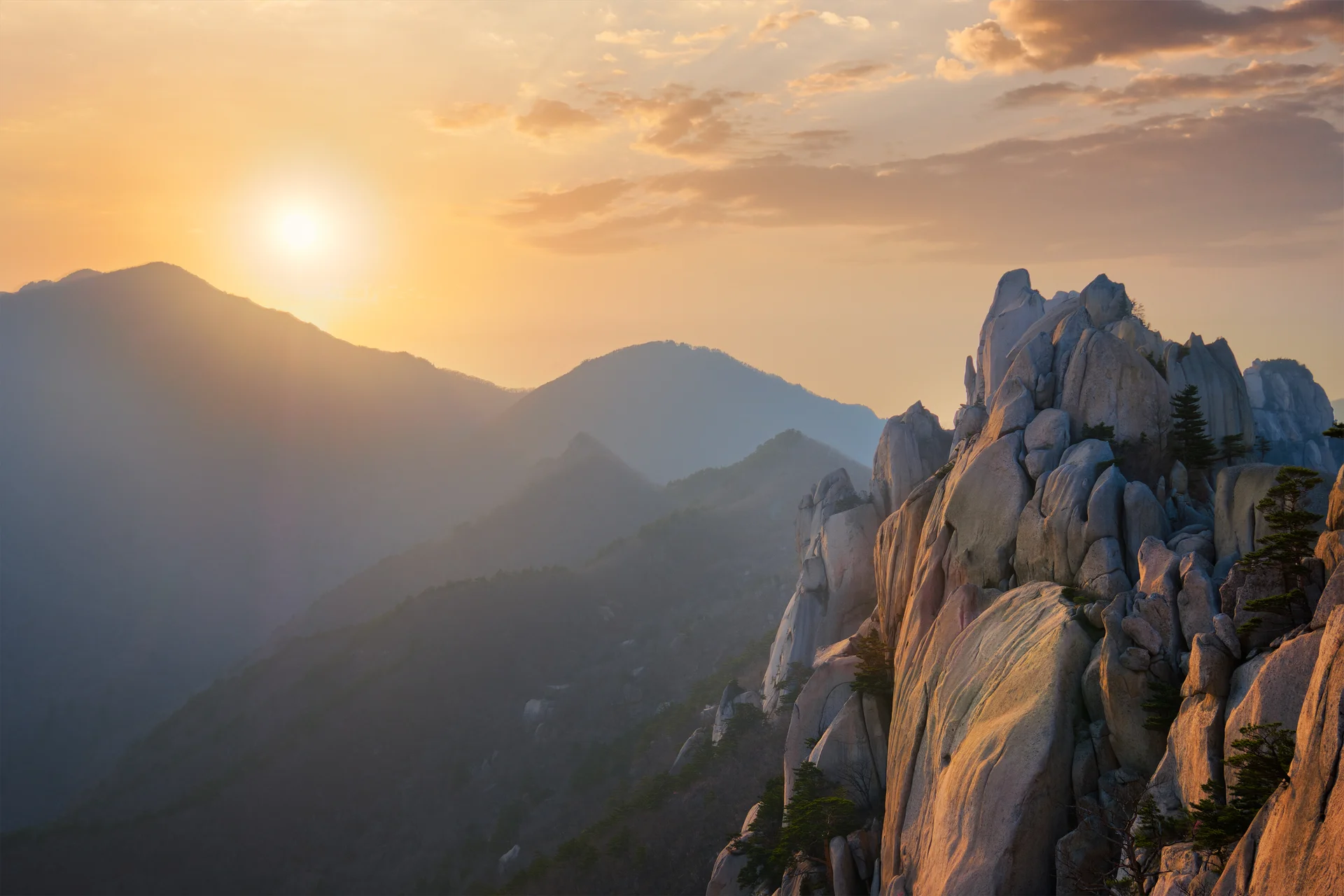
In the northeast, Seoraksan National Park is the go-to for hikers. The granite peaks, dense forest, and mountain temples make it worth the trip any time of year, but fall is when it really delivers, with the hillsides turning deep red and gold. On the east coast near Gangneung, you'll also find clean, uncrowded beaches that offer a genuine break from city pace.

The Food Scene: Genuinely One of the Best in Asia
Korean food has broken through in the US, but eating it in Korea is a different experience entirely. Bibimbap (rice with vegetables and meat, mixed with chili paste) and kimchi (fermented spicy cabbage, served as a side with almost everything) are everywhere. Korean barbecue, where you grill meat at the table, is the kind of communal meal that turns into a two-hour hang. Street markets like Gwangjang Market in Seoul let you eat your way through a dozen dishes without spending much, think 3,000-8,000 KRW (roughly $2-6) per snack.
If you want to push further, try sannakji (live octopus, eaten immediately after cutting), or samgyetang, a whole young chicken stuffed with ginseng and rice and simmered into a restorative broth. Both are worth trying at least once.
Seoul, Busan, and Modern Korean Culture
Seoul functions at a pace and tech level that will surprise most American visitors. Neighborhoods like Hongdae (young, art-school energy, great nightlife) and Gangnam (upscale, polished, the neighborhood that song is actually about) show very different sides of the city. Busan, South Korea's second city, trades Seoul's intensity for beaches, seafood, and a port-city atmosphere. The Gamcheon Culture Village there, a hillside neighborhood of painted houses sometimes called the "Korean Santorini," is a genuine visual highlight.
K-pop and Korean dramas have built a massive global following, and in Seoul you can go well beyond the music itself: dedicated museums and exhibitions dig into the production, history, and cultural impact of the Korean Wave. Even if you're not a fan going in, it's a fascinating look at how a country built a cultural export from scratch.
When to Go
Spring (April through June) and fall (September through November) are the sweet spots.
Spring brings mild, dry weather and the cherry blossom season, which is celebrated nationwide and genuinely spectacular, especially in Seoul's parks and along the streets of Gyeongju. Fall delivers comfortable temperatures and the kind of foliage color that rivals New England, particularly in the national parks. Seoraksan in October is hard to beat.
Getting There
Almost everyone flies into Incheon International Airport, just outside Seoul, one of the best-connected and most efficient airports in Asia. From the US West Coast, nonstop flights run roughly 11-12 hours; from the East Coast, expect 14-15 hours nonstop or a connection. Round-trip fares from major US hubs typically run $700-1,400 USD depending on the season and how far in advance you book. Connecting flights through hubs like Tokyo or Hong Kong can bring the price down but add significant travel time.