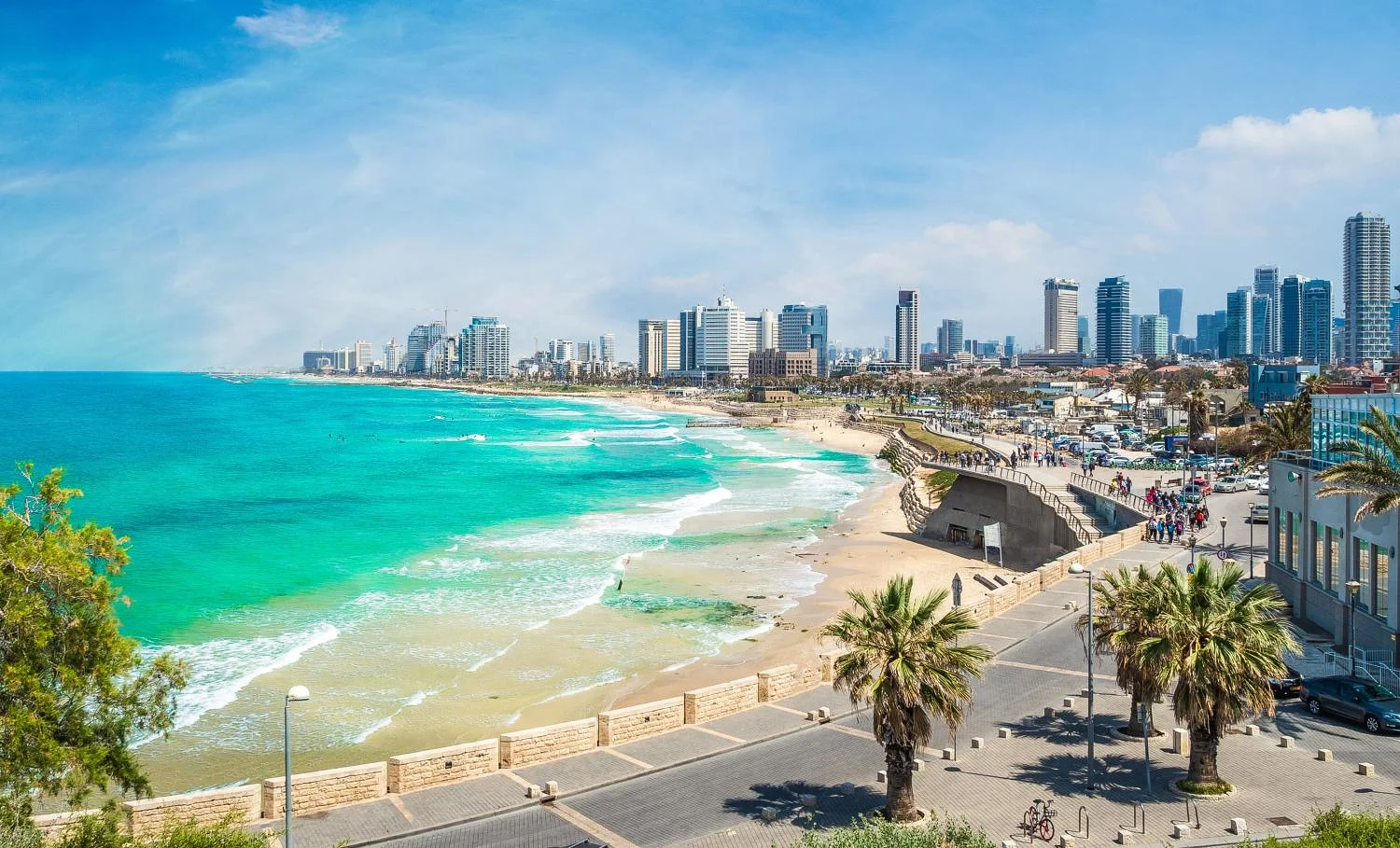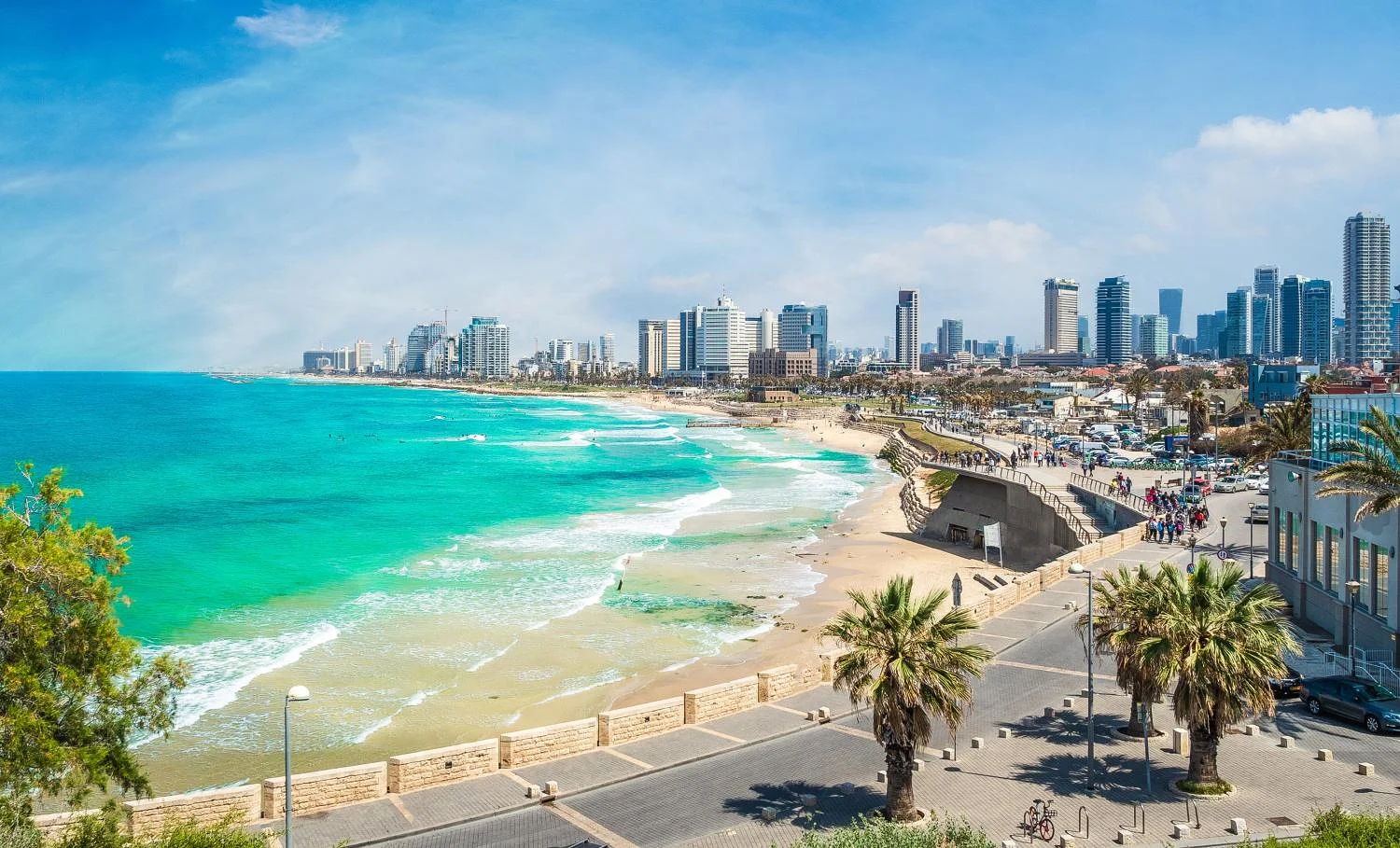
Tel Aviv, the city that refuses to sleep
It is 11 p.m. on a Tuesday, and Rothschild Boulevard is still buzzing under crowded sidewalk cafes. A few blocks away, in the Florentin neighborhood, a group is staging an impromptu concert under a graffiti-covered archway. In Tel Aviv, the concept of a quiet evening seems to have been scrubbed from the local vocabulary.
Founded in 1909 on the dunes north of Jaffa, this Mediterranean metropolis was built with a restless energy, stacking eras the way you pile layers of hummus on a plate.
A destination built for urban hedonists
If you are looking for a city where spirituality and quiet contemplation go hand in hand, you might be confusing this place with Jerusalem. Tel Aviv is the polar opposite of its neighbor. Here, cafes serve cappuccinos on Saturdays, beaches host parties until dawn, and the LGBTQ+ community lives openly in a way that is unique for the Middle East. The city suits travelers who want to combine beach time, serious food, modern architecture, and a high-octane nightlife.
You may be disappointed if you are expecting ancient monuments or a quaint, exotic atmosphere. Tel Aviv is unapologetically modern, occasionally loud, and often chaotic. Travelers seeking peace and quiet will likely find the city exhausting and expensive.
Shabbat and budgeting
From Friday afternoon until Saturday evening, public transportation shuts down and many businesses close. Bars and restaurants remain lively, but you will need to plan your transit accordingly. Regarding your budget, expect to spend 300 to 380 ILS (about $80-100) per day as a thrifty traveler, with hostel dorms running 115 to 190 ILS (about $30-50) and street food meals costing 40 to 60 ILS (about $10-15). For a mid-range experience, aim for 680 to 950 ILS (about $180-250) per day.
The White City and its contrasting neighborhoods
The city center, known as Lev Ha'ir, is home to the famous UNESCO-listed Bauhaus architecture. More than 4,000 white buildings with rounded balconies were built in the 1930s by Jewish architects fleeing Nazi Germany. The Bauhaus Center offers guided tours every Friday and Sunday. Rothschild Boulevard, the first official street of Tel Aviv, houses the building where David Ben-Gurion proclaimed the independence of Israel.
To the south, Florentin embodies the local counter-culture. This former industrial sector has been reclaimed by artists, and its walls are covered in murals signed by street artists like Know Hope. The Levinsky Market, which feels more authentic than the Carmel market, overflows with spices and Turkish pastries.
Local tip: Explore the Bauhaus district on foot early in the morning, when the low-angle light highlights the relief of the white facades.
Neve Tzedek and Jaffa: The city's roots
Neve Tzedek was the first Jewish neighborhood built outside the walls of Jaffa in 1887. Its cobblestone alleys lined with low, pastel-colored houses feel more like a Provençal village than a Middle Eastern metropolis. Designer boutiques and art galleries line Shabazi Street, and the Suzanne Dellal Center hosts the best contemporary dance performances in the country.
Further south, Old Jaffa dives into four millennia of history. This ancient port, one of the oldest in the world, mixes Ottoman-era alleyways, artist galleries, and flea markets. The Clock Tower marks the entrance to the district. The Shuk Hapishpeshim is packed with antiques and vintage vinyl. Fourteen kilometers of beach border the city, from family-friendly Gordon Beach to gay-friendly Hilton Beach and the more laid-back Banana Beach.
Local tip: The Tayelet boardwalk connects all the beaches over an eight-kilometer stretch. It is perfect at sunset, when the joggers give way to evening strollers.
Where to eat and drink in Tel Aviv?
The cuisine fuses influences from every Jewish diaspora with local Arab flavors. You can find shakshuka at Shlomo and Doron, a family institution since 1937. Hummus reaches its peak at Abu Hassan in Jaffa or Mashawasha near Bograshov Street. The falafel at HaKosem is easily among the best in the country.
For street food, the sabich rivals the falafel: fried eggplant, hard-boiled egg, and tahini stuffed into a pita. Sabich Frishman serves the definitive version. For dessert, malabi and knafeh are the perfect way to wrap up a meal.
Where to stay in Tel Aviv?
Neve Tzedek offers charm and a central location, but prices are high. Florentin features affordable hostels like Florentin House. The center around Rothschild is where you will find most mid-range hotels. For tight budgets, the area around the Levinsky Market offers the best rates.
Getting there and getting around
Ben Gurion Airport is located 20 kilometers away. The train connects the airport to the center in 15 minutes for 15 ILS (about $4). From the US, flights are typically long-haul, though direct options exist from major hubs. The Red Line light rail, inaugurated in 2023, cuts across the city. Apps like Gett and Yango operate like Uber, and the Tel-O-Fun system has 200 bike stations.
Local tip: Travelers should check current visa requirements and electronic travel authorizations through official government portals well before departure.
When to go?
The best times to visit are from April to May and September to November, with temperatures between 68 and 82°F (20-28°C). Summertime often climbs above 90°F (32°C), though it is manageable thanks to the sea breeze. Winter remains mild but rainy. The period during Jewish holidays in September and October sees prices spike.