
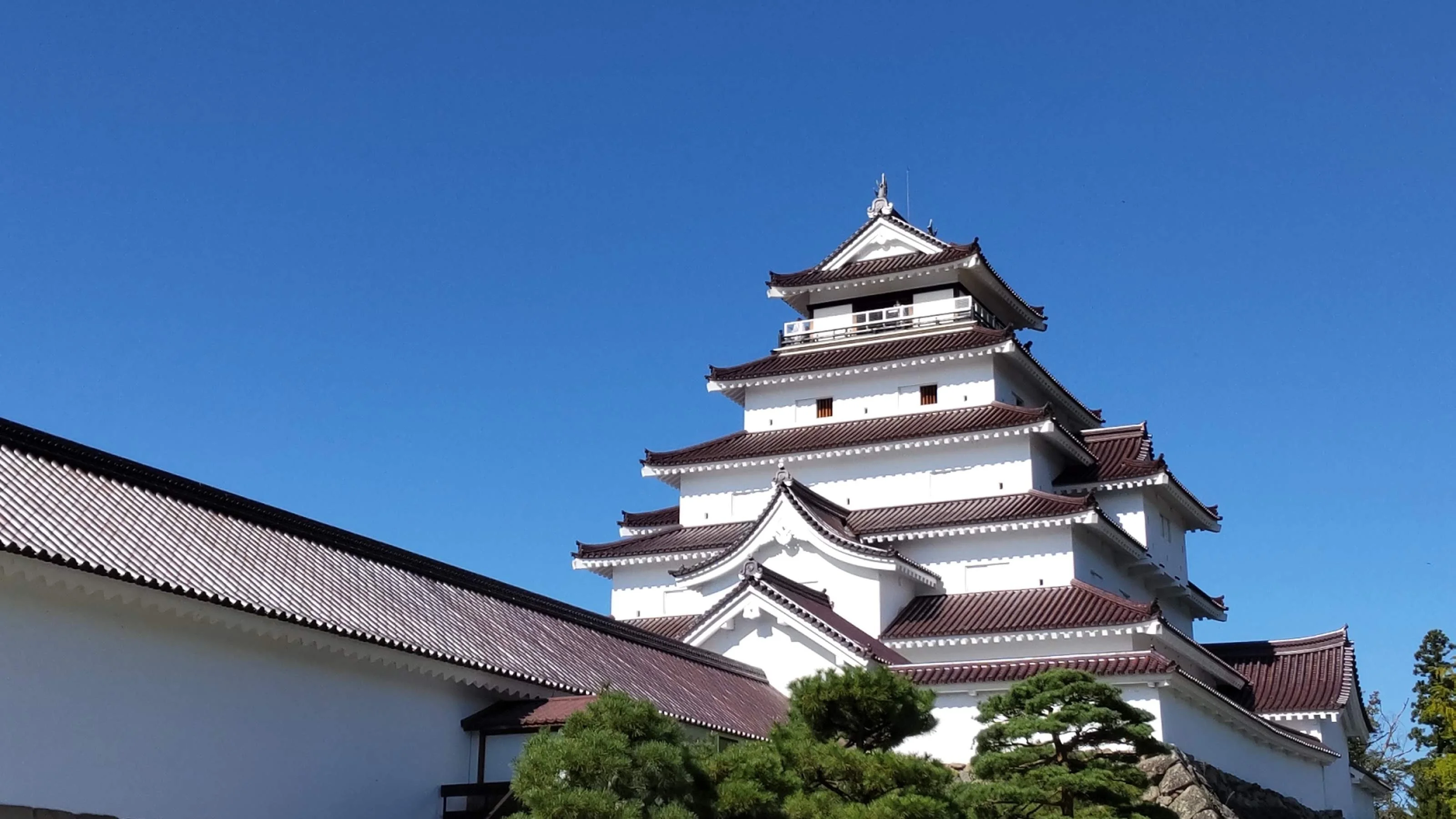
Where to stay in Aizuwakamatsu: the best neighbourhoods (2026)
In Aizuwakamatsu, picking a place to stay is more about choosing a package deal than just an address. Up in the Higashiyama Onsen hot spring valley, located 3 kilometers from the castle, you pay per person for the night, which includes your hot spring bath and dinner, with dinner served at a set time chosen by the inn. Down in the city proper, you simply rent a room by the room rate and grab dinner wherever you want. The 22 properties in the valley and the 19 in the city operate on completely different terms.
None of them display their rates upfront. The three properties highlighted for this guide, including one station hotel and two hot spring inns, leave pricing entirely to their online booking systems. Consequently, this guide avoids guessing a price range and sticks to verified local costs: admission to the keep of Tsurugajo Castle is 410 JPY, a combo ticket covering the tea house and lord's garden runs 730 JPY, and parking costs 200 JPY for the first hour.
Compare hotel prices in Aizuwakamatsu
In a hurry? Find the best accommodation deals in 3 clicks.
Compare live deals from Booking, Expedia, Agoda and other partners.
At a glance: our picks by traveller type
Pick the profile that suits you to head straight to the recommended neighbourhood.
The neighbourhood map in Aizuwakamatsu
Get your bearings on the neighbourhoods and must-see sights before choosing where to drop your bags. Click a name to jump to its description.
Higashiyama Onsen, the hot spring valley Yugawa Valley, 3 kilometres from the castle
the bath and dinner served, rather than the room alone
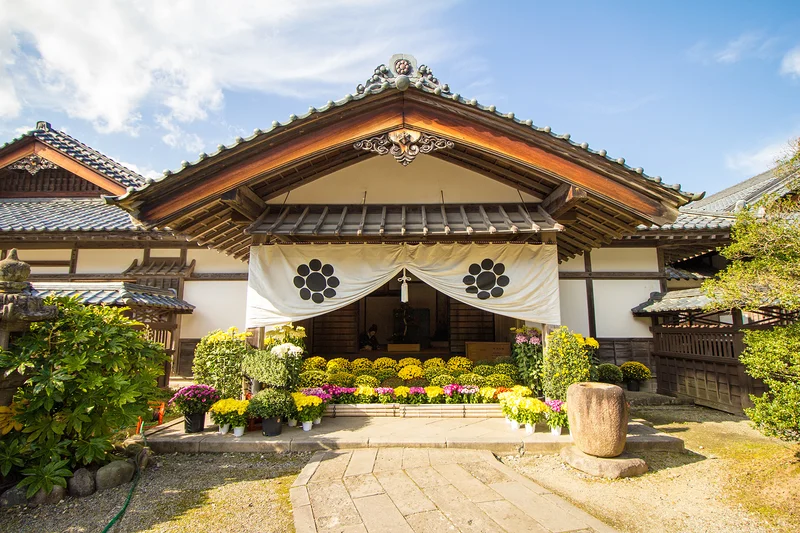
A narrow valley, a river, and 22 inns lined up over 1 kilometre: no other neighborhood in the city packs in as many places to stay, sitting 3 kilometres from the castle and 4,4 kilometres from the station. Four properties carry the word "waterfall" in their names, Takinoyu, Shintaki, Harataki, and Chiyotaki, because they settled right along the same rushing stream. People come here for the thermal bath and the set-time dinner, not to be close to museums. The Aizu Bukeyashiki samurai residence is actually closer to this area than to the keep: 1 kilometre compared to 2.1.
What to see & do in the area
Where to stay in this area
Mukaitaki Luxury
A timber inn perched right on the riverbank, deep in the hot spring hamlet. It sits in the original core of the settlement, where the buildings hug the steep slope.
Shosuke-no-Yado Takinoyu Luxury
A large bathhouse at the upper entrance of the valley. Its full name was restored thanks to Wikidata: maps often shorten it to "Takinoyu", which is not enough to find it.
Kutsurogi-juku Shintaki Mid-range
One of two inns in the valley run by the same owner, alongside Chiyotaki. Their shared website lets guests hop between the two baths, which doubles the number of soaking pools available during a stay.
Kutsurogi-juku Chiyotaki Mid-range
The second inn by this operator, 200 metres further up than the first. Its front desk is staffed from 9 am to 8 pm, and after hours the property handles emergencies only.
Harataki Mid-range
An inn down in the valley, right on the riverbank. It also runs a footbath open to the river, separate from the lodging.
Onyado Toho Mid-range
The highest house on the slope, 2.6 kilometres from the castle, making it the closest to town among the valley inns. Its elevated position gives it a view the bottom houses miss.
Pros
- The thermal bath and dinner served without leaving the inn
- The samurai residence is 1 kilometre away, closer than it is to the keep
Cons
- 4,4 kilometres to the station, and 3 to the castle
- Dinner and breakfast are served at set times
The center, from the castle to Nanokamachi Street Between the keep and the shopping street
all four sights on foot, without checking a schedule
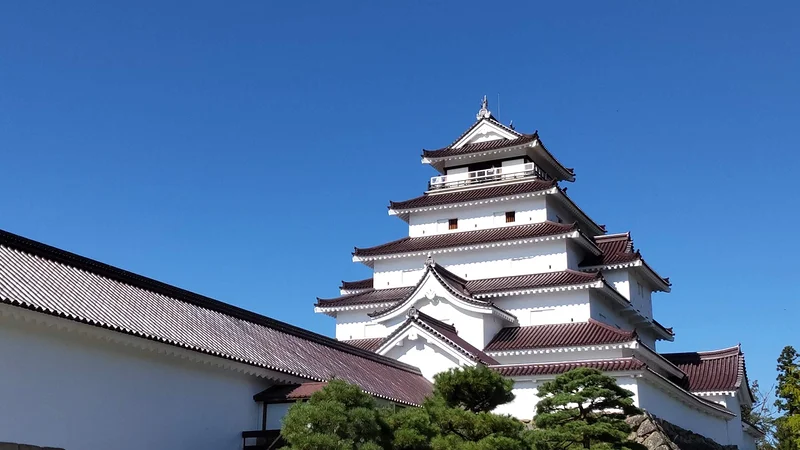
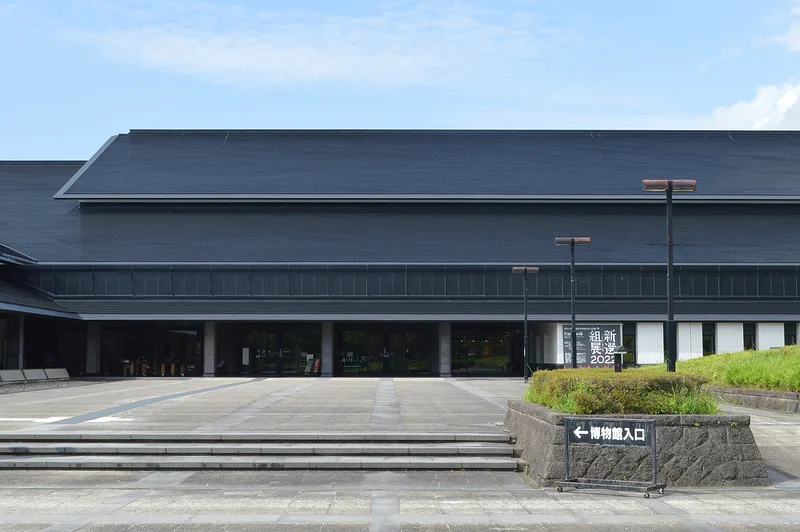
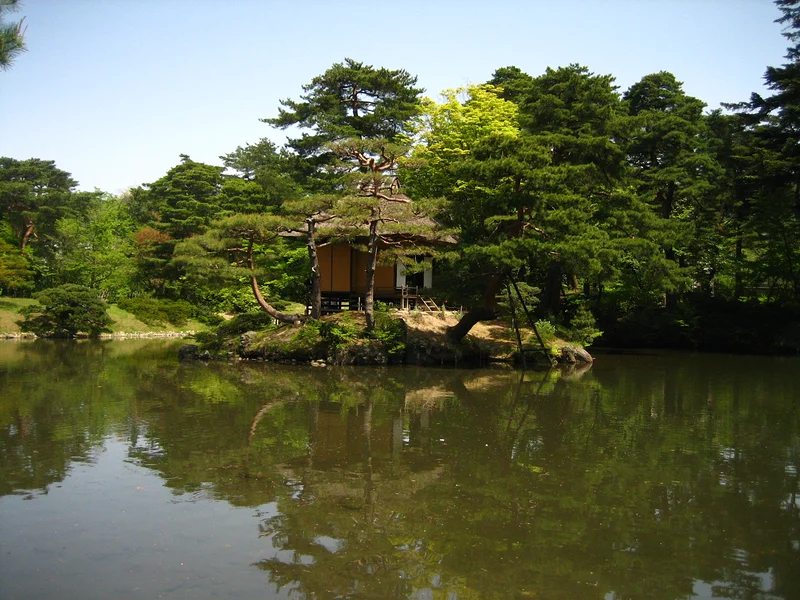
The four sights visited by our members all sit in this area: Tsurugajo Castle, the Fukushima Museum 450 metres away, the Oyakuen Garden of the Matsudaira lords 1.3 kilometres out, and the samurai residence further east. Twelve lodgings spread between the keep and Nanokamachi Street, all between 800 metres and 1.3 kilometres from the moats. The keep opens from 8:30 AM to 5 PM every single day of the year, removing the scheduling headaches typical of most historic castle towns.
Aizuwakamatsu is deeply rooted in history. This was the final stand where loyalists to the shogunate and defenders of the old ways fought the new imperial government. It is an easy city to explore, anchored by a striking castle. You can pick up a day bus pass at the station, which makes hopping between sights straightforward.
What to see & do in the area
Where to stay in this area
Nakamachi Fuji Grand Hotel Mid-range
A hotel in the Nakamachi shopping district, 900 metres from the castle. The owner runs a second house in front of the station, with a separate contact address for each.
Aizu Tsuruya Hotel Mid-range
A spot 900 metres from the keep, tucked into the streets running between the castle and the shopping street. Everything here is walkable from the front door.
City Hotel Ishibashi Budget
A straightforward hotel 1,1 kilometres from the castle and 1,3 kilometres from the station, hitting the sweet spot right between the two.
Hotel Takakoh Budget
A property catering equally to business travelers and tourists, located 800 metres from the keep. It runs its own website, which sets it apart from most places in the neighborhood.
Century Hotel Aizu-Wakamatsu Mid-range
A hotel 1,1 kilometres from the castle on the eastern side of downtown, sitting closer to the Oyakuen garden than any of the other four.
Pros
- The 4 sights visited by our members in the same perimeter
- The keep open every day with no closing days
Cons
- 2.3 kilometres to cover from the station upon arrival
- No hot spring baths: that is what the valley brings and not this sector
Right in front of Aizu-Wakamatsu station 200 to 400 metres from the platform
rolling a suitcase in for a late arrival or an early departure
Seven places to stay sit within 400 metres of the station, including one with "eki-mae" (station front) right in the name. This pocket is strictly about train schedules rather than charm. The castle is 2,3 kilometres away, meaning a bus ride or a 30-minute walk. Community member FloraC points out the day pass sold at the station, which pays off immediately if you stay here since the lines to the keep, the samurai residence, and the hot spring valley all start right outside.
Where to stay in this area
Toyoko Inn Aizu-Wakamatsu Ekimae Budget
The closest spot to the platform, just 200 metres away. It follows the standard business hotel format featuring a compact room, simple breakfast, and a late-night front desk.
Aizuwakamatsu Washington Hotel Mid-range
A chain hotel sitting 400 metres from the station on the east side of the plaza. It stands slightly apart from the tight cluster of four neighboring addresses.
Ekimae Fuji Grand Hotel Budget
The station lodge run by the same operator as the Nakamachi property, located 200 metres from the platform. Each of the two has its own contact info, so make sure to check the right one.
Hotel Alpha-1 Aizuwakamatsu Budget
A straightforward hotel 200 metres from the station, sitting right next to the previous one. This corner of the plaza alone concentrates four of the seven addresses in the area.
Pros
- 200 metres to the platform with your bags
- Grab the day pass right at the station
Cons
- 2,3 kilometres to the castle by bus or on foot
- A standard station neighborhood missing the historic downtown scenery
Our tips for booking the right place
- The bus pass, bought at the station: FloraC notes this in her review of the city, and nothing weighs more heavily when picking a neighborhood: a day bus pass is sold right at the station and lets you link the sites together smoothly. The details matter because the four key sights are not clustered together. The keep and the Fukushima museum are neighbors, but the Oyakuen garden sits 1.3 kilometres further away, and the samurai residence is 2.1 kilometres to the east on the road toward the hot spring valley. Without that pass, your day breaks up into individual fares paid ride by ride.
- Ticket prices, and what the combo ticket changes: Admission to the castle keep costs 410 yens for an adult and 150 yens for a child. The ticket that adds the Rinkaku tea house goes up to 520 yens. The one covering all three spots on the grounds, which includes the keep, the tea house, and the Oyakuen garden, costs 730 yens. It pays off the moment the garden is on your itinerary, and FloraC recommends checking it out for the tea pavilion where you can sip matcha. As for parking, the three castle lots charge fees starting at 200 yens for the first hour and 100 yens for each additional hour.
- Booking a hot spring inn, which is a different experience than a standard hotel: In the Higashiyama valley, nightly rates are charged per person rather than per room. Two meals are almost always included, dinner and breakfast, served at set times determined by the inn. This leads to two practical consequences. For a couple, the listed rate doubles instead of being split, which completely changes how it compares to a city hotel. Late arrivals also cause complications where they would not in the city. The front desk at Chiyotaki, for instance, operates from 9 AM to 8 PM and only handles emergencies after that. Let the inn know if your train gets in later.
- A warning about the samurai residence: The Aizu Bukeyashiki samurai residence recreates the lifestyle of a prominent domain family using costumed mannequins. FloraC points out that one of the rooms depicts the ritual suicide of the family's women and young girls during the 1868 battle. It features no blood, but a heavy realism that she describes as intense. She advises sensitive visitors to skip that particular room. It is only one part of the tour while the rest remains peaceful, but it is worth knowing before you bring children along.
- Booking in the hot spring valley while planning to walk to the castle. Higashiyama Onsen sits 3 kilometres from the keep and 4.4 kilometres from the station along a valley road. Plan on taking a bus or taxi, and keep in mind that the scheduled dinner time dictates when you need to head back.
- Comparing a hot spring rate directly to a city hotel rate without looking at what each price includes. The first applies to a single person and includes two meals, while the second covers a room and includes none. For two travelers, the price comparison flips entirely.
- Check for posted rates before booking. The three lodgings open for this guide, one station hotel and two valley inns, leave pricing entirely to their online booking systems. It is standard practice here, not an oversight.
- Mix up the two properties run by the same operator near the station and in Nakamachi. They share a nearly identical name, sit 1.5 kilometers apart from one another, and each maintains a separate contact address.
FAQ: where to stay in Aizuwakamatsu
Should you sleep downtown or in the hot spring valley?
How much does a night cost in Aizuwakamatsu?
Does the castle close on certain days?
Do you need a car to visit the city?
Which neighborhood should you pick for a late arrival?
What to see in Aizuwakamatsu outside of the castle?
 Keep exploring
Discover everything in Aizuwakamatsu
Keep exploring
Discover everything in Aizuwakamatsu
Comments (0)
No comments yet. Be the first!