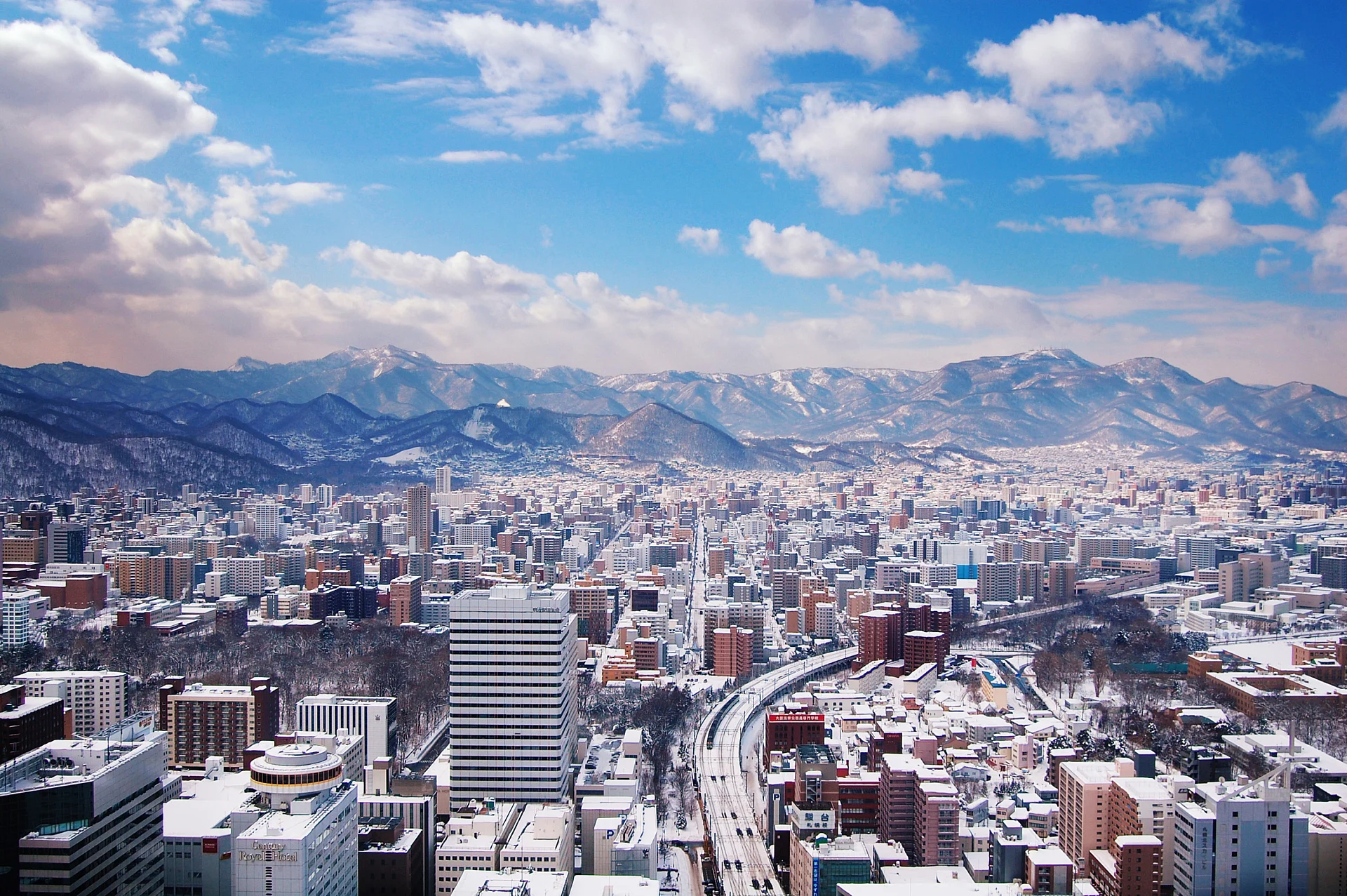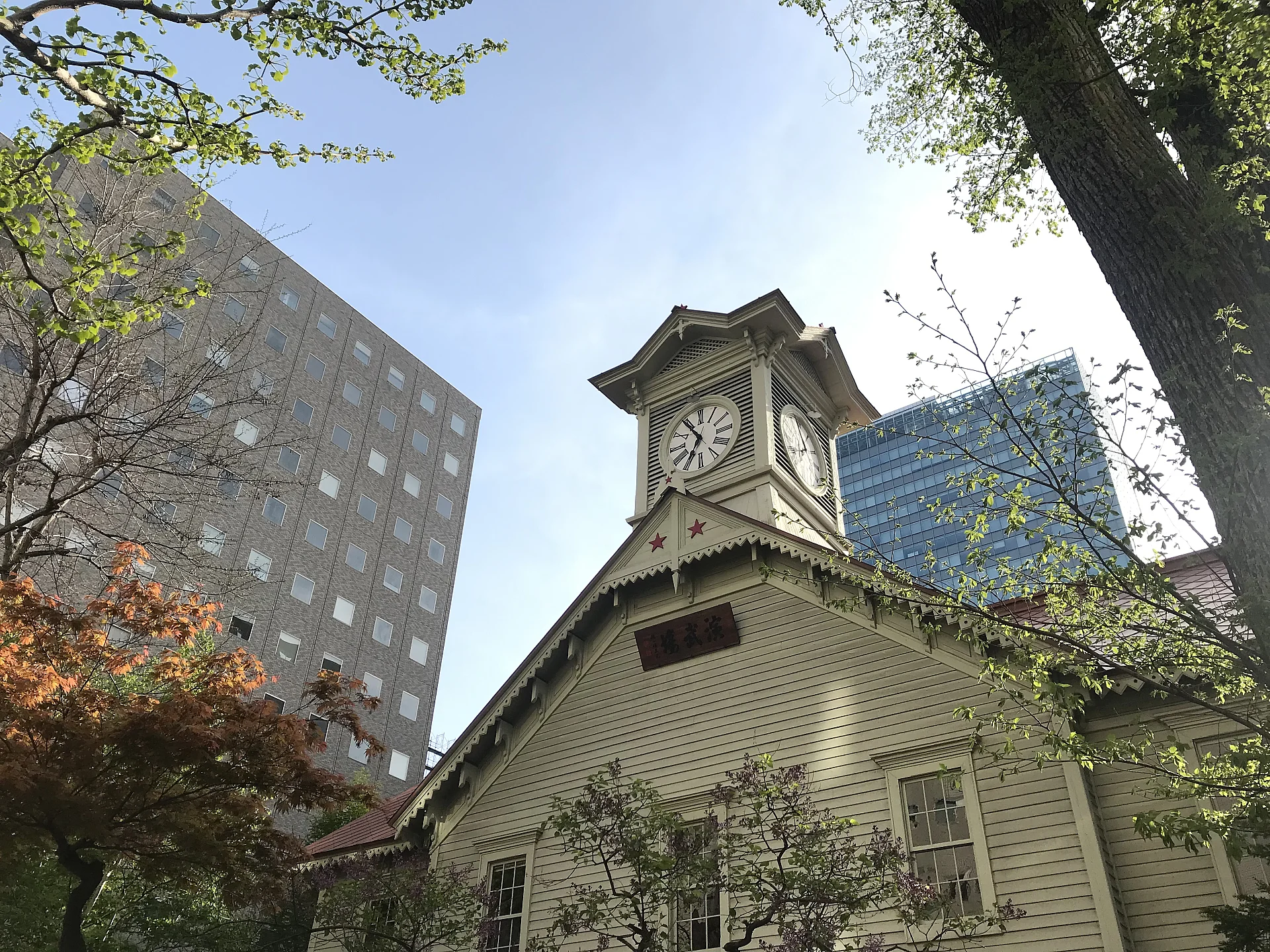
Sapporo, Hokkaido's Grid-Planned Snow Capital
Sapporo's streets cross at right angles, much like Chicago, a legacy of a late 19th-century layout designed with American advisors. In winter, snow crunches underfoot and the scent of miso broth drifts from ramen stands. When summer arrives, beer gardens pop up right downtown.
Is this destination for you?
Sapporo appeals to travelers who love food and the great outdoors within a subway ride. The dining scene is exceptional, skiing is less than an hour from downtown, and the city maintains a breathable, easygoing vibe without the chaos of Tokyo.
On the flip side, it may disappoint those searching for ancient temples and Edo-period alleys. This is a young, modern city whose charm stems from its food and nearby nature rather than historic architecture.
Best suited for:
- Food lovers (ramen, seafood, beer, dairy products)
- Skiers and winter snow enthusiasts
- Travelers looking for a quieter, more spacious side of Japan
- Summer hikers using the city as a base
Not recommended for:
- Temple-hoppers and fans of historic old districts
- Travelers with only 24 hours trying to see it all
- Anyone who dislikes the cold, as winters are long and severe
A moderate to high budget, especially in winter
Japan remains accessible overall, but accommodation prices spike during the Snow Festival and peak ski season.
| Expense | Range |
|---|---|
| Hostel or capsule hotel night | 3,000 to 5,000 ¥ |
| Business hotel night | 8,000 to 15,000 ¥ |
| Bowl of ramen | 900 to 1,500 ¥ |
| Restaurant meal | 2,000 to 5,000 ¥ |
Estimated rates subject to change
Practical realities
The downtown core is largely walkable, and the three-line subway system covers the essentials. The city is exceptionally safe. English is less widespread than in Tokyo or Kyoto, so a translation app on your phone and photo menus will come in handy.
For weather, expect cold, snowy winters, alongside summers that are mild and less humid than Honshu, the main island.
Downtown: Odori, Tanukikoji, and Susukino
Odori Park
This long green ribbon cuts straight through the center of the city from east to west. In February, it hosts the giant snow and ice sculptures of the Snow Festival. In summer, it fills up with beer stands, grilled corn, and outdoor seating. It serves as your best orientation point.
Tanukikoji and Susukino
The covered arcade of Tanukikoji lines up shops and restaurants across several blocks, which comes in handy on rainy or snowy days. Susukino, further south, is the main nightlife district filled with neon lights, izakayas, tiny bars, and late-night ramen spots.
History and Beer
Sapporo Beer Museum
Housed in a former red-brick brewery, the Sapporo Beer Museum traces the history of the brand born right here. The tour wraps up with a tasting session. The neighboring building houses a restaurant serving jingisukan, the island's signature grilled mutton.
Former Hokkaido Government Office
This red-brick building in the American neo-Baroque style, nicknamed Akarenga, recalls the island's colonization period. Its gardens look particularly striking in autumn.
Views and Nature
Mount Moiwa and Hitsujigaoka Observation Hill
Mount Moiwa delivers sweeping nighttime views over the city via ropeway. Hitsujigaoka Observation Hill, out in the southeast, features rolling pastures and an observation deck with the city skyline as a backdrop.
Friendly tip: if you plan to ski, nearby resorts are accessible by bus directly from downtown. Heading out early helps you beat the weekend crowds.
Where to eat and drink in Sapporo?
Miso ramen was born right here, featuring a rich broth, curly noodles, butter, and corn in winter. Make sure to also try soup curry, a local specialty, and jingisukan. The seafood at Nijo Market (crab, sea urchin, salmon) is served in rice bowls starting early in the morning.
For dessert, Hokkaido dairy ice cream and local cheeses are well worth seeking out.
Where to stay in Sapporo and the surrounding area?
The most convenient locations are around Sapporo Station or near Odori, putting the subway within walking distance. Susukino works well if you enjoy late nights, but expect a louder and livelier atmosphere. Book well in advance for February.
How to get to Sapporo?
New Chitose Airport (CTS) serves the area, located about 40 minutes by train from the central station. From North America, expect a connection through a major hub like Tokyo or another Asian gateway. From Tokyo, the flight takes about 1 hour 30 minutes.
How to get around Sapporo?
The subway and streetcar network cover most sights. Rechargeable IC cards like Suica or Kitaca make every trip seamless. Taxis are reliable but expensive.
If you want to head out of the city, renting a car gives you the freedom to reach Otaru or the nearby lakes, though winter driving requires real experience.
When to go?
Visit from December to March for snow, skiing, and the February festival. Summer, running from June to August, is ideal for hiking and outdoor patios. Autumn brings vibrant foliage and smaller crowds. Late spring remains crisp and occasionally overcast.