
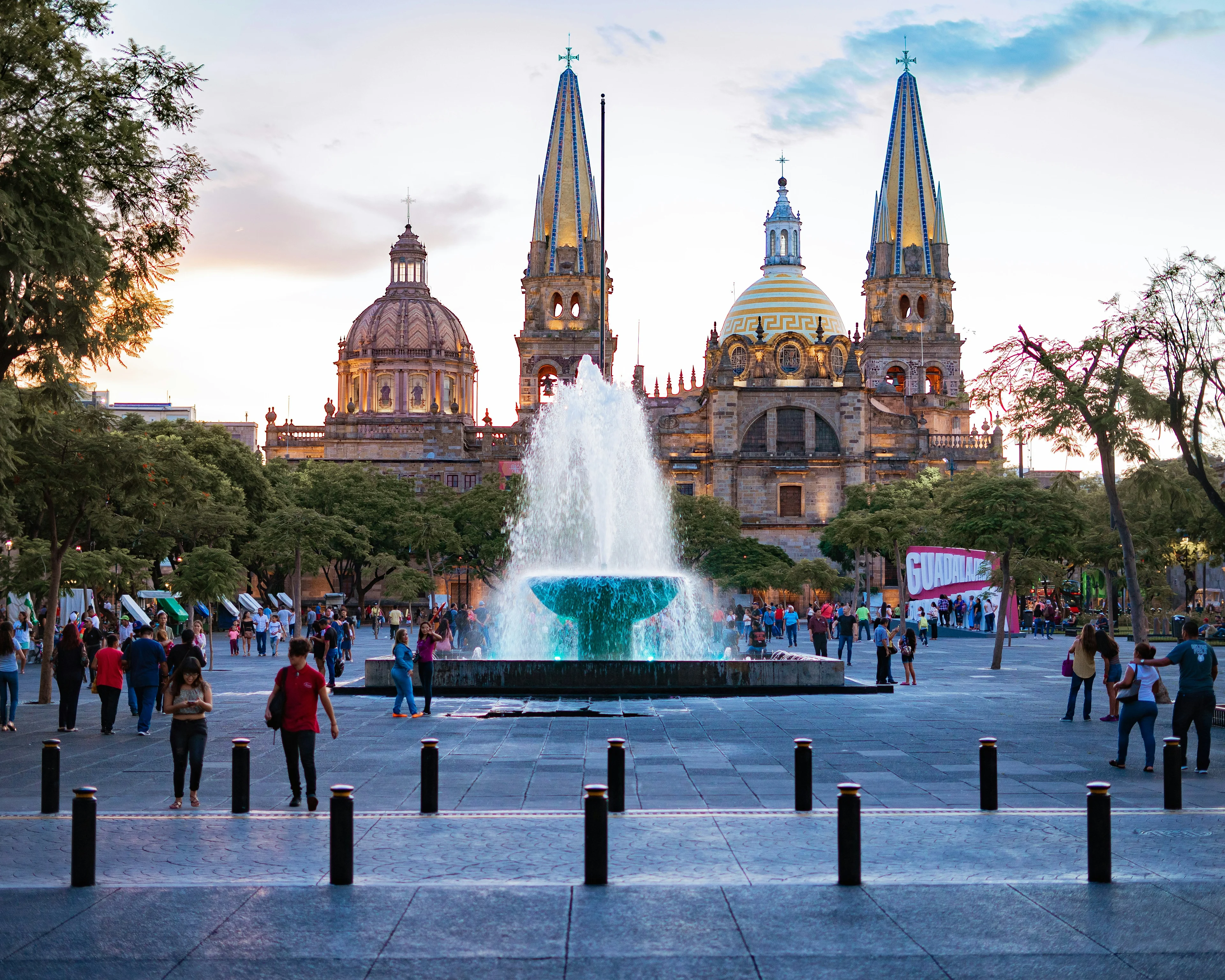
Guadalajara, the beating heart of authentic Mexico
In the capital of Jalisco, mariachis aren't just for tourists, they are the soundtrack of a city that lives by its traditions. Here, you dunk your sandwich in spicy sauce for breakfast, debate tequila with the intensity of a philosophy seminar, and cross four centuries of history in a single walk. Welcome to the true pearl of the Mexican West, a city that makes no compromises.
A destination that owns its character
If you are looking for postcard beaches, look elsewhere. Guadalajara is a city of culture, gastronomy, and colonial architecture where you come to immerse yourself in the essence of Mexico. Art lovers will find monumental frescoes, foodies will discover a high-energy culinary scene, and those in search of authenticity will cross paths with more locals than tourists.
Be prepared for a metropolis of 5 million people with the usual dose of traffic and urban noise. The charm lies in the details: a shaded inner courtyard, the smell of fresh birote bread, an impromptu mariachi concert on a plaza. It is a city that demands effort but rewards those who take the time to explore.
A budget that respects your wallet
Plan on spending between $60 and $140 per day depending on your comfort level. A hostel bed costs 200-240 MXN ($10-12), and a decent hotel room runs 600-800 MXN ($30-40). Tortas ahogadas go for about 40 MXN ($2) on the street, and a full meal in a good restaurant is rarely more than 300 MXN ($15). The metro and buses are around 10 MXN ($0.50) per ride.
The Centro Histórico: where four centuries collide
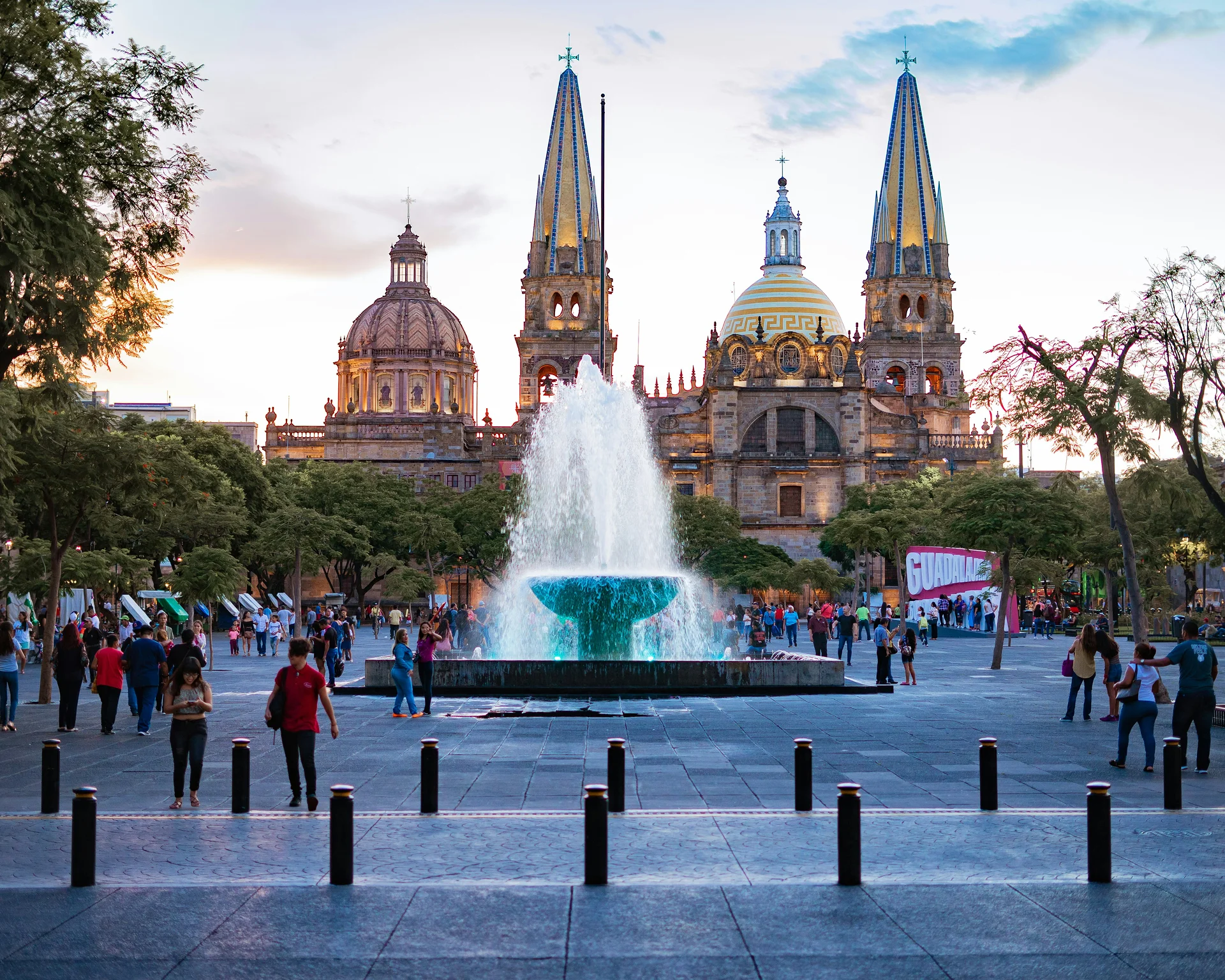
The historic core is organized around four majestic plazas connected in a cross shape. The cathedral sits at the center with its golden neo-Gothic towers that catch the evening light. Inside, the organ is among the most impressive in the country, and French stained-glass windows bathe the nave in an ethereal glow.
Do not miss the Palacio de Gobierno right next door. Admission is free, and you will see the monumental frescoes by José Clemente Orozco on the main staircase. The fire surrounding Father Hidalgo as he brandishes his torch is striking. Volunteer guides offer tours in English and systematically refuse tips.
The Hospicio Cabañas, the UNESCO jewel
At the eastern end of Plaza Tapatía, this former 19th-century hospice is a World Heritage site housing 57 Orozco frescoes in its chapel. The "Man of Fire" under the dome will leave you speechless. Admission is modest, and on Sundays, it is free for Mexicans and residents.
Friendly advice: Avoid the area around the San Juan de Dios market after dark. During the day, it is an intense sensory experience with its three floors of stalls, but this neighborhood becomes less advisable once night falls.
Colonia Americana: the city's creative pulse
This trendy neighborhood concentrates the energy of the local youth. The streets are packed with independent cafes, makeshift art galleries, and street art on every corner. The Templo Expiatorio, a finely chiseled neo-Gothic church, serves as a landmark with its soaring spire.
Avenida Chapultepec really wakes up at night. This is where locals come to unwind among a string of craft beer bars, modern taquerias, and underground clubs. On Saturdays, the avenue transforms into an artisan market with free concerts.
Friendly advice: For a great view of the city and a local vibe, head to the rooftop terrace of Hostel Hospedarte Chapultepec at sunset. Even if you aren't staying there, you can grab a drink at the bar.
Tlaquepaque: where crafts become a way of life
Technically a separate city, Tlaquepaque has merged into the metropolitan area. Its cobblestone streets lined with colorful galleries make it the ultimate shopping destination. This is where you find real talavera ceramics, blown glass sculptures, and authentic Huichol textiles.
The main attraction is El Parián, a circular plaza surrounded by restaurants where mariachi bands play from morning until night. You can hire a band for a song starting at about 100 MXN ($5). The festive atmosphere peaks on Sunday afternoons when local families fill the space.
The Regional Museum of Ceramics
On Calle Independencia, this small free museum traces the history of the region's pottery traditions. You will finally understand why each piece requires weeks of work. On some days, artisans perform demonstrations in the courtyard.
Friendly advice: Prices in the shops on Independencia are negotiable, but be respectful. A 10-15% discount is reasonable on major pieces. For real factory-price treasures, venture into the workshops of the Tonalá neighborhood on Thursday or Saturday mornings.
Zapopan: spirituality and green spaces
To the northwest, Zapopan has kept its soul as an independent town. Its 18th-century basilica attracts thousands of pilgrims who come to honor the Virgin of Zapopan, a tiny statue revered throughout Mexico. The baroque building is worth the trip even for non-believers.
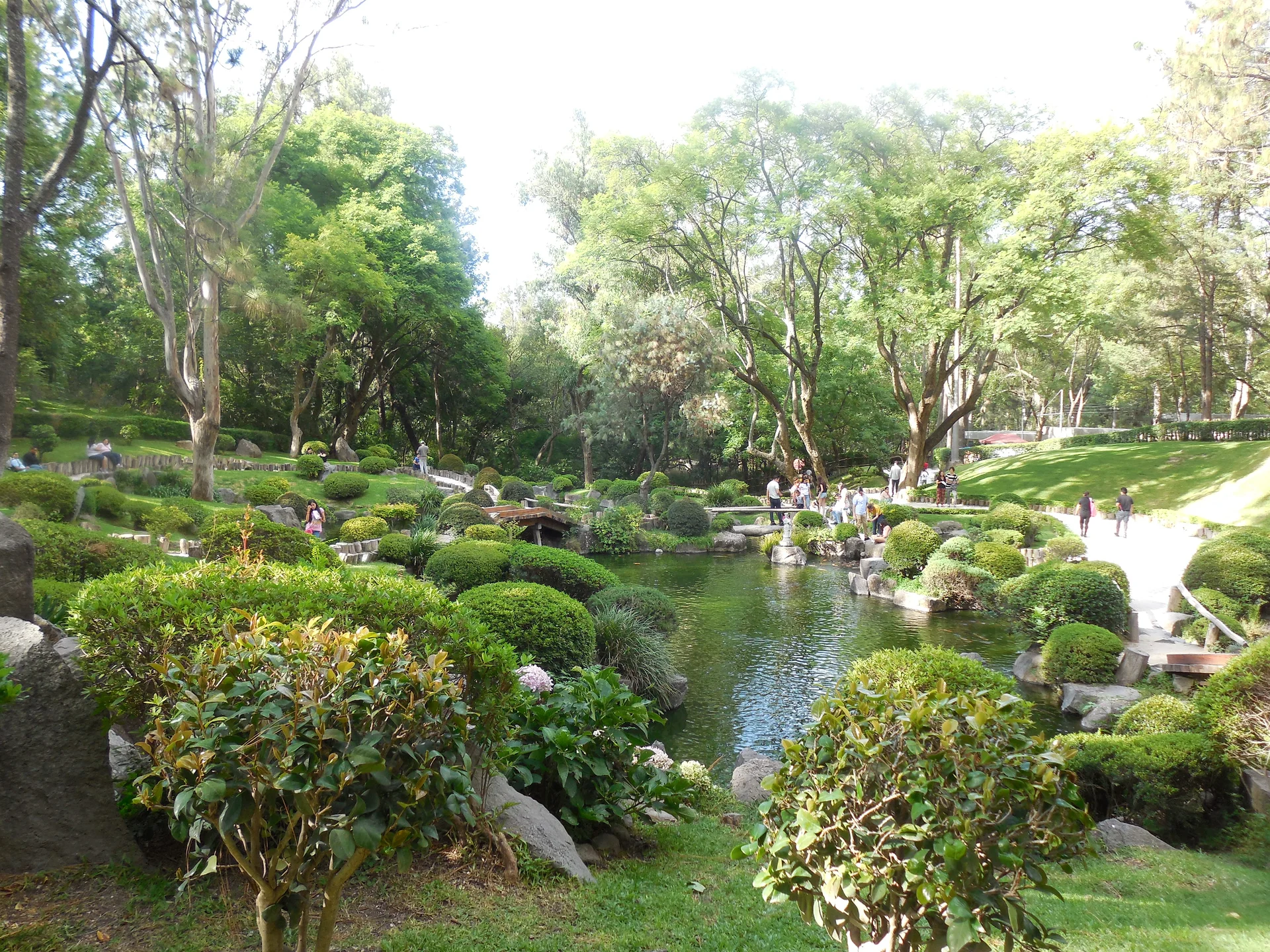
The Bosque Los Colomos offers a welcome nature break with its Japanese garden, shaded paths, and small castle. Local runners do their morning jogging here and families set up for Sunday picnics. Admission is free.
Where to eat and drink in Guadalajara?
Local gastronomy takes its traditions seriously. Tortas ahogadas, sandwiches typically drowned in a spicy tomato sauce that are eaten with a spoon, are the signature dish. The birote salado bread used is only made here because of the altitude and local water. Try them at Tortas Toño in Providencia or at the tiny Reina Eterna stand in Americana.
Birria, a meat stew simmered for hours in a spiced broth, is best enjoyed with fresh tortillas. Purists go to Birriería Las 9 Esquinas, while adventurers test the beef version at El Chololo in Tlaquepaque. For fine dining, Alcalde revisits Mexican classics with modern techniques without ever feeling like pretentious fusion.
As for drinks, tequila flows freely, but also try tejuino, a fermented corn drink served iced with lime. A cantarito, featuring tequila, citrus juice, and salt in a clay cup, is a must while sitting on Plaza de las 9 Esquinas listening to mariachis.
Where to sleep in and around Guadalajara?
The Centro Histórico is perfect for first-time visitors who want to walk everywhere. The hotel scene ranges from budget hostels to boutique hotels. Expect street noise, especially on weekends. For a quieter vibe, choose Colonia Americana, where you are a 15-minute walk from the center while being steps away from the best restaurants.
Providencia to the northwest attracts those looking for upscale standards with its high-end hotels, tree-lined streets, and shopping malls. It is residential, quiet, and well-connected by bus. Families appreciate the safety and proximity to parks.
If you have a vehicle or don't mind a 20-minute metro ride, staying in Tlaquepaque offers a more intimate experience in colonial casas converted into guest houses. You can browse the craft galleries before the tour buses arrive.
How to get there and get around Guadalajara?
Miguel Hidalgo International Airport is 12 miles (20 km) to the southeast. An official taxi costs 250-300 MXN ($15-18), and Uber is slightly less. The public bus to the center runs every half hour for 10 MXN ($0.60) but takes 45 minutes with stops. Shared shuttles serve the Minerva area for 60 MXN ($3.50).
In the city, the tren ligero (light rail) serves the main neighborhoods for 10 MXN ($0.60) per ride. City buses cost the same but are crowded during rush hour. A rechargeable card makes travel easier. The historic center is best explored on foot within a one-kilometer perimeter.
The MiBici bike-share system has 116 stations in the city center. A temporary pass can be obtained at kiosks with a credit card and your passport. Bike lanes are expanding, but stay alert in traffic.
When to go?
October to December offers the ideal combination of dry weather, temperatures around 77°F (25°C), and a busy cultural calendar with the Fiestas de Octubre and the international book festival. January to May is also an excellent window with softer hotel rates, except around Easter when Mexicans travel in large numbers.
Avoid June to September if you dislike rain, as it is the rainy season with daily showers in the late afternoon. Temperatures also climb to 95°F (35°C) in May and June. August and September see the lowest tourist foot traffic, which can be an advantage if you are looking for authenticity and deals.
Ah, the city of Mariachis! Guadalajara, the Pearl of the West! The culture of the state of Jalisco is one of the most exported in Mexico. Indeed, the songs covered by Vicente Fernández, that mustachioed man in a full suit with a big sombrero, have traveled the world. "Guadalajara, Guadalajara, tienes el alma más mexicana"...