
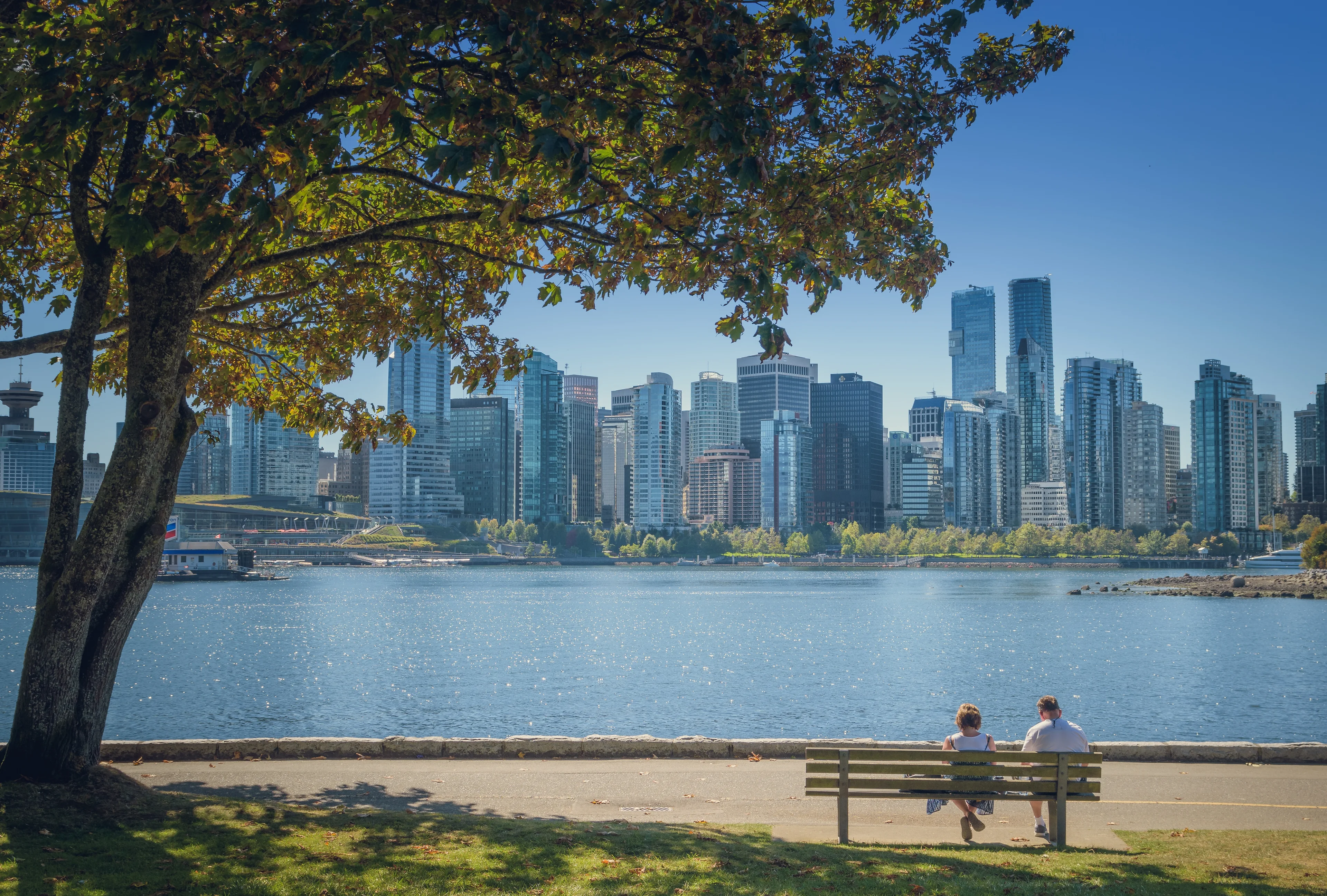
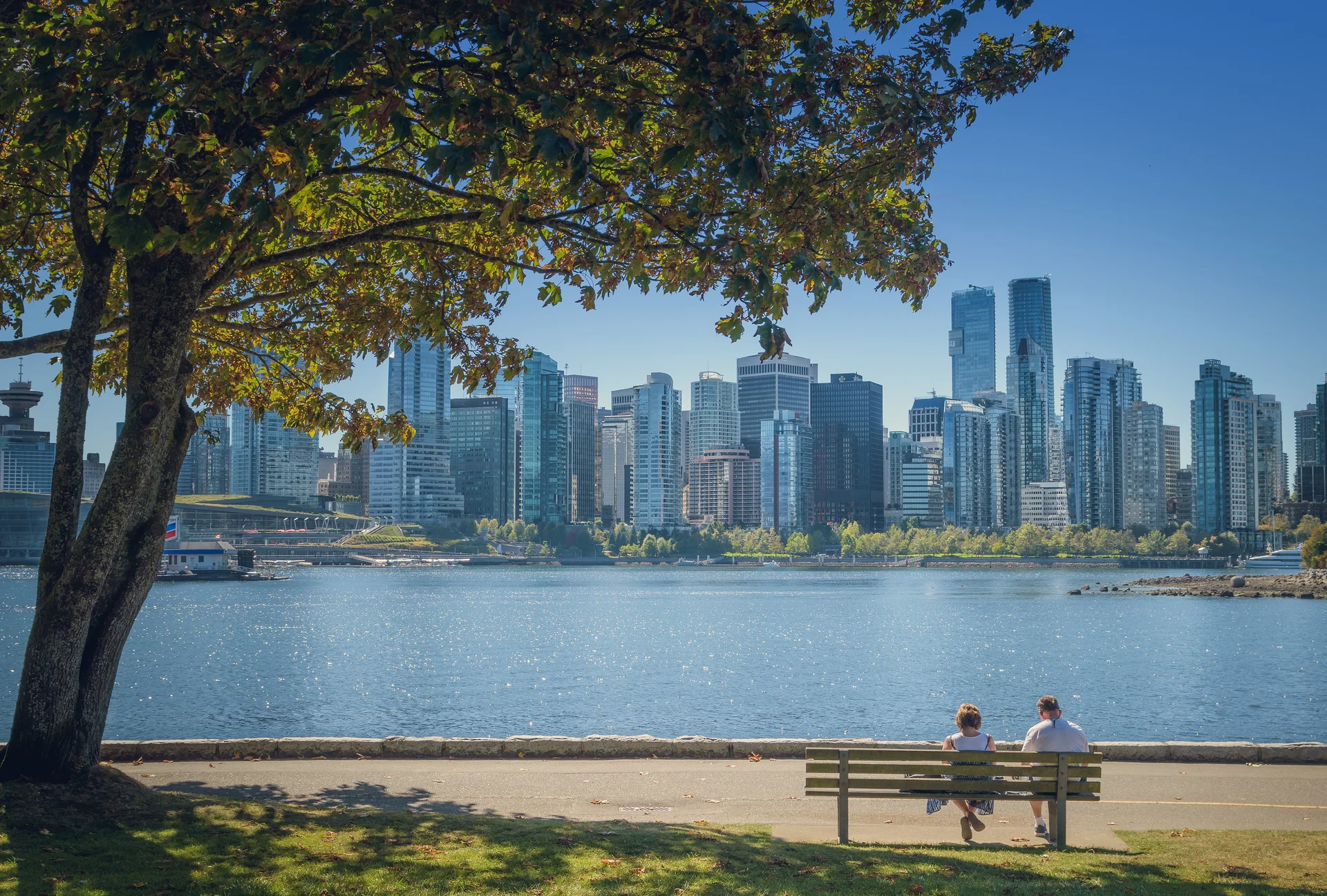
Visiting Vancouver, where the ocean meets the mountains
Editor's note, updated 03/12/2025
Perched on the west coast of Canada, Vancouver sits within a landscape of deep water and snow-dusted peaks. It is a dense, cosmopolitan city that balances modern high-rises with historic districts and expansive parkland. Whether you are here for the outdoors or the urban culture, the city functions as a complete destination for every type of traveler.
Downtown essentials
The city center is the logical starting point for your visit. Gastown, the city's oldest neighborhood, retains a distinct character with its cobblestone streets, Victorian architecture, and the famous steam clock. A short walk away, Coal Harbour offers a flat, easy waterfront stroll with unobstructed views of the North Shore mountains.
For a more contemporary scene, Robson Street serves as the primary retail corridor, packed with shops and restaurants.
A city oriented toward nature
You cannot visit Vancouver without spending time in its green spaces. Stanley Park, one of the largest urban parks in the world, features miles of trails, a seawall, and Indigenous totem poles that speak to the region's heritage. Further out, Grouse Mountain provides a full wilderness experience with hiking trails offering panoramic views of the city and, in winter, downhill skiing.
The Capilano Suspension Bridge, located about 20 minutes from downtown, is a popular spot to walk across a bridge suspended more than 70 meters above the river.
A multicultural and active city
Vancouver is a blend of many cultures. Chinatown, one of the oldest in North America, provides a fascinating look at the city's history and food scene. Granville Island, accessible by a quick ferry ride from downtown, is a local favorite for its public market and artisan workshops.
For art enthusiasts, the Vancouver Art Gallery hosts collections that highlight both Canadian artists and international works.
Activities and day trips
The areas surrounding Vancouver are just as compelling. Less than two hours away, Whistler is a high-profile ski resort in winter and a hiking hub in summer. The Sea-to-Sky Highway is a scenic drive with mandatory stops like Shannon Falls.
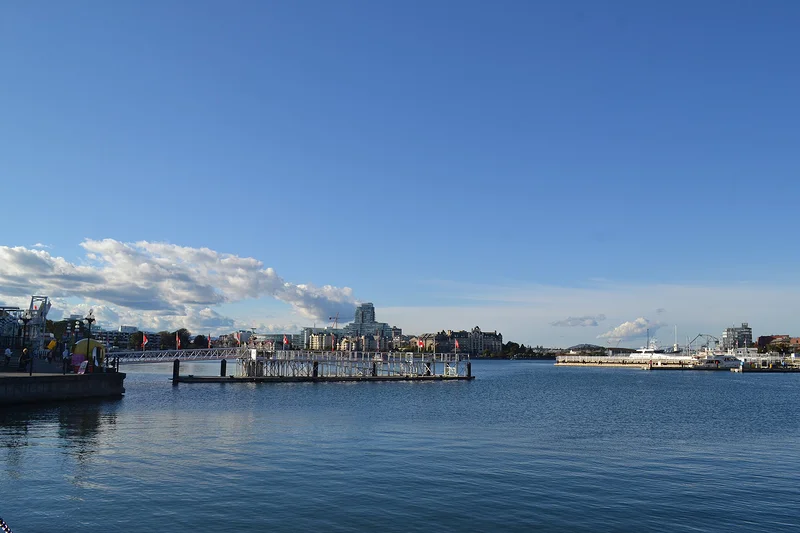
For a quieter excursion, take a ferry to Victoria on Vancouver Island, where you will find colonial-style architecture and the expansive Butchart Gardens.
Gastronomy influenced by the ocean
Vancouver's food culture prioritizes local seafood and Asian influences. Wild salmon is a staple prepared in countless ways. Seafood lovers should keep an eye out for spot prawns, a prized local delicacy. As for coffee, the city has a deep appreciation for specialty coffee, with a high concentration of independent roasters competing with the major chains.
Where to eat?
- Blue Water Cafe (Yaletown): A gold standard for seafood and upscale sushi.
- Japadog (Downtown): A local chain famous for Japanese-inspired hot dogs.
- Granville Island Public Market (Granville Island): The best place to sample a wide array of fresh, local produce.
- Phnom Penh (Chinatown): A Cambodian restaurant widely known for its crispy chicken wings.
Where to stay?
- Fairmont Pacific Rim (Coal Harbour): A luxury hotel with sweeping bay views.
- The Burrard (Downtown): A retro-style boutique hotel that offers good value for the location.
- Samesun Vancouver (Downtown): A social, centrally located hostel.
- YWCA Hotel (Downtown Eastside): A well-rated, cost-effective lodging option.
When to go?
Vancouver has a temperate climate, though expect regular rain during the fall and winter months. The best time to visit is from May to September, when the days are sunny and ideal for outdoor activities. In winter, the proximity to ski resorts like Whistler makes the city a base for snow sports.
Numerous festivals, such as the Vancouver International Film Festival in October, keep the city busy year-round.
How to get there?
Vancouver International Airport (YVR) is a major hub with direct flights from across North America and Europe. A flight from the US East Coast typically takes 5 to 6 hours. Expect to pay between 850 and 1,700 CAD (about $600 to $1,200) for a round-trip ticket depending on the season. Major carriers like Air Canada and United provide regular service.
How to get around?
Vancouver has a robust public transit network, including the SkyTrain, buses, and the SeaBus ferry. The downtown core is highly pedestrian-friendly and well-connected by an extensive system of bike lanes.
I lived in this city for a year and I recommend it as an expat, even if it won't give you an authentic "Canadian" experience but rather an international one, since the Asian influence is very present, just like that of the United States. That is the strength of this city, which also enjoys many green spaces, in addition to diverse nature activities (hiking, water sports...). Watch out, Vancouver is nicknamed "Raincouver," so don't forget your umbrella!