

Visiting Curitiba
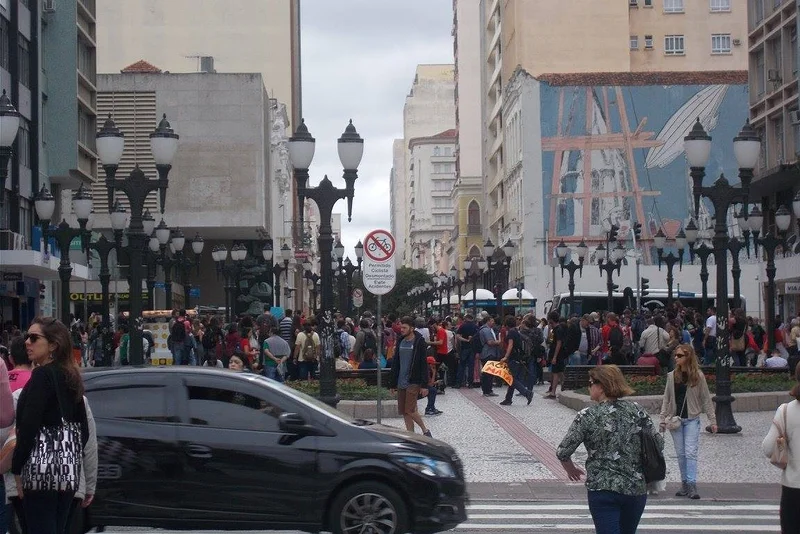
Located in southern Brazil, Curitiba has earned a reputation as a model for green urban planning in South America. City authorities structured its development early on around major transit corridors. The public transportation system relies primarily on buses running in dedicated lanes, a setup often compared to a surface-level subway. While Curitiba is quite a distance from the coast, it features plenty of green spaces perfect for relaxing.
An iconic model of sustainable Brazilian urbanism
Curitiba takes its name from the indigenous Tupi language, specifically the term "Coré Etuba," which translates to "many pine trees," a nod to the hills dotted with pines that surround the region. From its inception, the city was designed to integrate with the surrounding nature.
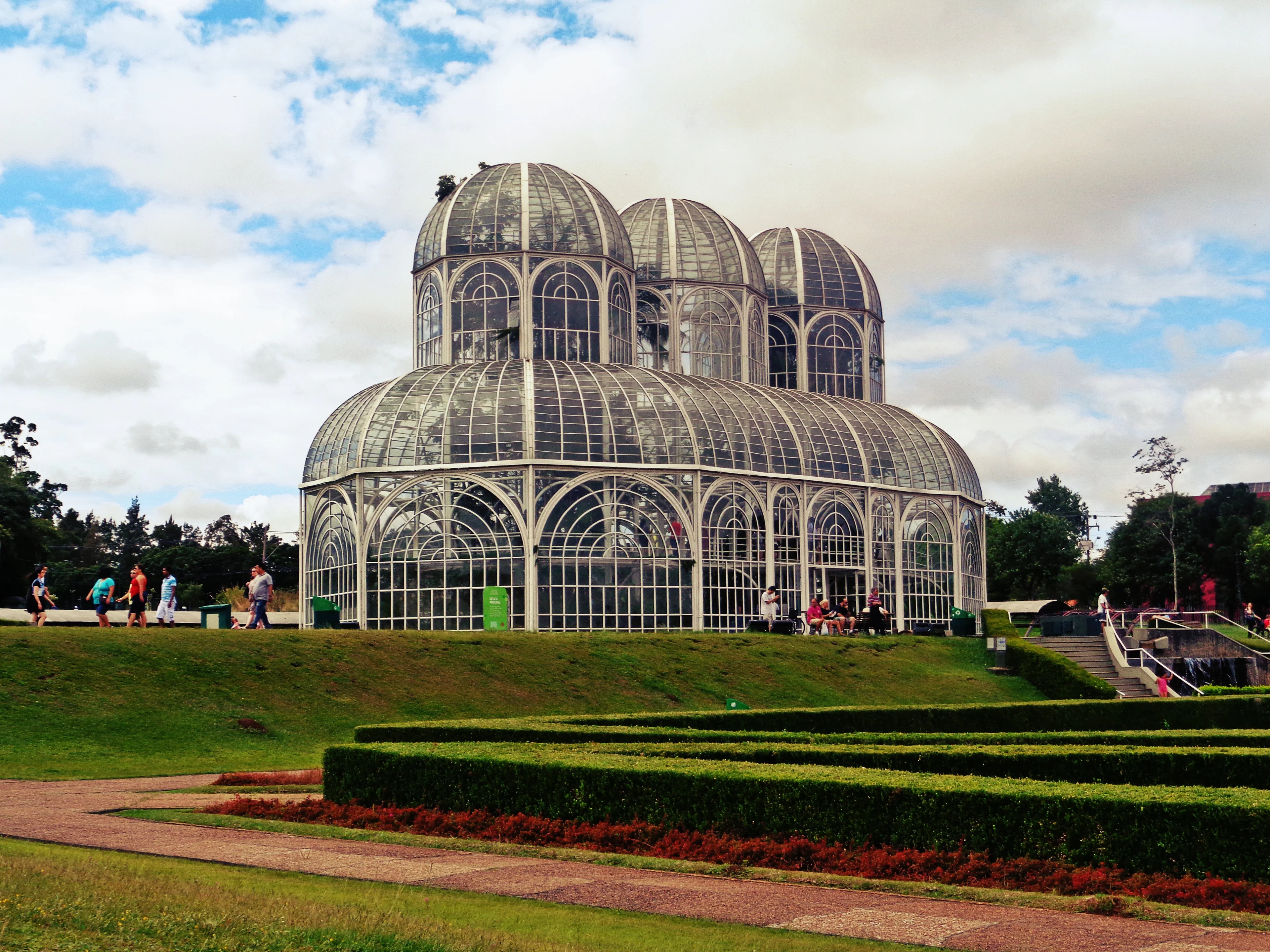
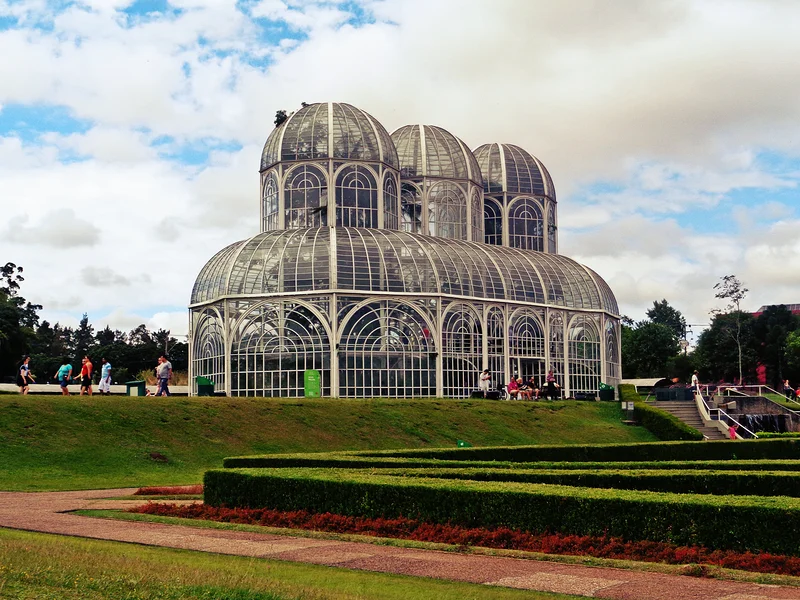
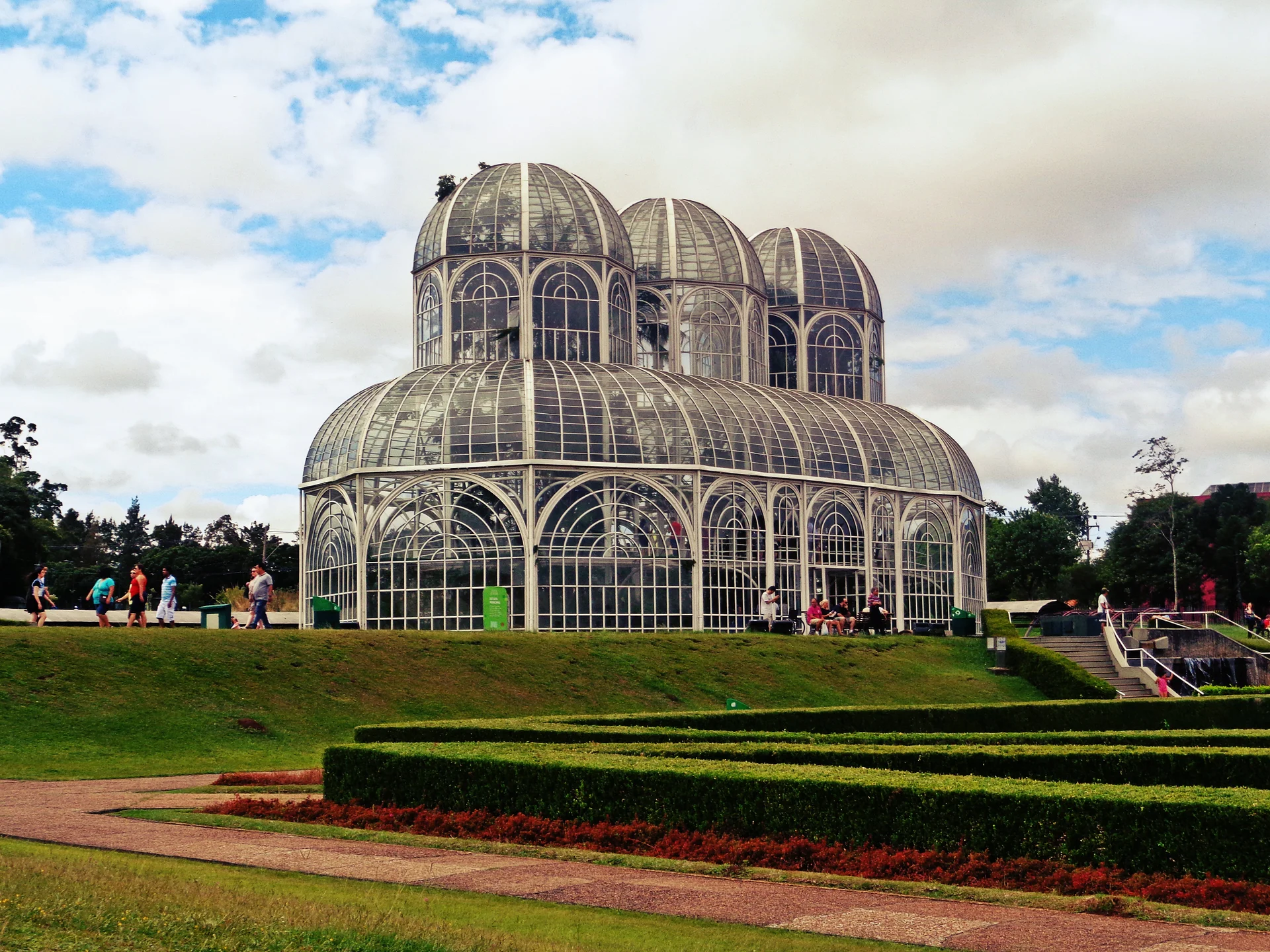
Beyond its deliberate urban planning, Curitiba has preserved numerous parks that define the city's character. The Jardim Botânico of Curitiba is a standout and one of the largest botanical gardens in the world. A portion of the site is dedicated to a "garden of sensations," where you can explore the textures and scents of various flowers while blindfolded with a guide.
Another essential stop is parc Tanguá, located in the city's highlands on the site of former quarries overlooking a lagoon. From the observation deck, you get a clear view of the city below. For those looking to stay active, parc Barigui is a must, offering extensive bike paths, walking trails, and sports facilities.
A multicultural and modern city
Curitiba is also known as the Cidade de Vidro, or City of Glass, thanks to its many modern buildings with transparent facades, such as the Opéra de Arame. This major cultural venue is accessible via a footbridge built on stilts. The Musée Oscar Niemeyer is another landmark, famous for its eye-shaped design that appears to watch you from a distance.
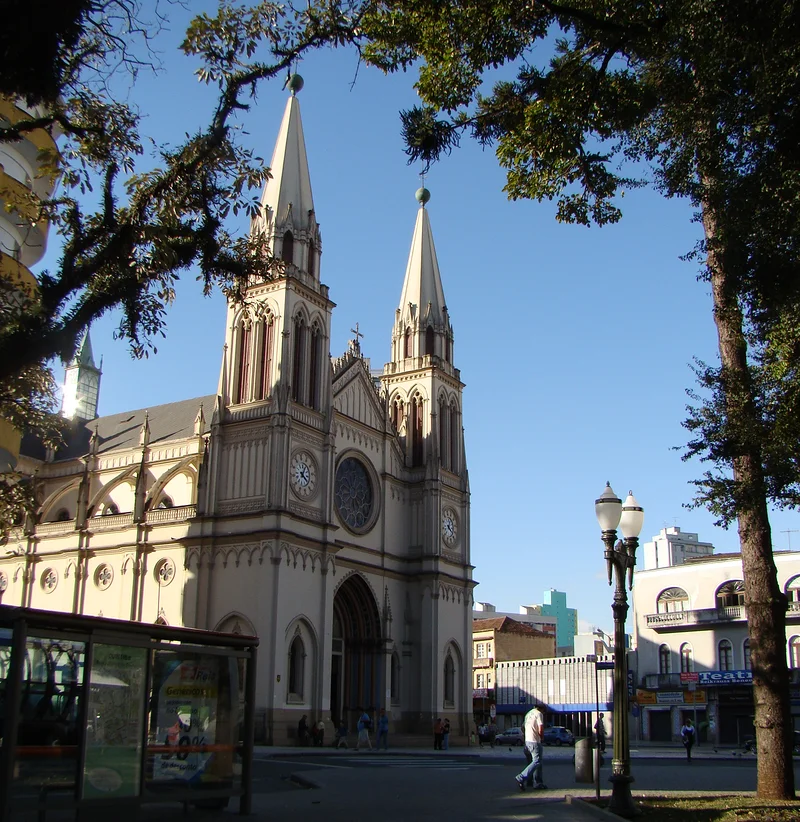
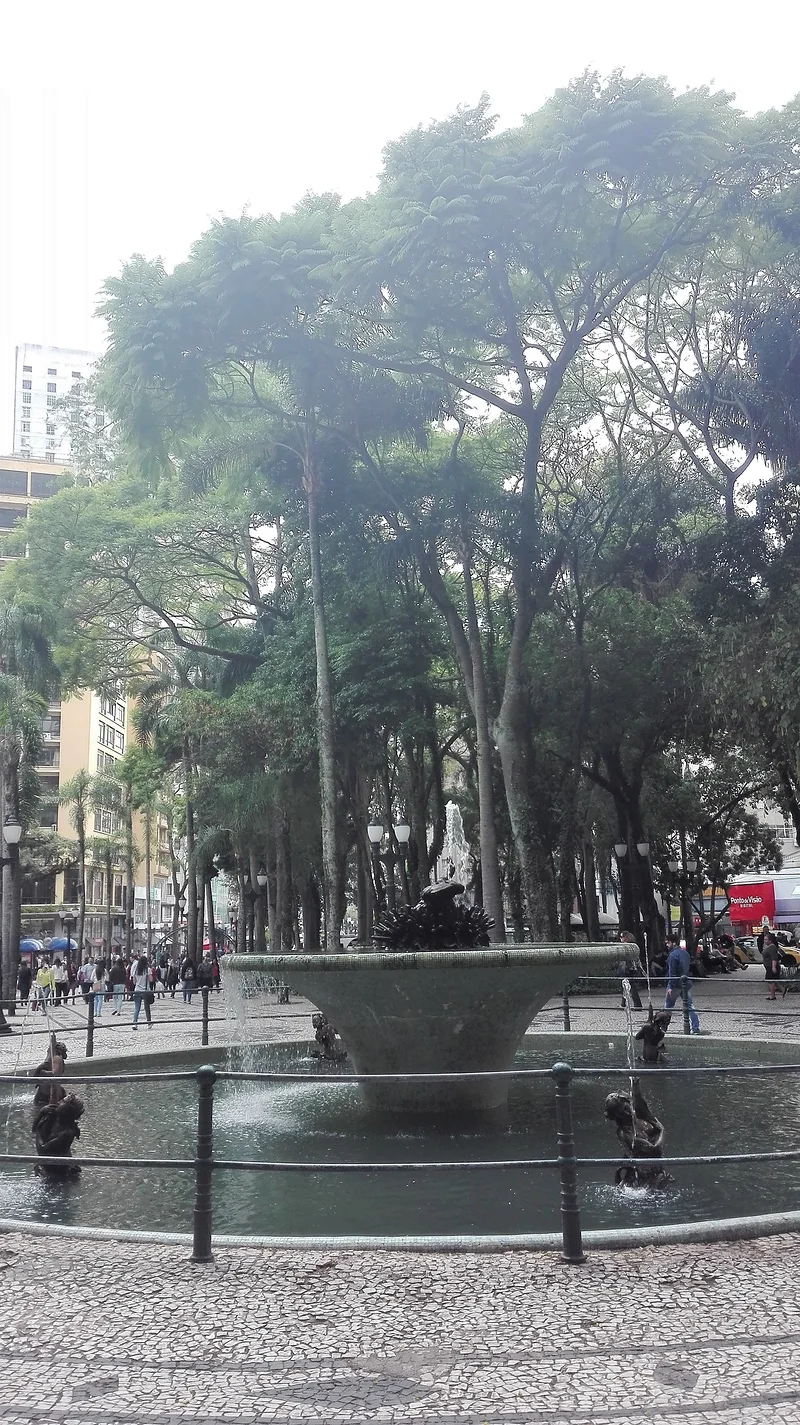
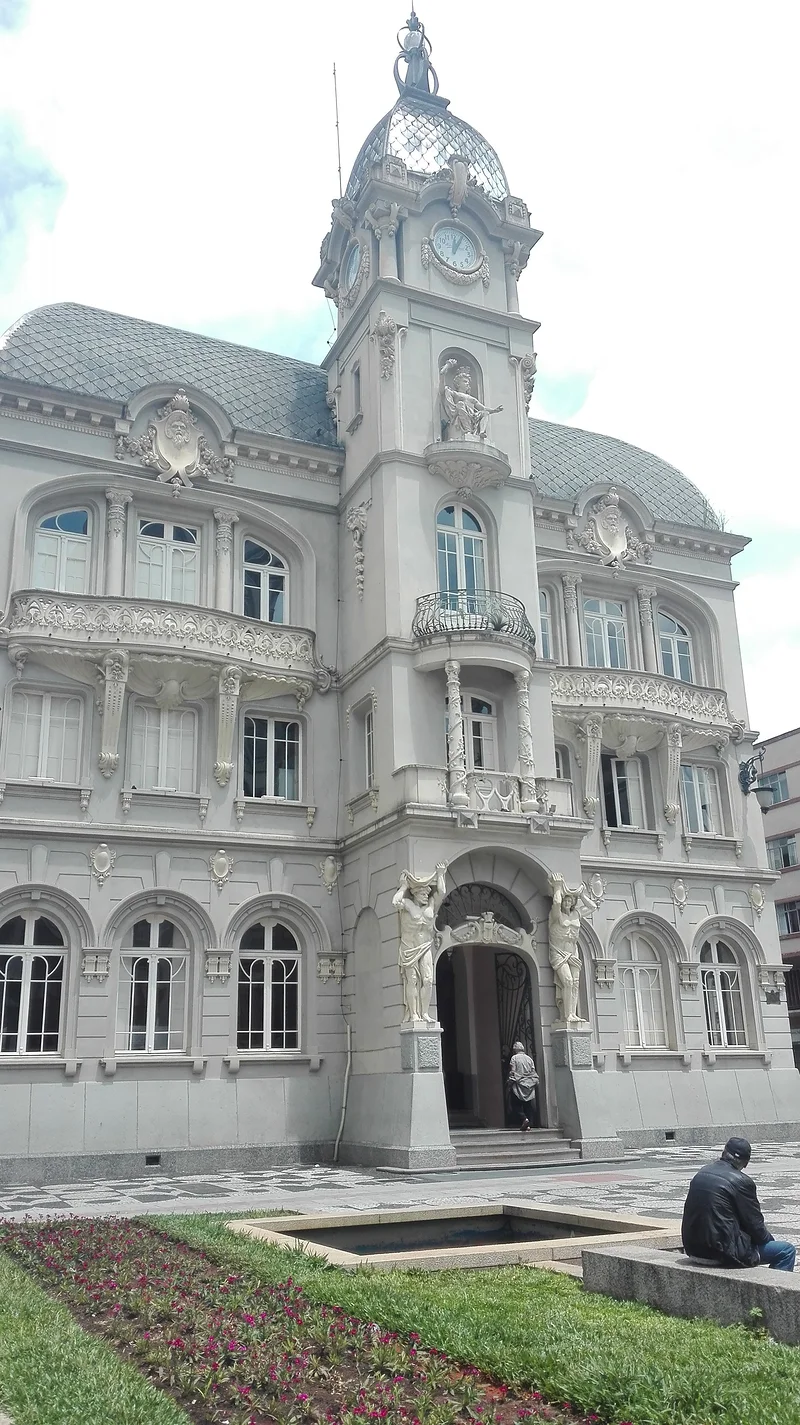
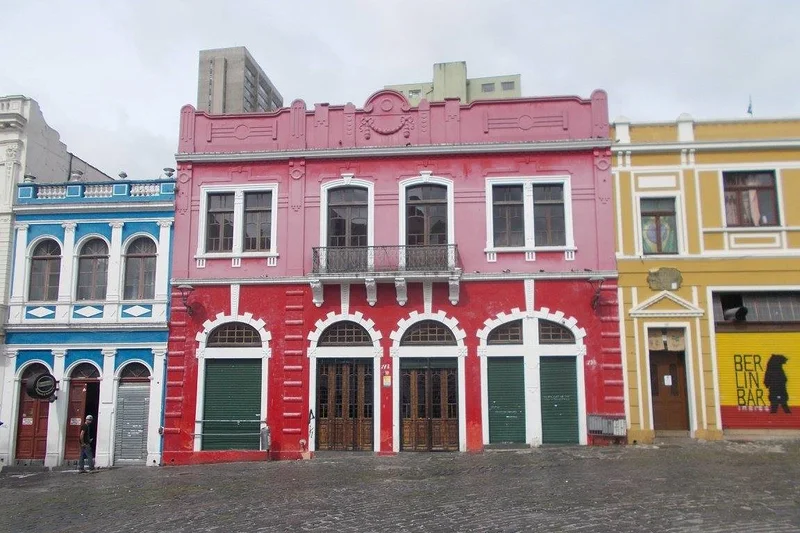
As a colonial city, Curitiba has welcomed waves of immigrants from Germany, Ukraine, France, and Japan. These pioneers settled near place Tiradentes, the historic heart of the city. As a result, several sites pay tribute to this multicultural heritage, such as the forêt allemande (German woods) or the mémorial Ukrainien, located in parc Tingui, which frequently hosts exhibits on Ukraine.
Looking for a change of pace? Book a round-trip excursion from Curitiba to Morretes, a small, classic colonial town. The journey involves taking the Serra Verde Express, one of Brazil's oldest railway lines, which cuts through the tropical rainforest.
When to go
Because of its southern location, Curitiba experiences distinct seasons and temperature shifts. The best time to visit is during the winter months, between June and October. While the weather is a bit cooler, you will deal with significantly less rainfall.
How to get there
Curitiba is served by its own airport. Travelers coming from abroad should expect one or more layovers, typically requiring a connection through São Paulo.

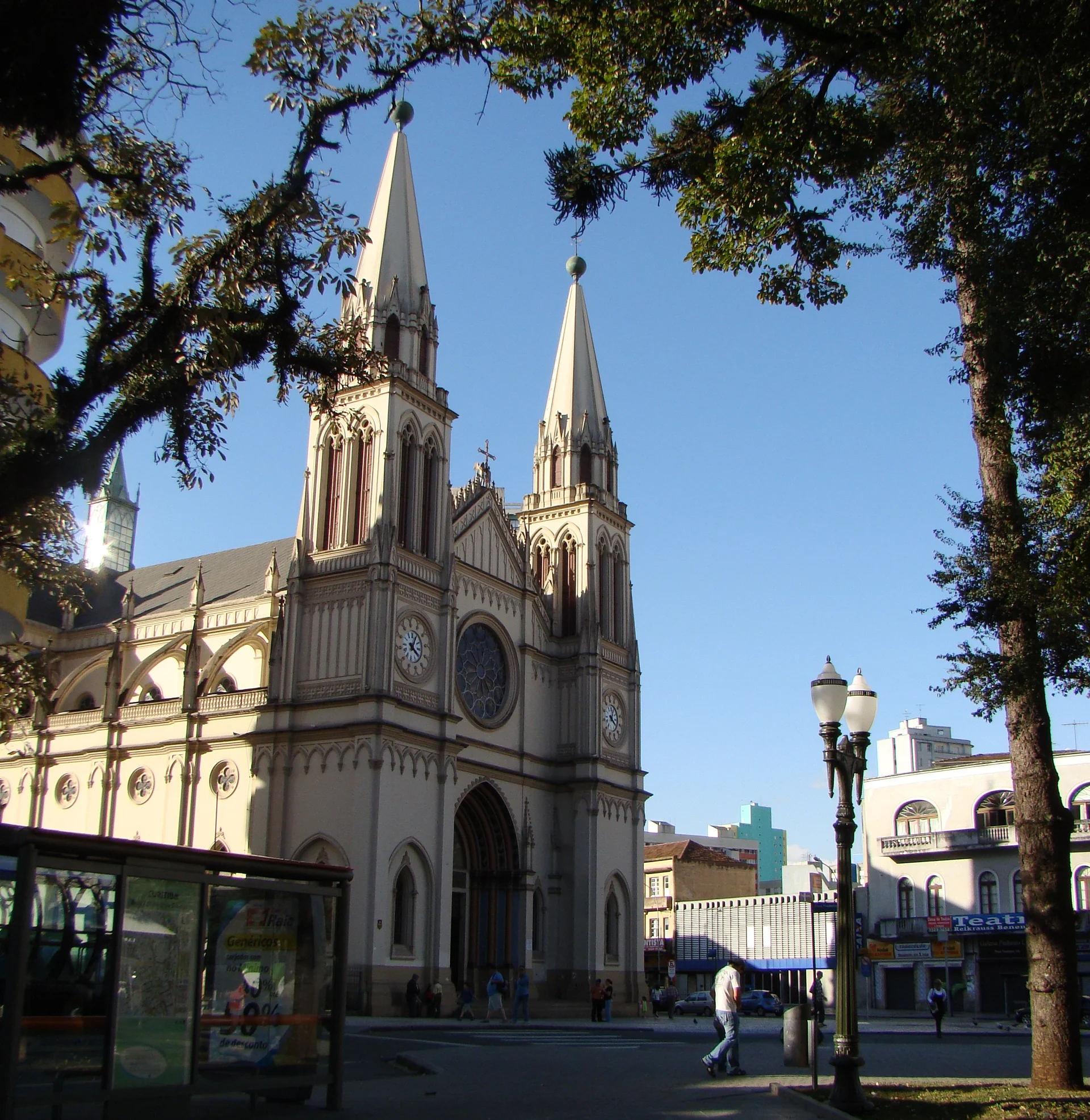

This is a stop that makes it easier to get closer to Iguazu Falls when you are traveling by bus. When entering the city, you are surprised by all the skyscrapers. I did not stay long enough to get a better look, but at first glance, I have the impression that there is not much to see.