
Visiting Manaus, an urban immersion in the heart of the Amazon
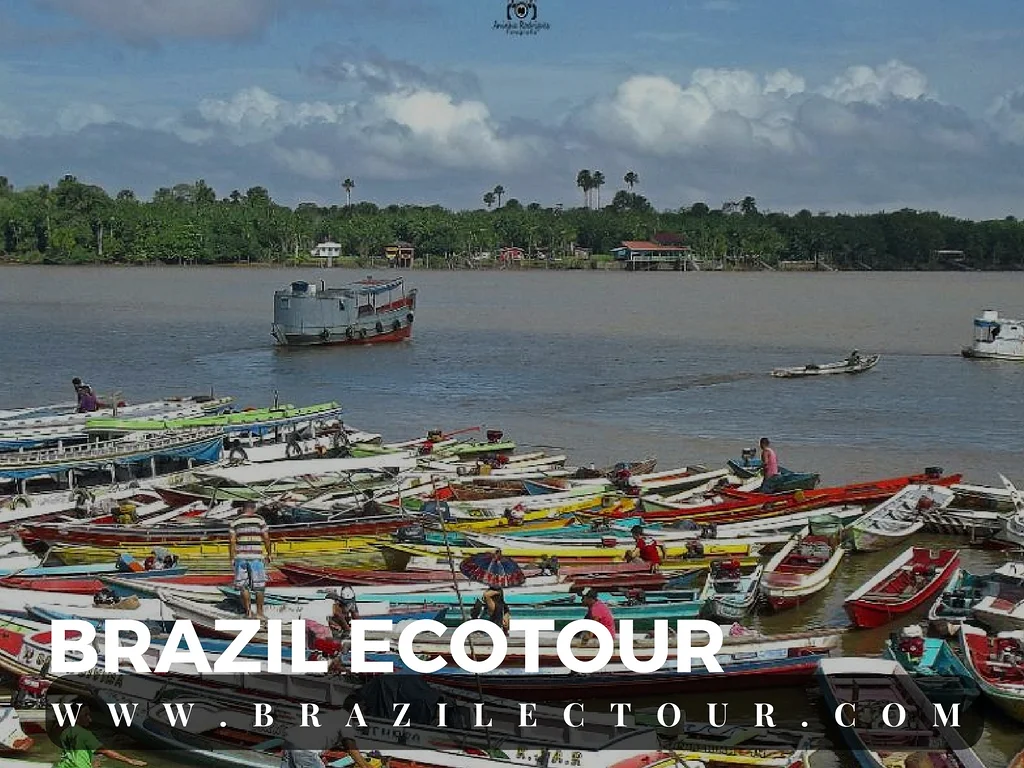
Located at the confluence of the Rio Negro and the Solimões, Manaus is a metropolis of over two million people carved directly into the Amazon rainforest. While it is frequently used as a staging ground for river expeditions, the city itself rewards those who spend time uncovering its historic roots, distinct culture, and Amazonian culinary scene.
An architectural legacy from the rubber boom
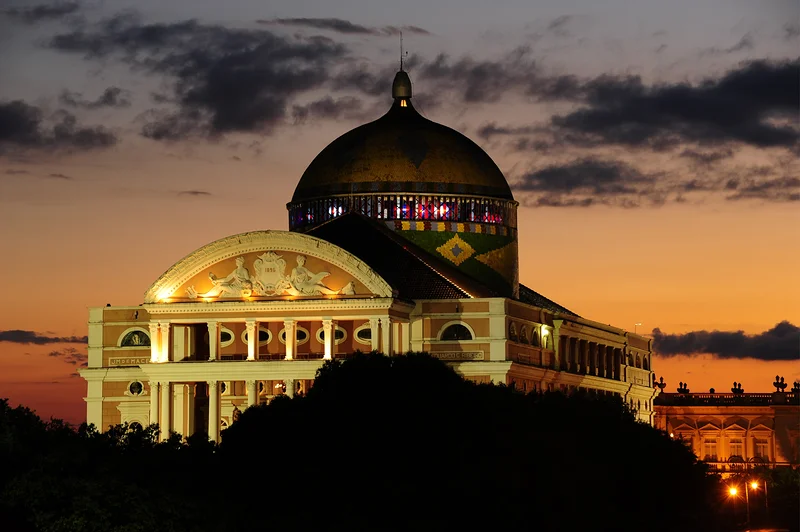
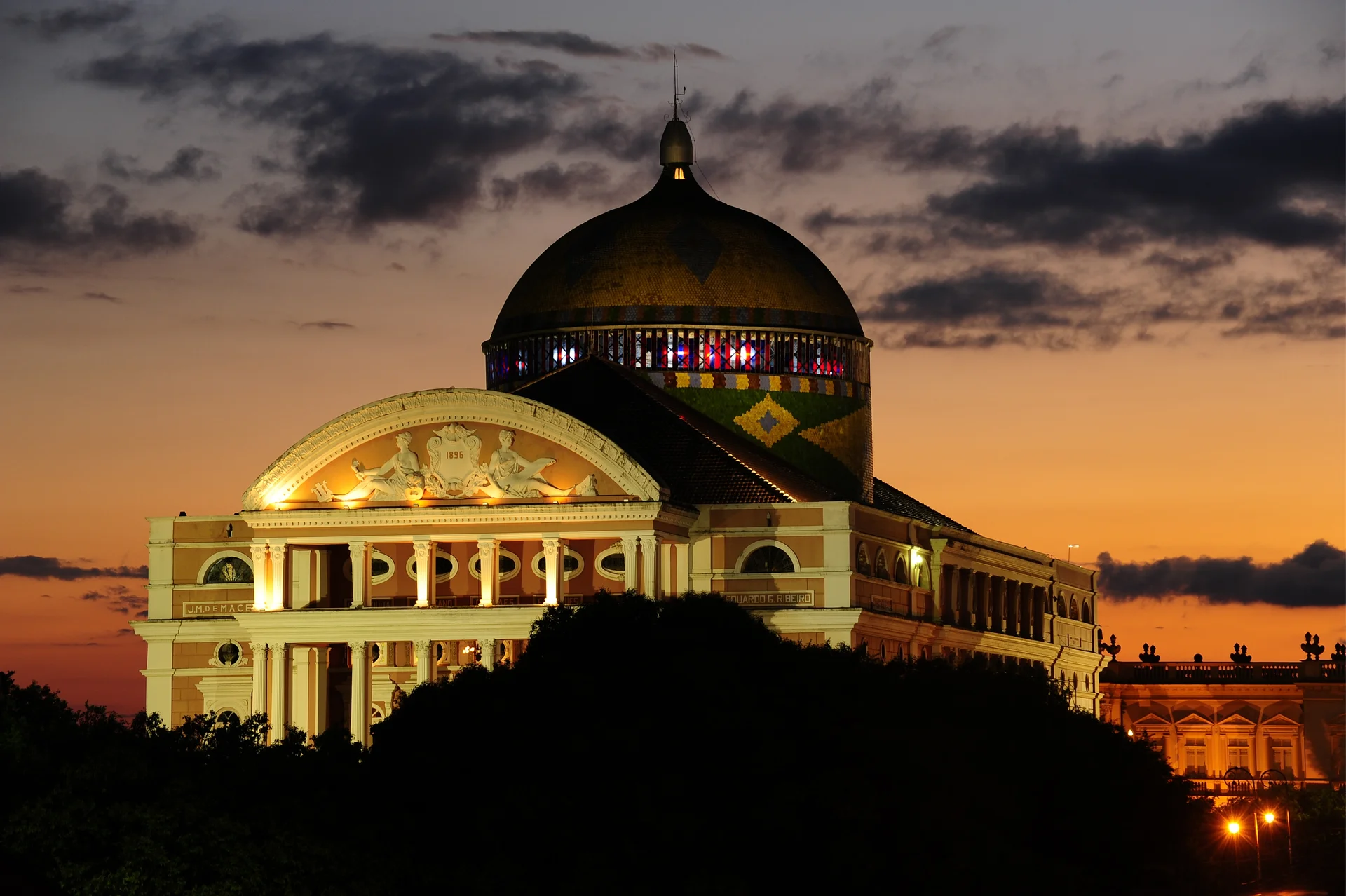
The Teatro Amazonas, inaugurated in 1896, remains the most iconic symbol of Manaus. This Neo-Renaissance theater, complete with a dome covered in colorful European-imported tiles, serves as a permanent reminder of the wealth generated during the city's rubber boom era. It continues to host a wide range of artistic performances today.
The meeting of the waters: a natural phenomenon
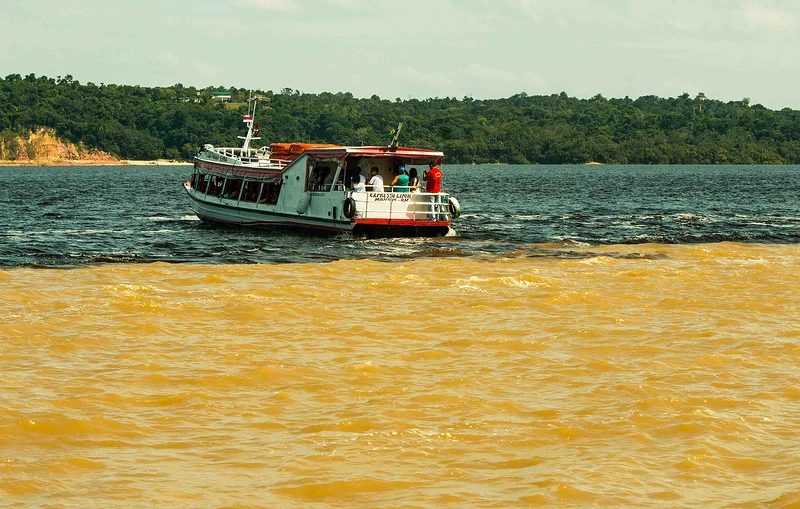
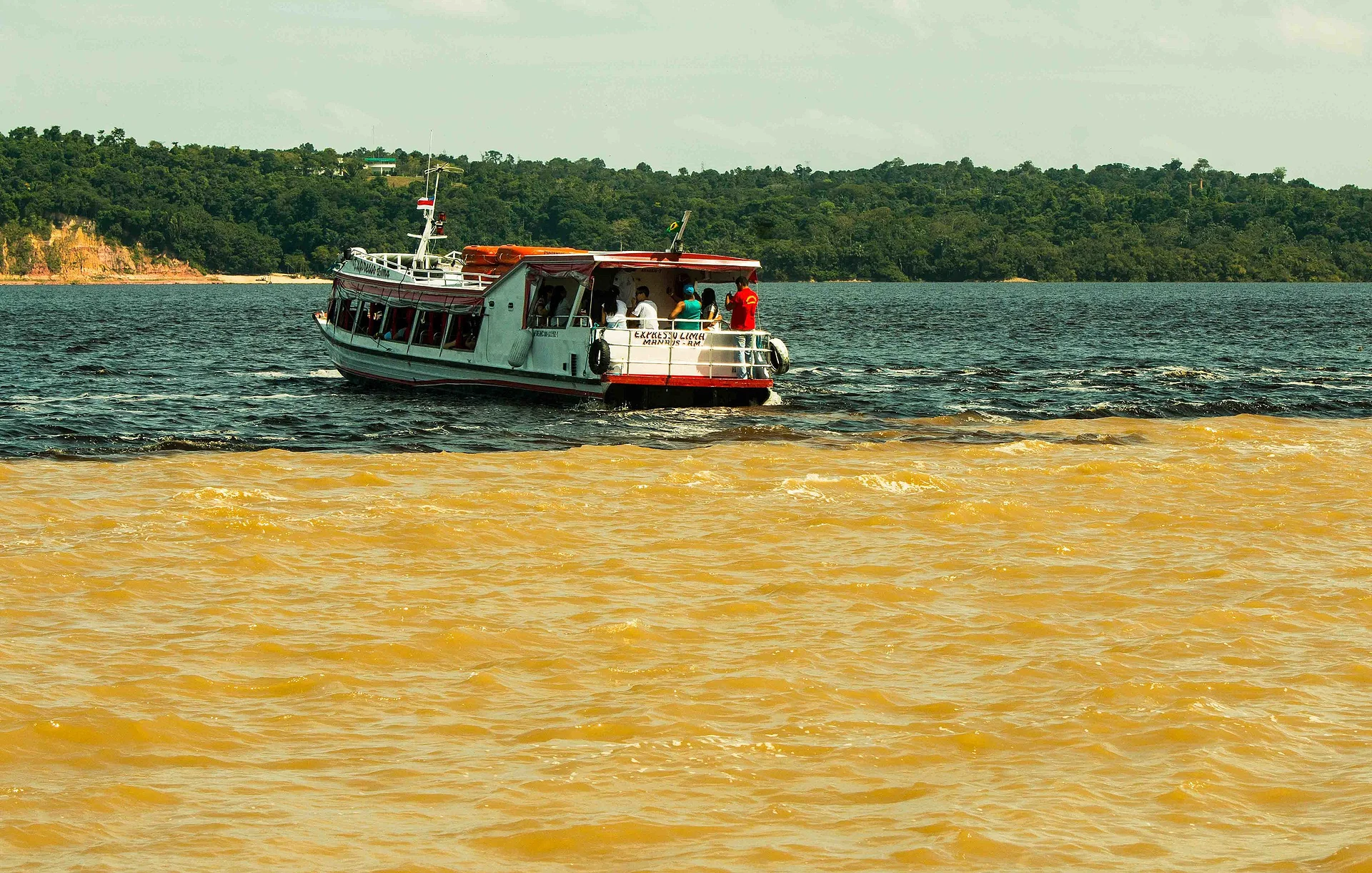
Just a few miles from the city center, you can witness the Meeting of the Waters. The dark, tannin-rich water of the Rio Negro and the lighter, sediment-heavy water of the Rio Solimões flow side by side for several miles without mixing, a result of their differing temperatures, speeds, and densities. Local boat tours provide a front-row seat to this unique natural spectacle.
A gateway to Amazonian biodiversity
The Museum of the Amazon (MUSA), located on the outskirts of the city, acts as an introduction to the region's vast biodiversity. It features exhibits on local flora and fauna, alongside a 138-foot observation tower that provides a panoramic view of the canopy. You can also explore the surrounding forest via a network of trails.
A lively social and cultural scene
Downtown Manaus pulses with the activity of its markets, such as the Mercado Municipal Adolpho Lisboa, where you can find local produce, handicrafts, and regional culinary specialties. The area around Praça São Sebastião, bordering the Teatro Amazonas, serves as a primary gathering spot for locals, filled with cafes, street performers, and community events.
Authentic Amazonian flavors
The cuisine in Manaus is defined by the abundance of the river and the forest. tambaqui, a local freshwater fish, is often served grilled or prepared as a moqueca stew. pirarucu, another iconic regional fish, is a staple found in stews or dried and served as a snack.
Classic dishes to try include tacacá, a soup made with manioc, jambu leaves, and shrimp, along with the x-caboquinho, a sandwich filled with cheese, fried plantains, and tucumã, a local fruit. Amazonian fruits like açaí, cupuaçu, and guaraná are also ever-present in desserts and juices.
Where to eat?
- Restaurante Banzeiro (Adrianópolis): Refined cuisine highlighting local ingredients in a polished setting.
- Restaurante Caxiri (Centro): Located directly across from the Teatro Amazonas, offering creative takes on traditional dishes.
- Tambaqui de Banda (Centro): A casual spot specializing in grilled fish, particularly their namesake tambaqui.
- Choupana Cozinha Regional (Adrianópolis): Offers authentic, rustic regional fare.
Where to stay?
- Hotel Villa Amazônia (Centro): A boutique 5-star hotel with a pool and restaurant, located steps from the Teatro Amazonas.
- Juma Ópera Boutique Hotel & Spa (Centro): An elegant property with spa services and views overlooking the Teatro Amazonas.
- Hotel Adrianópolis All Suites (Adrianópolis): A comfortable hotel offering spacious suites equipped with kitchenettes.
- ibis budget Manaus (Chapada): A practical, no-frills option for travelers watching their budget.
When to go?
The period from June to November, which marks the dry season, is the ideal time to visit Manaus. You will find more temperate weather and lower humidity levels. This is also the best window for forest expeditions and river cruises. The Festival Amazonas de Ópera, typically held in April and May, is the city's premier cultural event.
How to get there?
Manaus is accessible by air from major Brazilian cities, including São Paulo, Rio de Janeiro, or Brasília. Eduardo Gomes International Airport is located about 9 miles from the city center. Limited international flights from select South American hubs are also available.
How to get around?
The center of Manaus is walkable, especially around the Teatro Amazonas area. For longer distances, taxis and ride-sharing apps are readily available. Buses serve the various neighborhoods of the city, though the network can be difficult to navigate for visitors who do not speak the language.
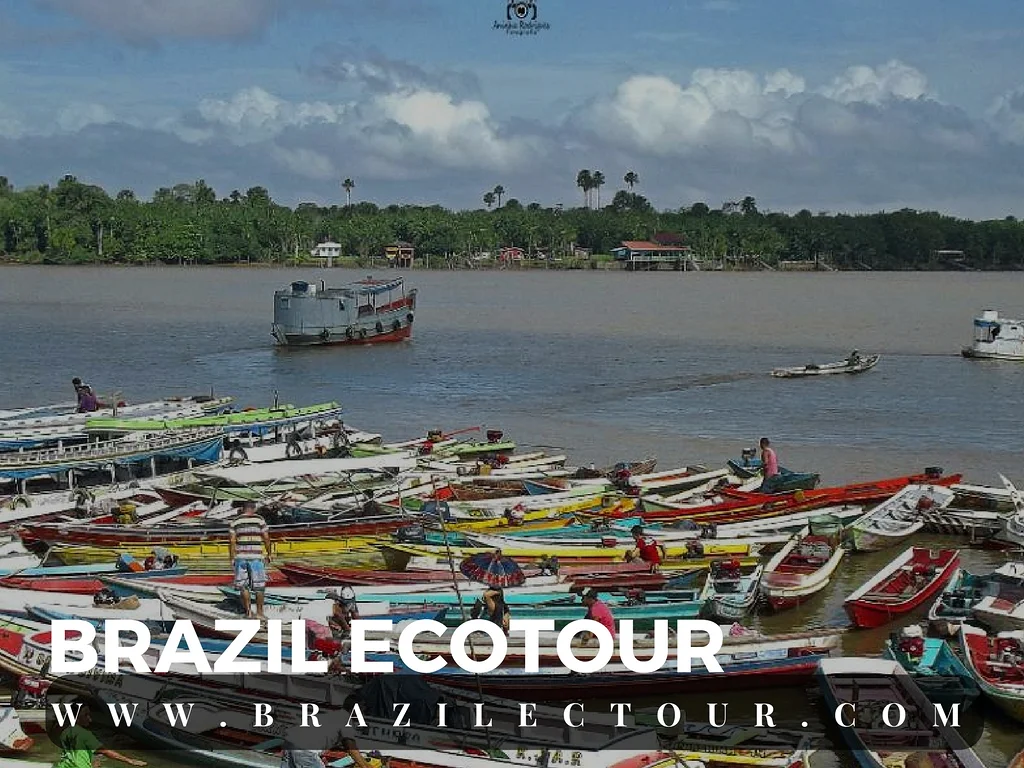
There are two options to get to Manaus, the gateway to the Amazon in Brazil: by river (very long but cheap) or by plane. I was expecting a village on the riverbank, but it is actually a big port city, dirty and sketchy. However, the area around the Teatro Amazonas is charming. Be careful to take an Uber to get back. From 7 PM on, it gets seriously sketchy.
Book your excursion into the Amazon rainforest for the next day, if possible for 3 days. The more expensive it is, the better it is. Just common sense.