
Visiting Olinda, the colonial jewel of the Brazilian Northeast
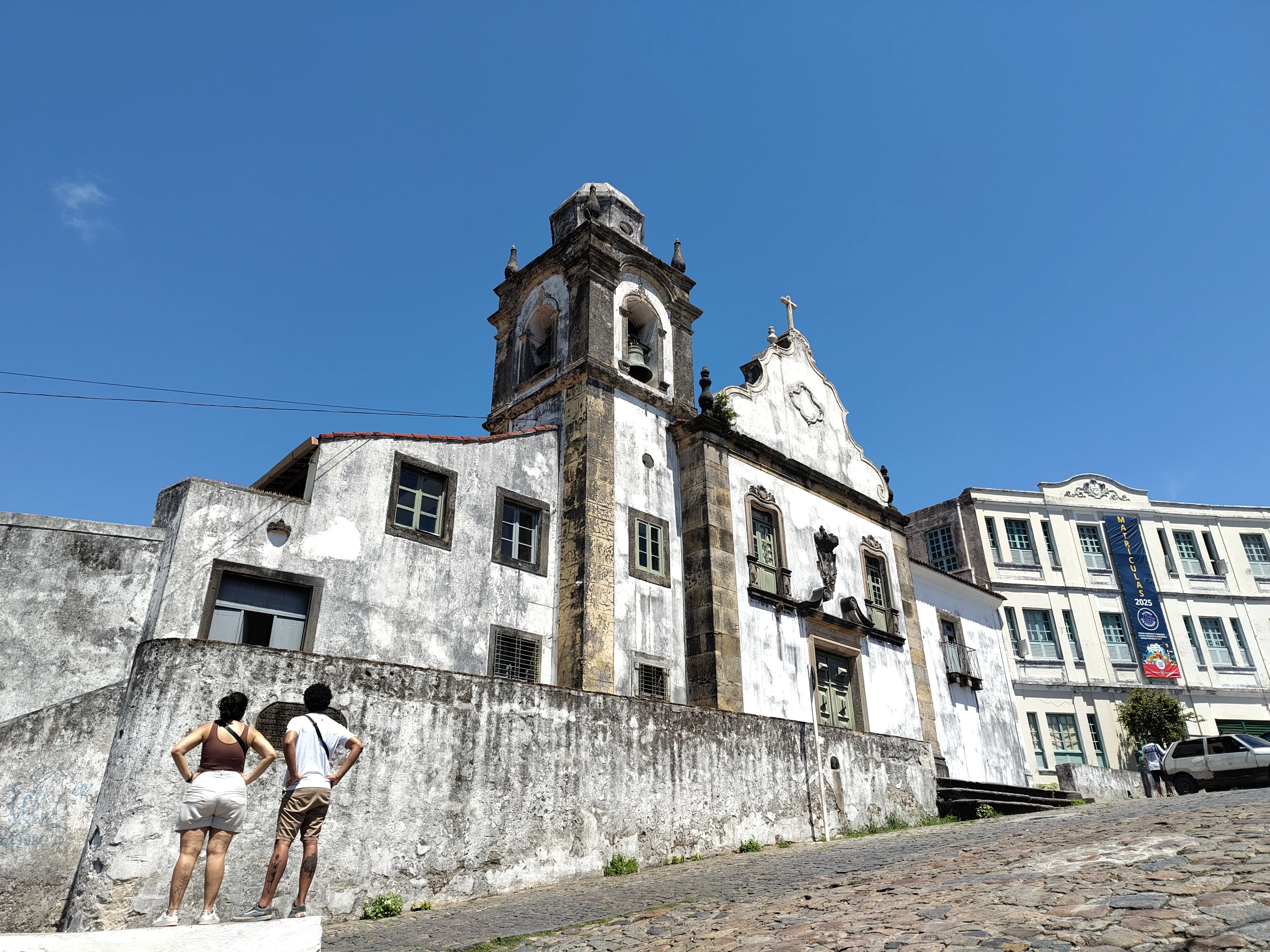
Perched on hills overlooking the Atlantic Ocean, Olinda charms travelers with its colonial architecture, cobblestone alleys, and houses painted in vibrant colors. Designated a UNESCO World Heritage Site, the city offers an intimate look at Brazilian history and culture, far from the frenetic pace of major metropolises.
A preserved historic center
The heart of Olinda functions as an open-air museum. As you wander the streets, you will pass baroque churches, monasteries, and meticulously restored colonial buildings. Among the essential stops, the Cathédrale de la Sé offers panoramic views of the city and the sea, while the Monastère de São Bento stands out for its ornate architectural details.
Art enthusiasts will find plenty to explore in the numerous galleries and artist workshops scattered throughout the old town.
A colorful carnival
Olinda is famous for its carnival, which ranks among the most authentic in Brazil. Unlike the massive parades in Rio, the festivities here take place in narrow streets, moving to the rhythms of frevo and maracatu. The géants d'Olinda, towering papier-mâché figures, drift through the crowds of dancers, creating a festive, communal atmosphere.
Quiet beaches nearby
While primarily known for its heritage, Olinda also has accessible coastline. The beach at Carmo, located near the center, is suitable for a quick swim or a walk at the end of the day. For larger stretches of sand, the neighboring city of Recife offers several options just a short distance away.
A dynamic art scene
Olinda serves as a cultural hub with arts events happening throughout the year. Visitors can catch live music, dance, and theater performances, often staged outdoors. Local craft markets are also a great way to see the work of regional artisans firsthand.
Flavors of Pernambuco: a cuisine with multiple influences
The gastronomy in Olinda reflects the region's cultural depth. Among the local staples, tapioca, a crepe made from cassava flour, is a must-try, typically stuffed with coconut or cheese. The baião de dois, a hearty mix of rice and beans, is a classic comfort dish of the Northeast. To wash it down, nothing beats a caipirinha, a cocktail made with cachaça, lime, and sugar.
Where to eat?
- Oficina do Sabor (Alto da Sé): This renowned restaurant serves inventive cuisine, highlighting local ingredients in flavorful dishes.
- Beijupirá Olinda (Carmo): With an unobstructed view of the ocean, this spot is known for fresh seafood and updated traditional recipes.
- Bode do Nô Olinda (Varadouro): Specializing in grilled meats, this family-run restaurant is popular for its laid-back vibe and generous portions.
Where to stay?
- Hotel 7 Colinas (Carmo): Set within a tropical garden, this hotel offers a quiet retreat with a pool and comfortable rooms.
- Hotel Costeiro (Casa Caiada): Located right on the waterfront, this property features modern rooms and attentive service.
- Pousada Flor de Olinda (Varadouro): This charming inn, housed in a converted colonial home, stands out for its authentic character and welcoming staff.
When to go?
Olinda enjoys a tropical climate with pleasant temperatures year-round. September through March is ideal for sunny weather and local events. Carnival, which usually falls in February, is the peak season, drawing visitors from all over.
How to get there?
The international airport in Recife, located about 20 km (12 miles) away, is the closest point of arrival. International flights are available, with prices fluctuating by season. From the airport, taxis or buses can reach Olinda in about 30 minutes.
How to get around?
The historic center of Olinda is best explored on foot, allowing you to take in the architecture and the atmosphere at your own pace.
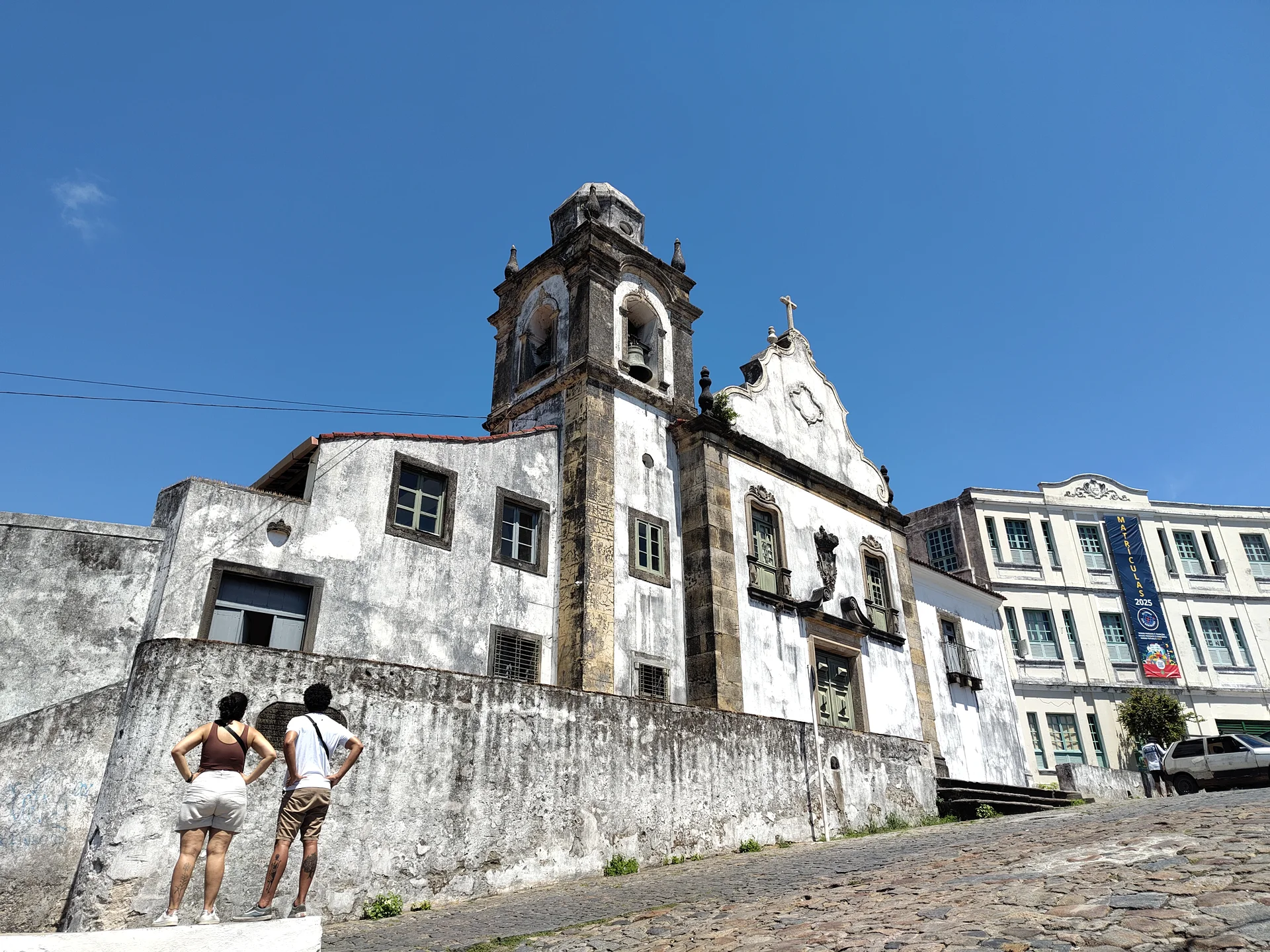
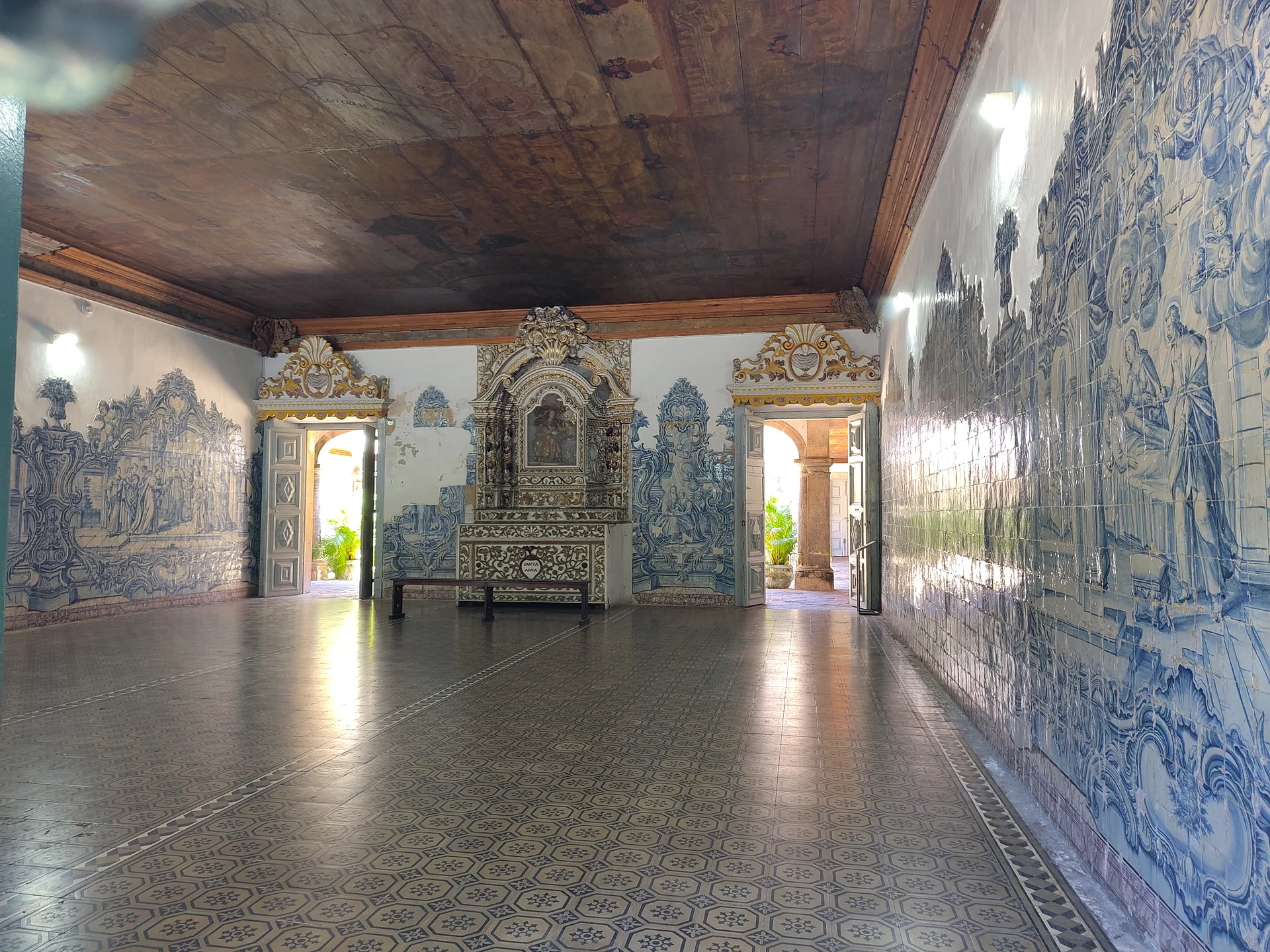
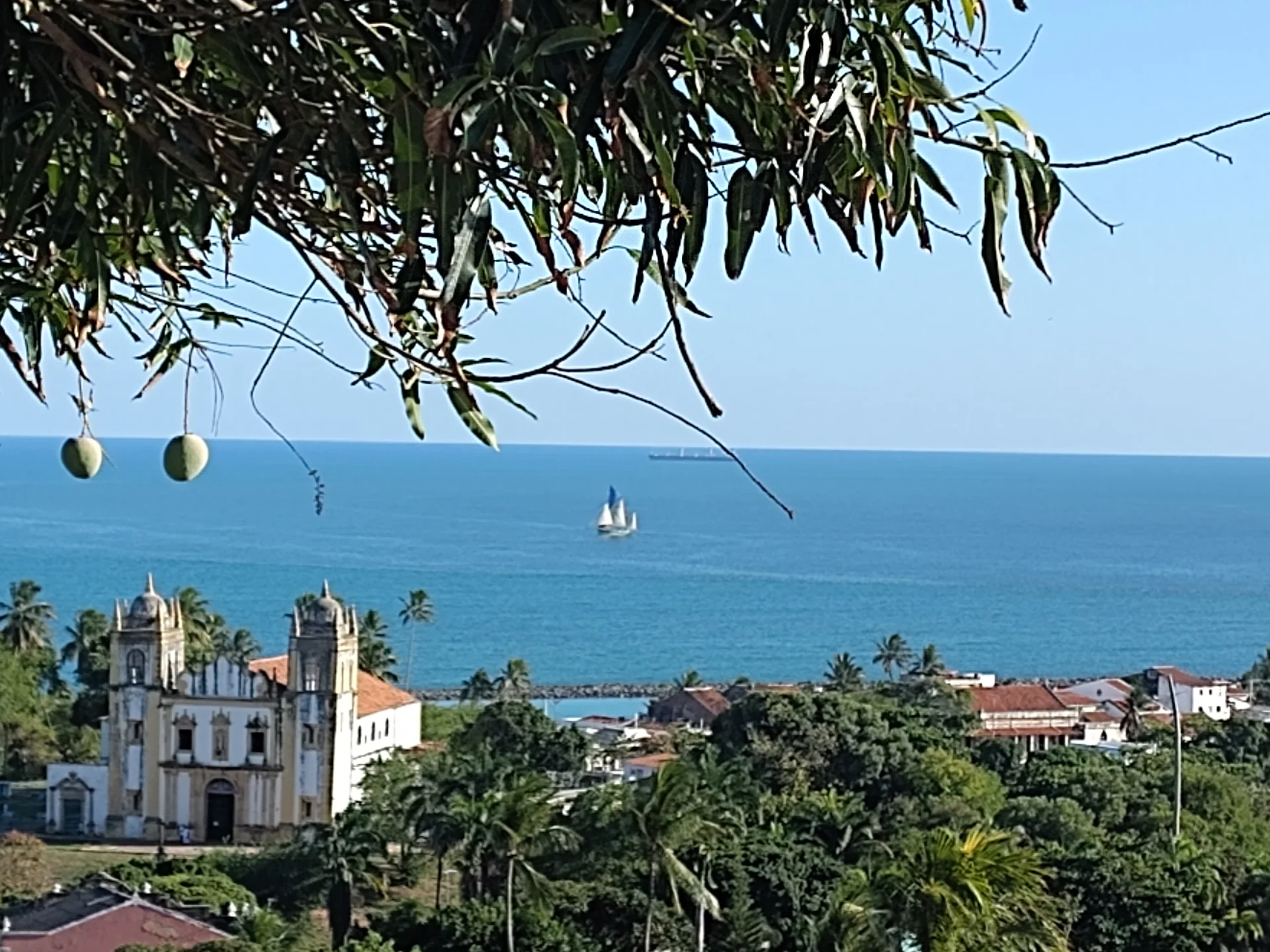
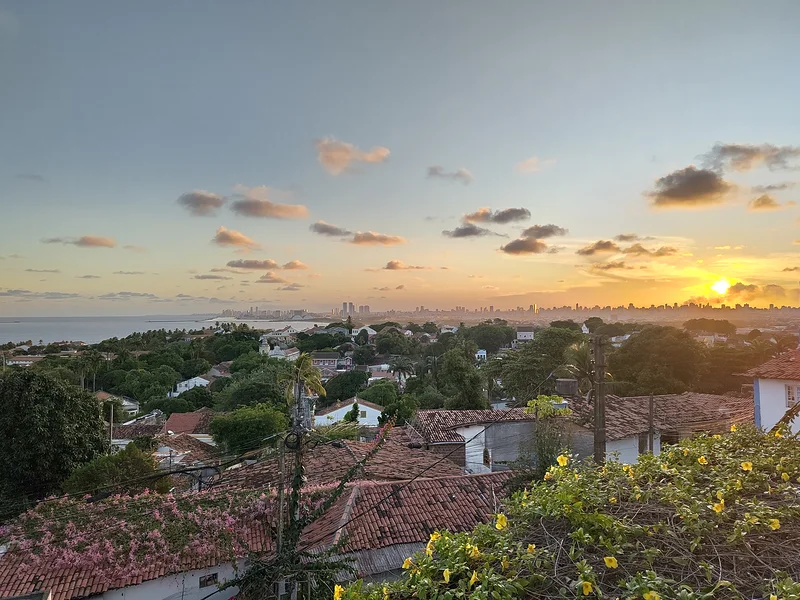
A city with so many bell towers and lots of height, with a breathtaking view of the massive Recife from the Praça Alto da Sé.