
Exploring Salvador, a blend of culture and coastline
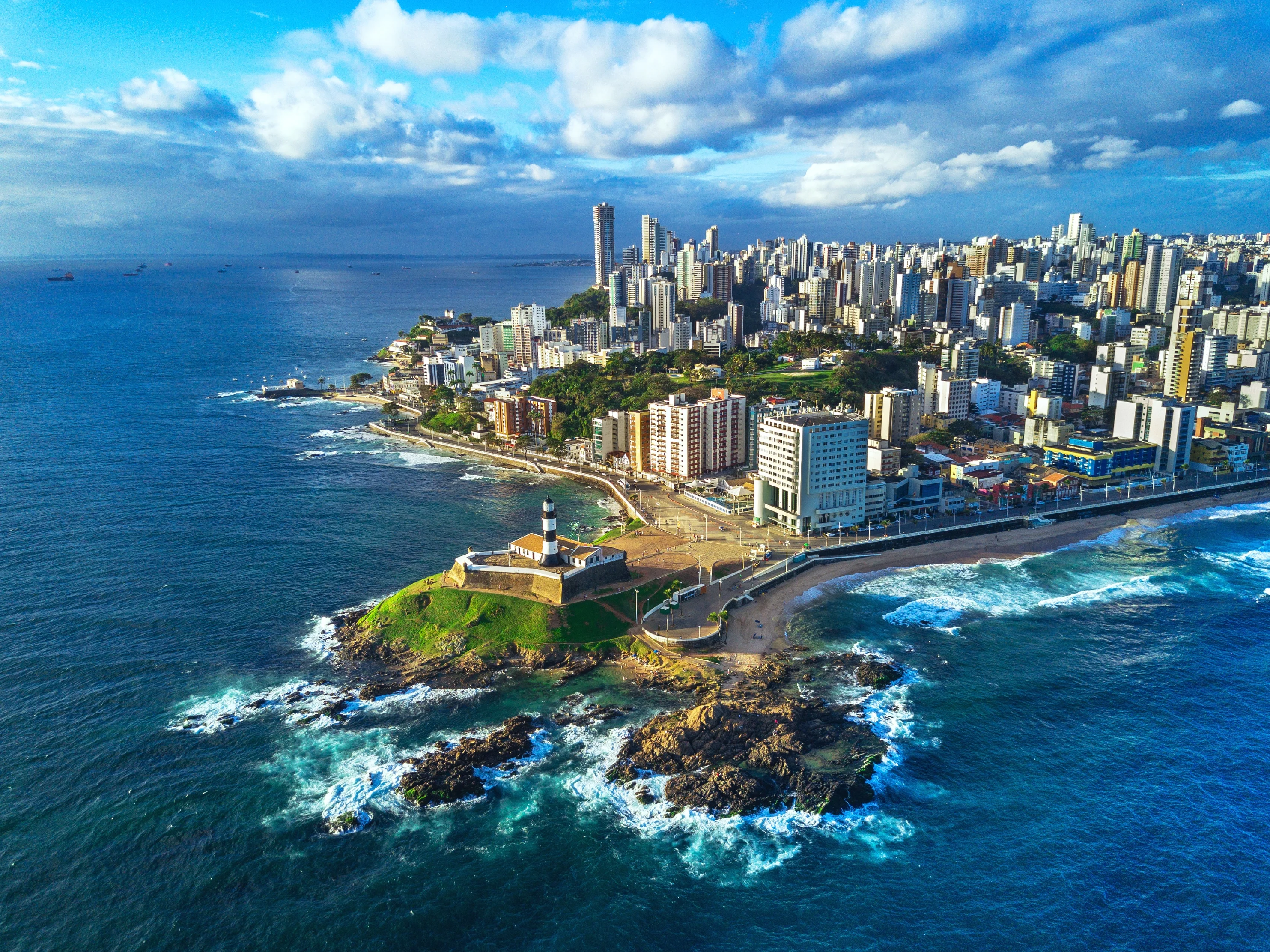
As the capital of Bahia, Salvador is defined by its deep Afro-Brazilian roots, golden beaches, and colorful colonial architecture. Between the history, the music, and the food, it draws travelers looking for an authentic and energetic side of Brazil.
Pelourinho: A protected historic center
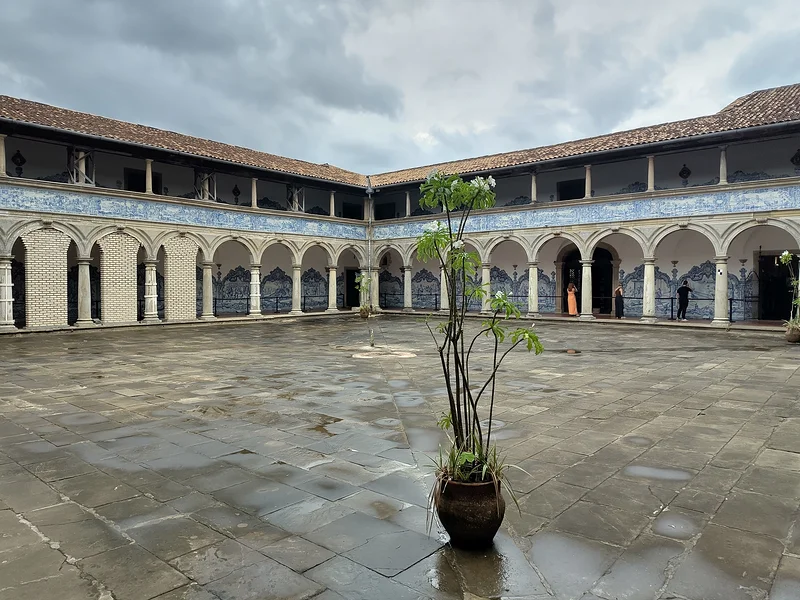
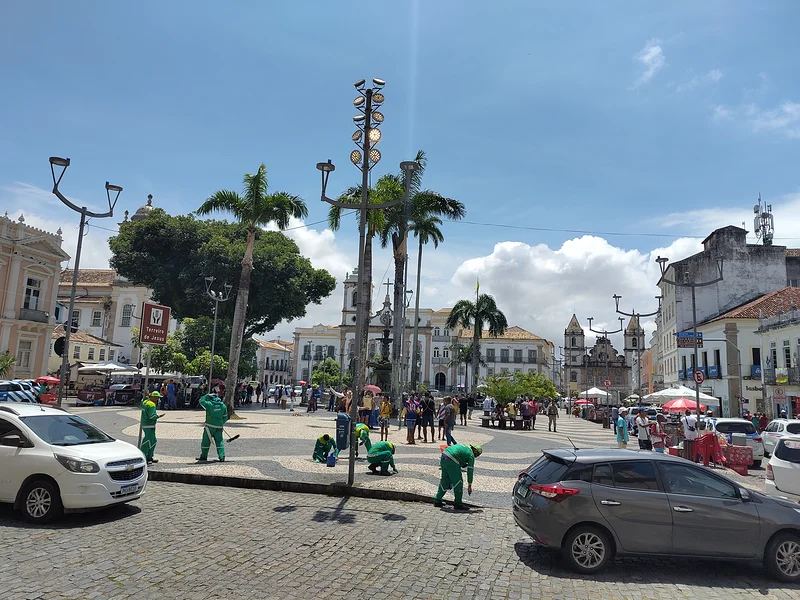
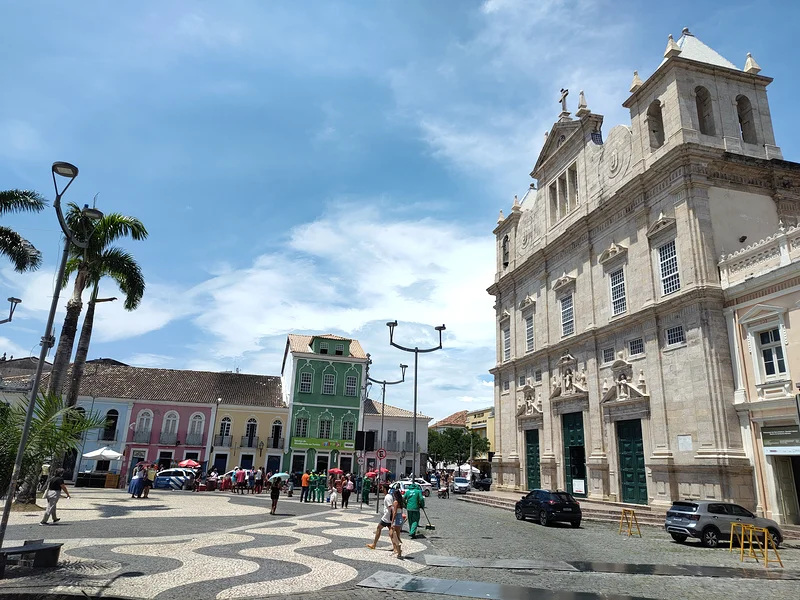
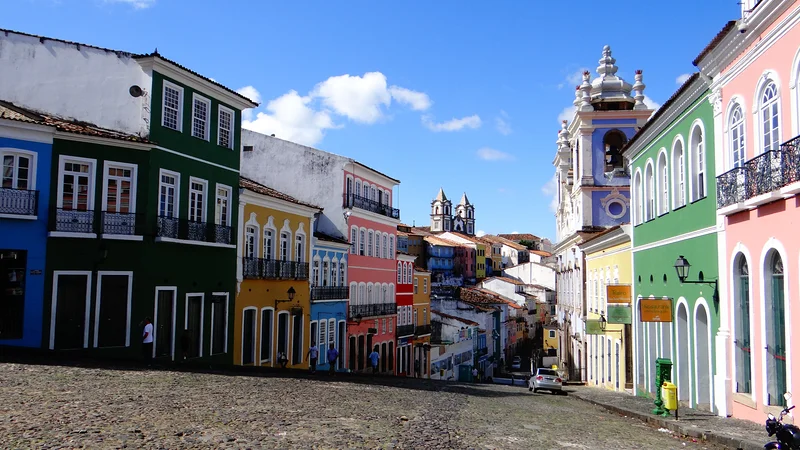
A UNESCO World Heritage site, the Pelourinho serves as the historic heart of Salvador. Its cobblestone alleys lined with pastel-colored colonial buildings create a picturesque scene. Several notable baroque churches, such as the São Francisco Church, are worth visiting for their elaborate, gilded interiors.
Beaches: Relaxation and surf
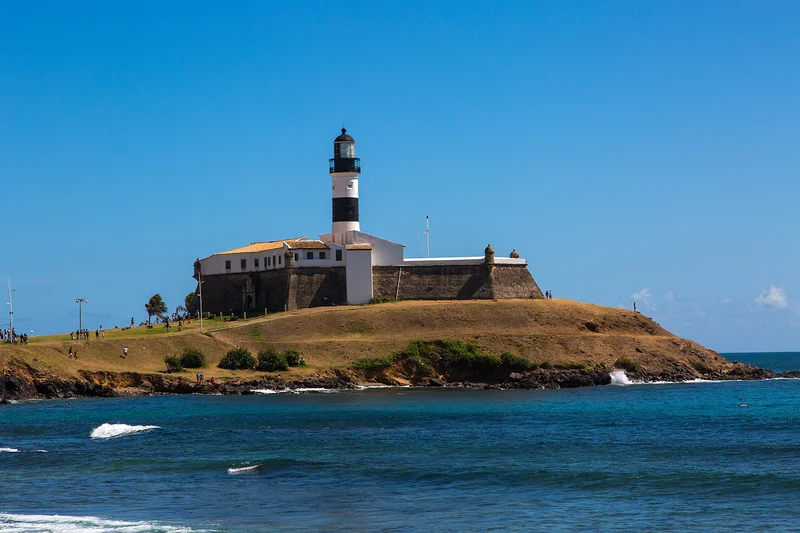
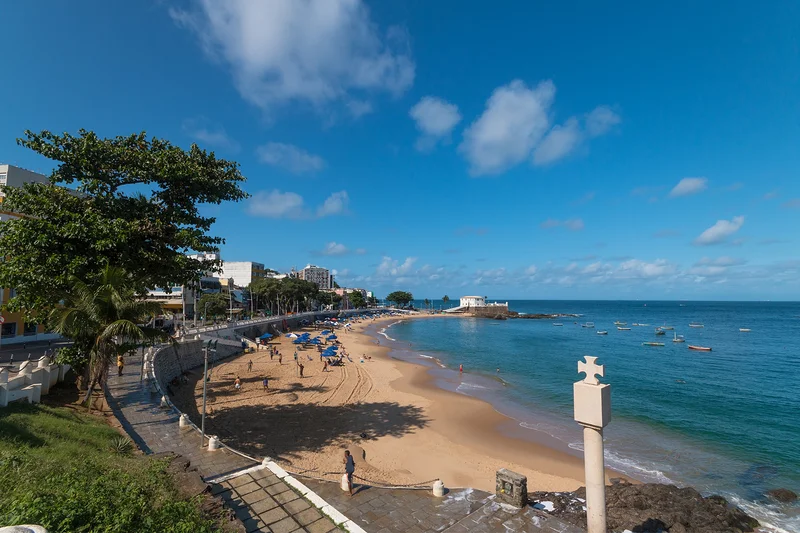
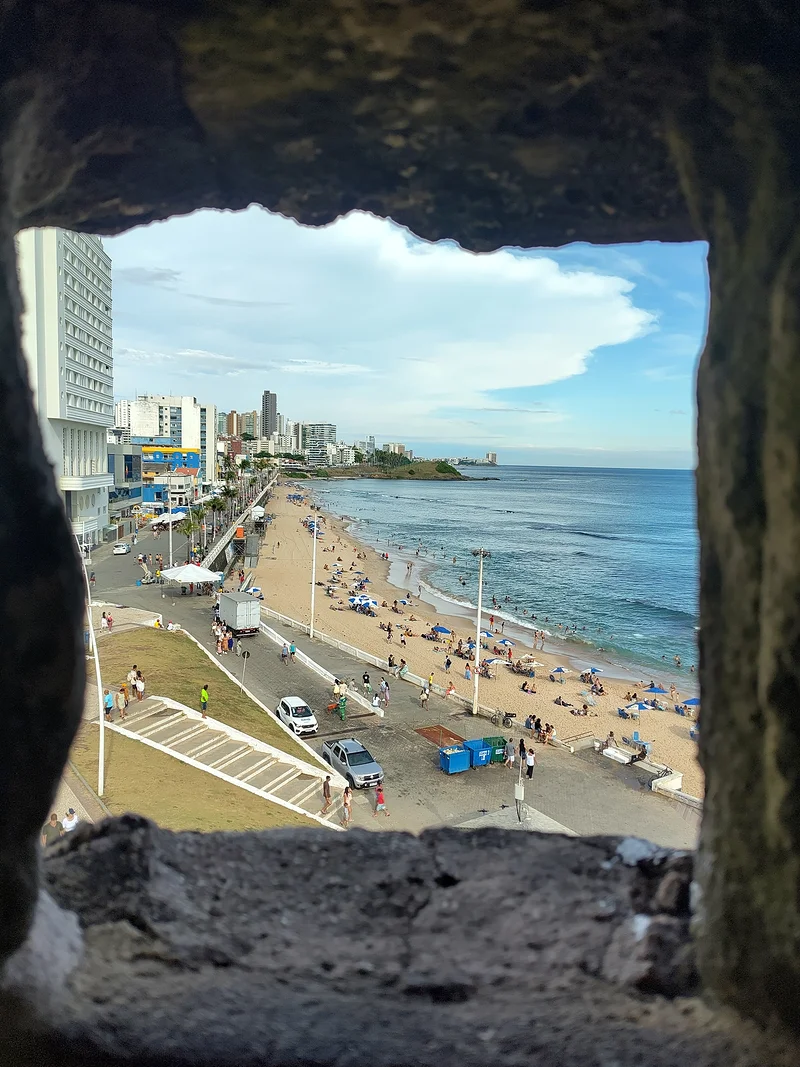
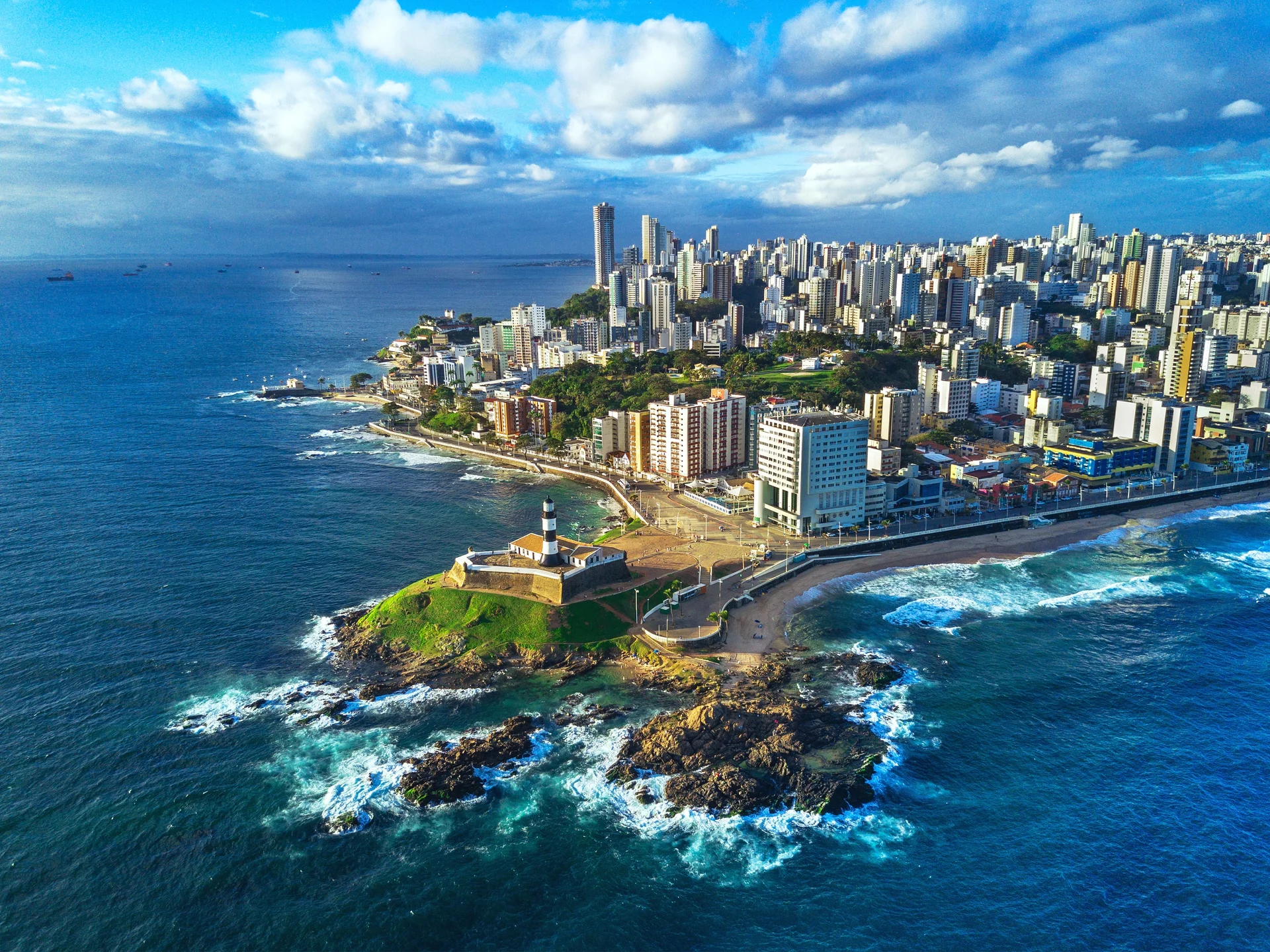
Salvador features several beaches reachable from the city center. Porto da Barra is a small beach favored by locals and ideal for swimming. Further north, Praia do Flamengo draws a surfing crowd. Some spots, like Itapuã, offer a quieter atmosphere lined with coconut palms, perfect for a day of lounging.
São Joaquim Market and Bahian culture
For a look at local life, the São Joaquim Market provides a fascinating immersion. You will find spices, handmade crafts, and the essential ingredients that define Bahian cuisine. Salvador is also the cradle of candomblé, an Afro-Brazilian religion that remains central to the city's music, dance, and ceremonies.
Ribeira and its bay views
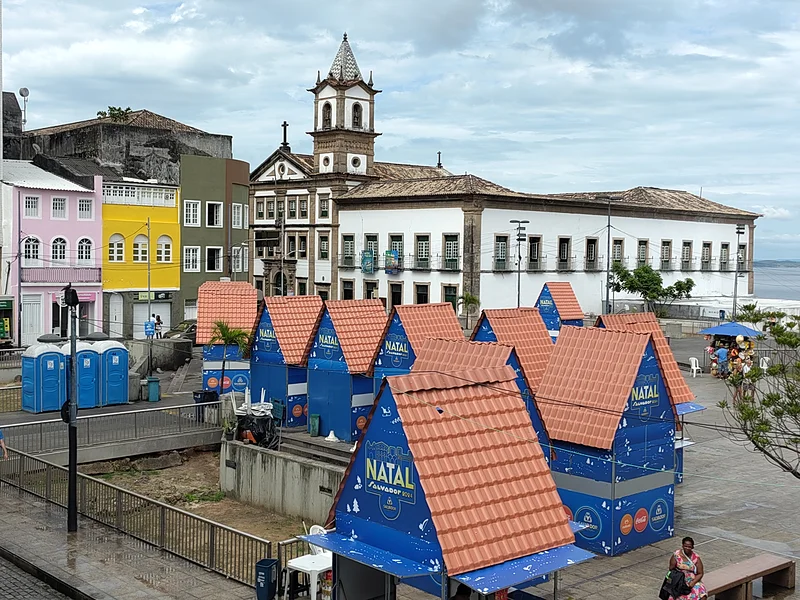
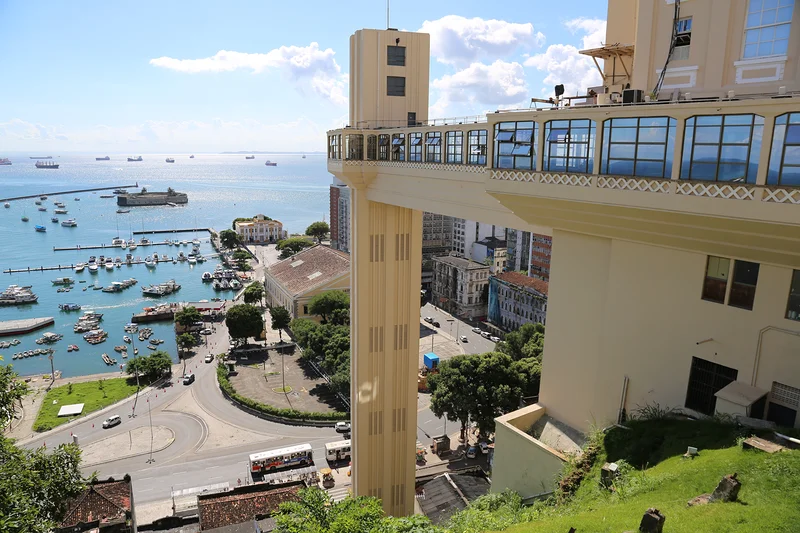
Less frequented by tourists, the Ribeira neighborhood is an excellent spot to take in views of the All Saints Bay. At the end of the day, the sunset over the water here is particularly impressive.
Flavors with African influences
The gastronomy in Salvador draws heavily from African traditions. Acarajé, a black-eyed pea fritter fried in palm oil, is a staple of the local street food scene. The moqueca, a fish stew made with coconut milk and dendê oil, is a must-try specialty.
For drinks, the batida de coco, a sweet cocktail made with coconut milk and cachaça, is a classic Bahian choice.
Where to eat?
- Restaurante Yemanjá (Jardim Armação): Renowned for its moqueca and seafood.
- Casa de Tereza (Rio Vermelho): An elegant spot to sample elevated versions of Bahian dishes.
- Boteco do França (Barra): A great pick for a local, casual dining experience.
- Acarajé da Cira (Itapuã): An institution for tasting authentic acarajé.
Where to stay?
- Fera Palace Hotel (Centro Histórico): A boutique hotel with views over the bay.
- Hotel Fasano Salvador (Centro): A high-end property located in a historic building.
- Pousada Solar dos Deuses (Pelourinho): An intimate option full of character.
- Mercure Salvador Rio Vermelho (Rio Vermelho): A reliable, value-focused choice facing the ocean.
When to go?
Salvador has a tropical climate with warm temperatures year-round. The dry season, from September to March, is the ideal time to visit.
In February, the Salvador Carnival, one of the largest in Brazil, draws massive crowds and turns the city into a giant party.
How to get there?
The Salvador International Airport receives flights from Europe and major Brazilian cities. A flight from São Paulo takes about 2.5 hours. From the airport, taxis or shuttles are the best way to reach the center.
Getting around
Taxis and ride-hailing apps like Uber are the most practical ways to get around. Buses are available but generally not recommended for tourists. The historic center and several beaches are easy to explore on foot.
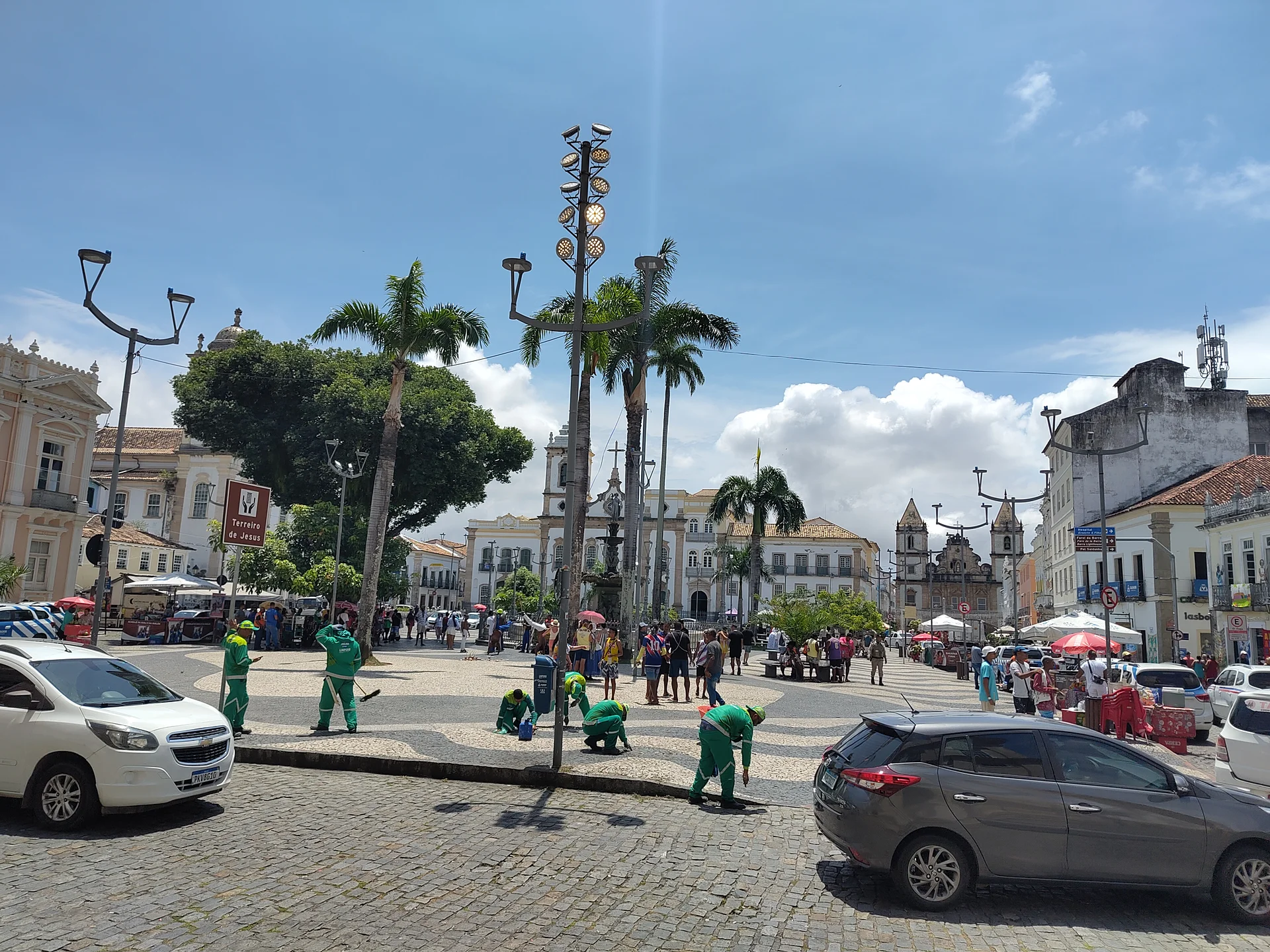
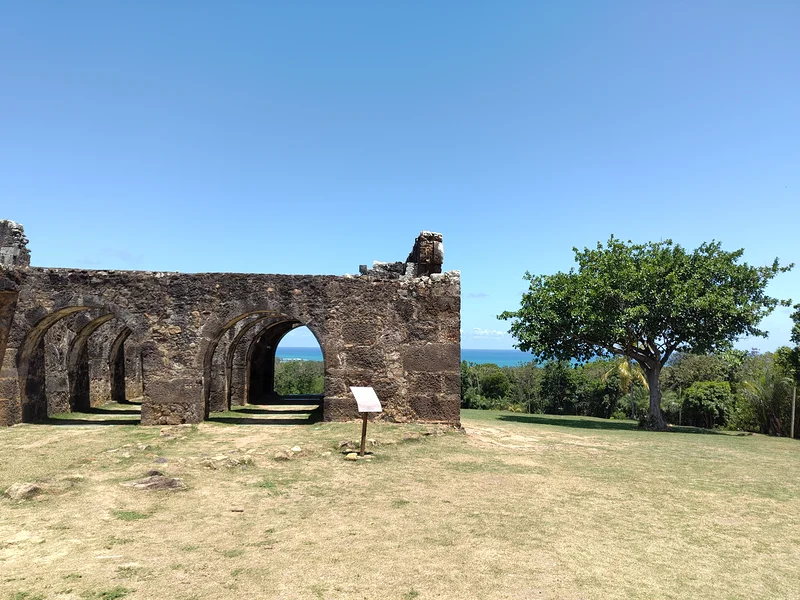
Salvador de Bahia is a vibrant city in Brazil that I had a great time discovering. It is a colorful city where you can deeply feel the Afro-Brazilian soul. I took advantage of beaches like Porto da Barra to relax and watch the sunset. I especially loved strolling through Pelourinho with its colorful houses and festive atmosphere. The capoeira shows in the public squares are impressive. The local cuisine, especially the moqueca and acarajé, also really won me over. The locals are warm and very welcoming.