
Maragogi: The Brazilian Caribbean that actually delivers
The tide is receding. Six kilometers offshore, coral reefs emerge to reveal natural pools of an unreal turquoise. Every day, small boats carry visitors out to swim among parrotfish in less than a meter of warm water. This spectacle has earned Maragogi its nickname as the Brazilian Caribbean. For once, the comparison is not an exaggeration.
Is this the destination for you?
This small town of 34,000 residents, wedged between Recife and Maceió on the Alagoas coast, is not for everyone. It is a beach destination, period. No museums, no frantic nightlife, no colonial heritage to visit. Your days revolve around the tide: an excursion to the natural pools in the morning, lounging on empty beaches in the afternoon, and a dinner of grilled fish as the sun sets.
Families with children love the calm, shallow waters. Couples looking for romance find their bliss in the intimate pousadas (inns) along the northern coast. However, travelers who enjoy exploring and varying their activities might get bored after three days. And those who cannot stand humid heat should skip it: temperatures regularly exceed 30°C (86°F) year-round.
A reasonable budget for a Brazilian beach getaway
Expect to pay between 200 and 400 R$ ($35, 70) per night for a decent pousada, and 600 to 1,500 R$ ($105, 265) for an all-inclusive resort. A meal at a beach restaurant costs 40 to 80 R$ ($7, 14) per person, and the passeio (trip) to the natural pools is about 120 R$ ($21) including the catamaran transfer.
The natural pools: The heart of the experience
Three pool zones vie for the attention of visitors. The Galés, the most famous, form the largest reef system. The water reaches depths of 1 to 5 meters depending on the spot, which allows for introductory scuba diving. Taocas, smaller and less crowded, offers a quieter setting for families. Barra Grande, the most accessible, is perfect for children thanks to its very shallow water.
Friendly advice: check the tábua de marés (tide table) before booking your stay. The pools are only accessible when the tide drops below 0.5 meters. The best conditions occur around the new and full moons. Boat captains refuse to head out at high tide, and you would be wrong to insist.
A string of beaches to the north
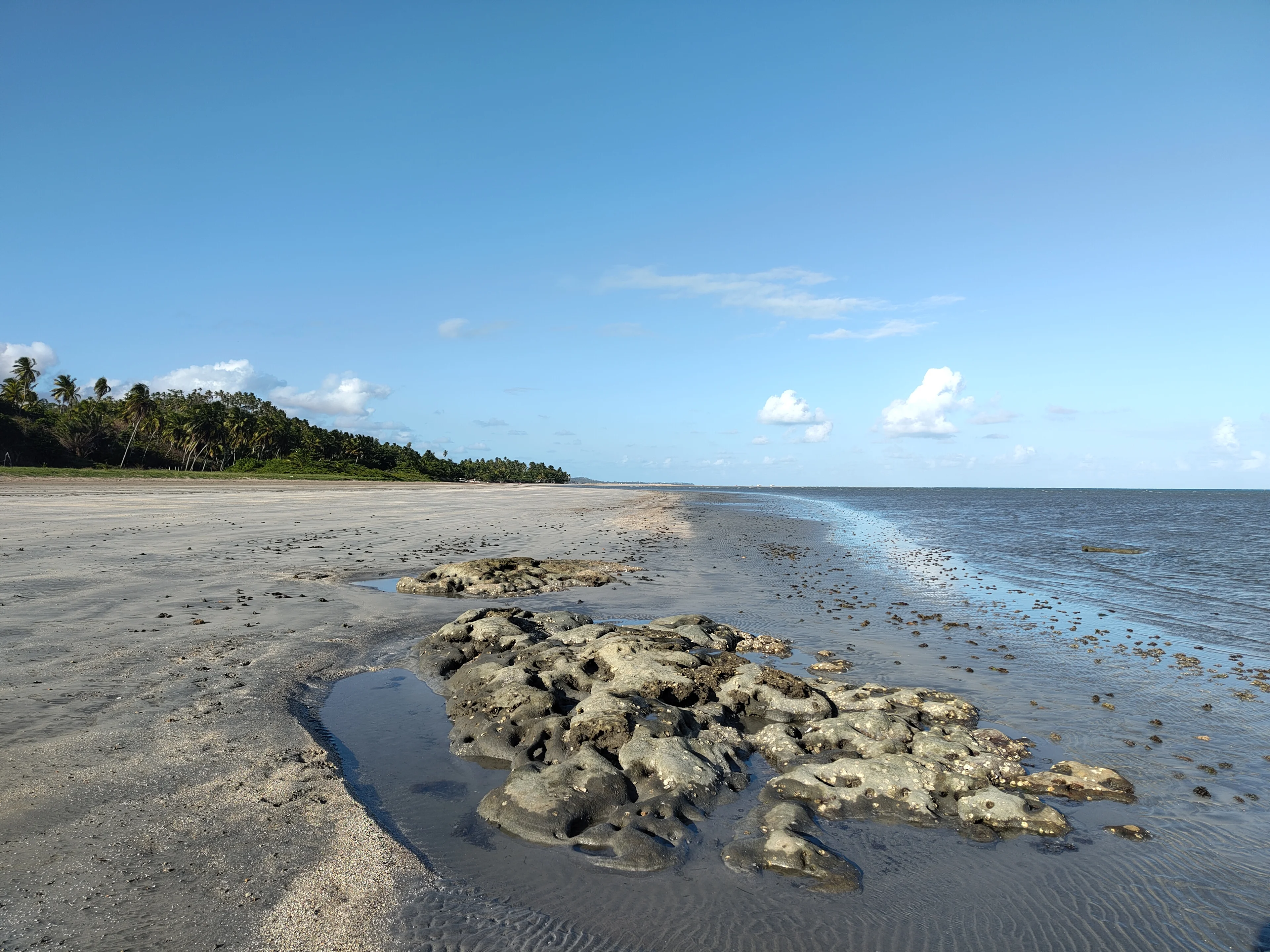
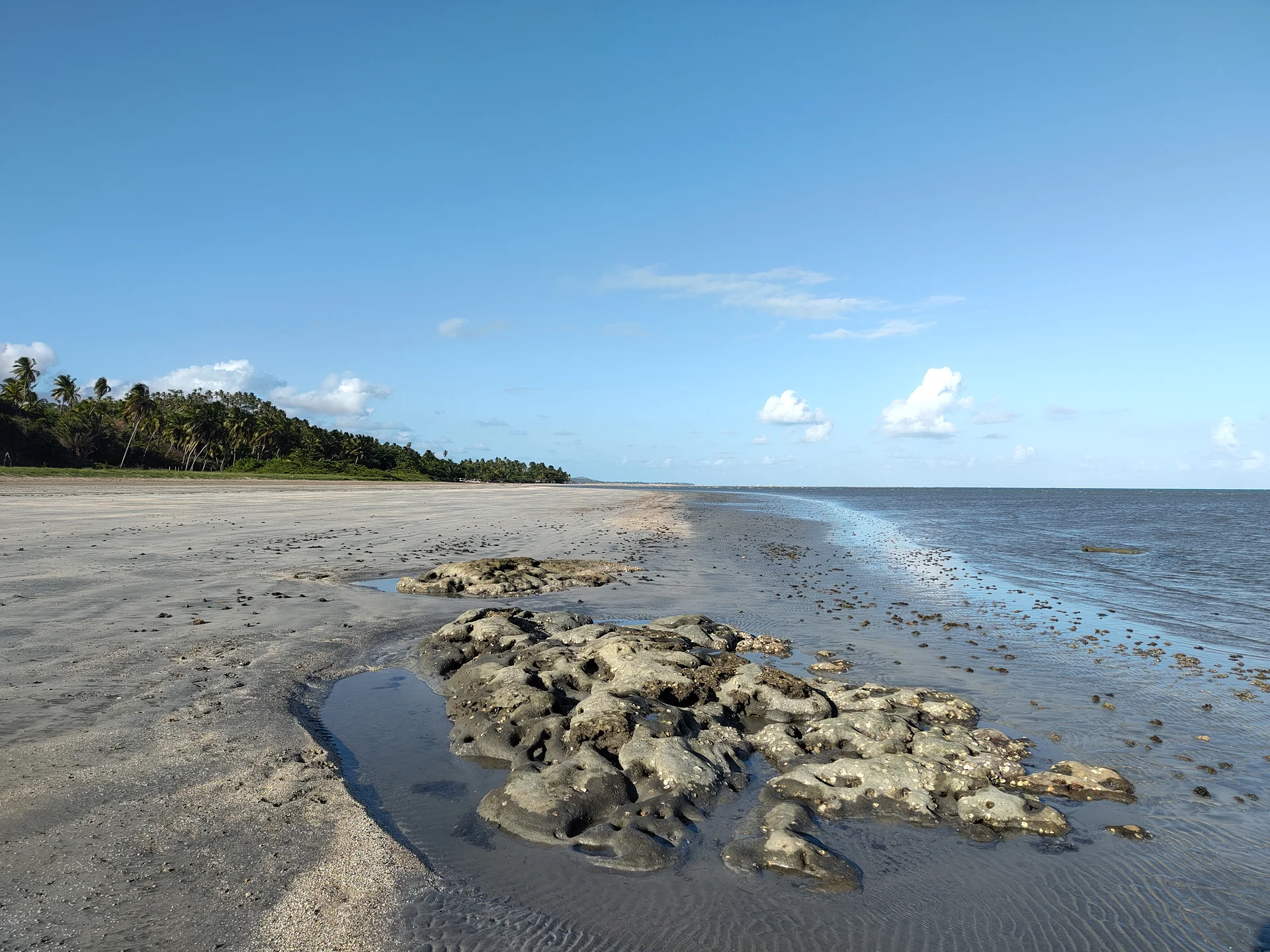
The central beach of Maragogi lacks charm. The town turns its back on its waterfront, and buildings are clustered without much coherence. But as you head north on the AL-101, the scenery changes drastically. Praia de Burgalhau offers a first reprieve with its seafood restaurants tucked under coconut trees.
Further along, Barra Grande reveals the famous Caminho de Moisés, a sandbar that appears at low tide and allows you to walk up to 2 km into the ocean. Hammocks set up in the water and vendors selling pastéis (fried pastries) make the experience delightfully Brazilian.
Praia de Antunes is home to higher-end accommodations. Its transparent waters and rows of leaning coconut trees provide the postcard setting everyone is looking for. Finally, Ponta de Mangue and Peroba, at the edge of Alagoas, guarantee absolute tranquility in the off-season.
Excursions in the surrounding area
50 km to the south, São Miguel dos Milagres offers a more peaceful alternative with its deserted beaches bordered by endless coconut groves. The natural pools there are accessible by traditional jangada (raft) for a fraction of the price charged in Maragogi. To the north, already in the state of Pernambuco, Praia dos Carneiros justifies a day trip with its white church planted right at the water's edge.
Buggy rides along the coast remain popular. The circuits pass through beaches inaccessible by car and viewpoints over the cliffs of Japaratinga. Expect to pay about 250 R$ ($44) for a 3-hour tour that covers the northern or southern coastline.
Where to eat and drink in Maragogi?
Local gastronomy revolves around seafood. The peixada alagoana, a fish stew simmered with coconut milk and palm oil, is on every menu. Moqueca (fish stew) and grilled lobster round out the standard offerings at beach restaurants.
To get off the beaten path, Tuyn offers Brazilian-Asian fusion cuisine in the refined setting of the Praiagogi pousada. The Dutch chef of Indonesian descent creates dishes that stand out from the local scene. Camurim, at the pousada of the same name in Barra Grande, requires a reservation but arguably offers the best table in the region with its robalo (snook) in coconut butter and lamb chops. More accessible, Odoiá serves an honest moqueca baiana with your toes in the sand, right in the center.
Where to sleep in and around Maragogi?
The center of Maragogi concentrates the budget options and allows you to walk to dinner in the evening. Pousadas there have rates around 200 to 400 R$ ($35, 70) per night. Pousada Concha Dourada and Odoiá Maragogi offer good value.
The beaches of the northern coast host the most desirable accommodations. Pousada Rangai and Maragogi Brisa Exclusive, facing Praia de Antunes, dominate the mid-range segment. For true luxury, Salinas Maragogi and Grand Oca operate as all-inclusives with direct access to natural pools from their private beach. Expect 1,200 to 3,500 R$ ($210, 615) per night depending on the season.
The small town of Japaratinga, 10 km to the south, offers a quieter alternative with the Japaratinga Lounge Resort, which is regularly awarded for its cuisine.
How to get to and travel around Maragogi?
Two airports serve the region. Maceió is 130 km to the south, and Recife is 135 km to the north. The drive takes about 2 hours in either case on roads in good condition. Private transfers cost between 300 and 500 R$ ($53, 88) from either airport. Shared minivans also depart from the Maceió bus station for about 50 R$ ($9).
Once there, a vehicle makes moving between the beaches much easier. Without a car, motorcycle taxis and local vans provide the connection between the center and the northern beaches. A trip to Antunes costs 3.50 R$ ($0.60) by van, more by motorcycle taxi.
When to go?
The dry season runs from September to March. This is also the time when the sun gives the sea its most intense turquoise hues. January and February attract crowds of vacationing Brazilians, with higher prices and hotels filling up. October and November offer the best compromise: good weather, low crowds, and reasonable rates. Avoid May through July, when frequent rains cloud the visibility in the natural pools.
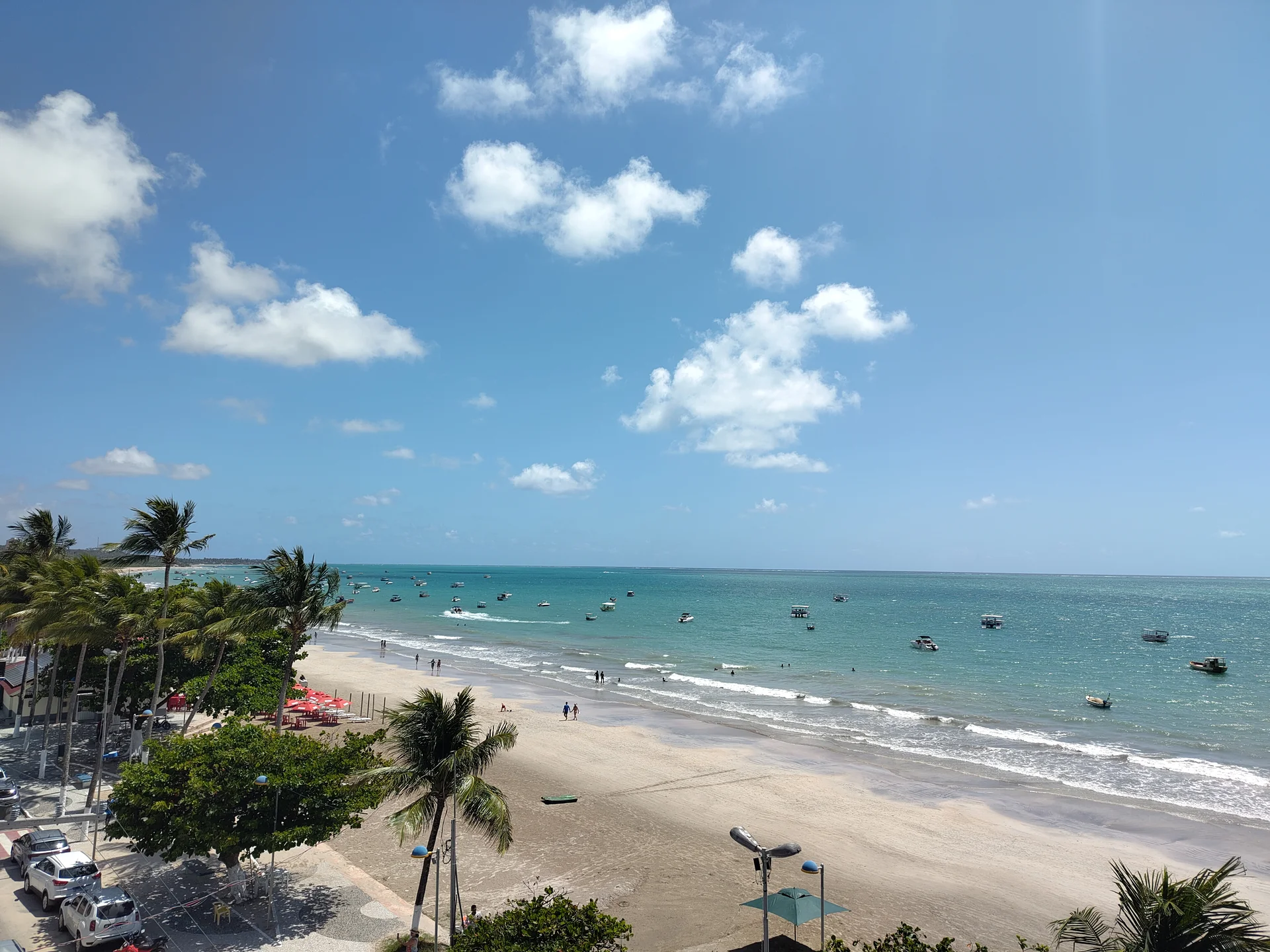
The city is pretty touristy with plenty of restaurants and shops. The sea is a gorgeous turquoise blue and the sand is nice and white.