
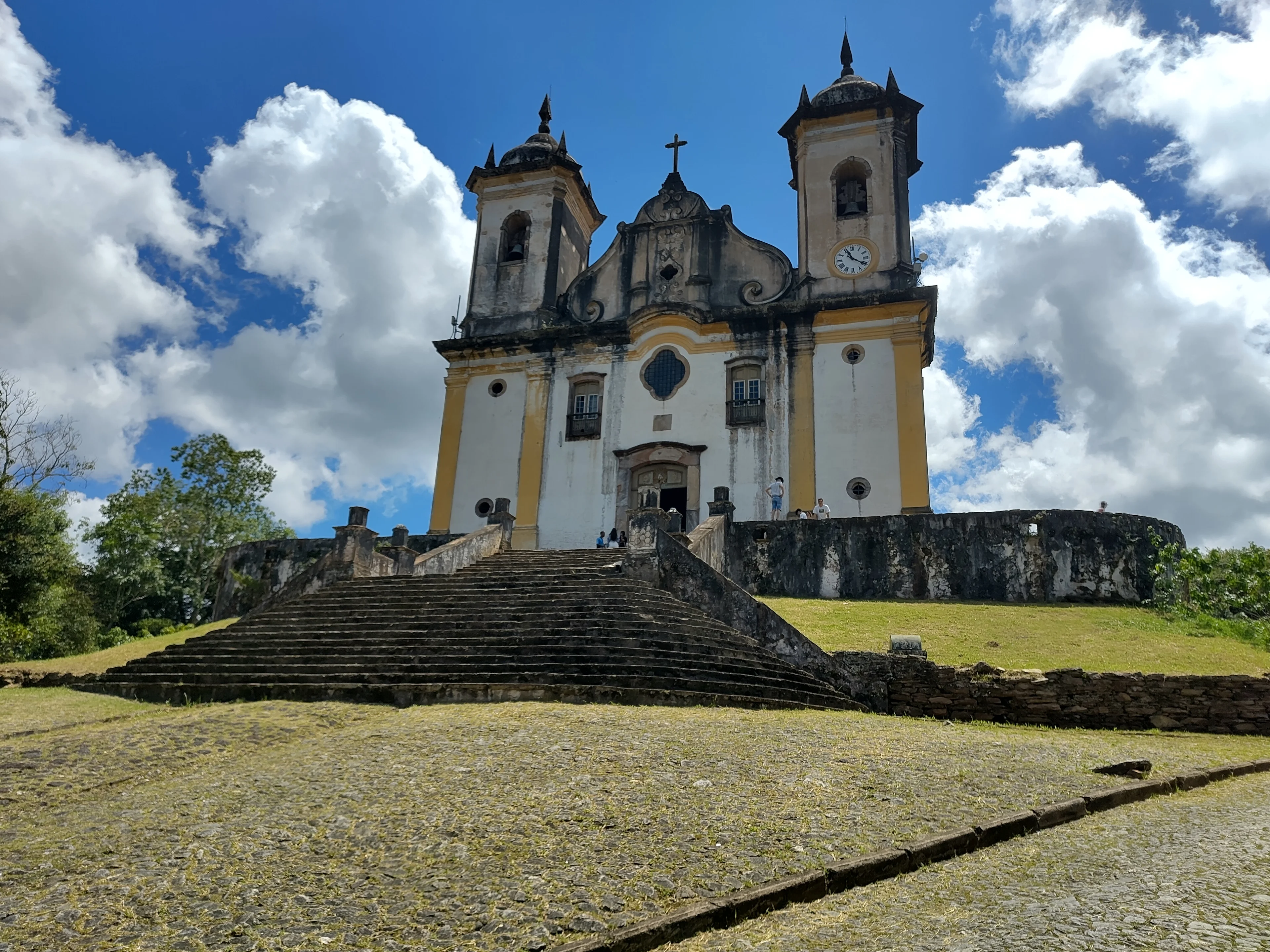
Visiting Ouro Preto, the Baroque jewel of Minas Gerais
Editorial update, April 11, 2025
Tucked into the mountains of Minas Gerais, Ouro Preto is defined by its preserved Baroque architecture and deep sense of history. This former mining hub feels like a time capsule, with steep cobblestone streets, ornate churches, and deep-rooted local culinary traditions.
Remarkable architectural heritage
As a UNESCO World Heritage site, Ouro Preto is known for its highly detailed Baroque churches, most notably the Igreja São Francisco de Assis and the Igreja Nossa Senhora do Carmo. These structures serve as monuments to the immense wealth generated here during the 18th-century gold rush.
Museums for local history
The Museu da Inconfidência (the city's primary gold museum) and the Museu de Ciência e Técnica (Escola de Minas) offer a clear look at the region's mining and colonial past. These institutions house diverse collections ranging from raw mineral specimens to religious colonial art.
A city driven by culture
Ouro Preto regularly hosts cultural events, most notably the Festival de Inverno, which features a heavy rotation of music, theater, and visual arts. These events draw performers and visitors from across the country.
Natural landscapes to explore
Surrounded by rolling green hills, the city provides easy access to hiking and nature walks. The nearby surroundings, such as Itacolomi State Park, are excellent for spotting local flora and fauna.
Flavors of Minas Gerais
The food in Ouro Preto reflects the hearty, rustic traditions of the state. Local staples include feijão tropeiro, a filling mix of beans, cassava flour, and meat, along with frango com quiabo, a classic chicken and okra stew. Artisanal cheeses and guava-based desserts are standard finishers to any meal here.
Where to eat?
- O Passo Pizza Jazz (Centro): A spot that pairs Italian and Brazilian influences with a consistent rotation of live jazz.
- Escadabaixo Bar Cozinha (Rosário): A local favorite known for giving traditional dishes a modern twist in a relaxed environment.
- Tropea Cantina Armazem (Centro): A contemporary canteen focusing on fusion dishes with strong local roots.
Where to stay?
- Hotel Solar do Rosário (Centro): A boutique hotel with sweeping views over the city and high-end service.
- Grande Hotel de Ouro Preto (Centro): A landmark building designed by architect Oscar Niemeyer that balances mid-century design with comfort.
- Pousada Classica (Centro): A welcoming guesthouse located within walking distance of the main historic sites.
When to go?
The best window for a visit is between May and September, during the dry season. The Festival de Inverno in July is the peak of the local cultural calendar.
How to get there?
Frequent buses run from Belo Horizonte, the capital of Minas Gerais, to Ouro Preto. The trip takes about 2 hours and costs roughly 60 BRL (about $10). Renting a car is also a practical way to manage your own schedule if you plan to explore the surrounding countryside.
How to get around?
The historic center is best explored on foot, though be prepared for steep, uneven streets. For longer distances or tired legs, taxis and ride-hailing apps are readily available.
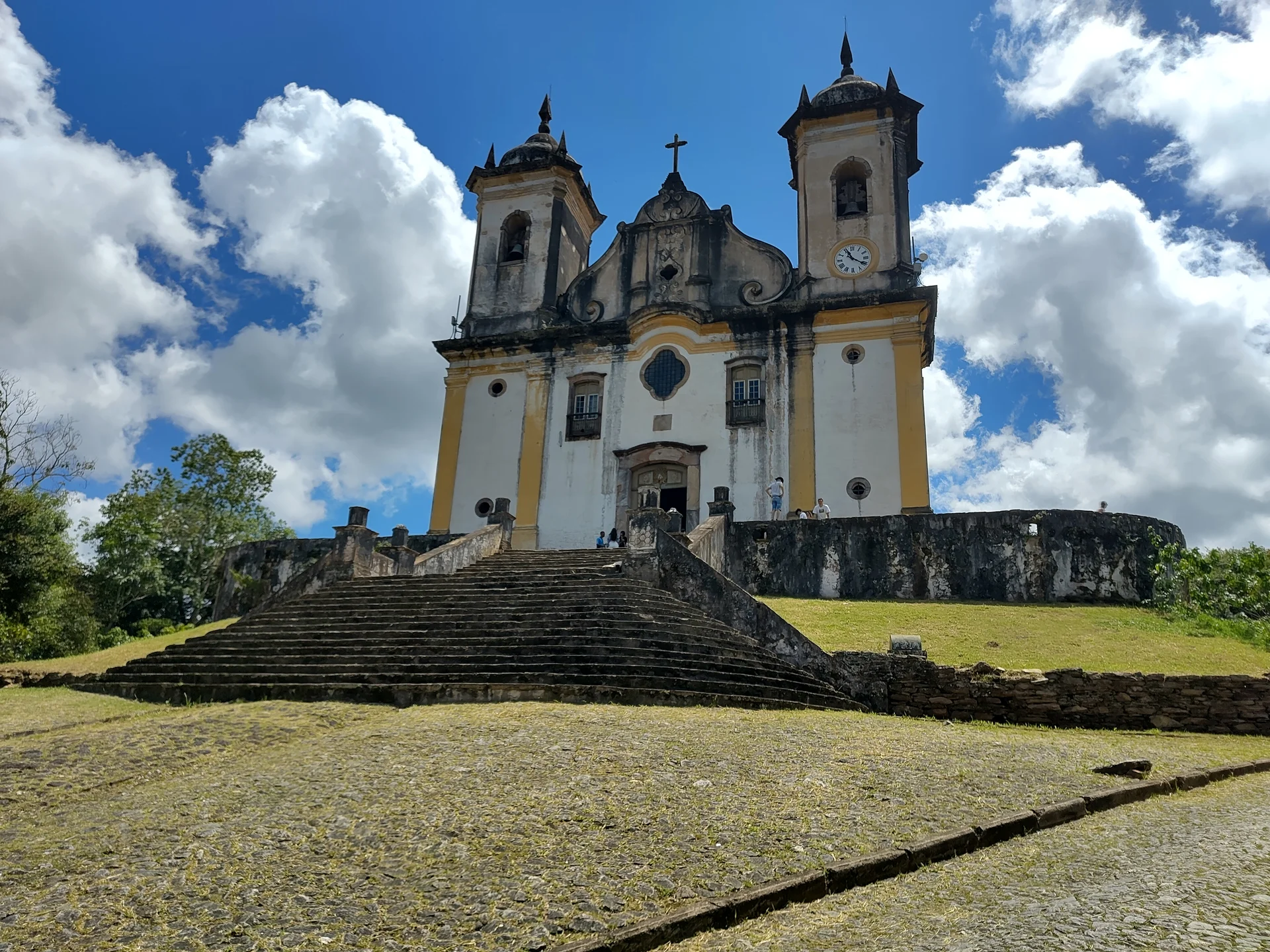
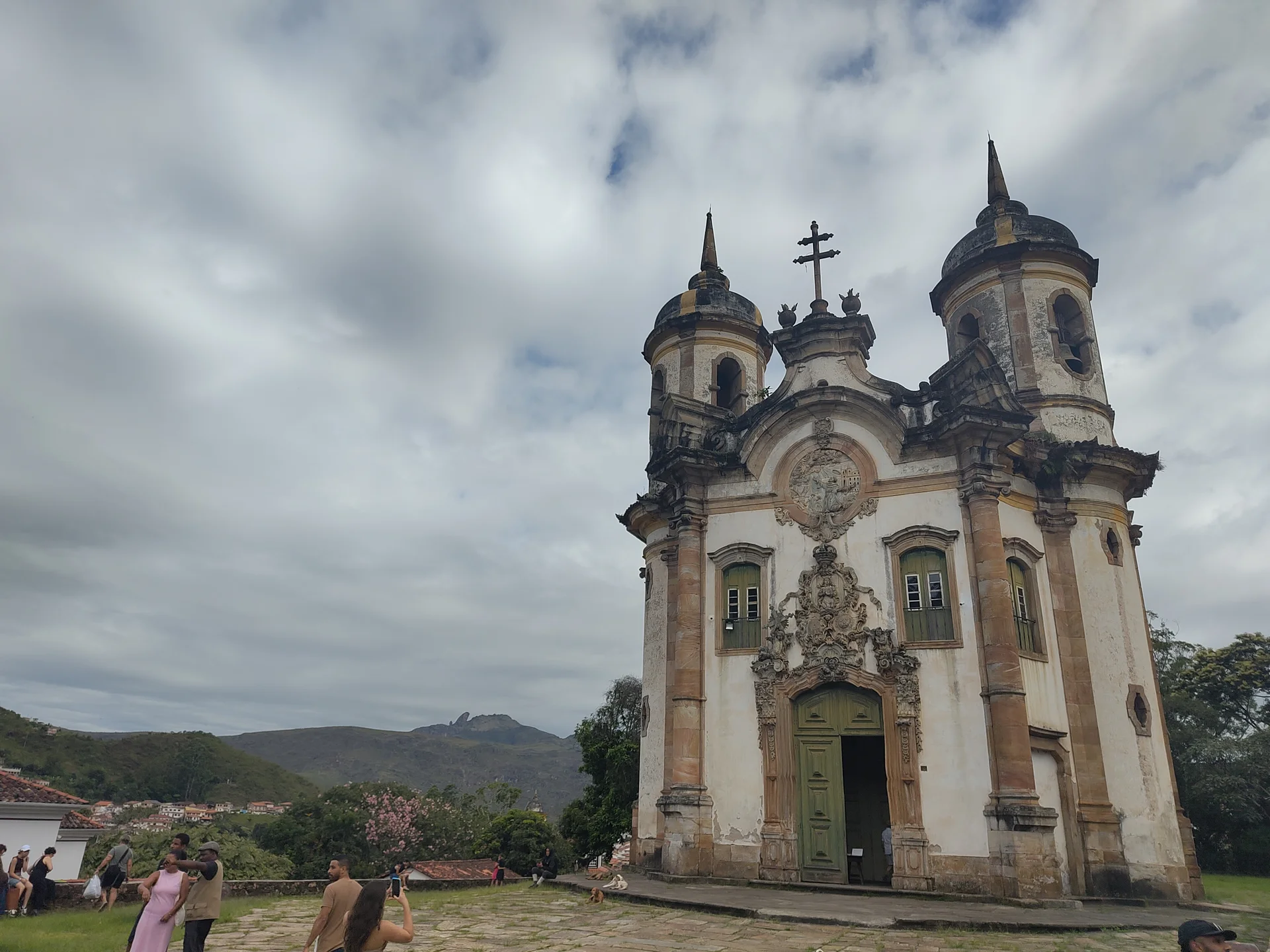
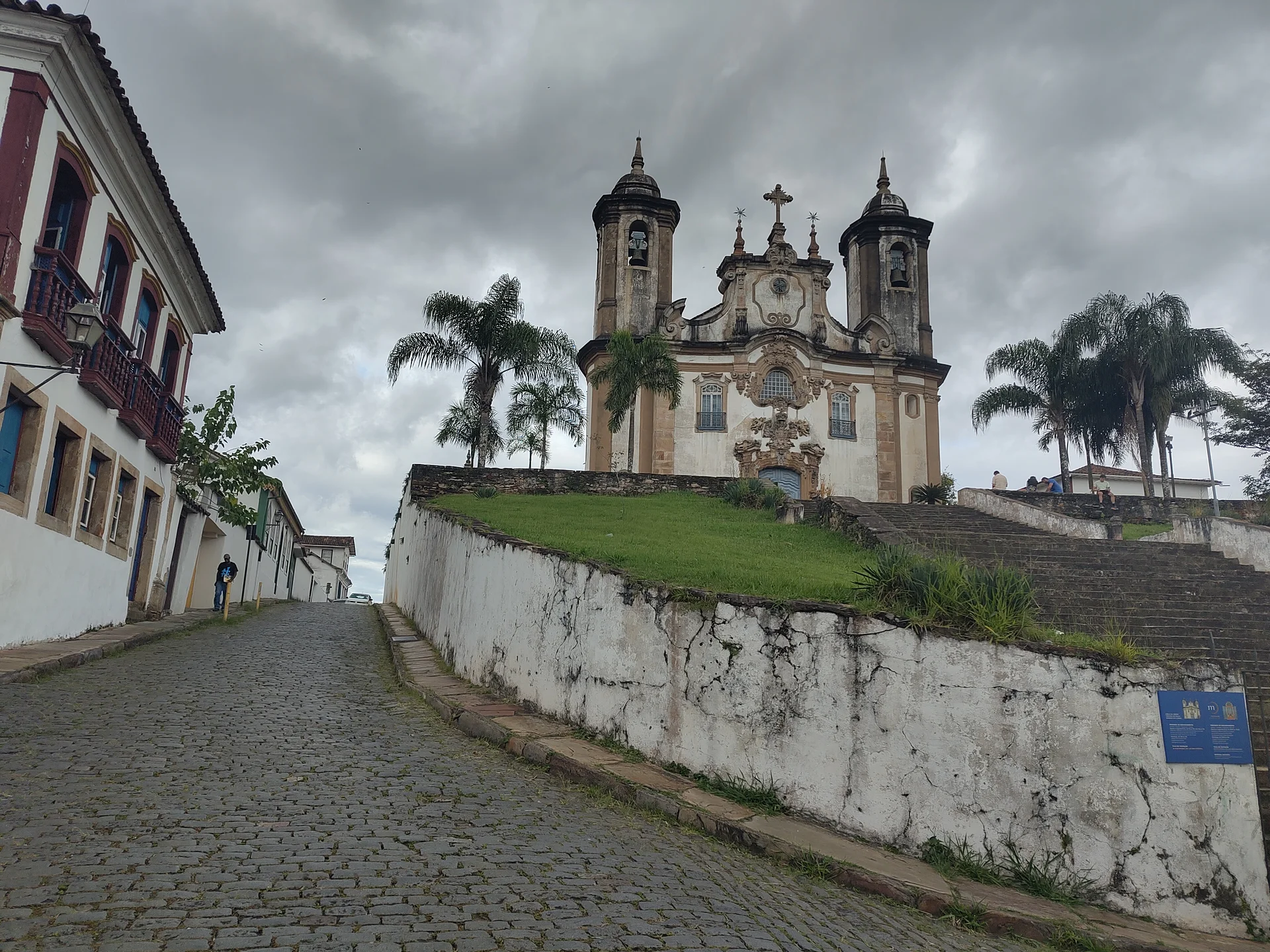
I loved wandering down the cobblestone streets to discover all the colonial churches, surrounded by mountains with a very pleasant, temperate climate.