
Visiting Copacabana
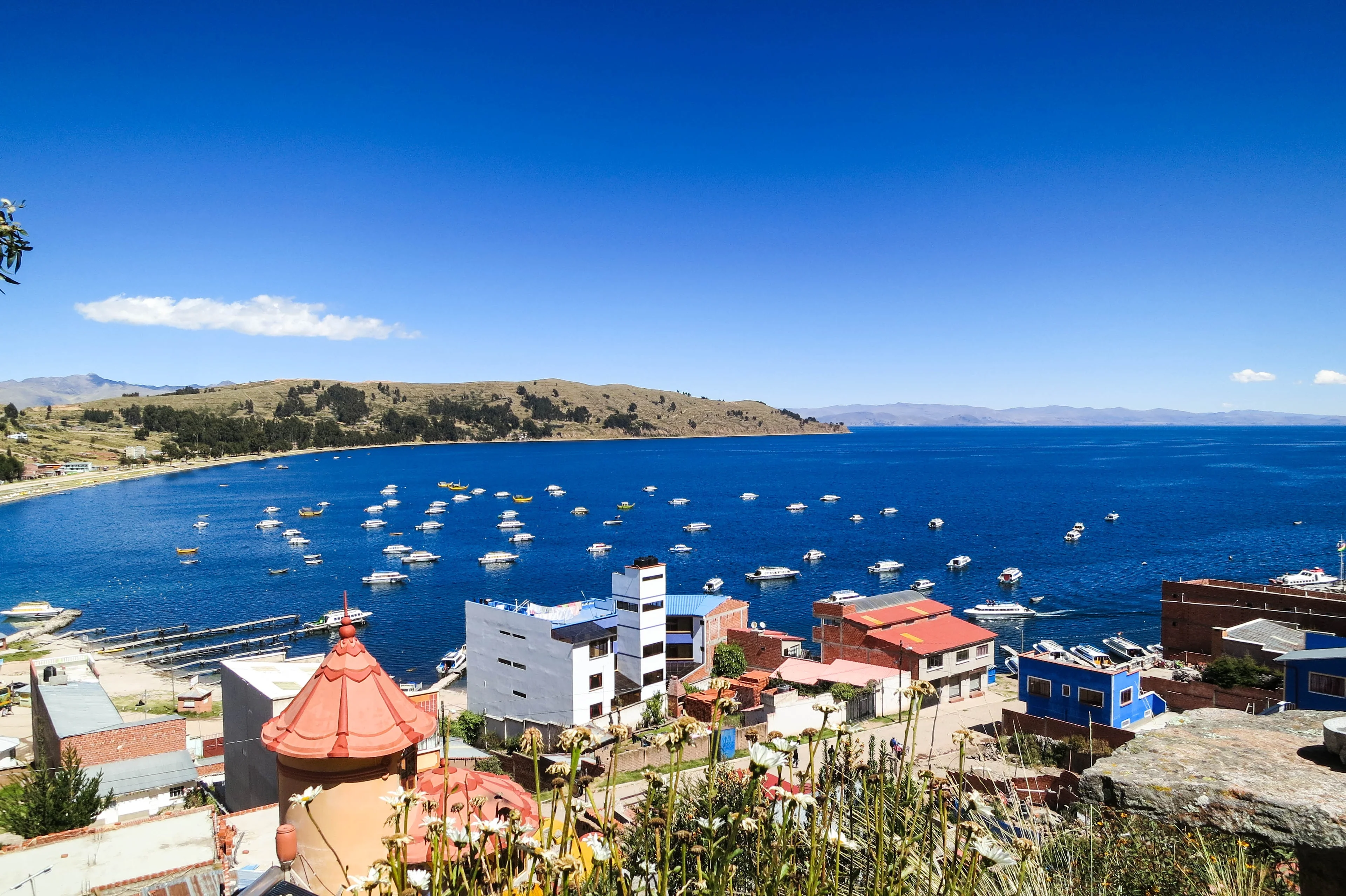
Copacabana is a small town in Bolivia perched on the shores of Lake Titicaca at an elevation of nearly 12,500 feet. Located just 3 miles from the Peru border, it serves as a primary transit point for travelers moving between the two countries. It is also an ideal spot to experience the spiritual atmosphere that defines the world's highest navigable lake. The name Copacabana actually derives from the local indigenous Aymara language and is thought to mean "view of the lake," so it has nothing to do with the famous Brazilian beach of the same name. From Copacabana, the boat crossing to Isla de la Luna or Isla Del Sol takes about 1 hour and 30 minutes. Beyond the scenery, you will find Inca ruins and a chance to experience local life at your own pace.
What to do in Copacabana, Bolivia?
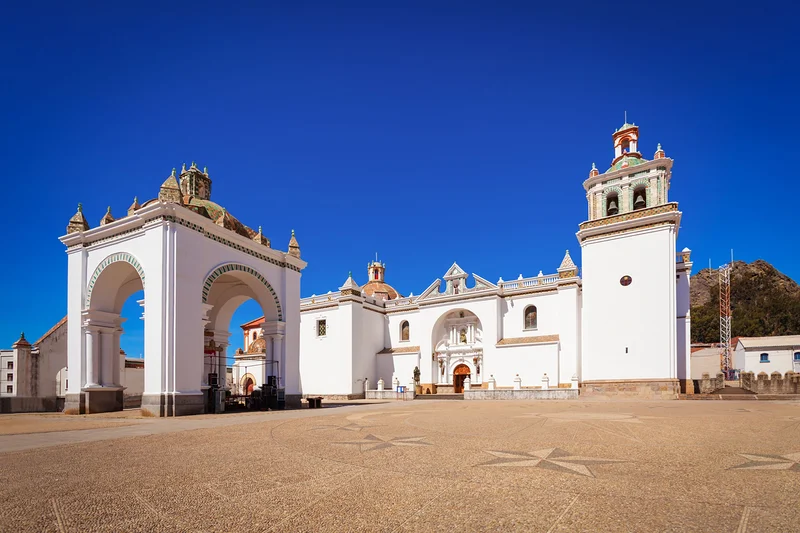
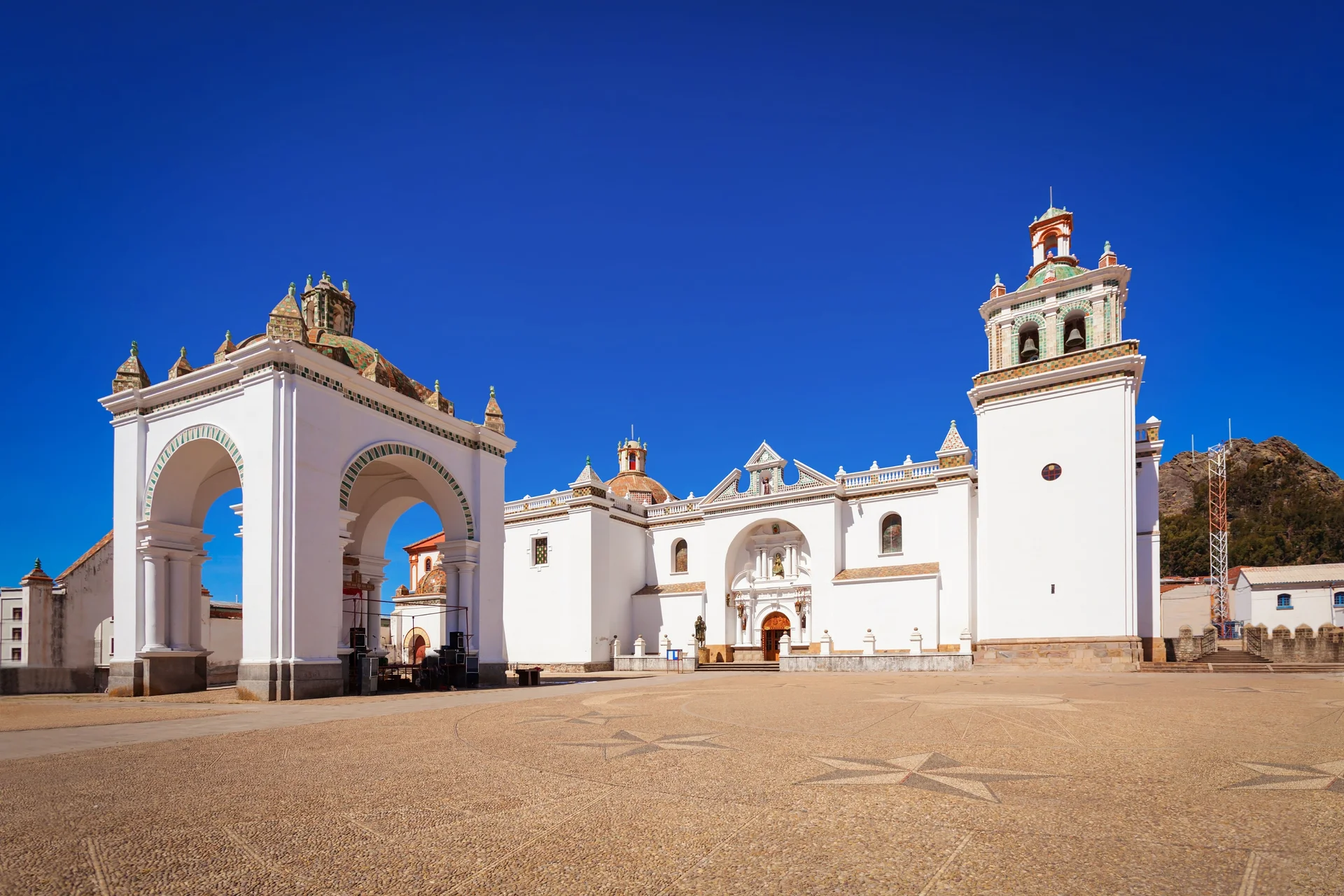
Copacabana is a sacred site for both pre-Columbian cultures and Catholic Bolivians. Do not miss a visit to the Basilica of Our Lady of Copacabana. Built in the 17th century just steps away from an ancient Inca temple, the structure reflects a mix of Renaissance and Baroque styles. Its architecture incorporates Moorish influences, specifically the azulejos (tiles) that cover its domes. It houses a statue of the Virgin of Copacabana, carved in 1580 by the Quechua artist Franciso Yupanqui, which is deeply venerated across the country.
When leaving the church, you might be surprised to see a line of vehicles decorated with ribbons and flowers, waiting for a priest to bless them. Many locals believe this ritual protects them from accidents. While in the downtown area, head to the Copacabana market for lunch and try a dish of fresh fish.
The best views of Lake Titicaca
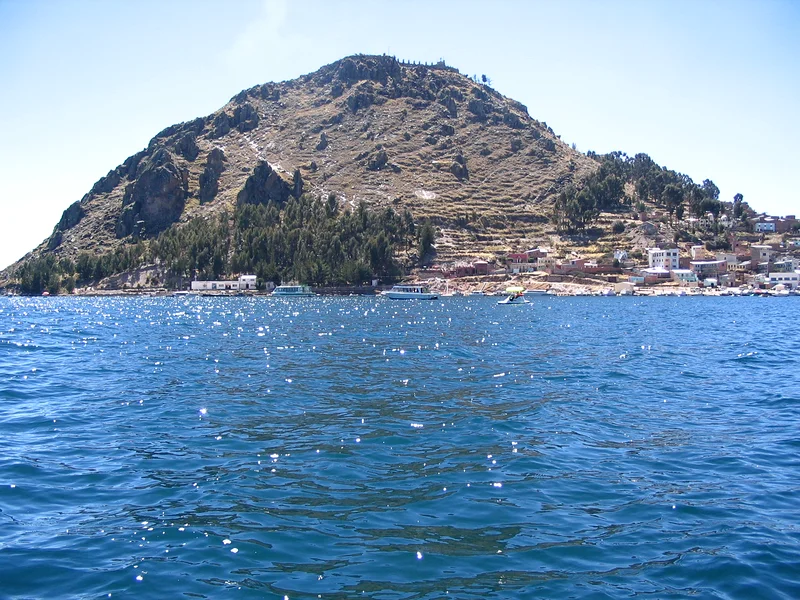
Surrounded by mountain ranges, Copacabana offers some of the best vantage points to appreciate the scale of Lake Titicaca. Gather your strength before heading up Cerro El Calvario. You will need to climb a long set of stairs to reach the summit, where the thin air at this altitude will definitely be noticeable. The sunset here is spectacular, offering a clear view over the town.
Make a detour to the Horca del Inca, a pre-Inca astronomical observatory dating back to 1764 BC. One of the stone structures remains standing, and even today, the sun's rays graze the center of the mound during the summer solstice each year. The panorama of Lake Titicaca from this spot is equally impressive.
When to go?
The best time to visit Copacabana is between April and June. July and August can be quite windy. The area becomes particularly lively during the Feast of the Virgin, which draws thousands of Bolivian pilgrims on August 5th and 6th each year.
How to get there?
Travelers reach Copacabana by bus. There are direct lines from Puno in Peru that take about 3 hours. The border crossing is straightforward and well-organized. On the Bolivian side, coming from La Paz, expect a trip of about 3 hours and 30 minutes, which includes a stop at the Tiquina Strait to transport the bus across the water on a ferry.
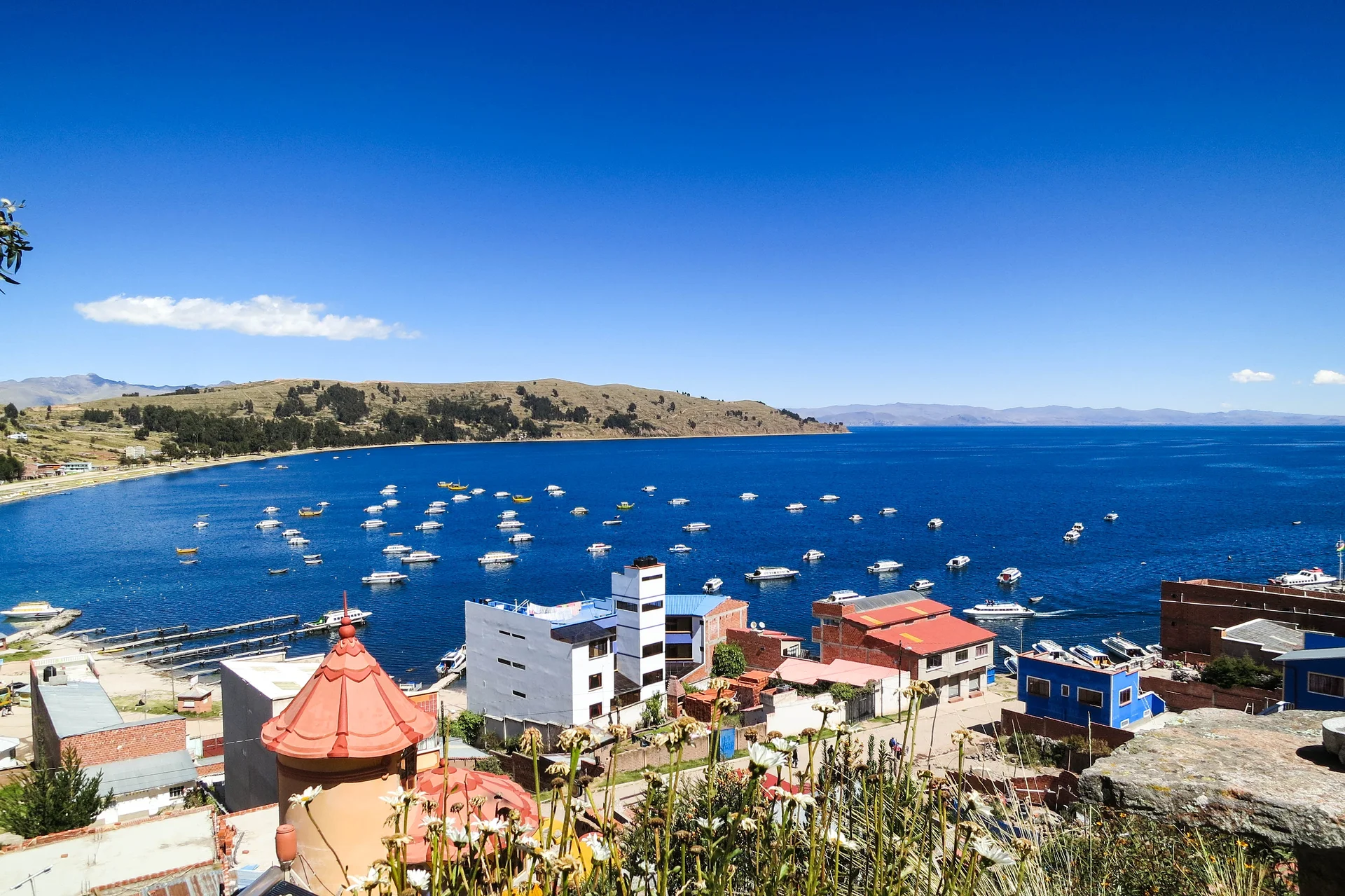
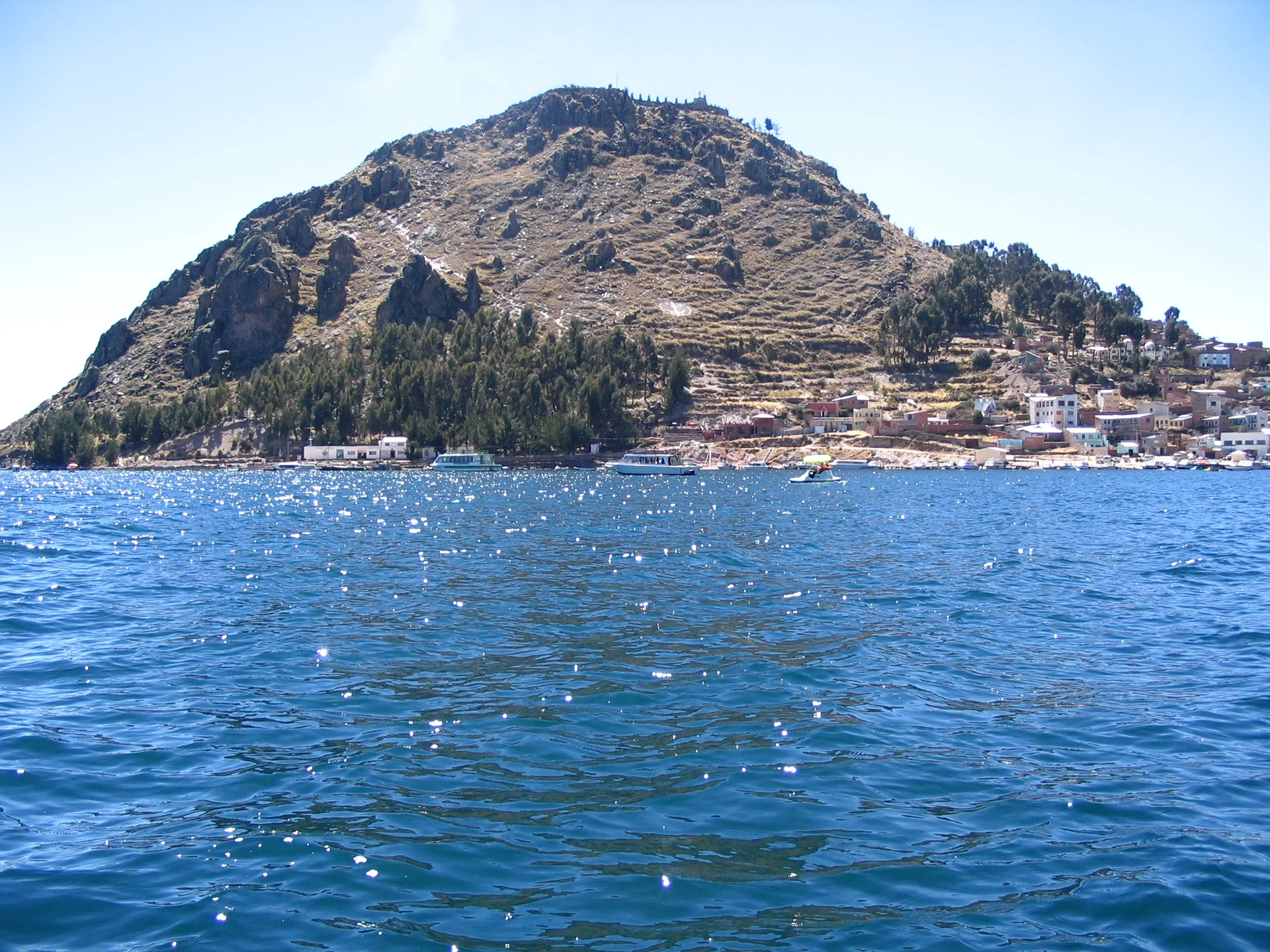
Copacabana is the starting point for the islands of Lake Titicaca on the Bolivian side: Isla del Sol and Isla de la Luna. This little town is therefore very (too?) touristy for my taste, with a lot of people pushing to get you out on the lake. For my part, I was coming from Peru by bus on the ferry and was just waiting for a transfer to La Paz. I remember witnessing the blessing of the new cars, a surprising event that takes place every weekend.