
Where to stay in Seattle: the 6 neighborhoods to know in 2026
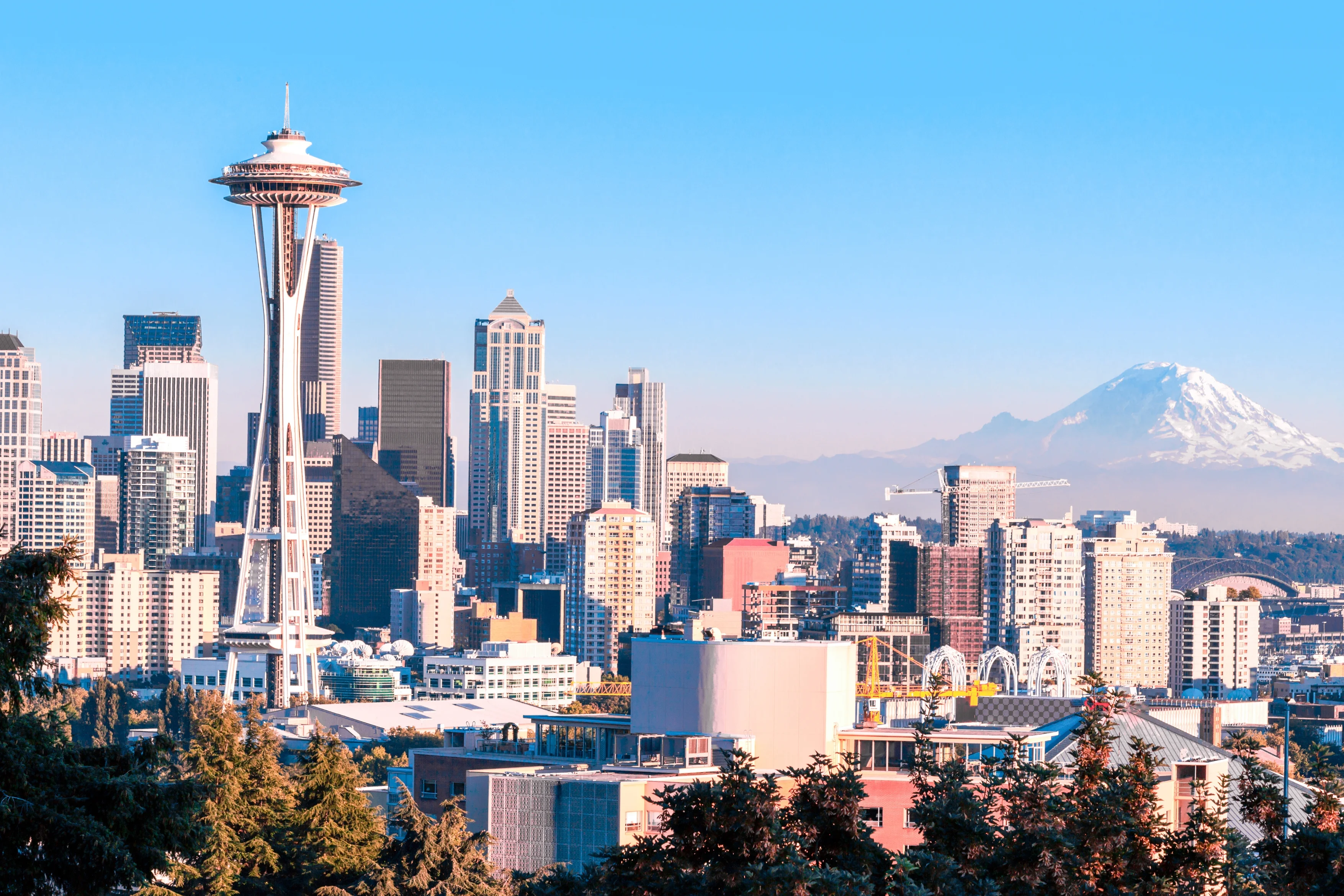
Two facts are enough to plan a stay in Seattle: an isthmus wedged between Puget Sound and Lake Washington, and hotels pricier than anywhere else in our guides. Everything else follows from that. The centre is dense, vertical and walkable, and it holds Pike Place market, the waterfront, the museums and the two stadiums. Around it, the neighbourhoods are villages set on hills: Capitol Hill and its bars, Ballard and its locks, Fremont and its concrete troll, West Seattle and its beach with the skyline right across the water.
Picking a base rests on two things and nothing else: how far from the market, and what you are willing to pay. The entry ticket is $136*; a three-star asks $250* and a four-star downtown $320*; a summer weekend climbs far higher. Six neighbourhoods follow, and the one with the most to see is precisely the one where this guide names no address.
Compare hotel prices in Seattle
In a hurry? Find the best accommodation deals in 3 clicks.
Compare live deals from Booking, Expedia, Agoda and other partners.
At a glance: our picks by traveller type
Pick the profile that suits you to head straight to the recommended neighborhood.
The neighborhood map in Seattle
Get your bearings on the neighborhoods and must-see sights before choosing where to drop your bags. Click a name to jump to its description.
Downtown, Pike Place and the waterfront Pike Place market and its gum wall, the first Starbucks from 1971, the aquarium and the big wheel on the waterfront, the Seattle Art Museum, Westlake Center and Pacific Place, Benaroya Hall and the 5th Avenue Theater, the Paramount and the Showbox, the glass public library, the Columbia Center and its observation deck, Saint James cathedral, the Olympic Sculpture Park
for a first visit, for doing everything on foot, for the market
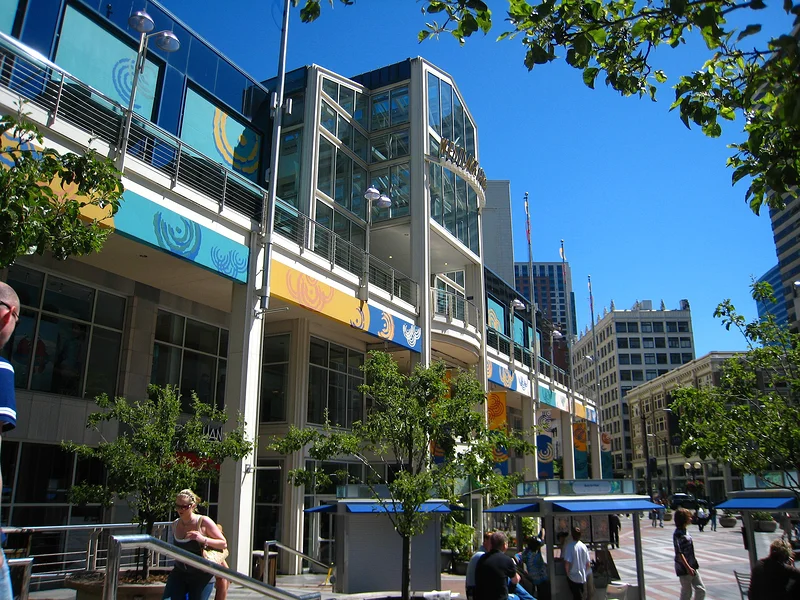
This is the part people come to see, and the one you leave on foot for everything else. Pike Place market, open since 1907, holds three levels of fishmongers, florists and counters above the bay, with the first Starbucks from 1971 at its door and the gum wall in the alley next to it. Five minutes away, the Seattle Art Museum, Rem Koolhaas's public library and the concert halls; below, the waterfront and its aquarium; above, the towers. It is also the most expensive perimeter in the city.
Westlake Center is right next to these two city attractions and remains a really nice spot.
What to see & do in the neighborhood
Where to stay in this neighborhood
Hotel Theodore Mid-range
Six blocks from the market, on 7th Avenue: 8.5 from more than thirteen hundred reviews, with 9.4 for location, 9.1 for comfort, 9.0 for cleanliness and 8.8 for staff. A 1930 building brought back to life, small but well-made rooms, monorail and light rail downstairs. Value for money, at 7.9, states the price of the centre.
Pros
- The market, the museums and the waterfront on foot
- Light rail, monorail and buses in the same place
Cons
- The highest prices in the city
- Steep streets, and many homeless people at night
Seattle Center, Lower Queen Anne and Belltown The Space Needle and Seattle Center, the MoPOP pop culture museum in its Gehry building, the Pacific Science Center, Chihuly's glass garden, Climate Pledge Arena, the international fountain, McCaw Hall and the Pacific Northwest Ballet, the Intiman, Repertory and children's theatres, Kerry Park and its view over the city
for the Space Needle, for museums with children, for a concert
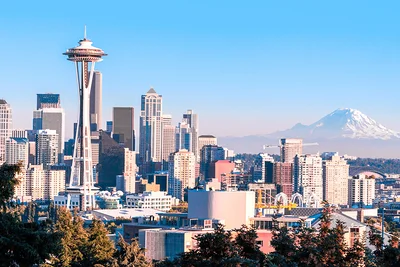
Seattle Center is what remains of the 1962 world's fair: a park of paving and pavilions where the Space Needle stands beside the pop culture museum, Chihuly's glass garden, the science centre, the opera house and the big arena renamed Climate Pledge Arena. Everything is done on foot, a full day goes by here with children, and the monorail reaches the centre in two minutes. Walk up to Kerry Park in late afternoon: that is where the photographs are taken with the tower standing out against Mount Rainier.
Where to stay in this neighborhood
The Mediterranean Inn Mid-range
The largest review volume in this guide and the best rating in its neighbourhood: 8.8 from nearly four thousand reviews, with 9.5 for staff, 9.3 for location, 9.2 for both cleanliness and comfort. Small rooms with kitchenettes on Queen Anne Avenue, a rooftop terrace facing Rainier, and the Space Needle ten minutes' walk away. Value for money 8.5, rare in Seattle.
Pros
- The big museums and the tower in a single park
- The monorail to the market, two minutes
Cons
- Very busy, and an entry fee at every site
- Belltown's streets are uneven in the evening
Pioneer Square, the International District, SoDo and the south Pioneer Square and its 1890 brick fronts, the Smith Tower, the Klondike Gold Rush historical park, the Wing Luke Asian museum, the waterfall garden, the two stadiums to the south (Lumen Field and T-Mobile Park), the Showbox SoDo, the Museum of Flight by Boeing Field, Seward Park and the Kubota gardens
for a game, for the galleries, for the city's history
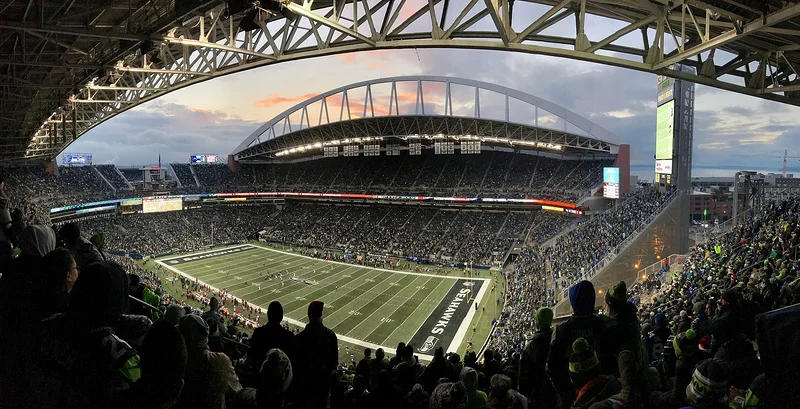
This is where Seattle began, and the neighbourhood shows it: red brick fronts rebuilt after the 1889 fire, galleries, and the small national park that tells the story of the Klondike Gold Rush, for which the city was the port of departure. East of it, the International District and the Wing Luke museum; south, the two stadiums side by side, the Seahawks' and the Mariners', and further on the Museum of Flight, one of the largest of its kind in the world. In the evening the neighbourhood empties and changes face.
It is a stadium with a magnificent view of the mountains and, most importantly, it is surely the loudest stadium in the entire NFL.
What to see & do in the neighborhood
Where to stay in this neighborhood
Best Western Plus Pioneer Square Hotel Downtown Mid-range
In a 1914 building on Yesler Way: 8.4 from more than eight hundred and fifty reviews, with 9.1 for location, 8.8 for both cleanliness and comfort and wifi at 8.9. The station, the ferry and the airport light rail are on foot, the stadiums ten minutes away. Value for money, at 7.7, is still the lowest in this guide, which says something about price levels in town.
Pros
- The two stadiums and the station on foot
- The lowest prices downtown
Cons
- Deserted and uneasy after the games
- The Museum of Flight needs a car or a bus
Capitol Hill, First Hill and Volunteer Park The bars and record shops of Capitol Hill, Volunteer Park with its conservatory, its water tower and the Asian art museum, Bruce Lee's grave at Lake View cemetery, the Frye Art Museum, the Chapel of Saint Ignatius, Washington Park Arboretum and its Japanese garden, the Lake Washington beaches at Madison Park
for going out, for the cafes, for the gardens
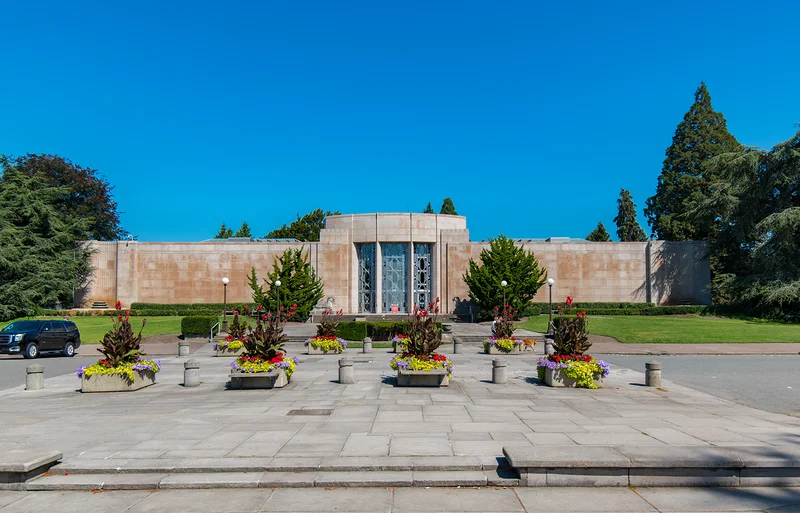
The hill just east of downtown is where Seattle spends its evenings: bars, music venues, bookshops and roasters' cafes, and streets of wooden houses that climb. To the north, Volunteer Park brings together a Victorian conservatory, a water tower whose staircase gives the finest free view in the city, and the Asian art museum. In the neighbouring cemetery, Bruce Lee's grave receives visitors every day. Further east, the arboretum and its Japanese garden run down to the lake.
First off, the museum is in Volunteer Park, which is worth a visit all on its own.
What to see & do in the neighborhood
Where to stay in this neighborhood
Silver Cloud Hotel - Seattle Broadway Mid-range
On Broadway, between Capitol Hill and the First Hill hospitals: 8.7 from more than thirteen hundred reviews, with 9.3 for both cleanliness and comfort, 9.1 for wifi and 8.9 for location. Wide rooms, an indoor pool, parking on site, which is an argument here. Budget $250*.
Pros
- The best neighbourhood for evenings and cafes
- The park, the conservatory and the Asian museum on foot
Cons
- Ten minutes by light rail to the market
- Noisy on weekend nights on Pike and Pine
The university, Lake Union and Fremont The University of Washington campus and its stadium, the Burke Museum and the Henry Art Gallery, Gas Works Park on Lake Union, the Fremont troll under the bridge, the Museum of History and Industry, the Center for Wooden Boats, Woodland Park Zoo and its rose garden, Green Lake and its five-kilometre loop, the Amazon headquarters and the Gates foundation
for the parks, for the campus, for a week on the spot
North of downtown, the city becomes a string of neighbourhoods around water. The University of Washington campus is the finest on the west coast in spring, when its cherry trees flower; Gas Works Park, a former gasworks set on a hill at the edge of Lake Union, gives the view everyone photographs; Fremont keeps its concrete troll under the bridge and its Sunday flea market. This is the neighbourhood with the most places in this guide, and yet: no hotel address worth naming, and this guide names none.
Pros
- The parks, the lakes and the campus, all within walking distance of one another
- Student restaurants far cheaper than downtown
Cons
- No address worth naming: this guide names none
- Twenty minutes by light rail or bus to the market
Ballard, Magnolia and the west: the locks and the beaches The Hiram M. Chittenden locks and their fish ladder, the National Nordic Museum, Golden Gardens beach and Shilshole marina, Fisherman's Terminal, Discovery Park and the West Point lighthouse, Alki beach facing the skyline, Lincoln Park, Carkeek Park
for the salmon, for the beaches, for the most pleasant bar district
To the west, Seattle becomes a port again. The Hiram M. Chittenden locks move boats between Lake Union and the sea, and their fish ladder can be watched through a window, underwater, in summer. Above them, Ballard is the former Scandinavian village turned into the most pleasant bar district in the city, with its Nordic museum in a 2018 building and its Sunday farmers' market. Further south, Discovery park and its lighthouse, then Alki beach where the skyscrapers are seen from across the water.
Where to stay in this neighborhood
Hotel Ballard Luxury
The highest rating in this guide, on its smallest volume: 8.9 from only 192 reviews, and that figure deserves to be given as it stands. Comfort and location at 9.5, cleanliness 9.3, facilities 9.2, staff 9.0. Twenty-nine rooms above Ballard Avenue, access to the gym next door, the locks on foot. Value for money 8.1.
Pros
- The locks, the salmon and the beaches on the same side
- Bars and restaurants cheaper than downtown
Cons
- Twenty to thirty minutes by bus to the market
- Few hotels, and the only one named has few reviews
Our tips for booking the right place
- Three days, and the fourth changes everything: Seattle works well in three days: Pike Place and the waterfront on the first, Seattle Center and Kerry Park on the second, Capitol Hill and Volunteer Park on the third. The fourth day is the one that transforms the stay, and it is played outside the centre: the Ballard locks and Alki beach, or Mount Rainier two hours away by road, or else the Bainbridge Island ferry, a thirty-five-minute crossing for the finest view anyone can have of the city.
- Four venues have changed names, and the old ones are still around: Seattle renames its venues at the pace of its companies, and the old names still circulate in guidebooks as in conversation. To keep track: the former Key Arena has been Climate Pledge Arena since 2021; Safeco Field, the baseball stadium, has been T-Mobile Park since 2019; CenturyLink Field, the Seahawks', has been Lumen Field since late 2020; and the EMP, Frank Gehry's museum, has been called MoPOP since 2016. Our member puts it his own way: the stadium "will always be the CLINK for the fans".
- The rain, and what it actually changes: The reputation is earned on the number of days, not the quantities: it rains often and lightly, as drizzle, above all from November to March. Nobody here opens an umbrella, everyone wears a hood. Summer is the opposite, dry and bright from July to September, and that is also the season when hotel prices double. May, June and October are the best compromise: long days, reasonable rates, and the mountains visible every other day.
- Getting around: one light rail, one monorail, many hills: From the airport, the light rail reaches downtown in about forty minutes for a few dollars, and it is by far the best call. In town, one rechargeable card covers light rail, buses and ferries, and the 1962 monorail links downtown to Seattle Center in two minutes. Two warnings: the hills are steep, far more than the maps suggest, and downtown parking costs more than a taxi ride.
- Booking north of downtown, towards the university or Fremont, in the belief that this guide recommends an address there: the hotels have listings too thin, and it names none.
- Planning on a car for downtown: parking costs more than a taxi ride, and the hills discourage it anyway.
- Looking for Key Arena, Safeco Field or the EMP under those names: all three changed signs between 2016 and 2021.
- Coming in July or August without booking months ahead: it is the dry season, so the full season, and hotel prices double.
FAQ: where to stay in Seattle
Which neighbourhood should you stay in in Seattle?
How much does a night cost in Seattle?
How many days do you need for Seattle?
Do you need a car in Seattle?
What is the best season to come?
What can you see in Seattle in one day?
 Keep exploring
Things to do in Seattle
Keep exploring
Things to do in Seattle
Comments (0)
No comments yet. Be the first!