
Isla Holbox, the island where streets are made of sand
Forget about pavement here. Streets are packed sand, golf carts glide by silently, and hammocks swing in front of colorful storefronts. The island stretches out in a long, narrow strip between the lagoon and the Gulf of Mexico, just north of the Yucatán Peninsula.
With roughly 1,500 registered residents, Holbox maintains the rhythm of a quiet fishing village, even though tourism now plays a major role.
Is this the right spot for you?
Holbox rewards travelers who love to slow down. Days revolve around the tides, a fresh ceviche, a boat trip, and watching the sunset over the lagoon's sandbars. Couples, travelers looking to unplug, and nature lovers will feel right at home.
On the flip side, it tends to disappoint those looking for sprawling tropical beaches with turquoise water or a loud nightlife scene. The sand is dark in places, the water can turn choppy or murky, and sargassum seaweed washes ashore depending on the season.
Best suited for:
- Couples and travelers seeking peace and quiet
- Wildlife enthusiasts (birds, whale sharks in season)
- Fans of fresh fish and seafood
- Anyone who enjoys getting around without cars
Not recommended for:
- Budget travelers: the island is pricey for the region
- Postcard-beach purists
- Those looking for a lively nightlife scene
Higher prices than the mainland
Everything arrives by boat, and you will see that reflected on your checks. Expect to pay noticeably more than in Chiquilá or Valladolid, especially for lodging during the peak season.
Practical realities
Holbox is part of the Yum Balam Protected Area. The island is flat and compact, meaning you can get around on foot, by bike, or via golf cart. ATMs exist, but they frequently run out of cash or break down, so bring plenty of pesos in cash.
English is widely spoken in hotels and restaurants, though knowing some Spanish is definitely helpful. The atmosphere is laid-back, though you should still use standard caution walking down dark streets at night.
Lagoons, boats, and wildlife
Boat tours
The Yum Balam lagoon is the main playground. Local boat captains run trips out to Isla Pájaros (Bird Island), the Yalahau freshwater spring, and Isla Pasión, a shallow sandbar ideal for swimming.
Whale sharks
From about mid-June to mid-September, boat trips head out into open water to swim near whale sharks. Group regulations limit the number of swimmers in the water at once and strictly forbid touching the animals. Make sure to book with an operator that follows these rules.
Bioluminescence
On certain nights, the plankton lights up the water with a blue glow when disturbed. The phenomenon is unpredictable and shows up best on moonless nights.
Friendly tip: compare a couple of tour operators before booking an excursion, and ask about group sizes. Smaller boats make for a much better experience.
Beaches and sandy villages
The main beach runs right along the village with calm, shallow water. Walking east brings you to quieter stretches, especially at low tide. Punta Mosquito at the far end can be reached on foot or by bike, offering wide-open lagoon scenery popular with flamingos.
The center of town gathers around the central square, lined with restaurants and shops. Colorful murals and street art add real character to the sandy alleys.
Where to eat and drink in Isla Holbox
Seafood takes center stage: ceviche, octopus, seasonal lobster, and grilled fish. Lobster is a big draw, though you should check local fishing seasons first. The lobster pizza has become a local signature dish, though it leans more touristy than traditional.
For simpler meals, check out the street food stalls in the center for affordable tacos, empanadas, and fresh juices.
Where to stay in Isla Holbox and nearby
Accommodations range from boutique hotels to small family-run guesthouses. The village center puts you right next to restaurants and boat departures. The beachfront area toward the east is quieter, but further from the shops.
Book well in advance if you are visiting during the peak season from December to April.
How to get to Isla Holbox
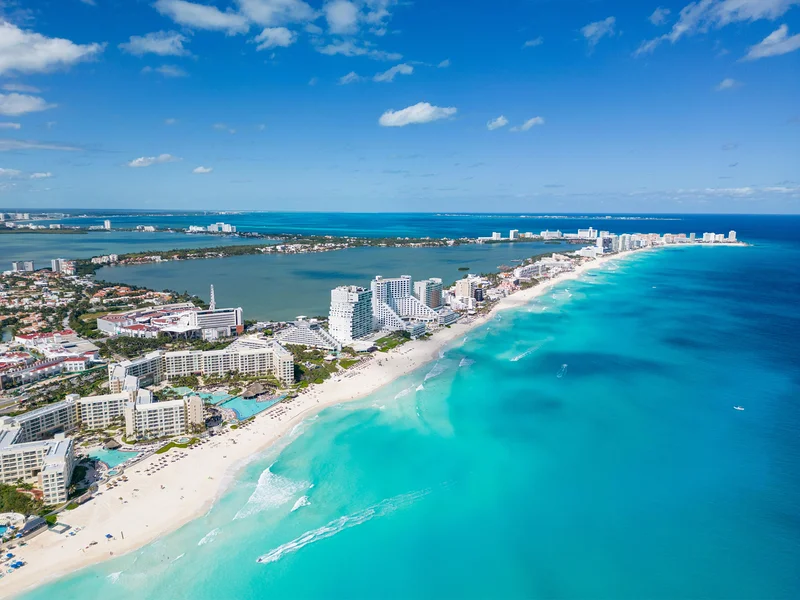
There are no bridges here, so you reach the island via a 20-minute ferry ride from Chiquilá on the mainland. Chiquilá is about a 2.5 to 3-hour drive from Cancún, which serves major international flights. Buses and shuttle services connect the airport directly to Chiquilá.
Cars are not allowed across, so if you rented one, leave it in one of the parking lots in Chiquilá. Check the last ferry departure times if you plan to arrive late.
How to get around Isla Holbox
The entire village is walkable in just a few minutes. Bicycles are ideal for reaching more distant beaches. Golf carts can be rented by the hour or day and double as the local taxis.
When to go?
From December to April, the weather is dry and slightly cooler, but crowds peak. Summer brings the whale sharks along with higher heat, rain, and humidity. Hurricane season runs from September to October and is best avoided if your travel plans are inflexible.
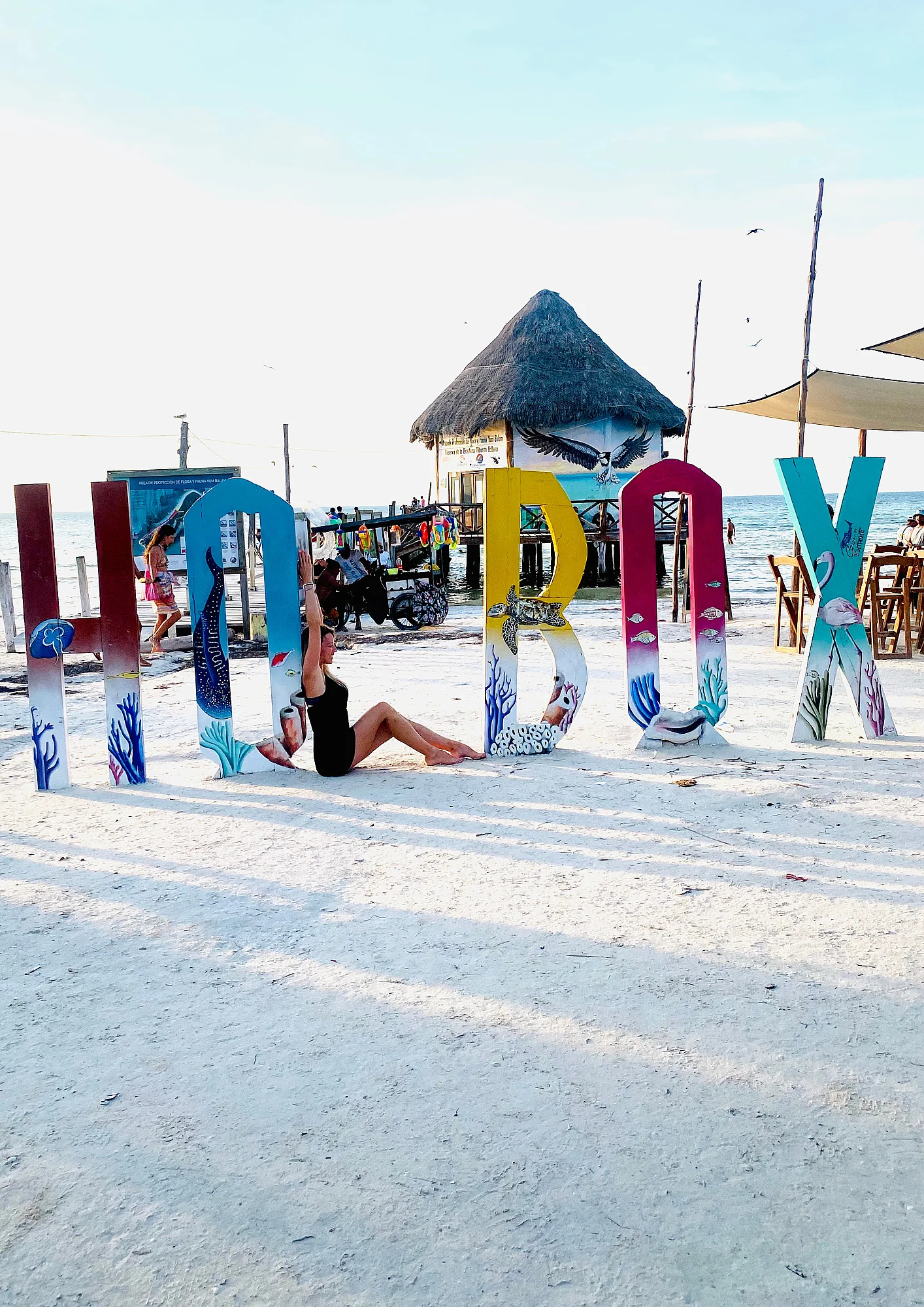
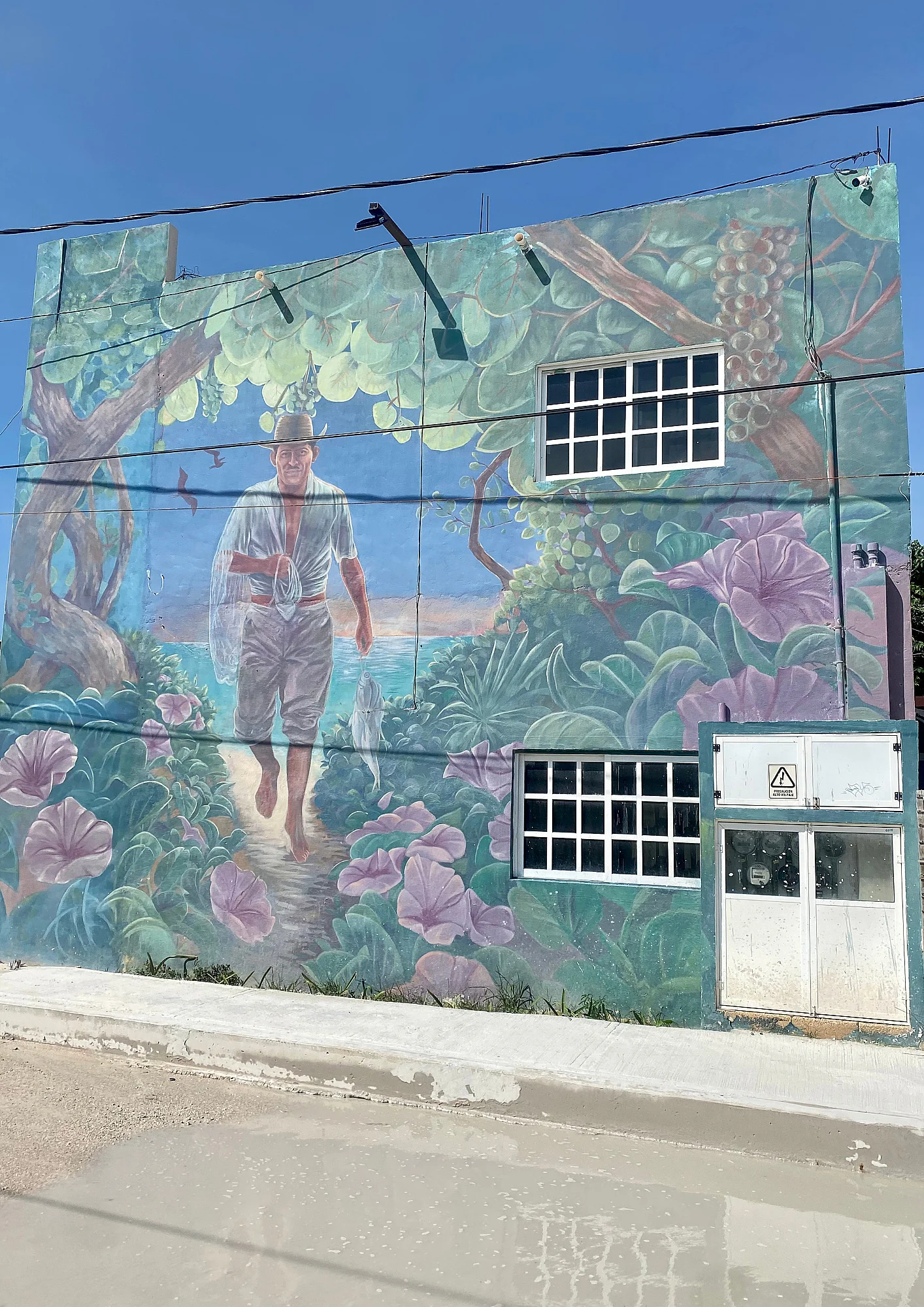
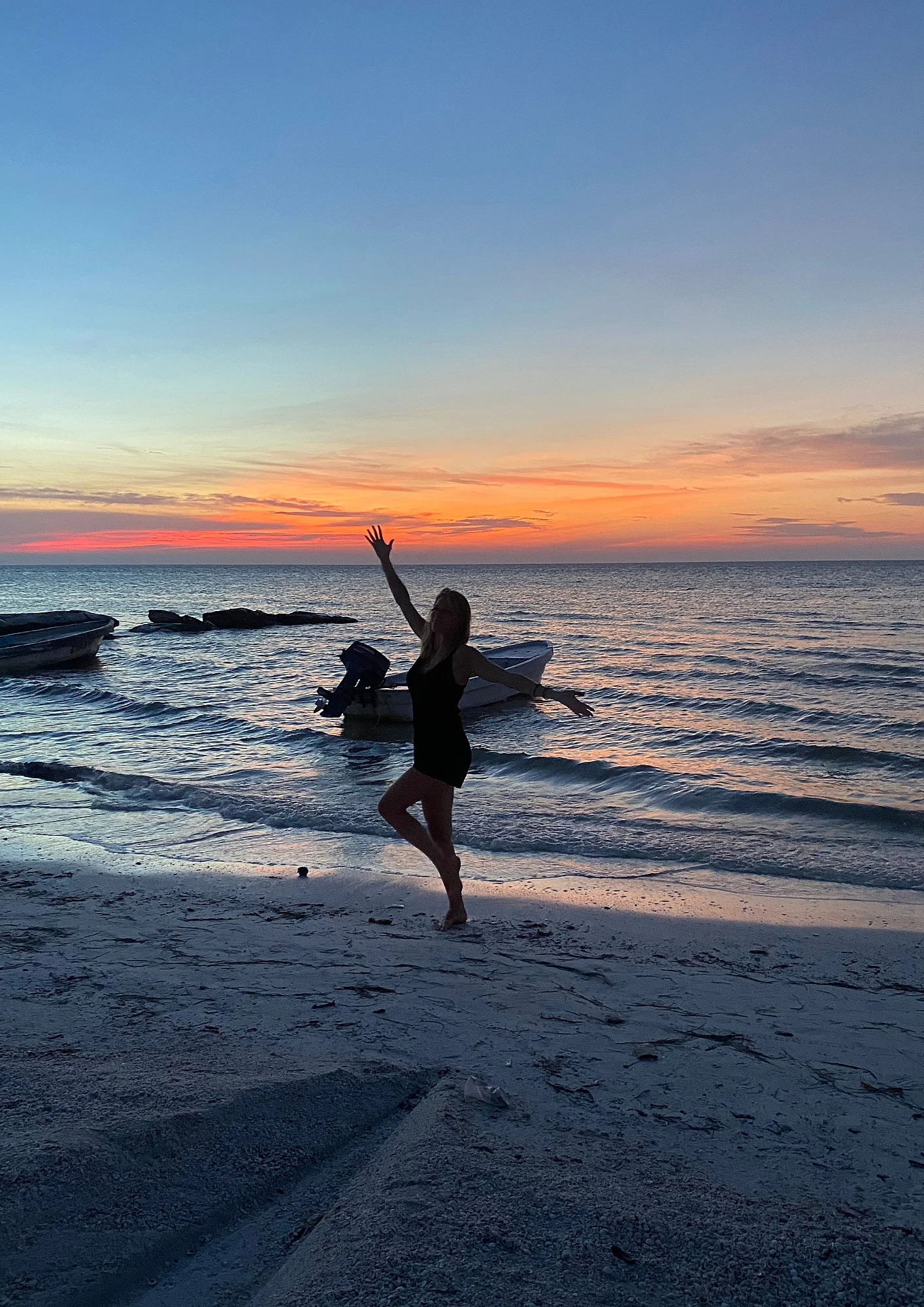
Total change of scenery: super eco-friendly cafés where you can enjoy delicious iced mochas, walking along the beach at sunset, and an absolute must: bioluminescence.
A magical experience, exclusively at night. It is a natural phenomenon that happens in the sea. I paid 35 euros for the tour.
They picked us up in a jeep at dusk right in front of the hotel, which was already pretty fun, and once we got to the shoreline, we walked about 100 meters. And there... incredible: a gorgeous starry sky with the constellations, we had a guide who explained the different stars to us, and we were a small group of 10.
What was so magical was that when we moved in the water, blue filaments of light appeared with the movement of the water (just like in Avatar). It was surreal: the stars and the bioluminescence all at once. For a couple, it is a more than romantic experience, an absolute must!