Exploring the Dominican Republic
Beaches for every travel style
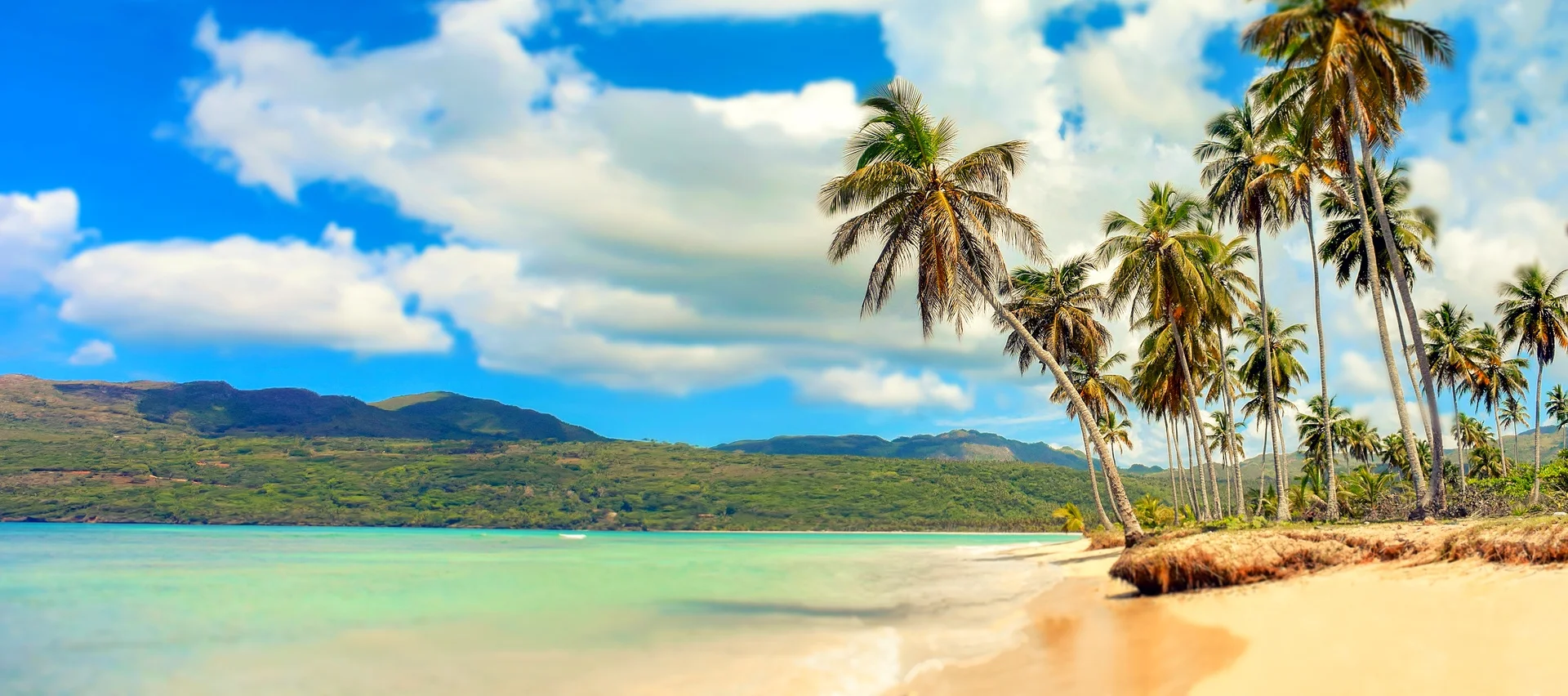
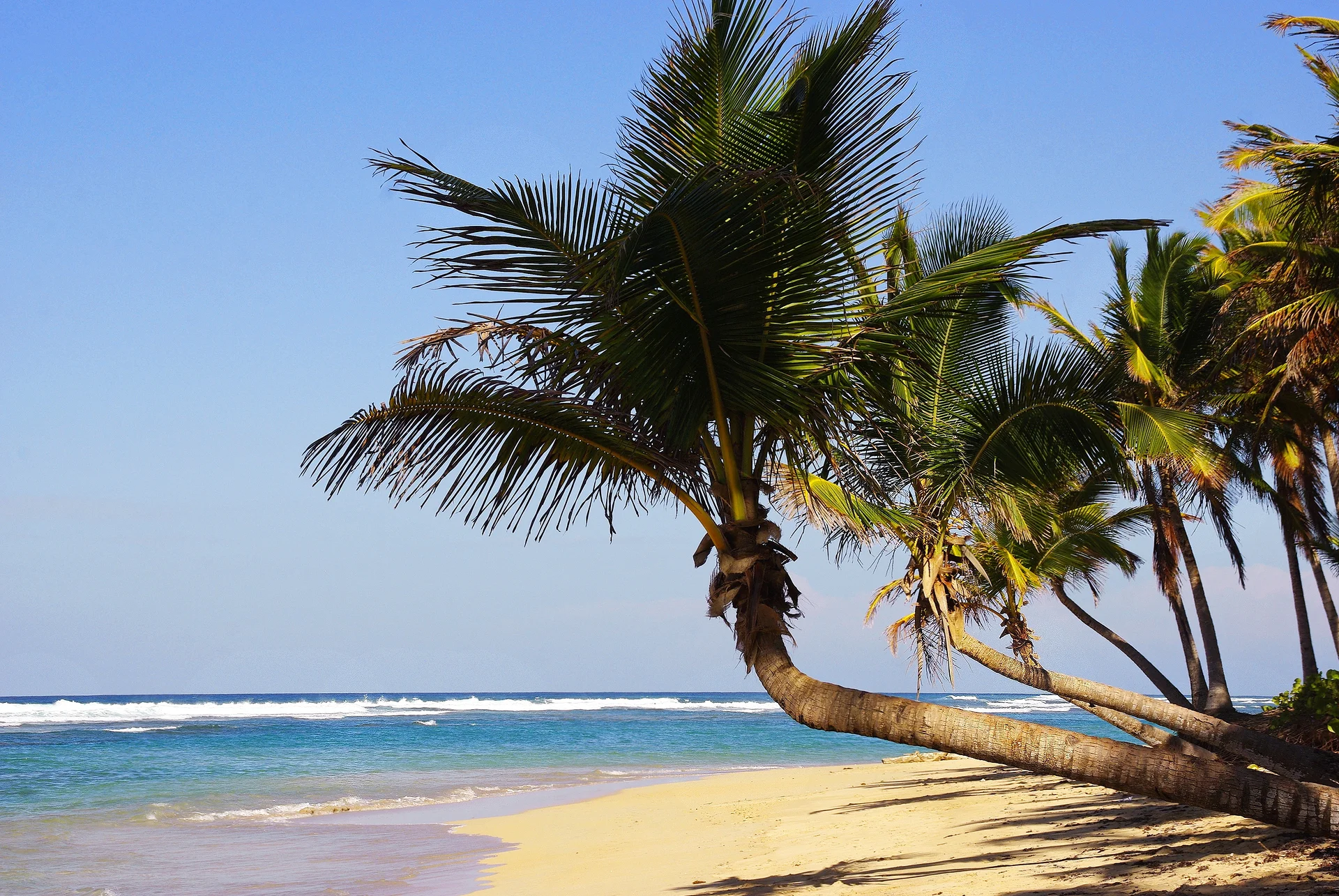
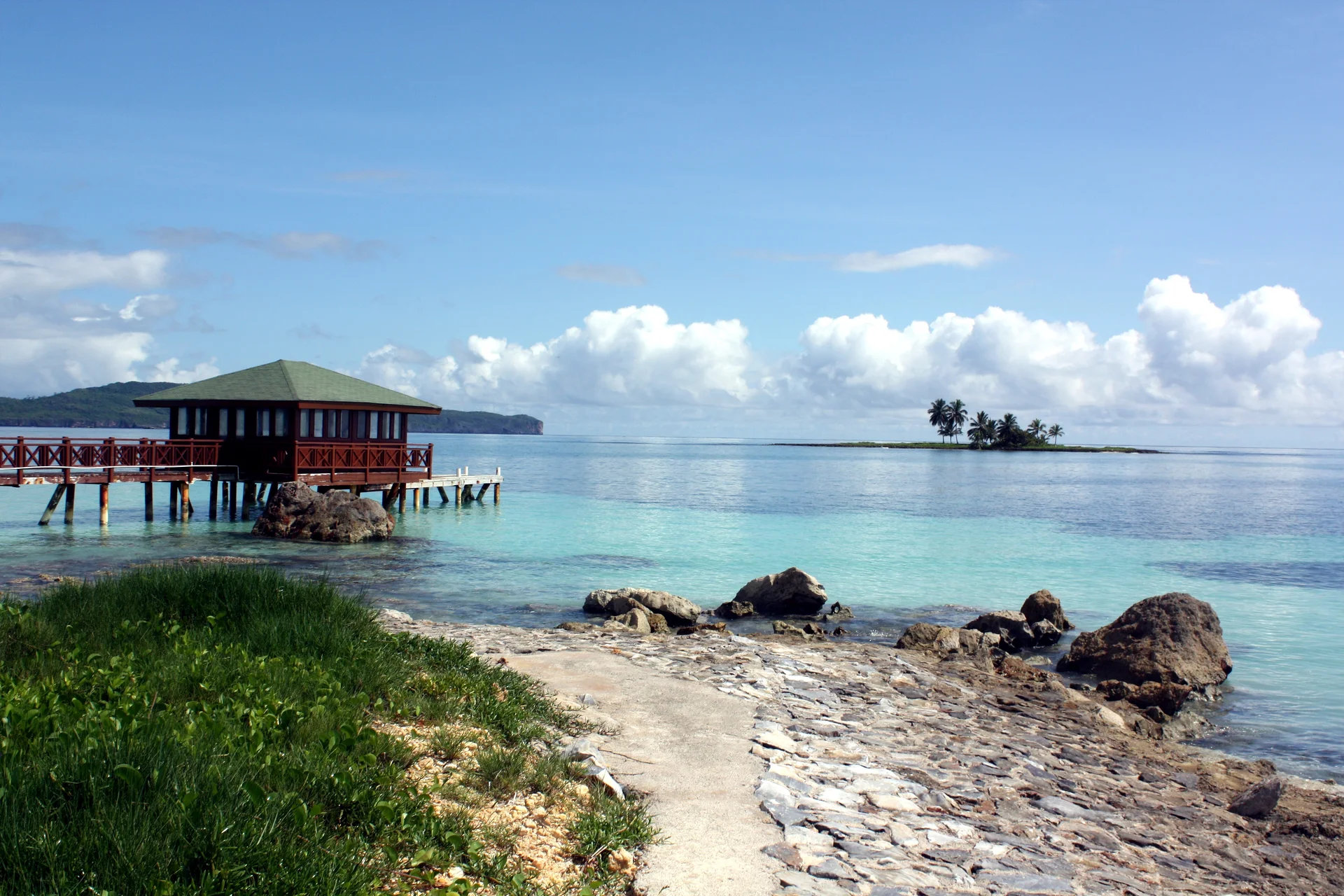
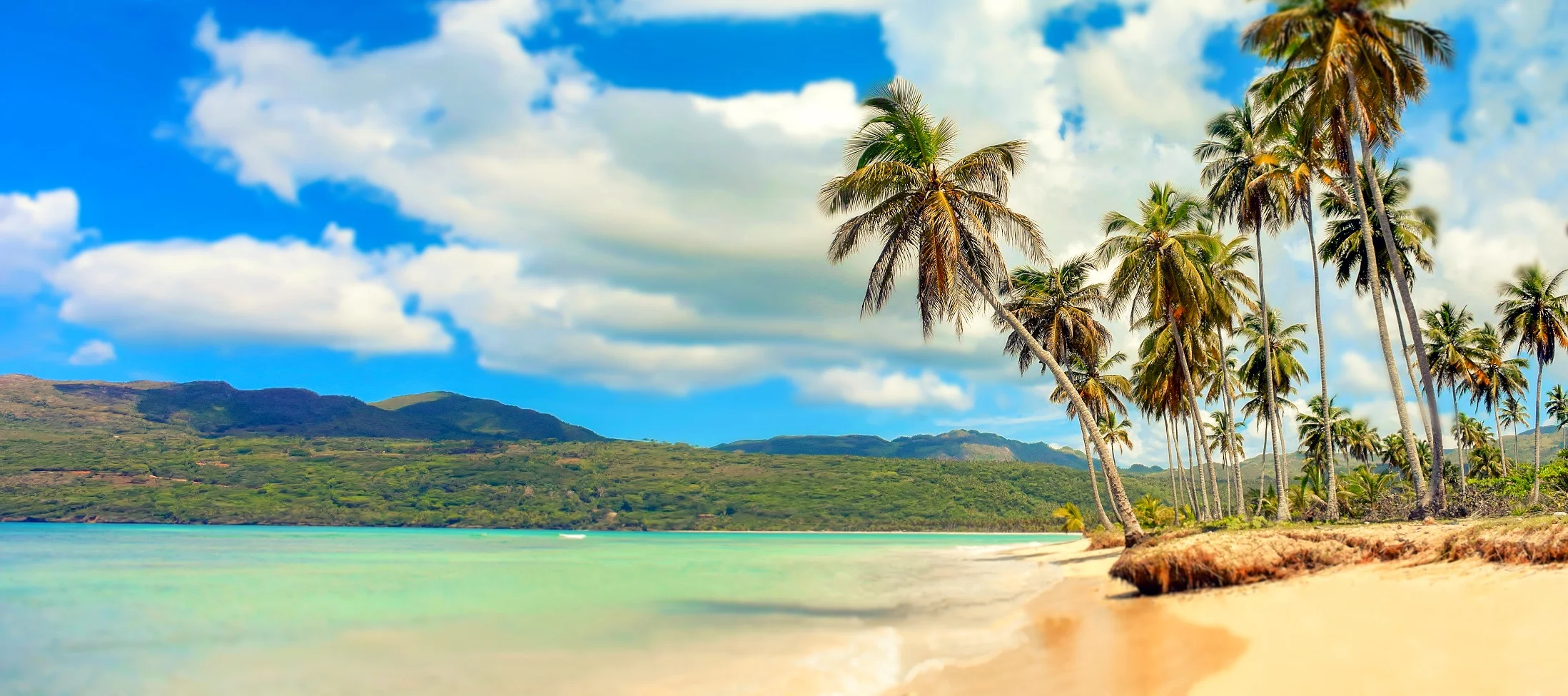
The Dominican Republic features over 900 miles of coastline known for clear waters and white sand. Punta Cana serves as the main hub, featuring all-inclusive resorts and shallow turquoise water.
For a slower pace, head to Las Terrenas on the Samaná peninsula. Travelers looking for undeveloped coastlines will prefer the Barahona region, where the shoreline remains rugged and untouched.
Outdoors and natural parks
Away from the coast, the interior features mountain ranges and dense forests. Hiking enthusiasts can tackle Pico Duarte, the highest elevation in the Caribbean. Day trips to the El Limón waterfall or the limestone caves in Los Haitises National Park offer a change of pace. The offshore reefs around Bayahibe draw snorkelers and scuba divers.
History and local culture
The capital, Santo Domingo, anchors any historical itinerary. Its colonial core, a UNESCO World Heritage site, holds landmarks like the first cathedral in the Americas and the Alcázar de Colón.
In Santiago de los Caballeros, cigar factories and rum distilleries highlight regional craftsmanship. Music defines daily life here, with merengue and bachata playing in neighborhood bars and plazas.
Traditional Dominican food
Dominican cuisine blends Taíno, Spanish, and African ingredients. Sancocho, a hearty meat and root vegetable stew, is a Sunday staple. For a quick bite, empanadas and mangú (mashed plantains topped with pickled red onions) are ubiquitous. Desserts range from rich dulce de leche to habichuelas con dulce, a sweet cream of bean dish served during Lent.
When to go
The dry season runs from December to April, bringing warm temperatures and minimal rainfall. Travelers interested in the Carnaval celebrations should plan for February, when street parades feature elaborate masks and brass music. Whale watching season runs from January to March in the waters off the Samaná peninsula.
How to get there
Punta Cana is one of the most heavily served airports in the Caribbean from the United States, with nonstops from New York, Newark, Miami, Atlanta, Charlotte, Chicago, Dallas and a dozen other cities: three and a half to five hours in the air depending on where you start. Santo Domingo and Puerto Plata add more options, and flights from Toronto and Montreal are just as frequent. Fares drop sharply in September and October, the tail of hurricane season.
How to get around
Renting a car offers the most flexibility for exploring outside the cities, though local driving styles require patience on two-lane highways. For regional routes, guaguas (shared local minibuses) run frequent schedules at low cost. Taxis operate in urban centers, but agree on the fare before the ride begins.