
Visiting Punta Cana: Between tropical dreams and all-inclusive reality
The sound of waves gently breaking on white sand, the sweet scent of local rum drifting through the salty air, and that golden light that turns every late afternoon into a living postcard. Punta Cana is not just another Caribbean beach destination. It has become a symbol, almost a collective fantasy of the perfect vacation.
But behind the glossy brochures and promises of paradise, what is the real personality of this eastern tip of the Dominican Republic?
Punta Cana: The ultimate relaxation spot, but not for explorers
If you are looking for authentic Dominican life, off-the-beaten-path adventure, or deep cultural immersion, you might be disappointed. Punta Cana is primarily a concentration of all-inclusive resorts designed to offer you absolute comfort without you ever needing to take off your wristband.
This destination shines for couples seeking hassle-free romance, families who want vacations where everything is planned, and anyone who simply dreams of planting their towel on a dream beach for a week.
The budget? Paradoxically accessible if you opt for an all-inclusive package, but watch out for extras that can add up quickly. There is no need for a car here, as everything is designed for you to stay in your vacation bubble. The pace? Slowed to the max, with the only daily decisions being pool or beach, mojito or piña colada.
The beaches: Your main playground
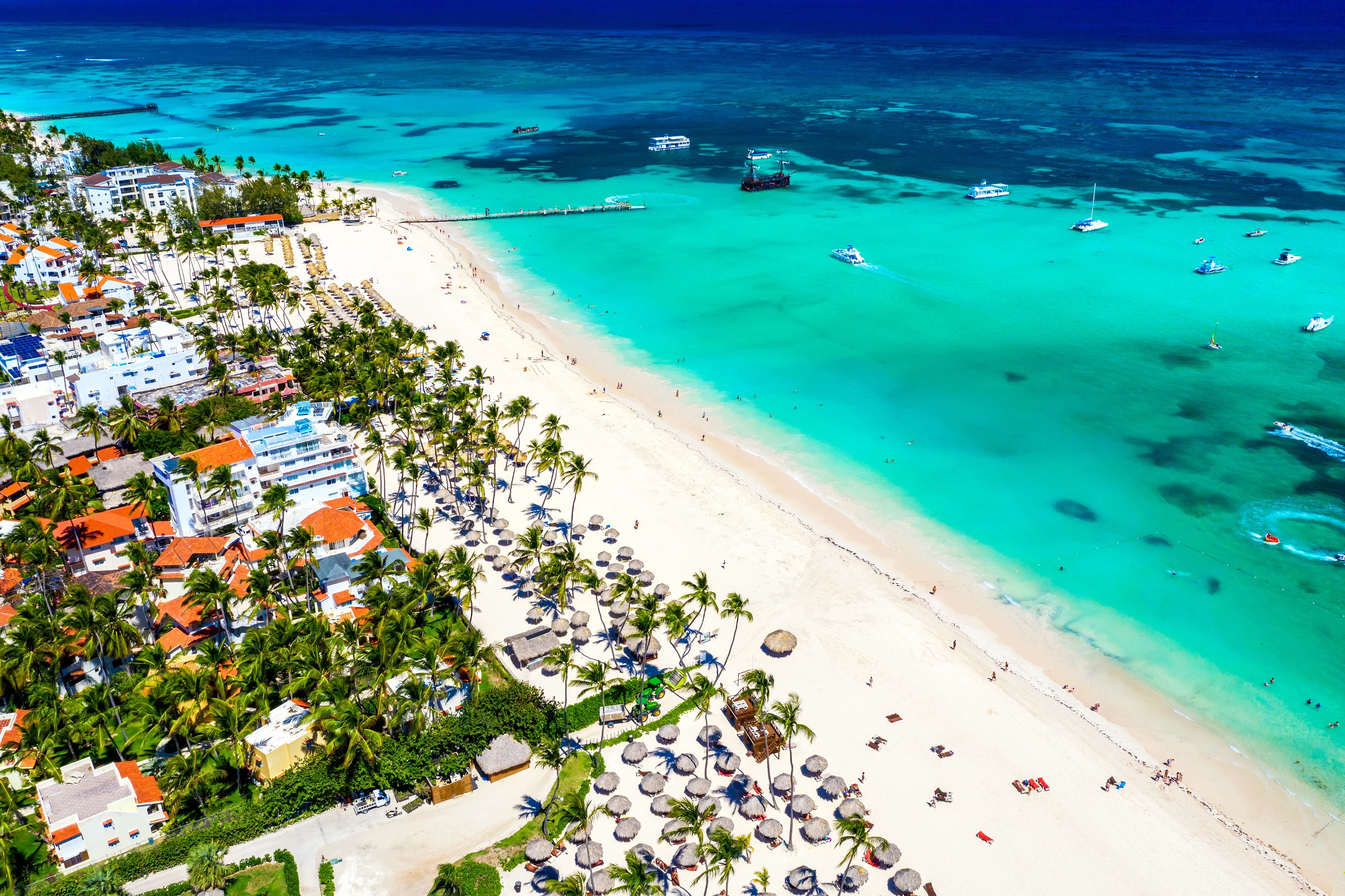
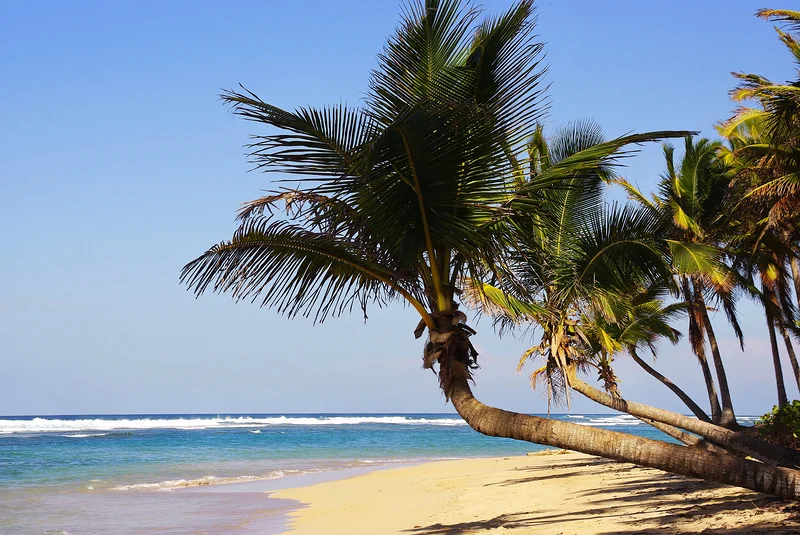
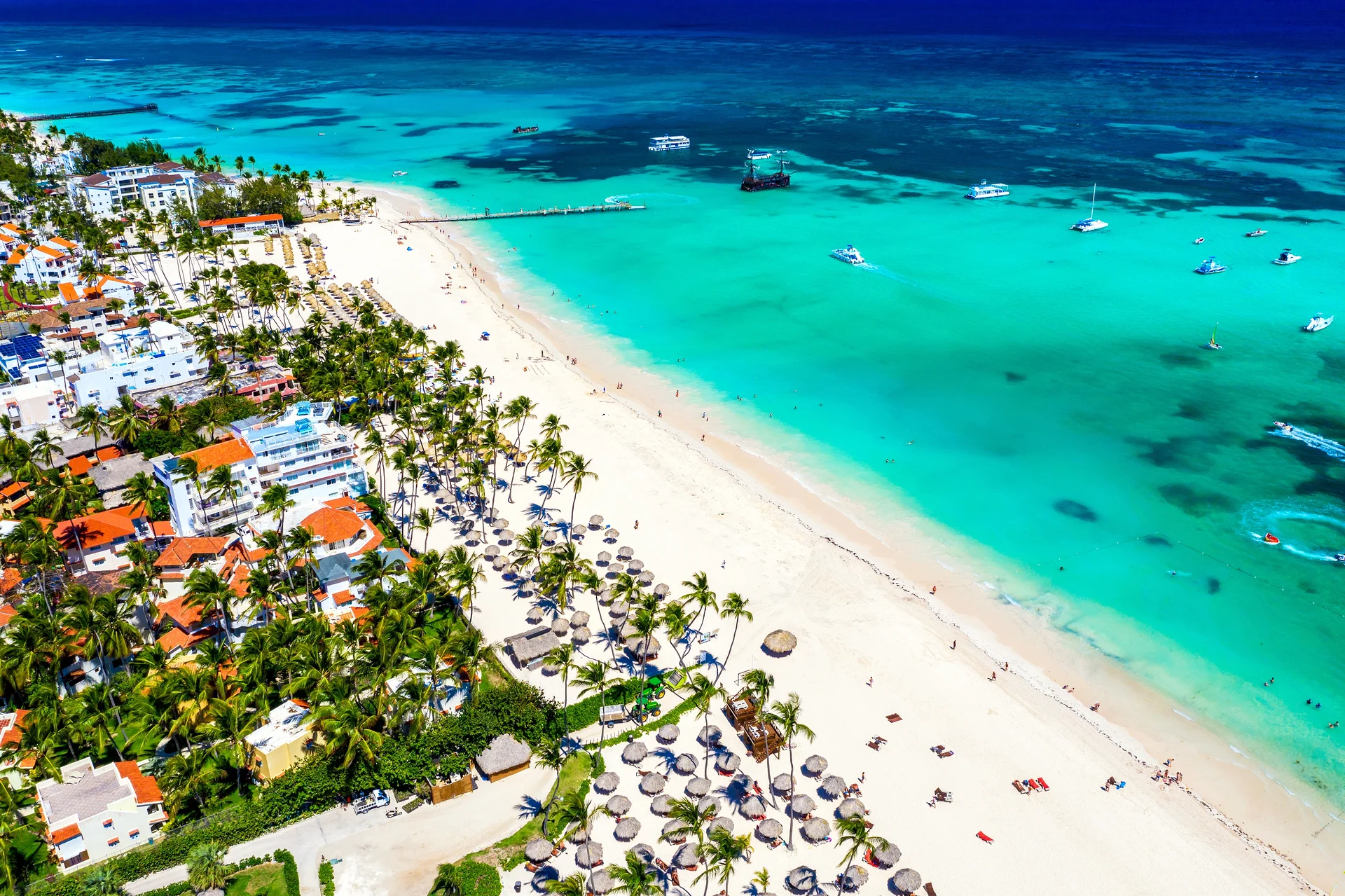
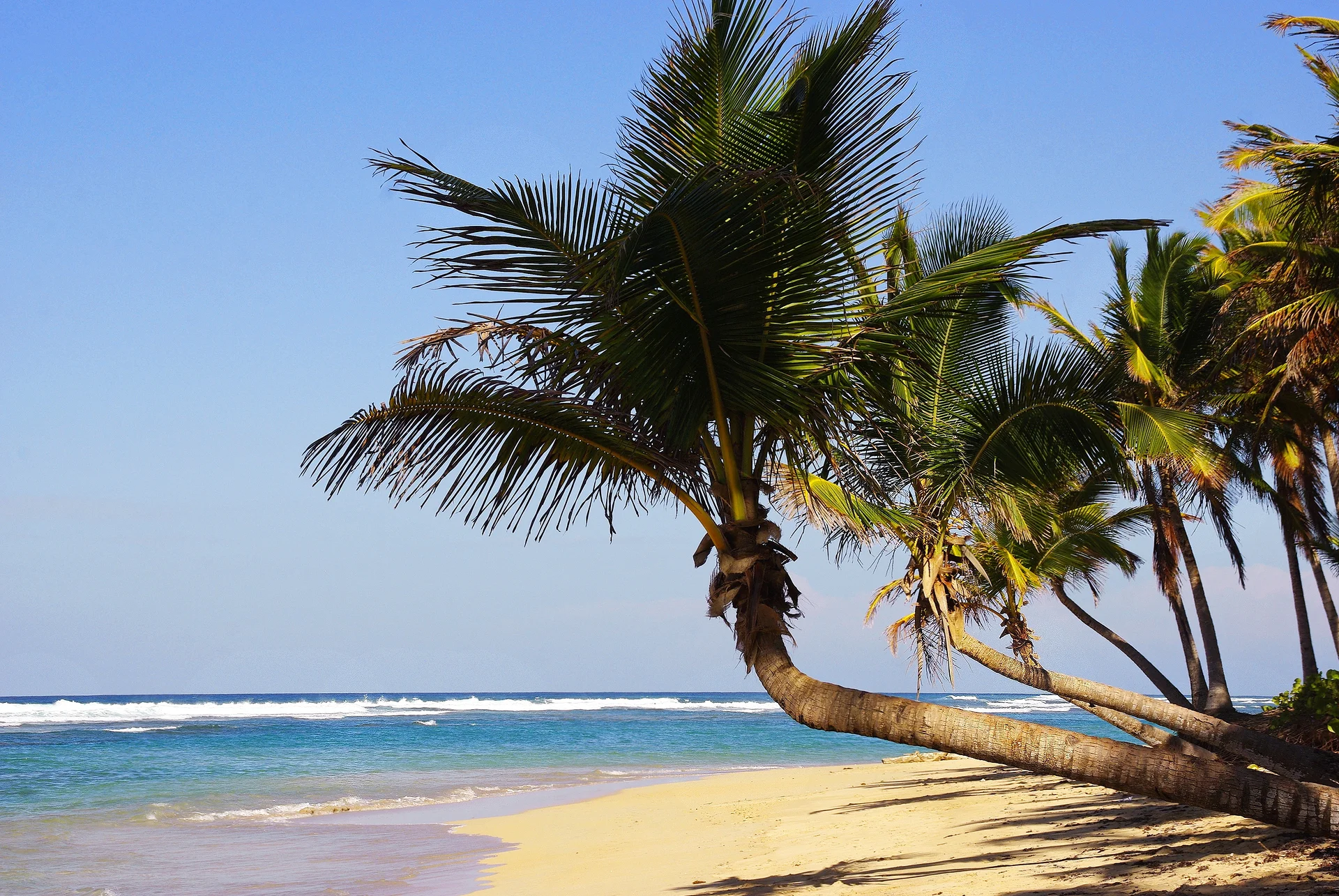
Let's talk about what really makes Punta Cana's reputation: its beaches. Bávaro Beach stretches for miles with powdery sand lined by coconut palms that lean toward the water as if they want to dip their fronds. The water is an almost unreal turquoise, warm year-round, with a typically calm sea protected by the offshore coral reef.
Further north, Playa Macao offers a wilder face, with waves that will delight bodyboarders. It is one of the few public beaches in the area, less manicured than those of the resorts, where you will run into Dominican families on the weekend. Cap Cana, at the far end, cultivates a more upscale image with its marinas and luxury villas overlooking more intimate coves.
Friendly tip: Avoid overly insistent beach vendors by staying polite but firm. A simple "no gracias" repeated is usually enough. And if you want to explore beyond your resort, always negotiate the price of an excursion before getting into the vehicle.
Beyond the lounge chair: Possible excursions
Saona Island and natural pools
This day trip remains the must-do in the region. You board for Saona Island, part of the Cotubanamá National Park, with its beaches worthy of pirate movies and its crystal-clear waters.
On the way back, a mandatory stop at the natural pools, those sandbars in the middle of the sea where the water does not go above your waist. The rum flows freely, the music is pumping, and you find yourself dancing in the water with strangers. Very touristy, yes, but the festive atmosphere and the scenery are worth the trip.
Cenotes and Taíno culture
For a break from the beach, head inland to the Hoyo Azul cenotes at Scape Park. These natural sinkholes filled with clear, fresh water offer a fascinating geological spectacle and a refreshing swim far from the salt water. Some tours include the discovery of caves with Taíno rock paintings, the island's first inhabitants, and an immersion into the tropical jungle.
Water activities
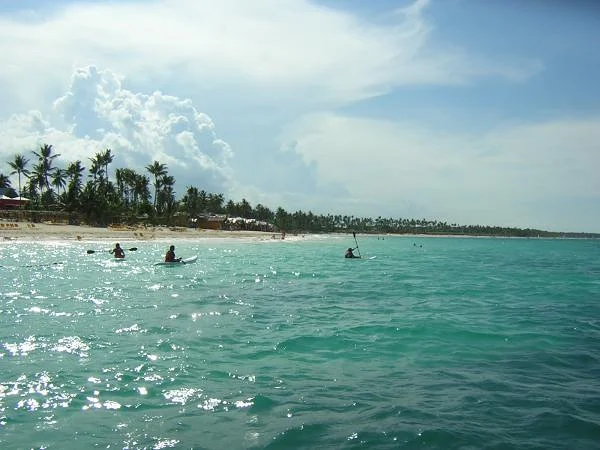
Thrill-seekers will not be left out: scuba diving on the coral reefs, kitesurfing at Playa Macao when the wind picks up, catamaran sailing at sunset, or even deep-sea fishing in the deep waters. Most resorts offer snorkeling, kayaking, and paddleboarding for free.
Friendly tip: If you dive, ask to go to less frequented sites. The reefs near popular beaches have suffered from over-tourism. And book your excursions directly with local operators rather than through your hotel, as you will often save 30 to 40%.
Nightlife and entertainment
Once the sun goes down, Punta Cana transforms. Resorts offer shows, theme nights, and sometimes casinos for night owls. But if you want to get out of your complex, head to the Bávaro area where a few nightclubs and bars attract tourists and locals. Coco Bongo offers an American-style show mixing acrobatics and celebrity lookalikes in an over-the-top, high-energy atmosphere.
For a more relaxed evening, the beach bars in the Cortecito sector allow you to sip a cocktail with your feet in the sand, often with live music and a much more authentic vibe than in the resorts.
Where to eat and drink in Punta Cana?
Most visitors eat at their resort, and it is often a safe bet with hearty international buffets. But it would be a shame to miss out on Dominican cuisine. Sancocho, a meat and root vegetable stew simmered for hours, warms the soul despite the heat. Mangú, mashed plantains served at breakfast with onions, cheese, and fried salami, will keep you full for the day.
Pescado frito, those crispy whole fried fish, are best enjoyed in the small fondas in the fishing village of Cortecito, accompanied by fresh passion fruit juice. And it is impossible to miss out on Dominican rum, notably Brugal or Barceló, to be enjoyed in a cocktail or simply with ice and a lime. For a more sophisticated gastronomic experience, the restaurants in Cap Cana offer quality Caribbean fusion cuisine, but prices are significantly higher.
Where to stay in and around Punta Cana?
The choice of accommodation in Punta Cana often comes down to one question: which all-inclusive resort? The Bávaro-Punta Cana area concentrates the majority of the supply, with complexes for every budget. Adults-only establishments guarantee a quieter and more romantic atmosphere, while family resorts offer kids' clubs and non-stop entertainment.
Cap Cana positions itself in the luxury segment with private villas and high-end services. Uvero Alto, further north, offers a slightly more preserved atmosphere and less crowded beaches.
If you are looking to save money or prefer more independence, a few hotels and apartments exist in Bávaro outside the all-inclusive system, but they are rare and often less well-located. Renting a villa with a private pool can be an interesting option for groups or families, particularly in the Punta Cana Village sector.
How to get to and around Punta Cana?
Punta Cana International Airport is one of the busiest in the Caribbean, with direct flights from Europe, North America, and South America. From cities like New York or Miami, expect a flight of 3 to 4 hours. Transfers to your hotel are generally included in vacation packages, otherwise, budget 1,100 to 2,200 DOP ($20 to $40) for a taxi or shuttle depending on the distance.
Once there, the question of transportation does not come up much if you stay in your resort. To go out, taxis are everywhere but negotiate the price before getting in, or use Uber which operates in the area. Guaguas, those collective minibuses, offer an authentic and economical local experience to reach surrounding villages, but they require a minimum of Spanish and a sense of adventure.
Car rental can make sense if you plan to explore the region in depth, but Dominican driving remains aggressive and secondary roads are sometimes chaotic.
Warm, turquoise water, white sand, palm trees... if you are looking for a postcard setting to relax, Punta Cana is perfect. However, it would be silly to limit the Dominican Republic to just this resort area built for tourism. I invite you to get out a little bit, for example by taking a day to see Santo Domingo, the capital, which was an important stop during the Spanish discovery of the Americas.