
Visiting Tunis: Between Eastern Traditions and Mediterranean Modernity
The scent of jasmine drifts through the air while the call to prayer echoes from the minarets of the medina. Inside the souks, the clatter of knives from kafteji vendors mixes with the chatter of bartering. Just a few blocks away, Haussmann-style buildings line an avenue where locals sip coffee at sidewalk tables.
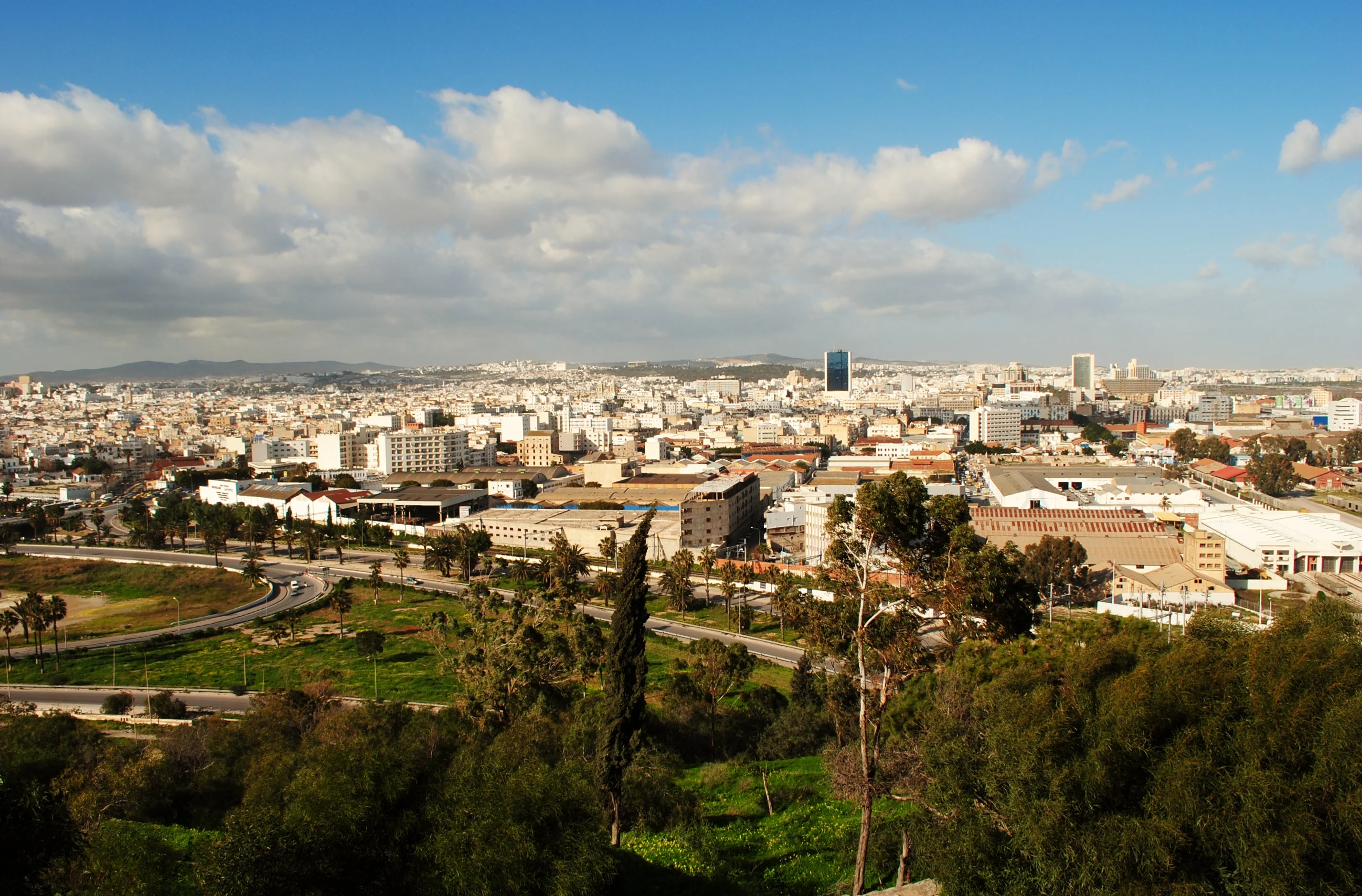
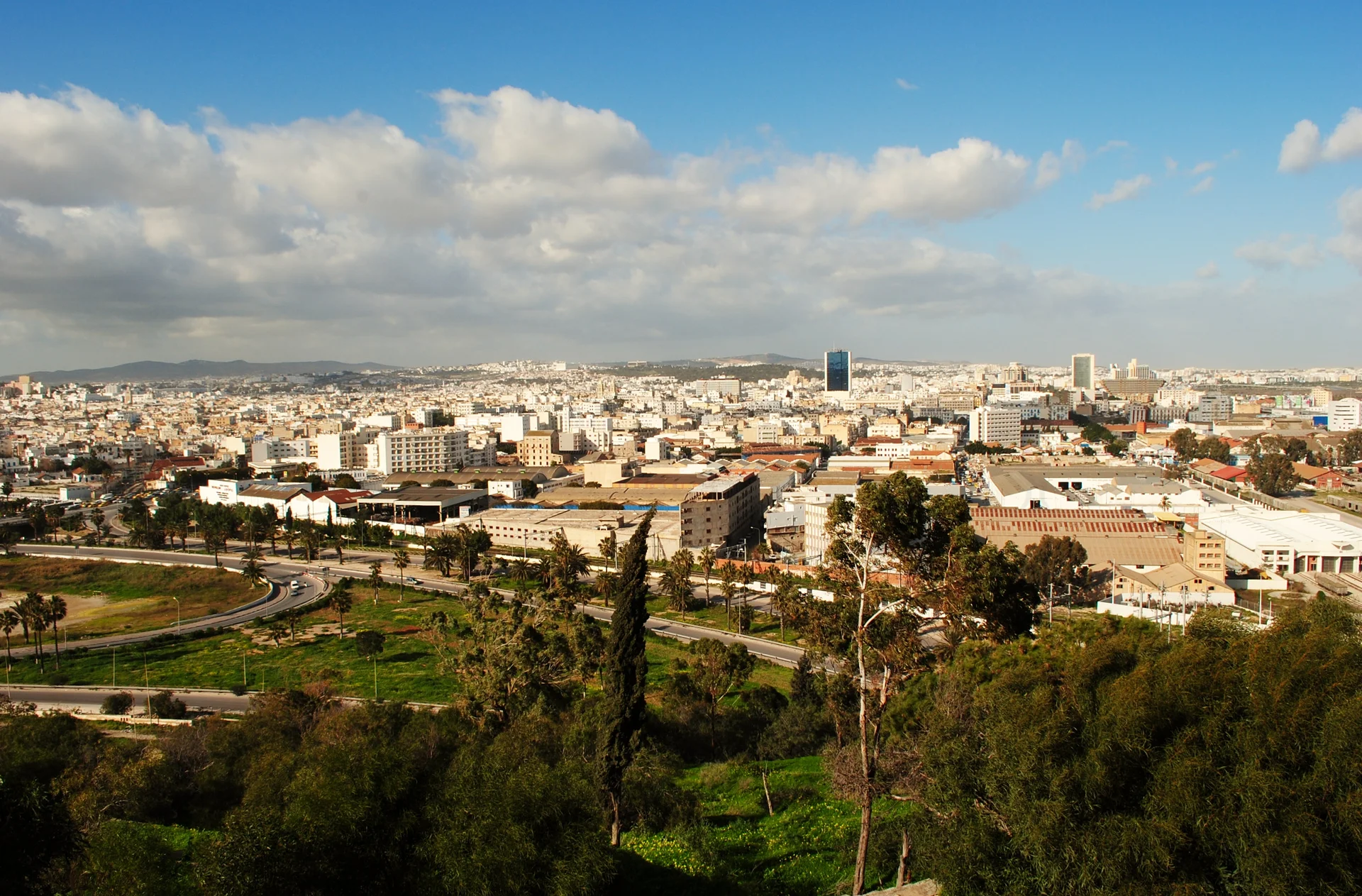
This duality is not a paradox. It is the very essence of the Tunisian capital. Built on hills overlooking the Mediterranean gulf and the ruins of Carthage, it has reinvented itself since the 2011 revolution by embracing a heritage that fascinates as much as it surprises.
The Destination for History Lovers and Cultural Contrasts
This city appeals above all to archaeology enthusiasts who want to walk in the footsteps of the Phoenicians and the Romans, to wanderers who love getting lost in the maze of centuries-old medinas, and to the curious eager to discover a society where tradition and modernity live side by side. Families will also appreciate the ease of access and the warm hospitality of the locals.
On the other hand, if you are looking for postcard-worthy beaches or intense nightlife, you are better off heading to the coastal resort towns. The capital remains primarily a cultural and urban experience. Practical note: walking is the best way to explore the city, supplemented by the streetcar system locally called the metro. Watch out for Fridays and Sundays when most sites close their doors.
An Accessible Budget Compared to the Rest of the Mediterranean
The Tunisian capital boasts a cost of living roughly 50% lower than in France. Expect between $29 and $40* per day for a backpacker staying in a youth hostel, $57 to $90* for mid-range comfort in three-star hotels, and $135 to $230* for an upscale stay. Local meals cost between $5.70 and $12*, public transit is practically free with bus tickets at $0.29*, and lodging ranges from $12 to $113* a night depending on the tier.
The Medina: A Living Labyrinth at the Heart of History
12 Centuries of History
A UNESCO World Heritage site, the medina of Tunis reveals 12 centuries of history across a compact area where more than 100,000 people still live. You enter through Bab El-Bahr, literally the Sea Gate. The contrast between quiet alleyways lined with centuries-old palaces and the bustling energy of the forty trade-guild souks creates the unique character of this eastern quarter.
Monuments to Discover
In the center, the El-Zitouna Mosque spans 5,000 square meters. If you are not Muslim, console yourself with the view from the rooftop terrace of the Café Panorama overlooking the rooftops. Nearby, the Palmier medrasa is the oldest Quranic school in the city. Hidden within the souk El Blat, the Ottoman-inspired Dar Bach Hamba palace now houses the Mediterranean arts cultural center, where oud concerts and maalouf, a distinct style of sung poetry, regularly echo through the halls.
The grand townhouses are worth lingering over: Dar El Haddad, Dar Hussein which houses the heritage museum, and Dar Lasram where an association works to preserve this architectural treasure. Check opening hours before you head out, however, as some palaces like Dar Othman and Dar Ben Abdallah sometimes close without notice.
Friendly tip: visit the medina in the morning to beat the afternoon heat and enjoy the golden light that flatters the facades. A guided tour is a smart move since the maze can be disorienting.
The Colonial City: Haussmann Elegance Under the Tunisian Sun
Habib Bourguiba Avenue, often called the Champs-Elysées of the capital, stretches out with its Haussmann-style buildings, remnants of the French protectorate era. Jasmine sellers rub shoulders with locals seated at outdoor cafes, creating an atmosphere that is both elegant and laid-back. Inaugurated in 1902, the Municipal Theater, an Art Nouveau jewel, hosts operas, concerts, and quality shows year-round.
The Saint-Vincent de Paul Cathedral stands proudly nearby, recalling the religious diversity of the country. If you have time, extend your walk toward Habib Thameur, Liberté, Carthage, and Paris avenues where colonial architecture vies for splendor. These boulevards form an open-air museum of Art Nouveau and Art Deco, with facades designed by Italian and French architects from the early 20th century.
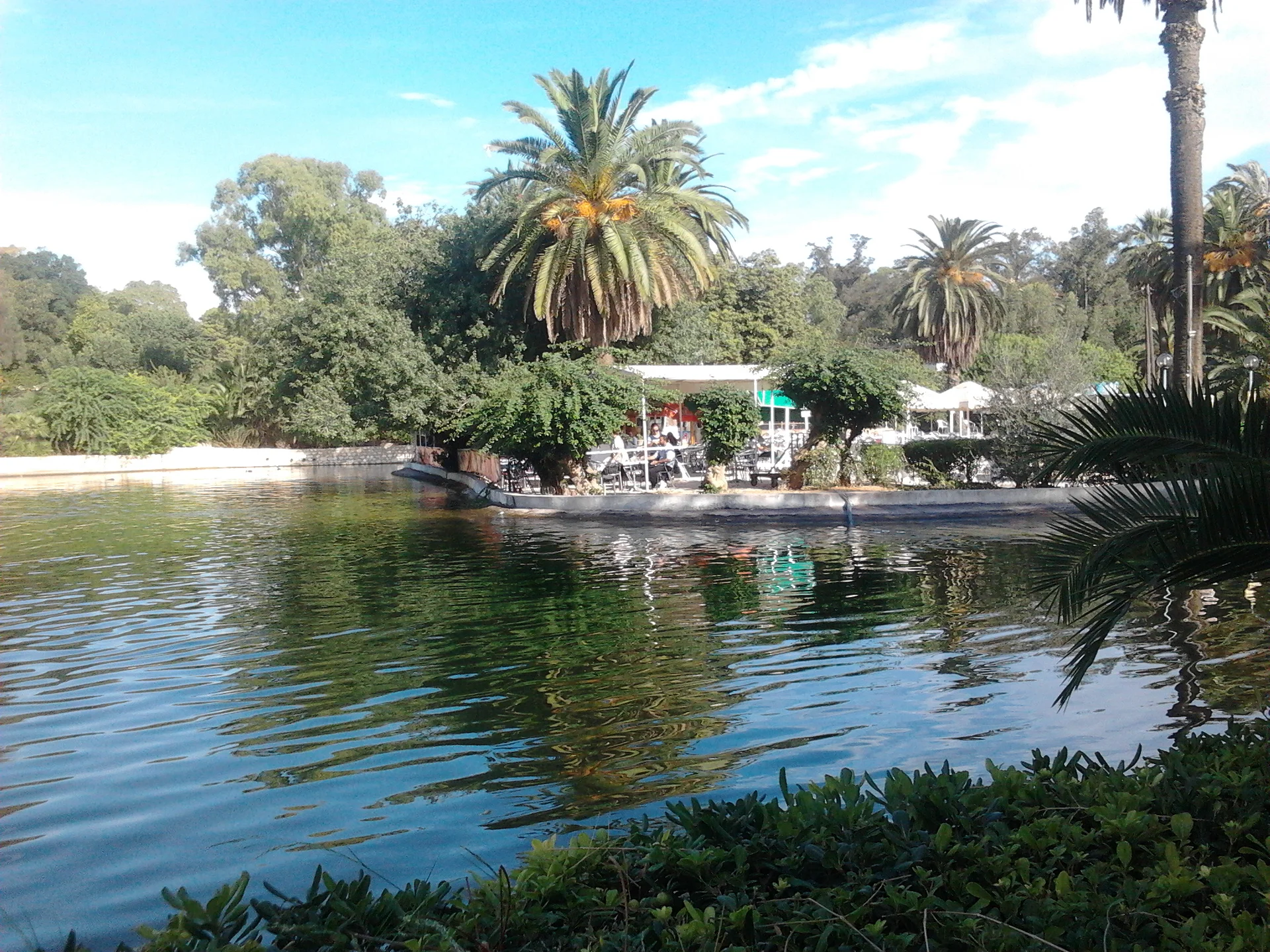
For a green escape, Belvédère Park offers a cool haven with an adjoining zoo, perfect for families. The modern districts of Berges du Lac represent the contemporary vision of the city with their high-rises and shopping malls.
Friendly tip: stroll down Bourguiba Avenue in the late afternoon when the café terraces come alive and the low sun highlights the architecture.
Carthage and Sidi Bou Saïd: Escapes on the Heights
Just a few miles from the center, Carthage spreads its scattered ruins across a UNESCO-listed site among the most important in the Mediterranean. Founded nearly 3,000 years ago, the ancient Punic capital, destroyed and rebuilt many times, still yields its secrets. The Roman amphitheater, the foundations of the Damous El Karita basilica, and the Antonine Baths are absolute must-sees.
If time permits, the National Museum of Carthage completes the visit nicely with its exceptional collections of Roman mosaics.
Just above, Sidi Bou Saïd drapes its blue-and-white houses over the cliffs overlooking the sea. This picturesque village, often compared to the Cyclades, gives off a unique vibe. Cobblestone alleys lined with bougainvillea lead to the legendary terraces of the Café Sidi Chabaane (also known as Café des Délices) or the Café des Nattes.
The setting, between azure sky and shimmering sea, typical houses and art galleries, shapes the identity of this spot favored by artists for decades.
Friendly tip: take the TGM suburban train from the center of the capital to reach these two sites. It is affordable, convenient, and spares you parking headaches.
The Bardo Museum: A Treasury of Mosaics
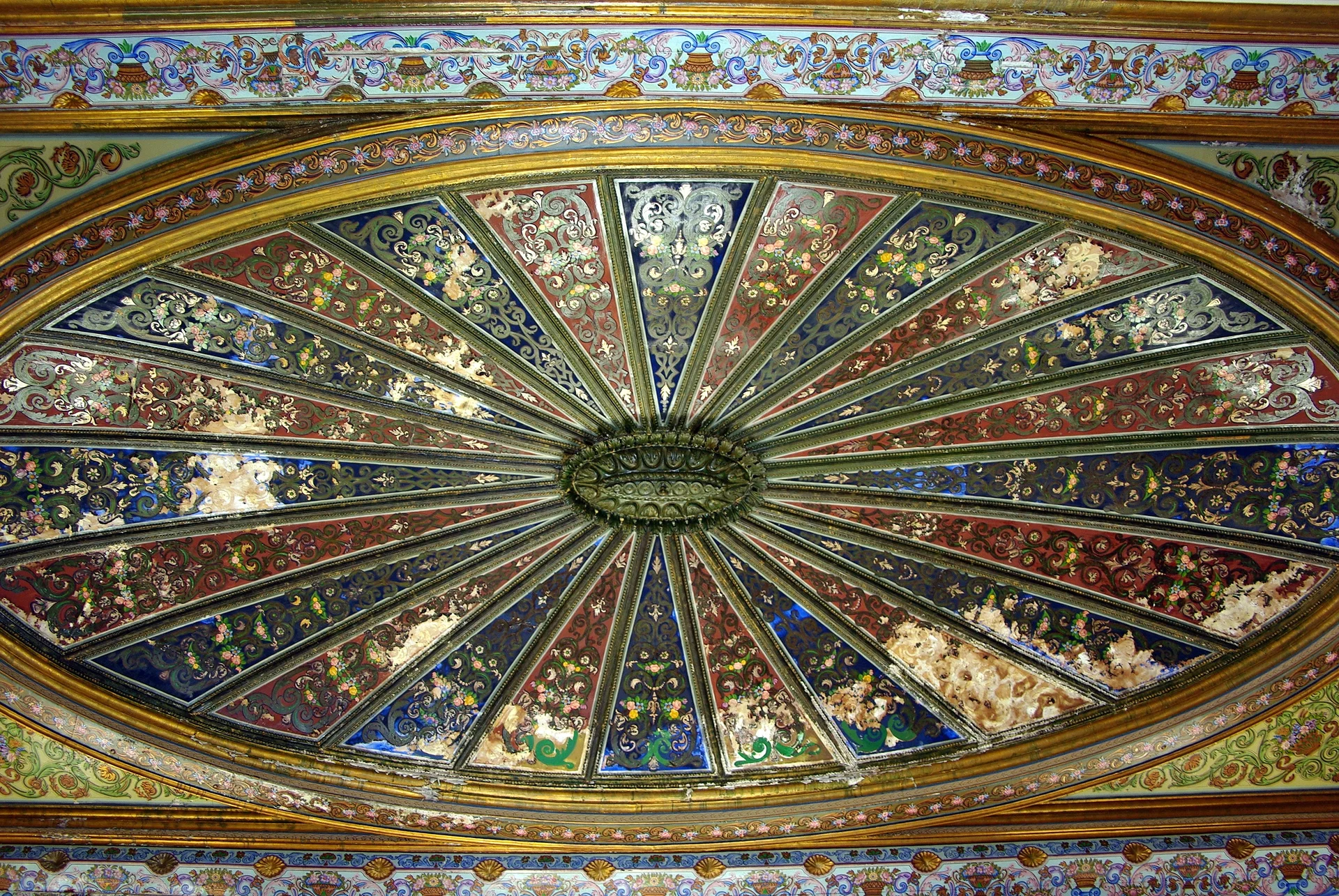
Housed in a former beylical palace, the Bardo Museum deserves a full half-day of your time. It holds one of the finest collections of Roman mosaics in the world, featuring exceptional pieces depicting mythological scenes, hunting, and daily life in antiquity. The decorated ceilings and the architecture of the building add to the charm of the visit. Despite the tragic events of 2015, the museum has bounced back and remains an essential stop to understand the country's millennial history.
Where to Eat and Drink in Tunis?
The culinary scene in Tunis blends Mediterranean, Middle Eastern, and African influences. The brik, a crispy pastry turnover stuffed with egg, tuna, or ground meat, is the star appetizer at every restaurant. Couscous, the national dish, comes served with fish in coastal areas or lamb in its more traditional version. Do not miss the kafteji, a mix of fried vegetables and eggs prepared right in front of you with an impressive knife-chopping routine.
For a fine dining experience, Dar El Jeld inside the medina serves refined cuisine in a lavish setting. Local neighborhood eateries serve hearty meals for just a few dinars. On the sweet side, Tunisian pastries like makroud, ghareiba, and samsa traditionally come paired with pine-nut tea. In La Goulette, a well-known port neighborhood, seafood and fish restaurants serve what locals consider the best fish couscous in town.
Friendly tip: try a kaskrout tounsi, a local tuna and harissa sandwich, at a medina stall for an authentic, on-the-go lunch for less than $3.40*.
How to Get to and Around Tunis?
Tunisair and Air France operate several daily direct flights from Paris, Marseille, and Toulouse to Tunis-Carthage Airport, located just 8 km from the center. The flight takes about 2 hours and 15 minutes. Nouvelair and Air Europa round out the options with often competitive fares.
Once you arrive, bus no. 35 connects the airport to downtown in 30 minutes for under a euro. Official yellow taxis charge about 10 Tunisian dinars ($3.40*) for the same trip. Note that a green light means they are occupied, while a red light means they are available. The streetcar network crosses the city from north to south, making it easy to reach major sites. Walking remains the best way to absorb the unique atmosphere of the neighborhoods.
When to Go?
Spring (March to May) and autumn (September to October) are the ideal weather windows with temperatures ranging from 20 to 26°C and plenty of sunshine. These shoulder seasons let you skip the crushing summer heat when the mercury easily climbs above 35°C, while enjoying smaller crowds and better rates.
Tunisian winters stay mild with daytime averages around 15°C, though rain can be frequent between December and February. Absolutely avoid July and August if you dislike intense heat and prefer to steer clear of heavy crowds. The capital's Mediterranean climate makes it worth visiting year-round, with each season offering its own discoveries.
Tunis, dans le top 5 des destinations mondiales ??? Vous êtes sérieux ?