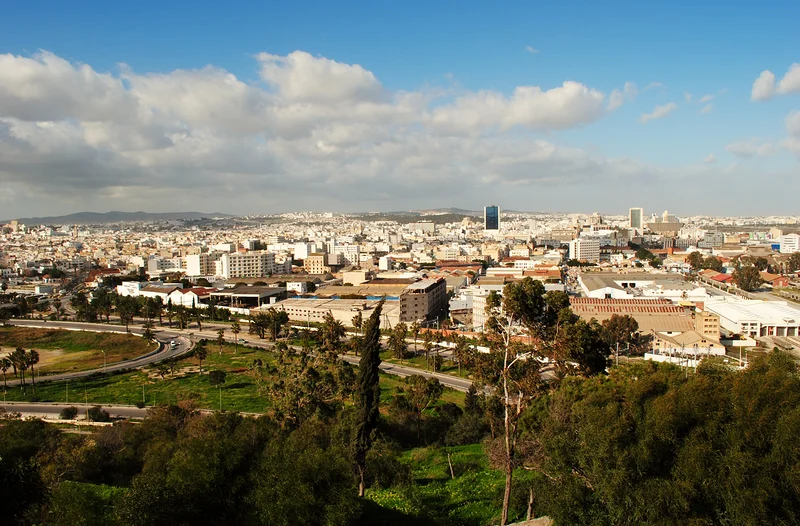
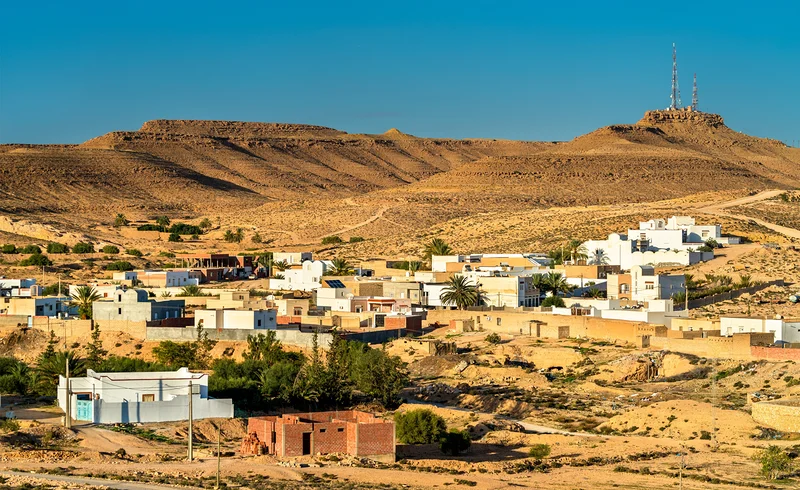
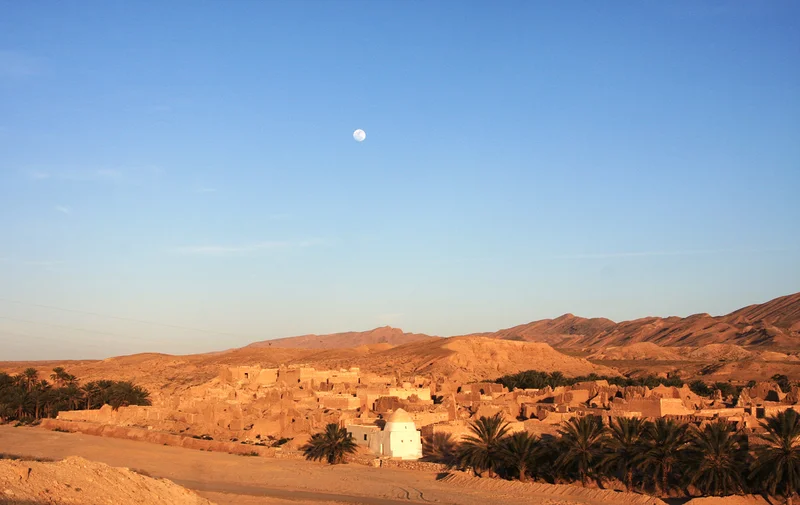
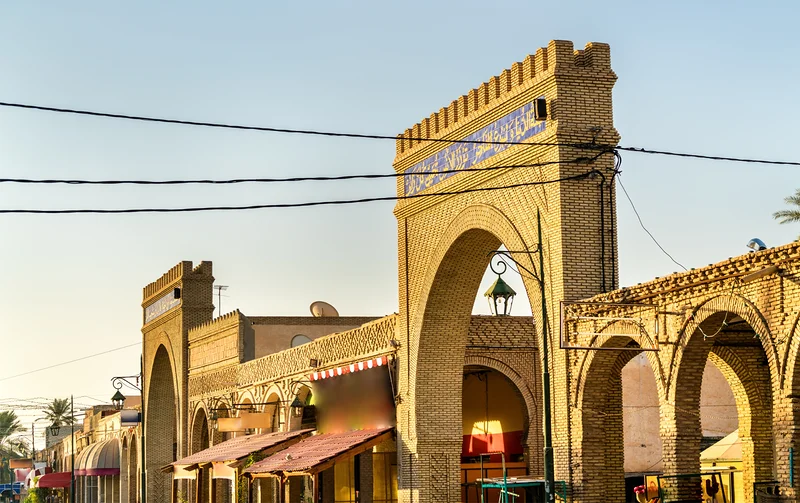
Tunisia: History, Desert, and the Mediterranean in One Country
You're walking through a whitewashed alley that smells like jasmine, and then six hours later you're watching the sun drop behind Sahara dunes with nothing but silence around you. Tunisia pulls off that kind of contrast without even trying. And it does it on a budget that makes most other Mediterranean destinations look overpriced.

Is Tunisia the right trip for you?
Tunisia is genuinely welcoming, the kind of place where hospitality isn't a slogan. It's a great fit for history buffs, travelers who want to stretch their dollars, and anyone curious enough to look beyond the all-inclusive resort strip. If you're open to real encounters and willing to wander off the hotel zone, you'll get more than you bargained for in the best way.
That said, go in with realistic expectations. Souk vendors can be persistent, and a firm but friendly "no thanks" is a skill worth developing before you arrive. The country has sharp contrasts: polished tourist zones right next to neighborhoods that feel worlds apart. Local transportation runs on its own schedule, so build patience into your itinerary.
Is it safe to travel to Tunisia?
Most trips go smoothly. The country is welcoming, and with basic common sense, like not flashing expensive gear in crowded areas and staying current on local conditions, you'll be fine in the main tourist areas.
That said, certain parts of the country are genuinely off-limits. The border regions with Libya and Algeria and the western mountain range carry serious travel warnings. Before you go, check the U.S. State Department's travel advisory page for Tunisia (travel.state.gov) for the latest updates. Read it, don't skip it.
A trip through time: Carthage, Rome, and everything in between

You can't walk 10 minutes in Tunisia without bumping into 3,000 years of history. The site of Carthage, overlooking the sea north of Tunis, is atmospheric even if its ruins are scattered across a modern suburb rather than concentrated in one dramatic spot.
For a genuine jaw-drop, head to El Jem. The Roman amphitheater there is the third largest in the Roman world, and it's remarkably well preserved, think Colosseum-scale but without the crowds. Further north, the UNESCO-listed site of Dougga gives you a nearly intact Roman-African city set on a hillside. Insider tip: visit Dougga late in the afternoon. The light turns golden, the tour buses have left, and you'll have the temples and theater largely to yourself.
Medinas, blue-and-white villages, and getting happily lost

The medina of Tunis is one of the great old city centers of the Arab world, a genuine labyrinth where each quarter historically had its own craft and trade. Put your phone away, follow the smell of spices and leather, and just walk. Every doorway hides something.
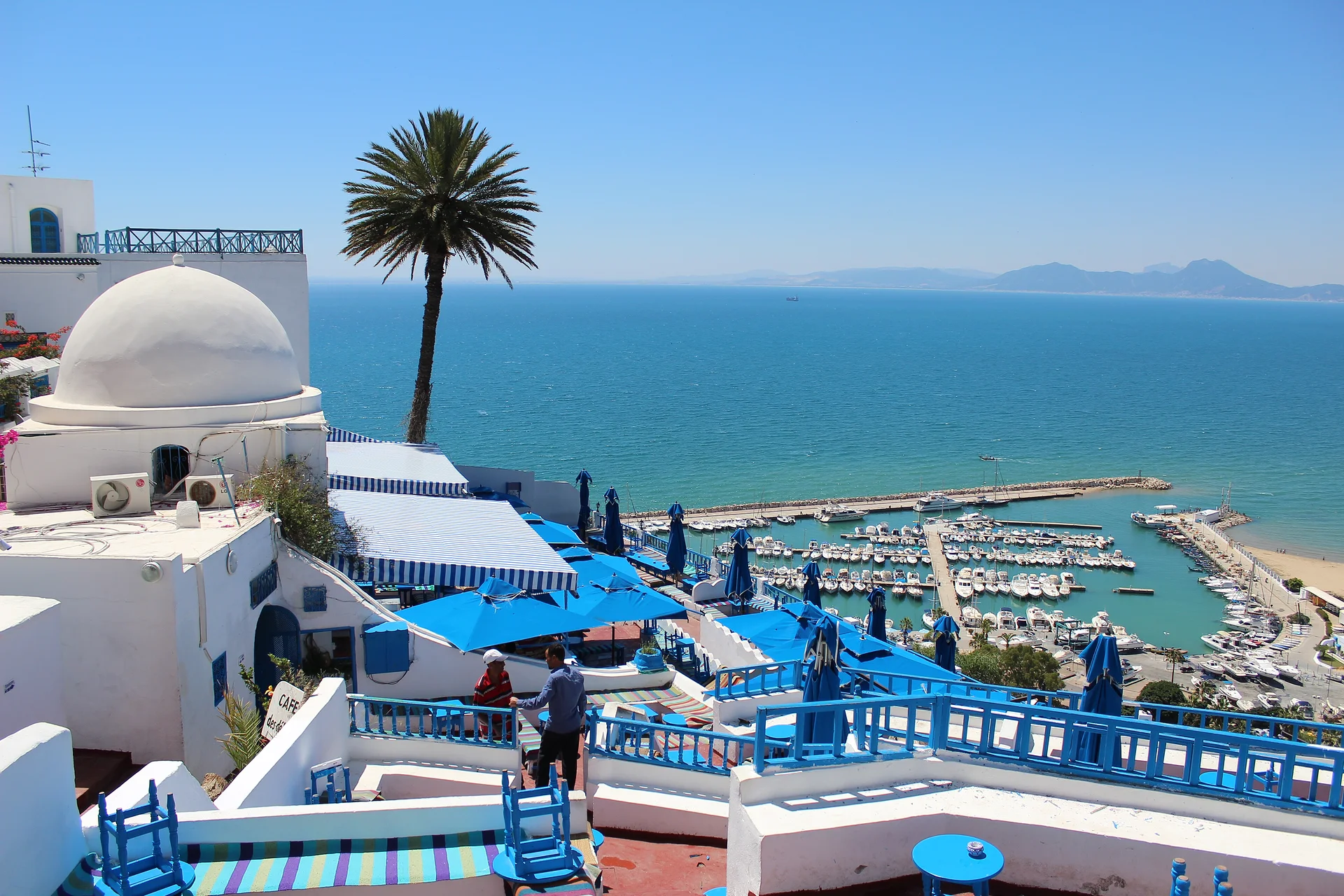
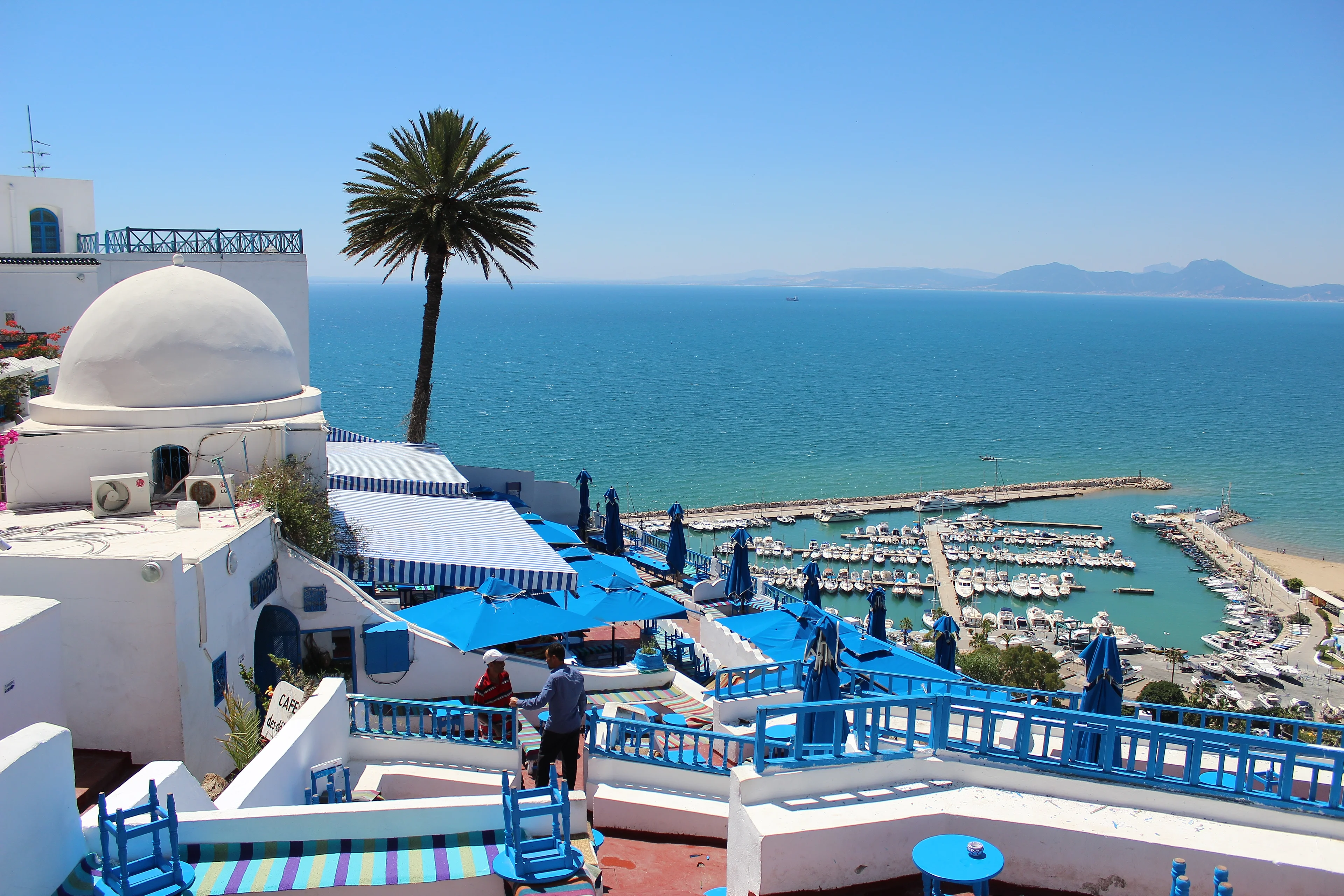
For something more photogenic, Sidi Bou Said delivers. The hilltop village with its blue-and-white architecture and bougainvillea-draped walls is touristy, yes, but the setting is legitimately beautiful. Down the coast, the medina of Hammamet is smaller and quieter, ringed by old ramparts right at the water's edge, good for a relaxed afternoon stroll.
Djerba's beaches and the wild northern coast

Tunisia's coastline runs more than 800 miles, and it's not all the same. The island of Djerba is a destination in its own right, with long sandy beaches, a laid-back island pace, and a distinct cultural identity anchored by the ancient Ghriba synagogue, one of the oldest in the world.
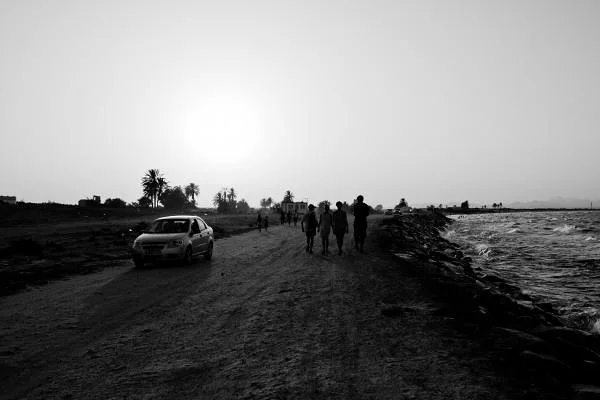
For something less developed, the northern coast around Cap Bon has quiet fishing harbors and hidden coves that most package tourists never reach. It's a different side of the country entirely.
The Sahara: the real reason to go south

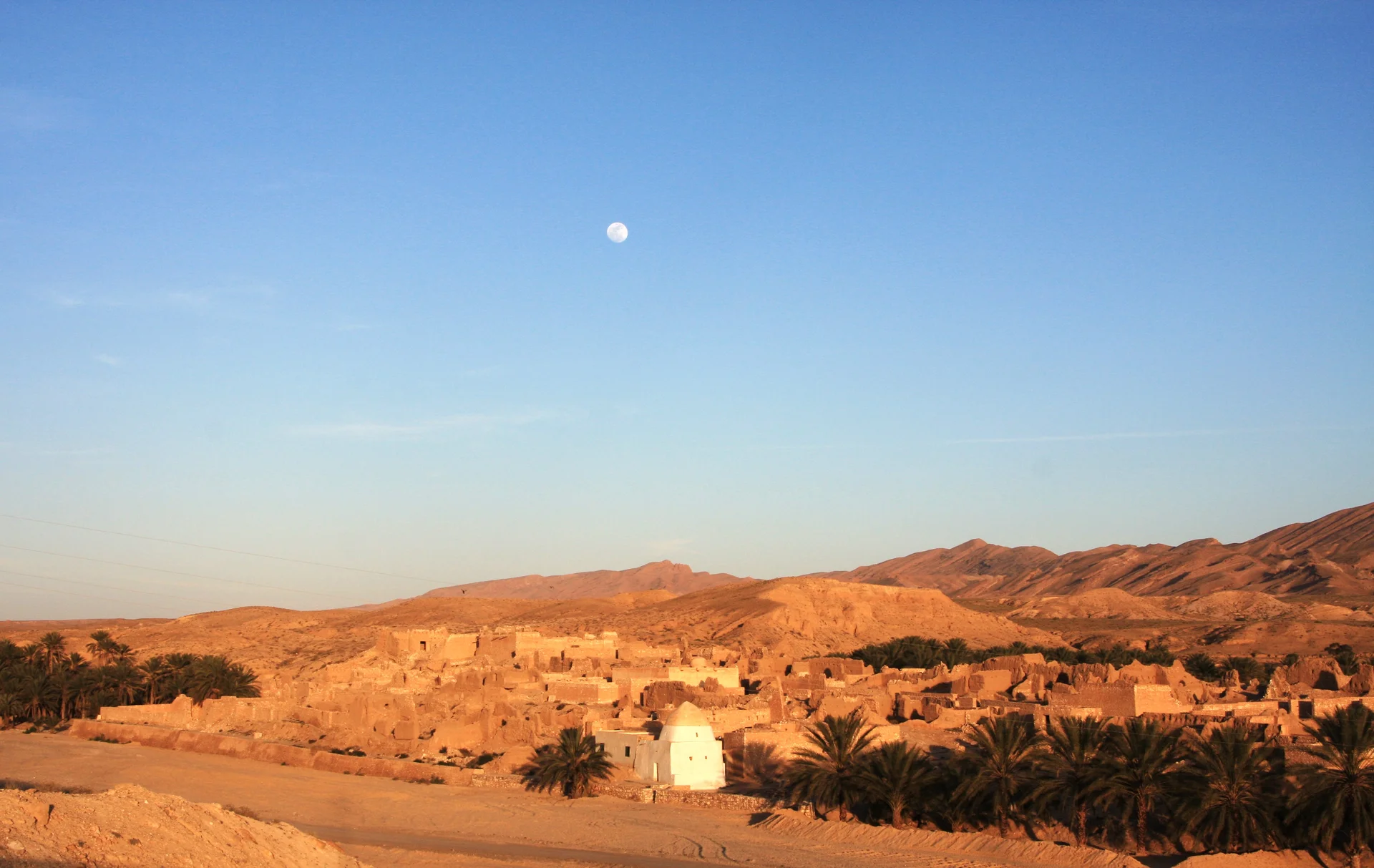
One of Tunisia's genuine advantages is how quickly the scenery changes. You can be on a Mediterranean beach in the morning and at the edge of the Sahara by afternoon. The gateway is Douz, where the dunes begin in earnest and the scale of the desert finally registers.
The experience worth doing: a camel trek of a few hours ending at a desert camp for the night. Dinner by firelight, a sky full of stars with zero light pollution, and silence that's almost physical. Near Tozeur, the mountain oases of Chebika and Tamerza add another layer: narrow canyons and small waterfalls cutting through arid rock, like stumbling onto a set from a movie filmed in the American Southwest.
Tunisian food: spicy, generous, and seriously underrated

Tunisian cooking is bold and spicy, built on olive oil, harissa, and good produce. Couscous is the national dish, made dozens of ways. On the coast, fish couscous is the version to order. Don't leave without trying a brick à l'oeuf, a thin fried pastry wrapped around a runny egg. It's crispy, messy, and worth every napkin.
For something lighter, salade méchouia (roasted peppers and tomatoes, roughly chopped) is a staple starter that shows up everywhere. And when someone offers you mint tea with pine nuts, say yes every time. It's the local gesture of welcome, and it's delicious.
When to go to Tunisia
Spring (April through June) and fall (September and October) are the sweet spots. Temperatures are comfortable across the whole country, ideal for mixing beach time with ruins and medina walks. Summer gets genuinely hot inland, but the coast stays pleasant if you're mainly after beach time. Winter is mild and actually perfect for exploring the south and the desert, when the heat isn't a factor.
Getting to Tunisia from the US
There are no direct flights from the US to Tunisia at this time. The standard route is to connect through a European hub (Paris, Frankfurt, London, Rome) into Tunis-Carthage International Airport (TUN), Monastir (MIR), or Djerba-Zarzis (DJE). Total travel time from the East Coast runs roughly 10 to 13 hours depending on your layover. US citizens do not need a visa for tourist stays up to 90 days, just a valid US passport.
Getting around Tunisia
The most authentic and practical way to move between cities is the louage, a shared taxi (white with red stripes) that departs once it's full and covers the whole country at very low fares, typically a few dinars (under $5) for most intercity routes. It's efficient, cheap, and a genuine slice of local life. For longer coastal routes, trains are a comfortable option, though the network is limited. Renting a car gives you full flexibility, especially for the south and desert areas, but city driving in Tunis is aggressive and parking is a sport. Factor that in.