Lome, the capital that hugs the ocean and never looks back
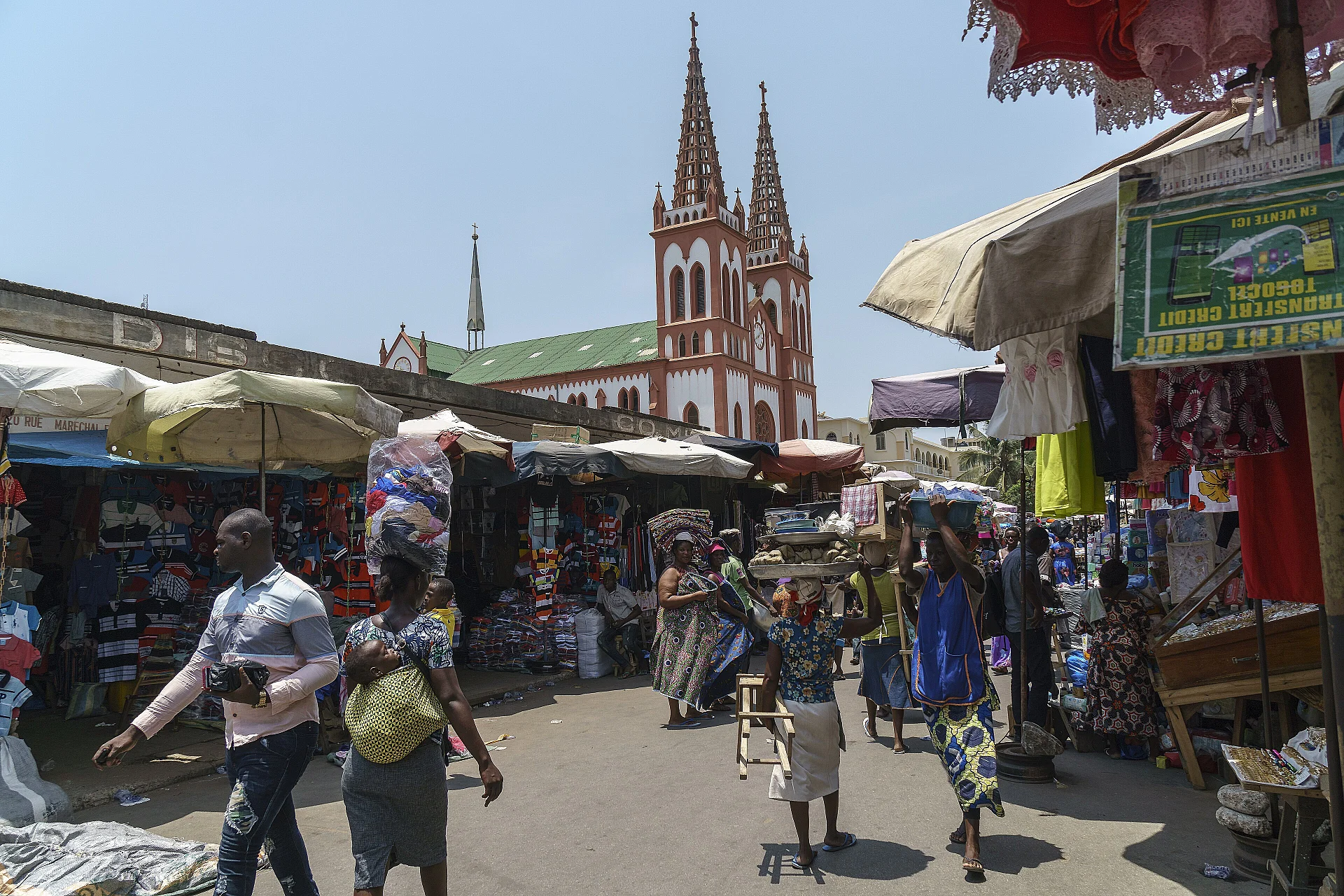
Here, the Atlantic borders the city for miles, yet Lome does not feel like a typical resort town. It is a dense West African capital, loud in places, where yellow taxis weave between the stalls of the Grand Marché and colonial facades, German first and then Art Deco.
People rarely end up here by accident: there are few casual vacationers, but plenty of curious travelers looking for a West African experience that is less filtered than its more heavily touristed neighbors.
Is this destination for you?
If you like capitals that hide nothing, neither their poverty nor their raw energy, Lome will speak to you. It is a city for those who want to understand the real Togo before heading out toward the north of the country or the lake at Togoville, not for those looking for a polished postcard.
Conversely, if you expect manicured, resort-style beaches or well-oiled tourist infrastructure, you might be disappointed. Here, everything is rougher around the edges, more artisanal, and sometimes slower than expected.
Good fit for:
- Travelers curious about an authentic, off-the-beaten-path West African capital
- Fans of bustling markets and local crafts like batiks, bronzes, and ritual items
- Those looking for a base to explore Togo including Lake Togo and the Kpalimé mountains
Bad fit for:
- Lovers of manicured beaches and calm swimming due to dangerous currents
- Travelers seeking standardized hotel comforts
- Very short trips where you do not want to step outside your comfort zone
An affordable overall budget, but watch out for traps
The cost of living remains low compared to Europe, but accommodations geared toward expats or business travelers can climb quickly. Street food, on the other hand, remains remarkably cheap.
| Expense | Range |
|---|---|
| Basic hotel night | 10,000 to 20,000 FCFA (about $18 to $35*) |
| Comfortable hotel night | 35,000 to 70,000 FCFA (about $64 to $127*) |
| Quick street bite | 500 to 1,500 FCFA (about $1.20 to $2.90*) |
| Restaurant meal | 3,000 to 8,000 FCFA (about $5.80 to $14*) |
| Daily transport and activities | 3,000 to 6,000 FCFA (about $5.80 to $12*) |
Estimated rates subject to change
Practical realities of a stay in Lome
The humid heat sticks to your skin almost year-round, with a rainy season running roughly from April to July. Tourist infrastructure remains modest with very few signs in English, informal transportation dominates, and getting around requires flexibility rather than tight scheduling.
French remains the official language and makes daily interactions much easier, which is a real comfort for French-speaking visitors compared to other capitals in the region.
Is Lomé safe for travel?
The general security situation has stabilized since the political tensions of the 2010s, but you still need to stay vigilant at night, particularly near the Grand Marché and in certain outlying neighborhoods. Avoid flashing expensive gear and stick to trusted taxis rather than hailing random cars on the street after dark.
The lagoon neighborhood and the echo of old buildings
Around the Boulevard du 13 Janvier, 1950s Art Deco apartment blocks sit next to newer, often run-down buildings that tell a story of interrupted expansion. This used to be the administrative heart of the colonial city, and several facades are worth a second look.
The red-and-white Sacré-Cœur Cathedral serves as an easy visual landmark to help you get your bearings downtown.
The Grand Marché, an open-air laboratory for voodoo and textiles
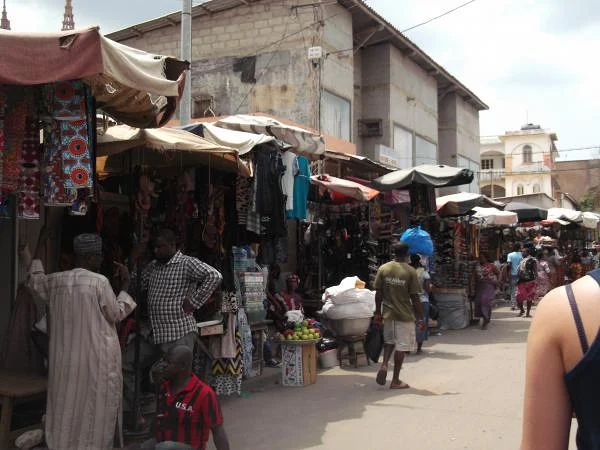
You cannot understand Lome without diving into its Grand Marché. Spanning multiple floors, vendors sell wax fabrics, jewelry, yams, and dried fish in an organized chaos that takes a little patience to navigate.
Right next door, the Akodessawa fetish market displays animal skulls, charms, and ritual objects used in voodoo practices, which remain very much alive in Togo. It is unsettling, sometimes disturbing, but hard to forget.
Friendly tip: Visit the fetish market in the late morning with a local guide instead of going alone. Beyond showing respect for the space, it helps prevent misunderstandings about taking photos of sacred objects.
The waterfront, between wild beaches and the Ghanaian border
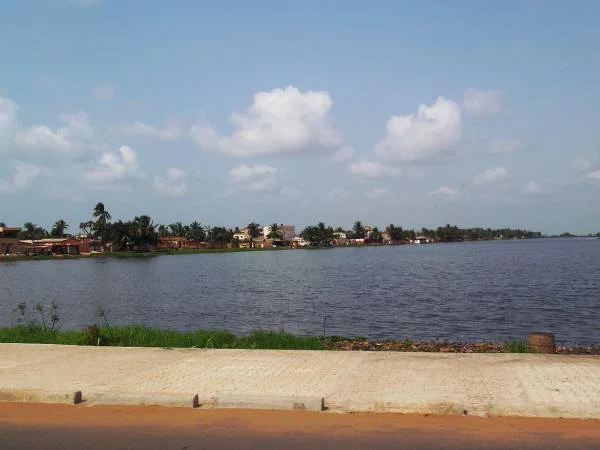
The Lomé beach stretches along the city for miles, with waves that are usually too rough for casual swimming. People come here for sunset walks, to watch fishermen hauling in their nets, or to catch a glimpse of the nearby Ghana border visible from certain points along the coast.
Where to eat and drink in Lome?
Togolese cuisine is best sampled on the street: pâte, made from corn or cassava, served with peanut or okra sauce is the foundation of daily meals. Akpan, a slightly sour fermented corn porridge, is typically enjoyed for breakfast.
Grilled skewers along the streets in the Agbalépédogan neighborhood draw a local crowd in the evening, which is always a good sign of freshness and quality.
Where to stay in Lome and the surrounding area?
The waterfront neighborhood concentrates most of the hotels catering to travelers and expats, with direct beach access. Downtown, around the Boulevard du 13 Janvier, offers more affordable options close to the markets and urban action.
If you want to get out of the capital, the shores of Lake Togo, about an hour's drive away, offer quieter spots often favored for a relaxing weekend getaway.
How to get to Lome?
Gnassingbé Eyadéma International Airport with the IATA code LFW offers direct flights from several European cities, notably Paris, on select airlines. Plan for about 6 to 7 hours in the air if you are flying in from Europe.
Driving in from neighboring countries is also common: Ghana is accessible in a few hours via the border just outside the city, and Benin is an easy overland trip as well.
How to get around Lome?
Motorcycle taxis, locally known as zémidjans, are the most widespread and fastest way to zip through city traffic. Always negotiate the fare before you hop on, as rides do not run on meters.
Standard yellow cabs operate on shared fixed routes or can be chartered for private rides, which cost more but offer a bit more comfort.
When to go?
The dry season, running from roughly November to March, provides the most pleasant conditions for exploring the city on foot and enjoying the ocean breeze. Avoid the peak of the rainy season between June and July, when downpours can disrupt travel plans and the humidity gets intense.