Discover Togo: A Palette of Discoveries Around Every Corner
Picture walking the golden beaches of Lomé with the sun dipping below the horizon and the air thick with the scent of local spices. This West African nation, rich in culture and history, continues to draw travelers in with its striking landscapes and the genuine warmth of its people.
Is This Destination Right For You?
Togo delivers a memorable travel experience through its varied geography and ancient traditions. At the same time, it requires an open mind when dealing with basic infrastructure.
Great for:
- Adventurers seeking authenticity
- Fans of African cultures and traditions
Not ideal for:
- Anyone expecting modern luxury amenities
- Travelers sensitive to tropical heat
Budget: Planning Your Trip to Togo
| What | Where | Duration | Budget |
|---|---|---|---|
| Explore Lomé | Lomé | 3 days | $230* |
| Discover Koutammakou | Koutammakou | 2 days | $169* |
| Beach getaway | Aného | 4 days | $340* |
| Plateaux hiking trip | Plateaux Region | 2 days | $113* |
Practical Realities
Togo features mixed infrastructure, with paved main arteries alongside unpaved secondary roads that can be rough going. Public transit offers a distinct local experience, though buses run on their own schedule and pack in tight. As for the weather, expect heavy tropical heat with a rainy season running from May through October.
Is It Safe to Travel in Togo?
Togo remains generally safe for visitors, though you should keep your guard up in major urban centers like Lomé. Avoid traveling near the border zones after dark and rely on local guides when venturing into remote regions.
Friendly tip: Hiring a local guide for off-the-beaten-path excursions will completely change your experience for the better.
Journeys Through Togo's Striking Landscapes
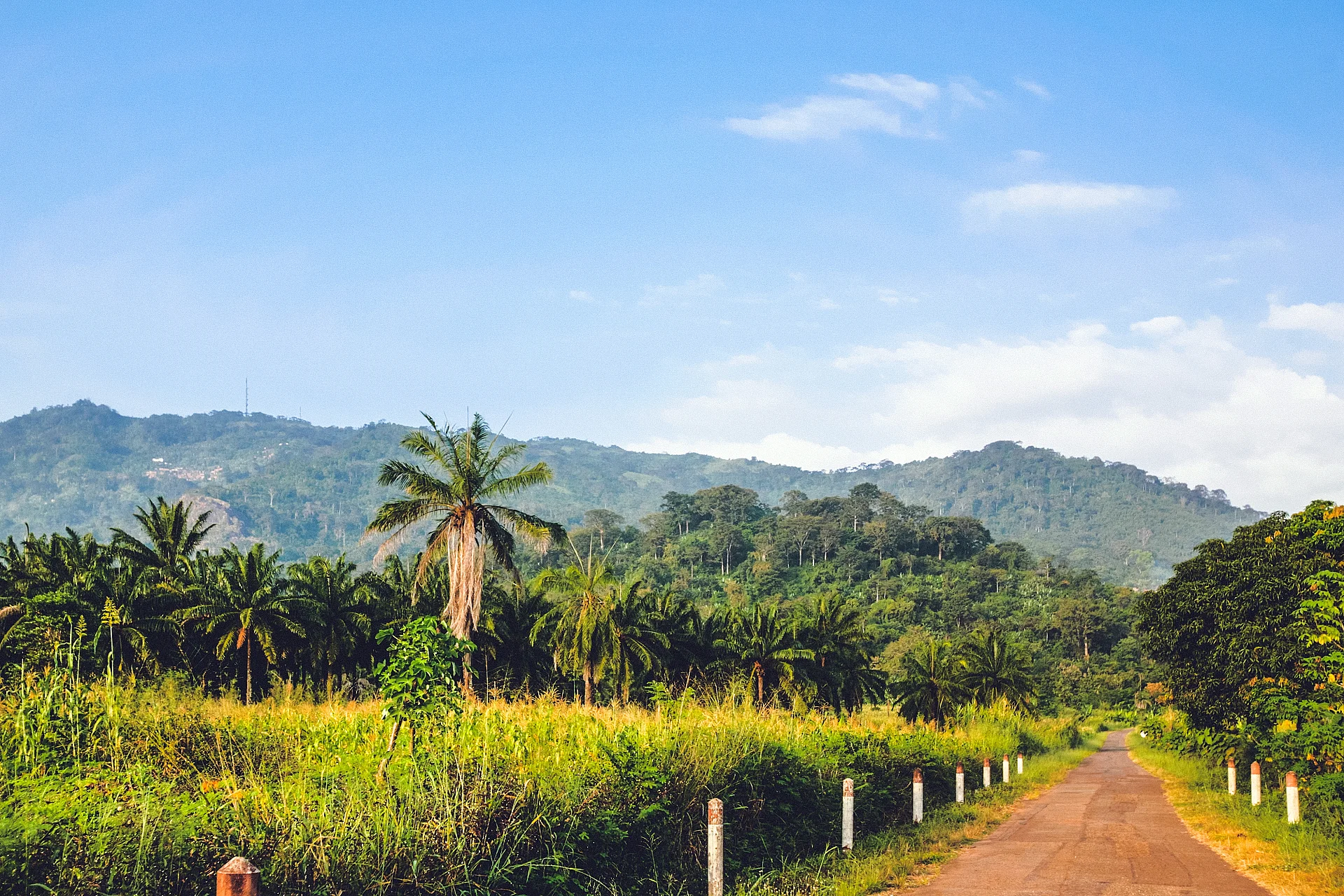
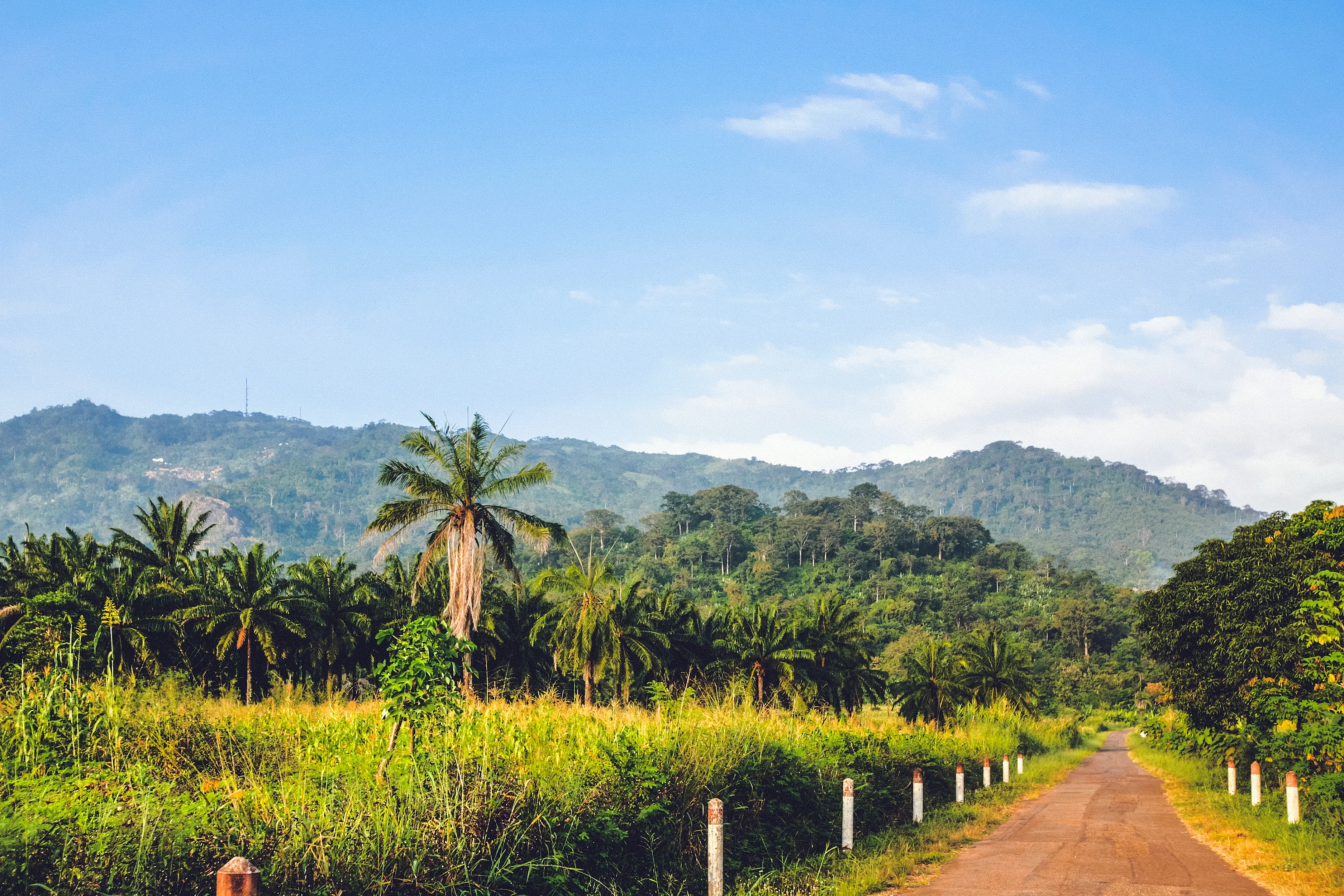
The mountains and forests of Togo create an ideal playground for hikers. The Plateaux region, filled with rolling hills and waterfalls, sets the stage for memorable outdoor excursions. Make sure to visit the UNESCO-listed site of Koutammakou for a close look at traditional Tamberma tower-houses.
Friendly tip: Start your outdoor visits early in the morning to beat the heavy afternoon heat and enjoy the landscape at its best.
The Lively Shores of Togo: Culture and Relaxation
Along the shores of Lake Togo, you can experience the living roots of Voodoo practice in communities like Togoville. It makes an ideal spot for a quiet break or a canoe ride out on the water. Further south, the coastal town of Aného awaits with quiet beaches and lively evening spots.
Friendly tip: Keep small bills handy for boat hires and village visits, as ATM access is limited outside the capital.
Deep Dive Into History and Craftsmanship
The fetish market in Lomé gives you a direct look at the role Voodoo plays in Togolese daily life. Nearby, the artisanal village showcases an impressive range of local craftsmanship, from hand-dyed batiks to carved wood sculptures. A quick stop at the national museum rounds out your cultural orientation.
Friendly tip: Photography rules vary strictly around sacred sites and fetish markets, so always ask permission before taking pictures.
The Animist Adventure: Spiritual Togo
Witness traditional animist and Voodoo rituals by joining a local ceremony when one is open to visitors. These rare moments offer a real window into local spiritual life. You can even visit a traditional healer for a fascinating look at herbal medicine practices.
Togo on the Plate: Flavors in Every Bite
Togolese cooking packs plenty of flavor and makes eating a genuine adventure. Do not miss trying fufu paired with a spiced lamb stew, classic dishes that tell the story of the country through its ingredients. The local outdoor markets overflow with fresh tropical fruit.
When to Visit Togo
To steer clear of the tropical downpours, plan your trip between November and April. During these dry months, the weather cooperates for exploring the country under sunny skies.
How to Get to Togo
No airline flies nonstop from North America; itineraries connect in Paris, Brussels, Casablanca, Istanbul, or Addis Ababa before reaching Lomé. The European leg alone takes about 6 hours, and tickets typically range from 300 to $450*. A valid passport and an entry visa are required for all US travelers entering Togo.
Getting Around Togo
Intercity buses connect the larger towns for regional transit. In Lomé, zemidjans (motorcycle taxis) offer a fast, cheap way to zip through traffic. If you plan on exploring rural areas on your own schedule, look into a car rental or 4x4.