
Nosy Be, the Perfumed Island of the Indian Ocean
You smell ylang-ylang before you see it. As soon as you leave Fascène airport, a sweet, heavy scent hangs over the island roads, mixed with red dust and wood smoke.
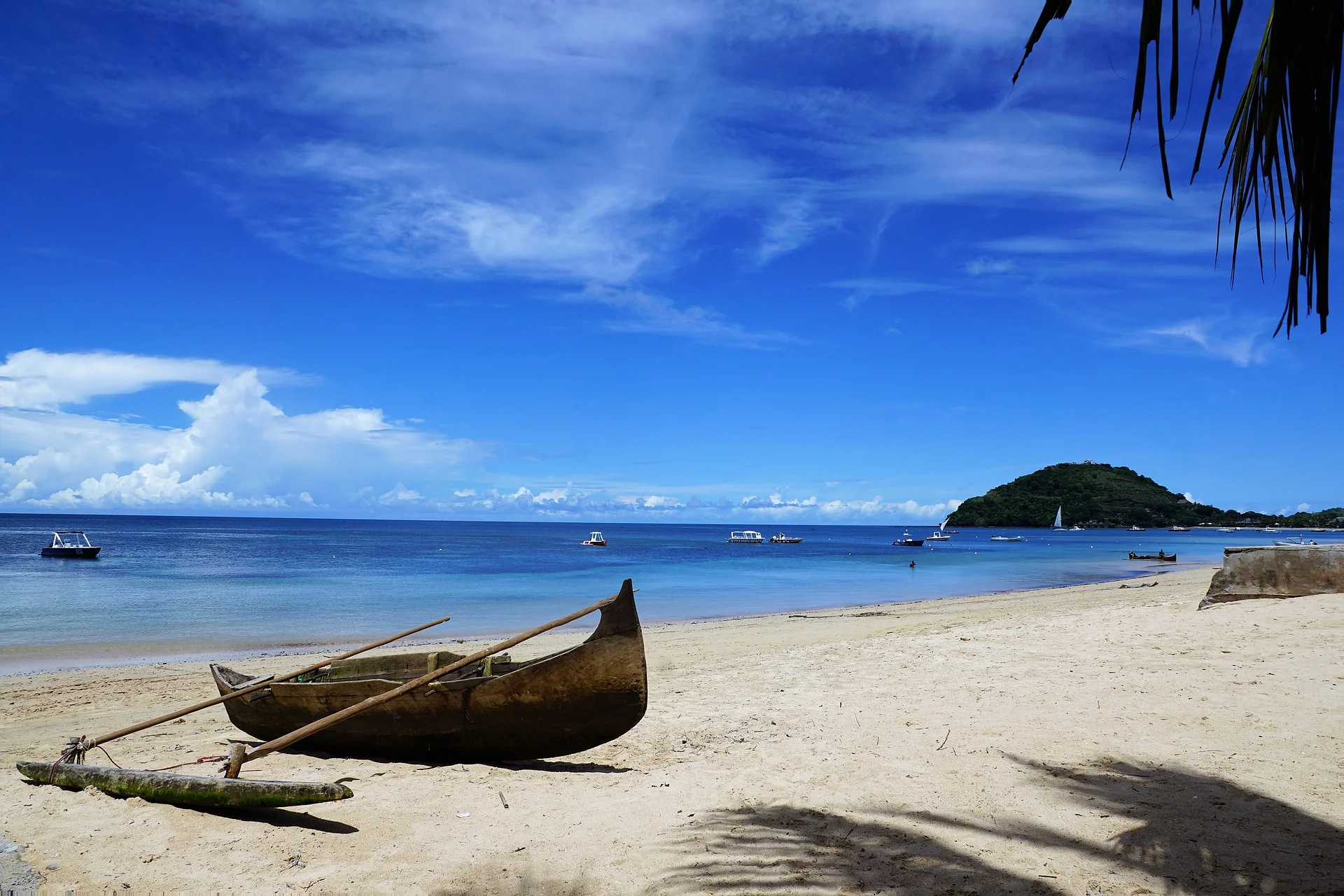
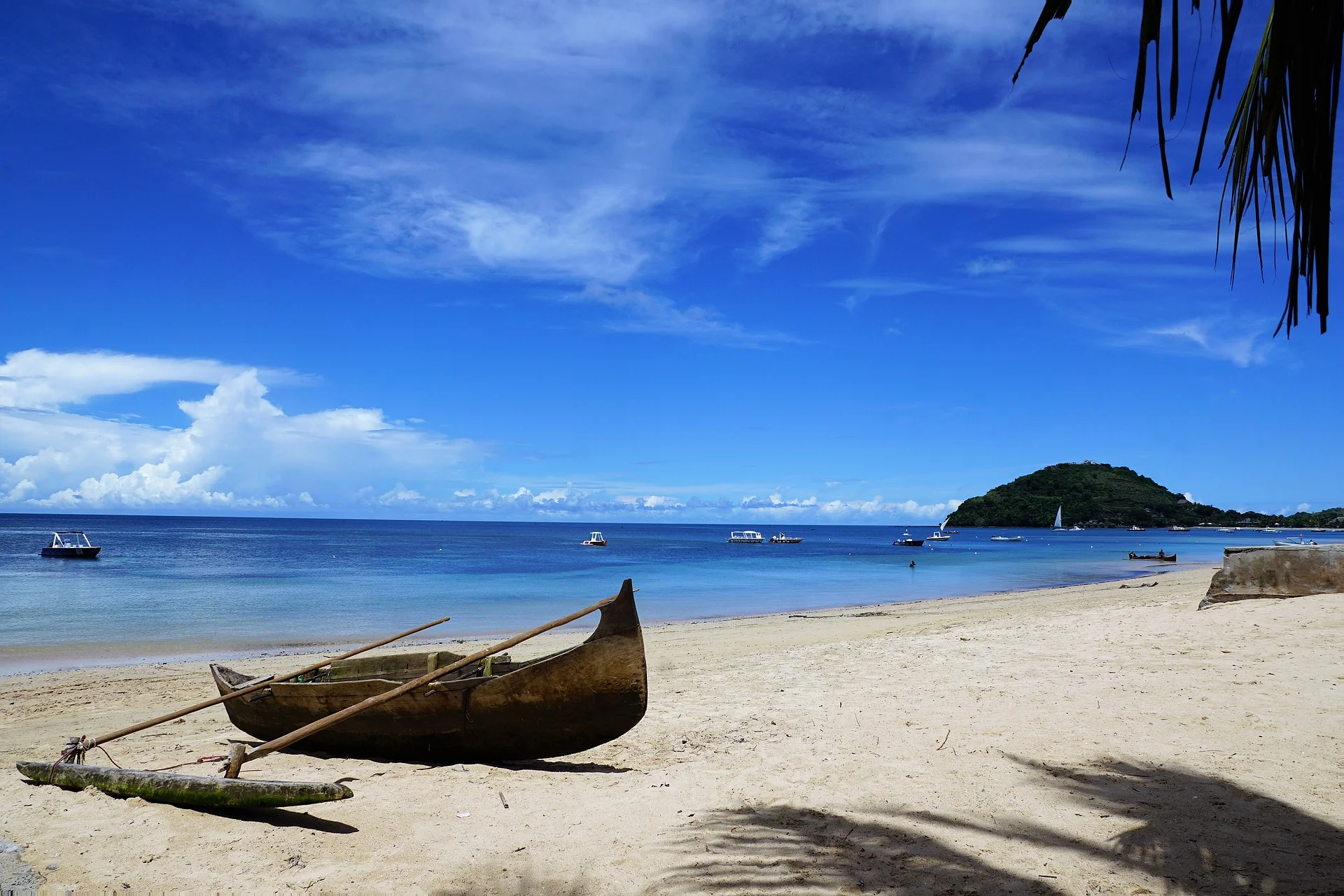
Nosy Be is the major resort island in northwestern Madagascar. Its economy runs on beaches, plantations, and boat trips out to neighboring islets.
A destination for you?
Nosy Be suits travelers who want to combine warm water, snorkeling, and a slow pace, with a side of Malagasy nature. Couples, active beachgoers, and fans of colorful markets feel right at home here.
It appeals less to anyone expecting wild, deserted beaches year-round, or traveling on a tight budget. Prices run noticeably higher here than across the rest of Madagascar.
Great for:
- Snorkeling and boat trip fans
- Couples and travelers seeking relaxation
- Anyone wanting to combine beach time with local culture
Skip it if:
- You are on a tight budget
- You hate dealing with persistent vendors and guides
- You are in a rush and want to see everything in 48 hours
Higher prices than the rest of Madagascar
Nosy Be is the country's showpiece destination, and you pay for it. Boat excursions take a heavy toll on the budget, far more than meals. Always compare multiple offers before booking.
Practical realities
French is widely understood in the tourism sector, while Malagasy is the everyday language. Roads are limited: the island is small, but drives take time due to the road conditions.
The climate is tropical, split between a dry season and a rainy season. Pack insect repellent year-round, as malaria exists in Madagascar: consult a doctor before departure for prophylaxis.
The island's towns and villages
Hell-Ville (Andoany)
The island's main town serves as the arrival port by boat and hosts the central market, where you will find spices, vanilla, fruit, and fish. It stands out as the best spot to experience local daily life.
Ambatoloaka
This serves as the liveliest beach resort, packed with restaurants, bars, and lodging. If you want quiet, head for other beaches on the island. Nightlife here runs late and gets loud.
Andilana
Up north, Andilana beach offers a quieter atmosphere and frequent praise for its sunsets. It makes an easy choice for a lazy beach day.
Boat trips and nature
Nosy Komba
This nearby island is known for its lemurs, which are used to visitors, and local artisans selling embroidery. Trips here usually run as half-day excursions from Nosy Be.
Nosy Tanikely
This tiny marine reserve makes a standard stop for snorkeling, filled with colorful fish and sea turtles. The water stays remarkably clear, especially in good weather.
Lokobe Reserve
Back on the main island, the Lokobe reserve protects one of Nosy Be's last remaining primary forests. Guided hikes here put you right in front of lemurs, chameleons, and geckos.
Friendly tip: for excursions, compare offers from multiple operators and verify what is included (meals, reserve fees, snorkeling gear) before paying.
Where to eat and drink in Nosy Be?
Local menus focus on grilled fish and seafood, usually served with rice and coconut sauces. Zebu and street skewers turn up at the market.
To drink, try rhum arrangé, infused with vanilla or fruit, frequently poured at the end of a meal.
Where to sleep in Nosy Be and around?
Lodging ranges from simple beach bungalows to seaside hotels. Ambatoloaka offers the widest selection and nightlife, while the north and west coasts stay much quieter.
How to get to Nosy Be?
Fascène airport (NOS) handles flights from Antananarivo, alongside seasonal direct flights from Europe. You can also route through the capital or regional stops.
By water, ferries connect the island to Ankify on the mainland. This option works well for travelers touring northern Madagascar.
How to get around Nosy Be?
Shared taxis collectifs and tuk-tuks make up the standard transit options. Negotiate the fare before you hop in.
To explore the island at your own pace, renting a scooter or hiring a car with a driver are solid alternatives.
When to go?
The dry season, roughly May through October, delivers the best weather for the beach and sea. The rainy season brings higher heat and humidity along with potential cyclones and storms, making it a poor choice for a beach trip.