
Visiting the Château de La Madeleine
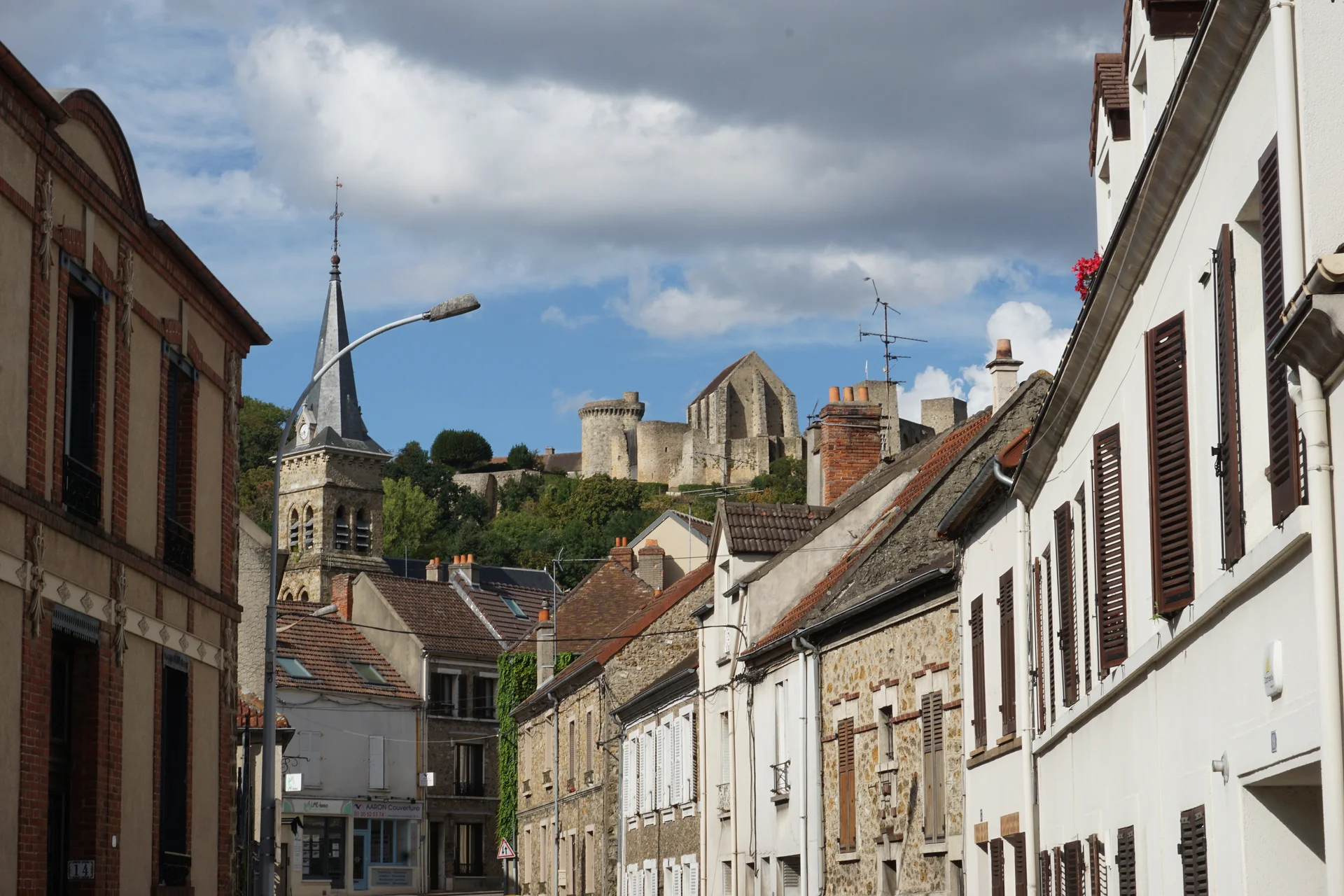
If you find yourself in the town of Chevreuse, in the Yvelines department, you can explore an 11th-century castle that currently serves as the headquarters for the Parc naturel régional de la Haute Vallée de Chevreuse (High Chevreuse Valley Regional Nature Park). Its exceptional state of preservation adds to the appeal of this fortress.
History
Construction of the castle began around 1030, commissioned by Gui 1st, Lord of Chevreuse. It was built to protect the town from constant looting. The castle chapel was dedicated to Saint Mary Magdalene, which ultimately gave the entire fortress its name.
During the 12th century, significant modifications occurred. The high-courtyard wall, which was likely nothing more than a wooden palisade, was replaced by a stone wall. A stone keep was also added to the structure.
A second wave of improvements took place during the 15th century, under the reigns of Charles V, Charles VI, and Louis XI. The town itself was fortified during this period, gaining a moat and ramparts equipped with small towers.
In the 20th century, the Maison du Parc naturel régional de la Haute Vallée de Chevreuse was built within the castle's inner courtyard.
The Château de La Madeleine
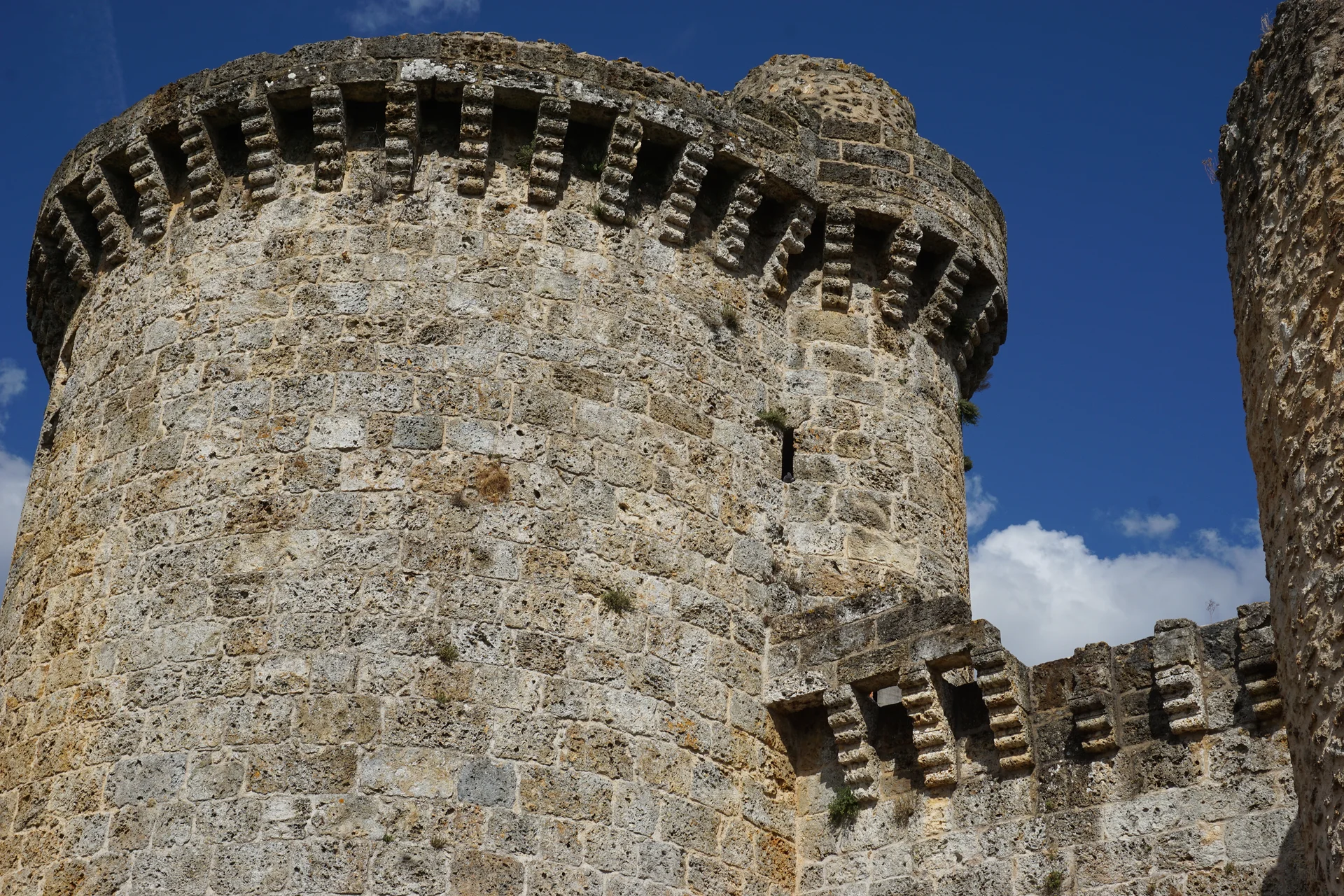
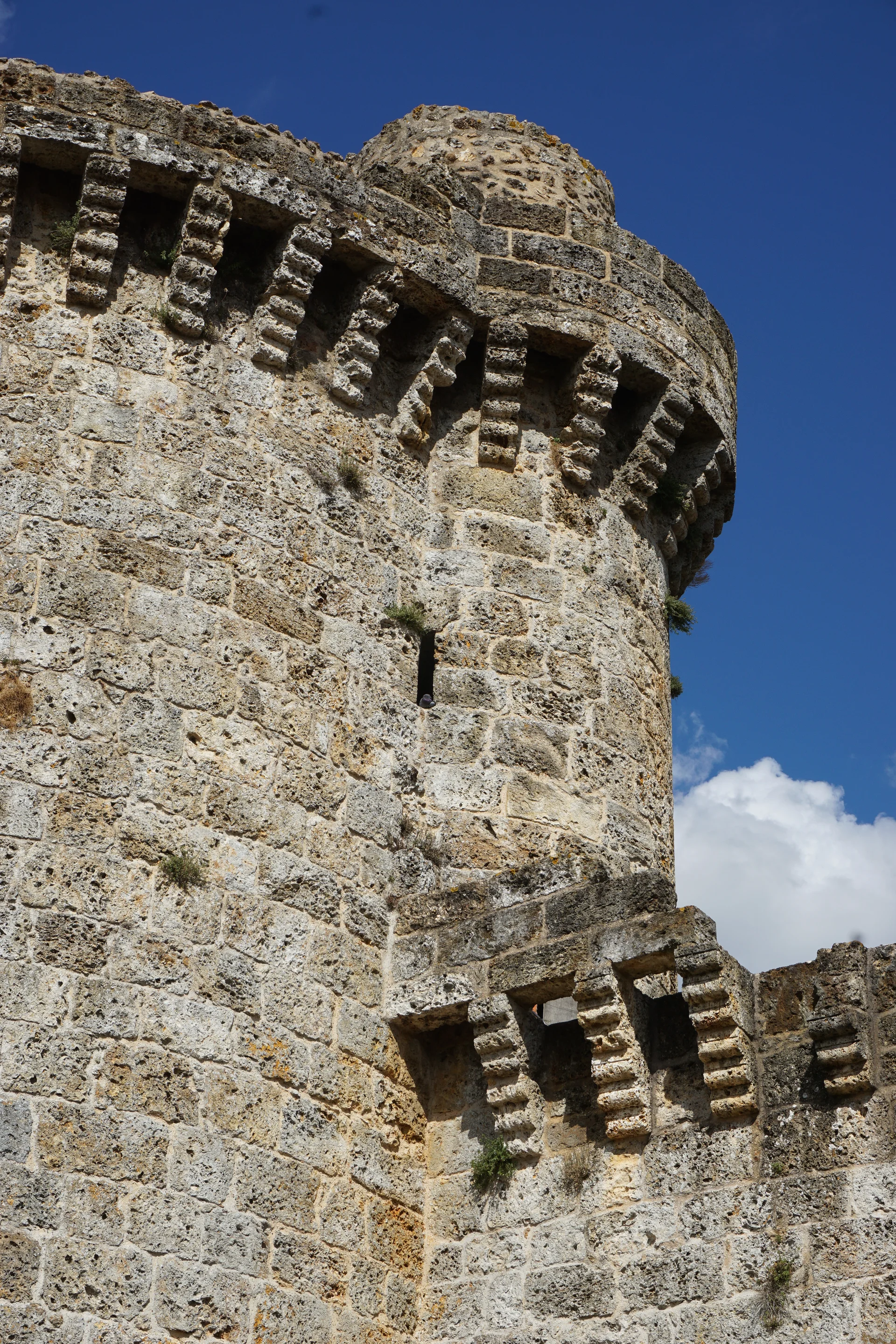
Although nothing remains of the town's original perimeter walls, the castle still features its 14th-century wall, complemented by a moat and a natural ravine. The high courtyard of the castle is free to visit, where you can see well-preserved remains, such as the two round towers, the keep, and the machicolations along the ramparts. The lower courtyard is divided into private plots and is not open to the public.
For fans of the series, several outdoor scenes from Kaamelott were filmed in the courtyard of the Château de La Madeleine.
It remains a significant example of period defensive architecture.
Opening hours
| Monday | Closed |
|---|---|
| Tuesday | 11:00-18:00 |
| Wednesday | 11:00-18:00 |
| Thursday | 11:00-18:00 |
| Friday | 11:00-18:00 |
| Saturday | 11:00-18:00 |
| Sunday | 11:00-18:00 |

For readers of the Fortunes de France saga, Chevreuse is a familiar name, thanks to the character of the Duchess of Chevreuse. Once there, I also discovered that Racine spent part of his life in the area.
In short, it sounds promising on paper.
To get to the castle that overlooks the whole village, you have to walk up a path through the woods for a few hundred yards, the Jean Racine path.
It is not too hard, and it is fun to do and see.
When I arrived in front of the castle, I was pretty disappointed: doors closed (August 15th?) and not much to see, except for the view of the Chevreuse valley from the path. I would have liked to see what is inside the castle grounds, and maybe even climb the towers if that is possible.