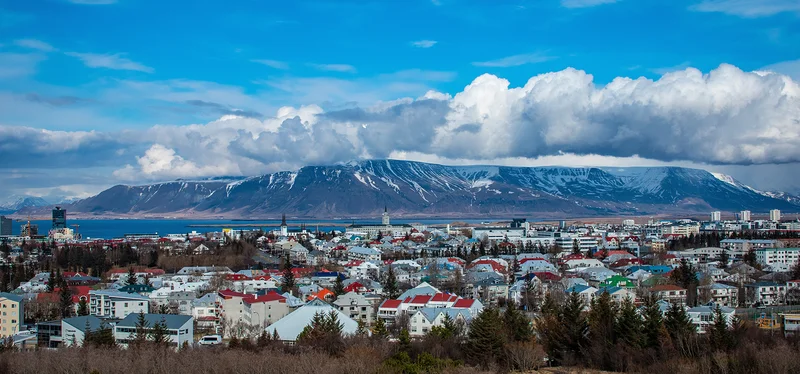
Visiting Iceland: Fire, Ice, and Everything in Between
Iceland sits at the edge of the Arctic, and the landscape makes sure you know it. Black lava fields, thundering waterfalls, obsidian beaches, geysers blowing steam into cold air, this is a country where the ground itself feels alive. Come here ready to be humbled by raw, unfiltered nature.
Iceland: Is This Trip Right for You?
Iceland is a dream for hikers, photographers, and anyone who wants to spend days in open country where sheep outnumber people. If you don't mind biting wind and prices that will make your eyes water, you'll love it. But if you're chasing beach weather, a packed nightlife scene, or a budget-friendly getaway, Iceland will probably frustrate you.
Land of Fire and Ice
The island straddles a tectonic fault line, and you feel that constantly. Active volcanoes sit next to massive glaciers in a geological contrast that's hard to wrap your head around until you're standing in it. Thingvellir National Park is one of the clearest places to see this duality, and the bubbling sulfur fields of Hverir look like something out of another planet entirely.
For hands-on adventure, you can hike across Vatnajökull, the largest glacier in Europe, or take a Zodiac boat out to drift among the floating icebergs at Jökulsárlón glacier lagoon.
Insider tip: Before heading into any volcanic zone, always check current seismic activity. Conditions can shift fast, and safety is non-negotiable out here.
Waterfalls and Fjords
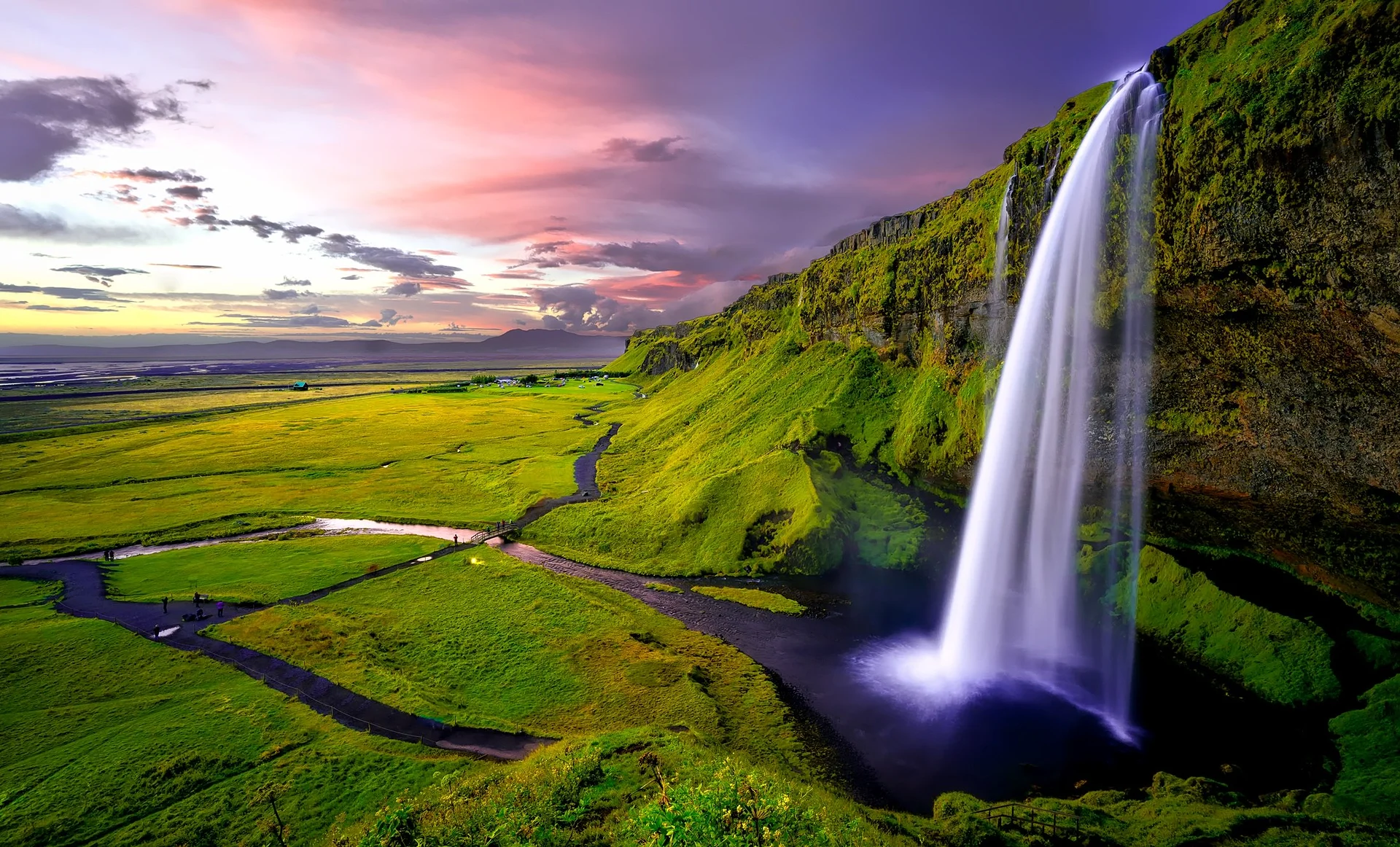
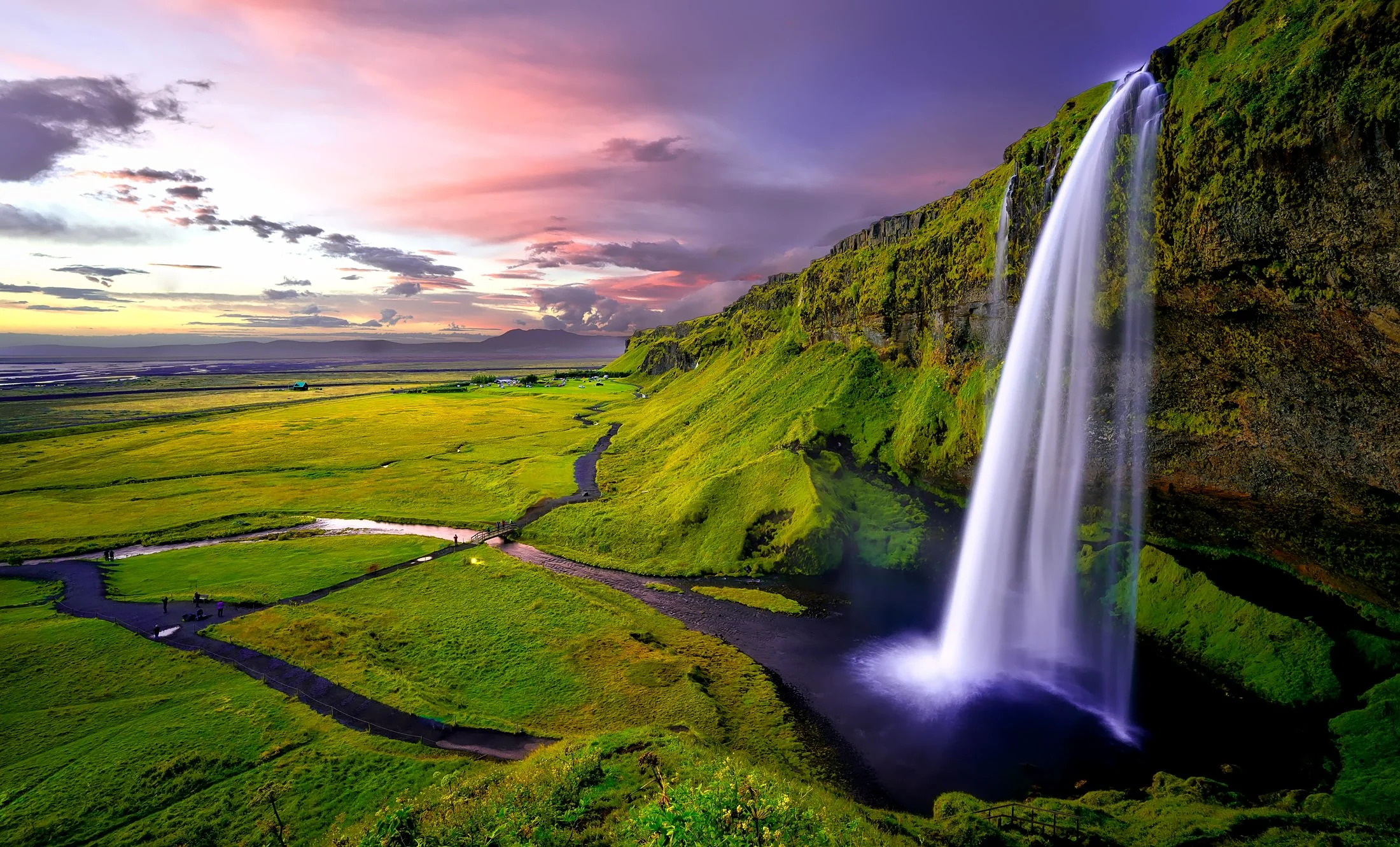
Water shows up everywhere in Iceland, in every form imaginable. Gullfoss crashes down in multiple tiers with a roar you feel in your chest. Seljalandsfoss lets you walk behind the curtain of falling water, which is exactly as surreal as it sounds. Dettifoss is simply one of the most powerful waterfalls in Europe, full stop.
Head north and the scenery shifts to something quieter and wilder. The narrow fjords around Akureyri and Seyðisfjörður unfold in near-total silence, great for wildlife spotting and just slowing down.
Northern Lights and Midnight Sun
Iceland is one of the few places on earth where you can experience both extremes. From September through March, the northern lights ripple across the night sky in green and purple waves, unpredictable, and all the more striking for it. Flip the calendar to summer, and the midnight sun keeps the sky lit around the clock, turning night into a permanent golden dusk.
Insider tip: To maximize your northern lights chances, get well away from city lights and track solar activity with one of the local aurora forecast apps before heading out.
Hot Pools and Reykjavik Culture
After a day of wind and cold, soaking in geothermal water is one of the great pleasures of Iceland. The famous Blue Lagoon draws crowds with its milky turquoise water, but the small municipal pools scattered across the country offer a more local, low-key experience at a fraction of the price.
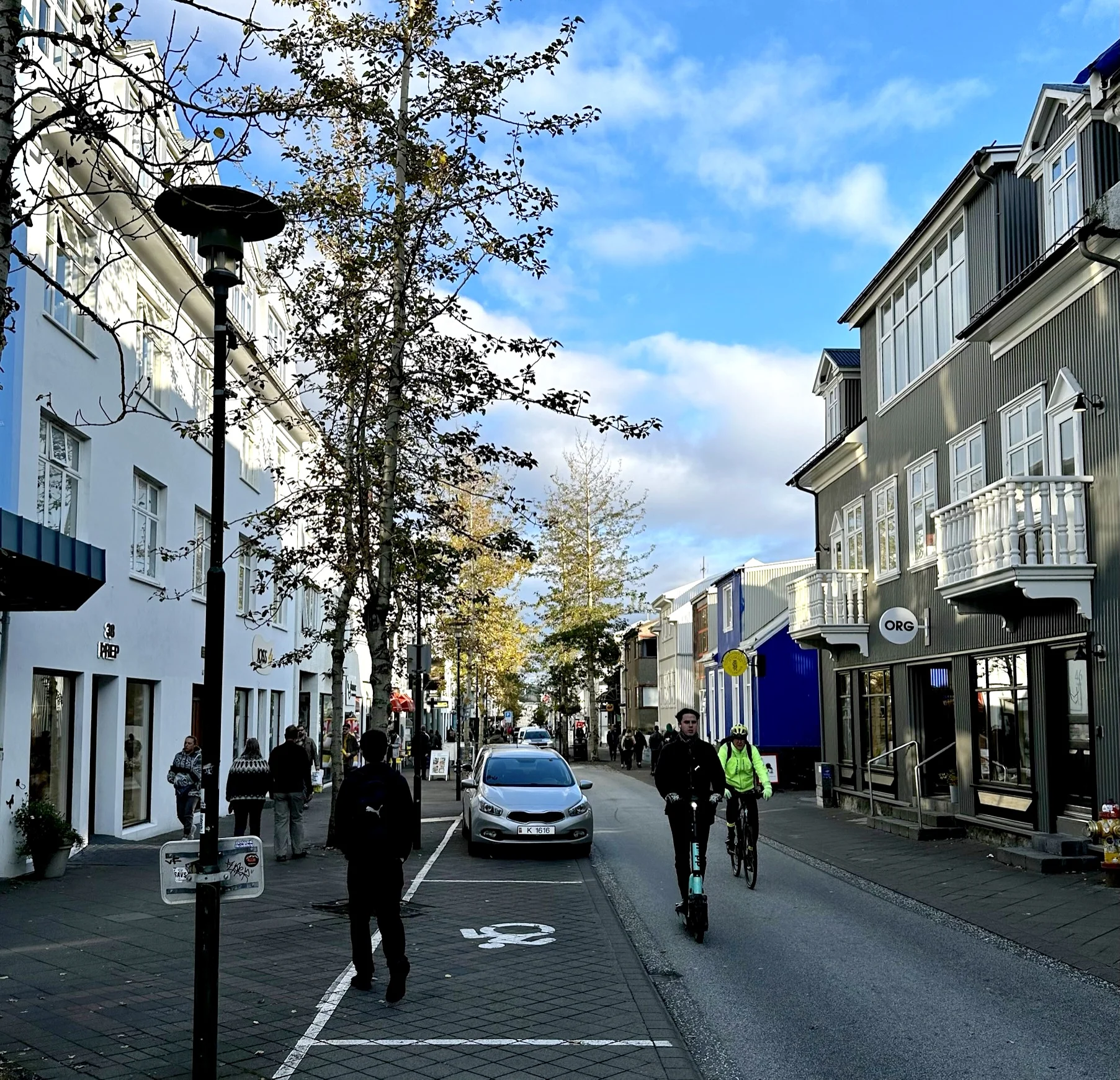
On the culture side, Reykjavik punches well above its weight for a city its size. Contemporary art galleries, intimate live music venues, and colorful street murals make it worth spending a couple of days before or after hitting the road.
Insider tip: Seek out the natural hot pots in the countryside. Some informal geothermal pools near rivers are completely free and mostly visited by locals, no crowds, no admission fee.
Icelandic Food: Simple Ingredients, Surprising Flavors
Icelandic cooking is built on a short list of powerful ingredients. Free-range lamb and fresh Atlantic fish anchor most traditional meals. Some dishes take getting used to, like fermented shark (an acquired taste, to put it gently) or thick lamb soup. In Reykjavik's cafes, you'll also find a modern food scene that's creative and lighter on the stomach.
For something sweet, look for cinnamon pastries and skyr, a thick, high-protein strained dairy product similar to Greek yogurt that Icelanders have been eating for centuries.
When to Go to Iceland
Summer, June through August, is the most comfortable season, with temperatures hovering around 50 to 59°F and daylight that essentially never ends. It's the best window for hiking and exploring the interior highlands. Winter is harsher but delivers snowy landscapes and northern lights. Spring and fall are quieter, with slightly lower prices and fewer tourists on the Ring Road.
Getting to Iceland
Most travelers fly into Keflavík International Airport, about 30 miles from Reykjavik. Several US carriers offer direct transatlantic flights, and the flight from the East Coast runs roughly 6 to 7 hours. Ferry service also connects Iceland to Denmark and the Faroe Islands, a slower crossing, but an immersive one. You can bring your car on the ferry, which is worth considering if you want maximum flexibility once you arrive.
Getting Around Iceland
A rental car is the most practical way to explore the island. The Ring Road (Route 1) circles the entire country and hits most of the major sites. That said, the highland mountain tracks (F-roads) require a 4x4, a standard sedan will get you stuck or worse, and rental agreements typically prohibit taking regular cars on those routes anyway.
Buses connect the main towns and tourist sites, but they're not practical for reaching remote areas. For the far-flung regions, small domestic flights link Reykjavik to destinations that would otherwise take a full day to drive.