Uluru

Things to do in Australia: 14 must-see attractions

Discover our members' favorite destinations in Australia, plus reviews, practical info, and traveler photos...

The 5 most beautiful cities to visit in Australia

Sydney

#1 Sydney +21

Sydney pairs a laid-back coastal culture with iconic architecture, creating a skyline that feels as recognizable as downtown Chicago. Beyond the famous harbor landmarks, the city balances urban exploration with easy access to rugged nature, from historic neighborhoods to expansive green spaces. Whether you are looking for late-night bars or quiet, authentic local spots, the city offers a functional mix of high-energy city life and beach-town relaxation.

Melbourne

#2 Melbourne +4

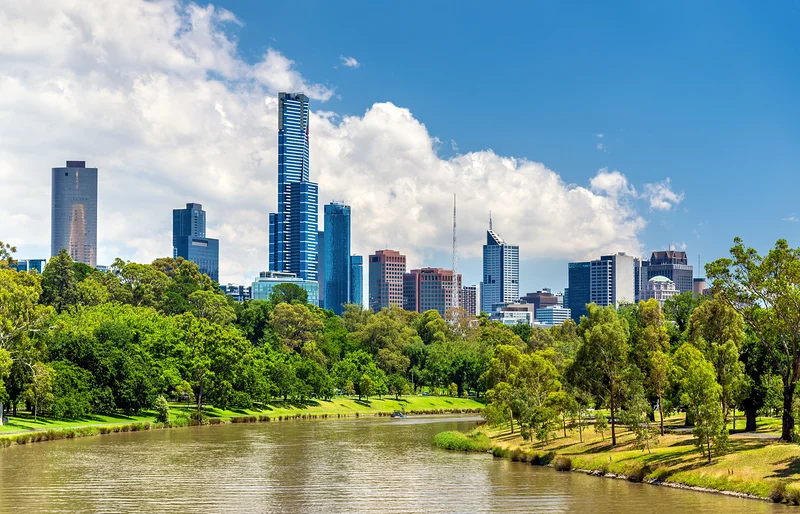
Melbourne is the definitive urban and cultural pulse of Australia. This city stands out for its distinct neighborhoods, an obsession with high-end coffee, pervasive street art, and a food scene that holds its own against any major global capital. Between the eclectic architecture, cobblestone alleyways hiding speakeasy-style bars, and lively urban beaches, the Victorian capital feels nothing like the rest of the country. Plan on at least five days to get a real sense of the place.

Canberra

#3 Canberra +4

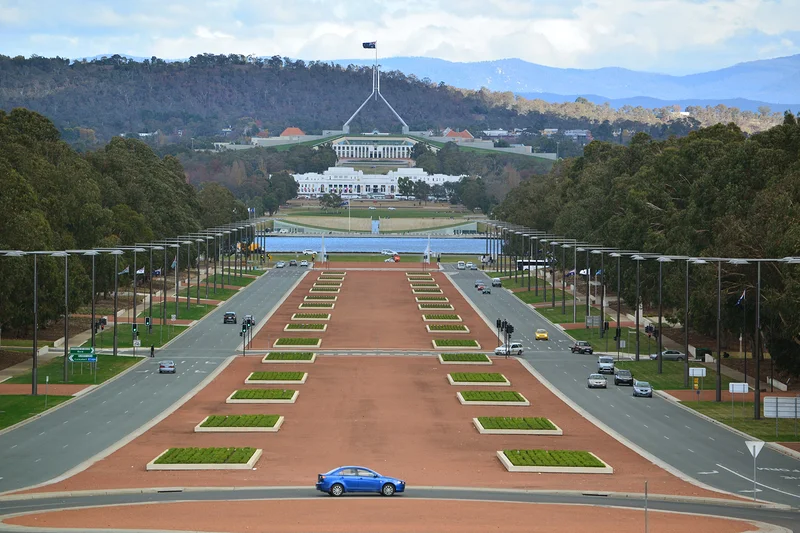
Canberra is Australia's low-key capital, designed around the massive Lake Burley Griffin with a layout that prioritizes green space, think of a planned city vibe similar to Washington, D.C. Spend your time at the Australian National Gallery or the Australian War Memorial before heading out to the Murrumbateman vineyards or the Snowy Mountains. It is a strategic base for travelers looking to look past the coastal cities and dig into the country's political and cultural history.

Perth

#4 Perth +3

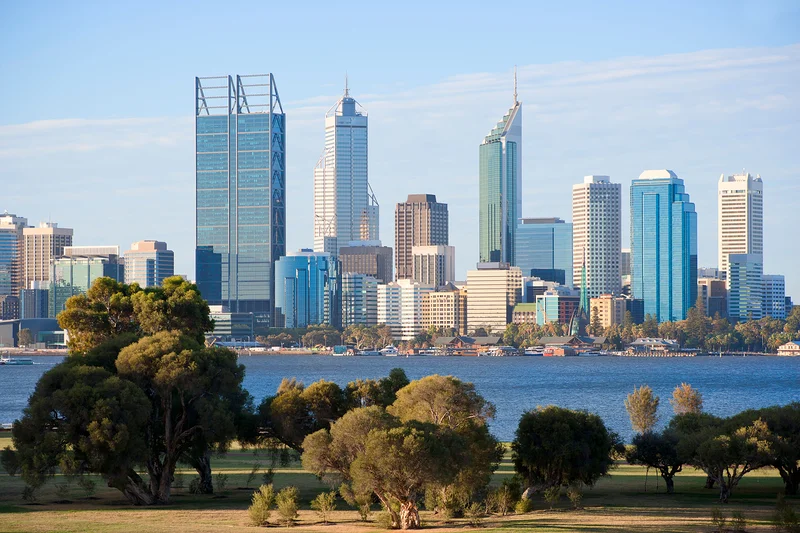
Perth is home to over a million people, yet it remains one of the most isolated cities on the planet. As the fourth-largest city in Australia and the capital of Western Australia, its relaxed pace and local attractions justify a two or three day stay.

An urban escape in the heart of Perth

Perth is defined by its quality of life. Between the abundant green spaces, a modern but approachable downtown, and year-round sunshine, it is easy to see why people move here. Start your visit in the city center, which is highly walkable. You will be struck by the Swan Bells, a set of 18 bells housed in a 270-foot tall campanile, gifted by England. For a panoramic view of the city, head to the top of the Bell Tower. The local arts district is also worth your time, as you will find street art on nearly every corner. Do not miss the Art Gallery of Western Australia, which offers a compelling look at Aboriginal art.

Hungry? You have two solid options. Grab a bite at a microbrewery near the Fremantle fishing port, or head to the Freemantle Market, a local favorite known for its lively atmosphere. If you want to hit the beach, Perth has ten long stretches of golden sand to choose from, including Cottesloe, Floreat Beach, and City Beach.

Exploring local flora and fauna

The crown jewel is King’s Park. This massive green space covers over 980 acres right in the middle of the city. Use the marked trails to navigate the grounds. The Lotterywest Federation Walkway takes you above the canopy on a glass and steel bridge. The 42-acre Botanic Garden offers a look at the continent's endemic plant life. If you are looking for wildlife, the Perth Zoo houses 1,300 animals, or you can visit the Aquarium of Western Australia, the largest in the country. End your day with a stroll along the banks of the Swan River. If you have an extra day, head to Rottnest Island. It is a roughly 7-square-mile island easily reached by boat from Perth. With only 300 permanent residents, it is a quiet spot for walking and swimming.

When to go

The climate in Perth is pleasant year-round, so plan your trip whenever it fits your schedule. Temperatures typically hover between 68 and 86 degrees Fahrenheit. If you prefer to avoid intense heat, keep in mind that the sun is particularly strong from December to March.

How to get there

Flying from the US to Perth is a long haul, typically requiring at least 20 hours of travel time with one or two connections. Expect to pay anywhere from $650 to $1,300, depending on the season and how far in advance you book. If you are already in the country, you can fly from Sydney to Perth in about 5 hours.

Brisbane

#5 Brisbane +2

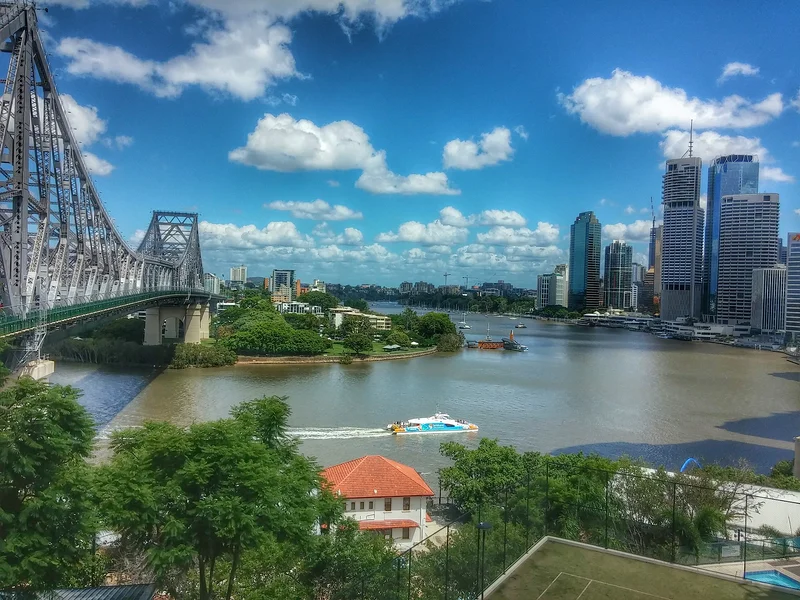
As Australia's third-largest city, Brisbane balances a high-rise urban core with a subtropical climate that feels like a permanent Florida summer. You can spend your morning hiking at Mount Coot-tha for a panoramic view of the skyline or relaxing along the river at South Bank, then head to the arts district for local exhibits. With the Moreton Bay islands and the Sunshine Coast beaches just a short drive away, this city serves as a practical base for exploring the coast.

Ranking of the 9 activities selected by our editors in Australia

#1 Sydney Opera House (Sydney) +5 4.5

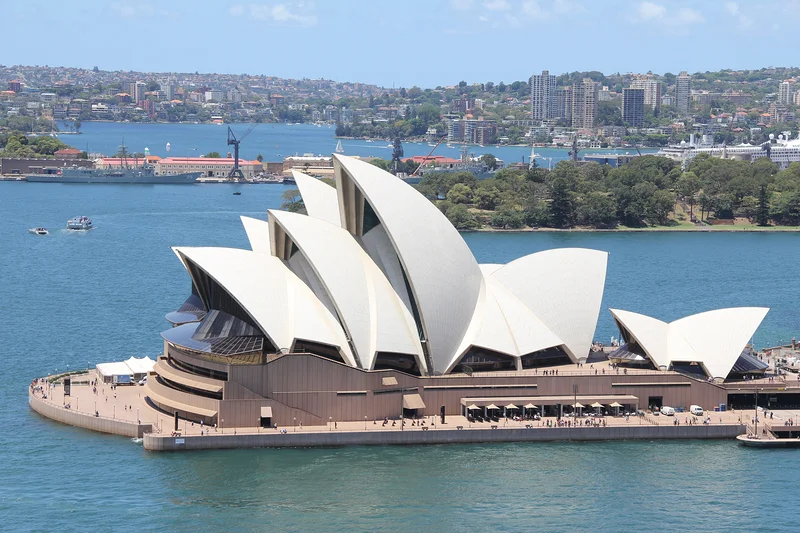
The Sydney Opera House is the premier attraction in Sydney, Australia. Famous for its 20th-century architecture, it resembles either seashells or sails catching the ocean breeze. Designed by Danish architect Jørn Utzon in 1957, the project cost over 100 million AUD (about 66 million USD). Explore this global arts landmark through guided tours or live performances.

See the guide See deals

#2 Sydney Harbour Bridge (Sydney) +2 5

Inaugurated in 1932, the Sydney Harbour Bridge stands as a defining landmark of Sydney. Connecting the central business district to the North Shore, it provides expansive views of the harbor and the Sydney Opera House. Scale the structure via BridgeClimb to reach 134 meters, or visit the Pylon Lookout, a museum inside the bridge pillars detailing its engineering history.

#3 Circular Quay (Sydney) +2 5

Circular Quay is the heartbeat of Sydney, where the First Fleet landed in 1788. This major transit hub offers the most iconic views of the Opera House and Harbour Bridge. As the primary ferry terminal, it hosts acclaimed restaurants, the free Museum of Contemporary Art, and serves as the gateway to explore all of Sydney Harbour.

See the guide See deals

#4 Parliament House (Canberra) +2 4

Parliament House in Canberra, opened in 1988, is a modern architectural feat representing Australian democracy. Built into a hill, it provides sweeping views of the city. Visitors can explore parliamentary chambers, browse historical exhibits, and walk the accessible roof, which symbolizes the power of the people and overlooks the War Memorial.

See the guide See deals

#5 Fraser Island (Eurong) +1 4

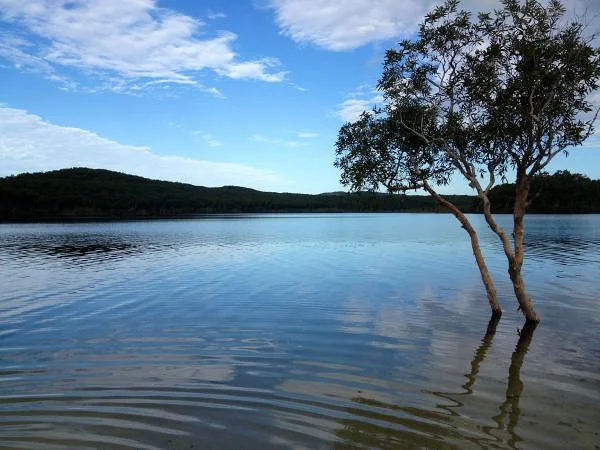
Fraser Island, the world's largest sand island and a UNESCO site, is a standout natural wonder in Australia. It features rainforests growing directly from sand, crystal-clear freshwater lakes like Lake McKenzie, quiet creeks, and famous shipwrecks. It is also a protected sanctuary for dingos. Explore via 4x4 for unique terrain and wildlife.

See the guide See deals

#6 National Gallery of Victoria (Melbourne)

Established in 1861, the National Gallery of Victoria is the oldest and most visited art gallery in Australia. Spanning two sites in Melbourne, it holds over 76,000 international and local works. The St Kilda Road building features a massive stained-glass ceiling by Leonard French. Permanent collections are free, covering Asian, European, and contemporary art.

See the guide See deals-7%AVYGEO7

#7 Eureka Tower (Melbourne)

Eureka Tower in Melbourne is a 974-foot skyscraper spanning 91 floors. Opened in 2006, it features the Eureka Skydeck on the 88th floor. This is the highest public observation point in the Southern Hemisphere, offering 360-degree city views. Try The Edge, a glass cube suspended outside the building. Located in Southbank, it sits near top cultural sites.

See the guide See deals

#8 Shrine of Remembrance (Melbourne)

The Shrine of Remembrance in Melbourne honors Australian service members with immersive exhibits and historical artifacts. From the roof, you get panoramic views of the city. A daily light ceremony pays tribute to the fallen, making this site a central stop to understand Australia's military history and legacy.

#9 Devils Marbles (Tennant Creek) -1 2

The Devils Marbles, or Karlu Karlu, are unique spherical granite boulders in the heart of Australia. This sacred site for Aboriginal people offers a surreal landscape shaped by millions of years of erosion. Perfect for watching sunrises or sunsets, it is a place to experience Aboriginal culture and geology, with options to camp under spectacular stars.

Visiting Australia: As Far From Home as You Can Get

Australia is genuinely enormous, roughly the size of the contiguous United States, and it packs in an almost absurd range of landscapes: red desert interiors, tropical reefs, surf beaches, and cool-climate wine country. Most visitors only scratch the surface. The ones who plan carefully and give themselves enough time come back with something they didn't expect.

Australian Cities: Urban Energy with a Relaxed Edge

Sydney is the entry point for most Americans, and it earns its reputation. The Opera House and Harbour Bridge are the obvious draws, but the city's beaches, particularly Bondi and Manly, are where locals actually spend their weekends. Melbourne, a few hours south by plane, runs on coffee, street art, and live music in a way that feels more like Portland or Brooklyn than a typical capital city. Further north, Brisbane has a subtropical climate that keeps things warm year-round, with a laid-back river culture and easy access to both the Gold Coast and the Sunshine Coast.

The Red Center and the Outback

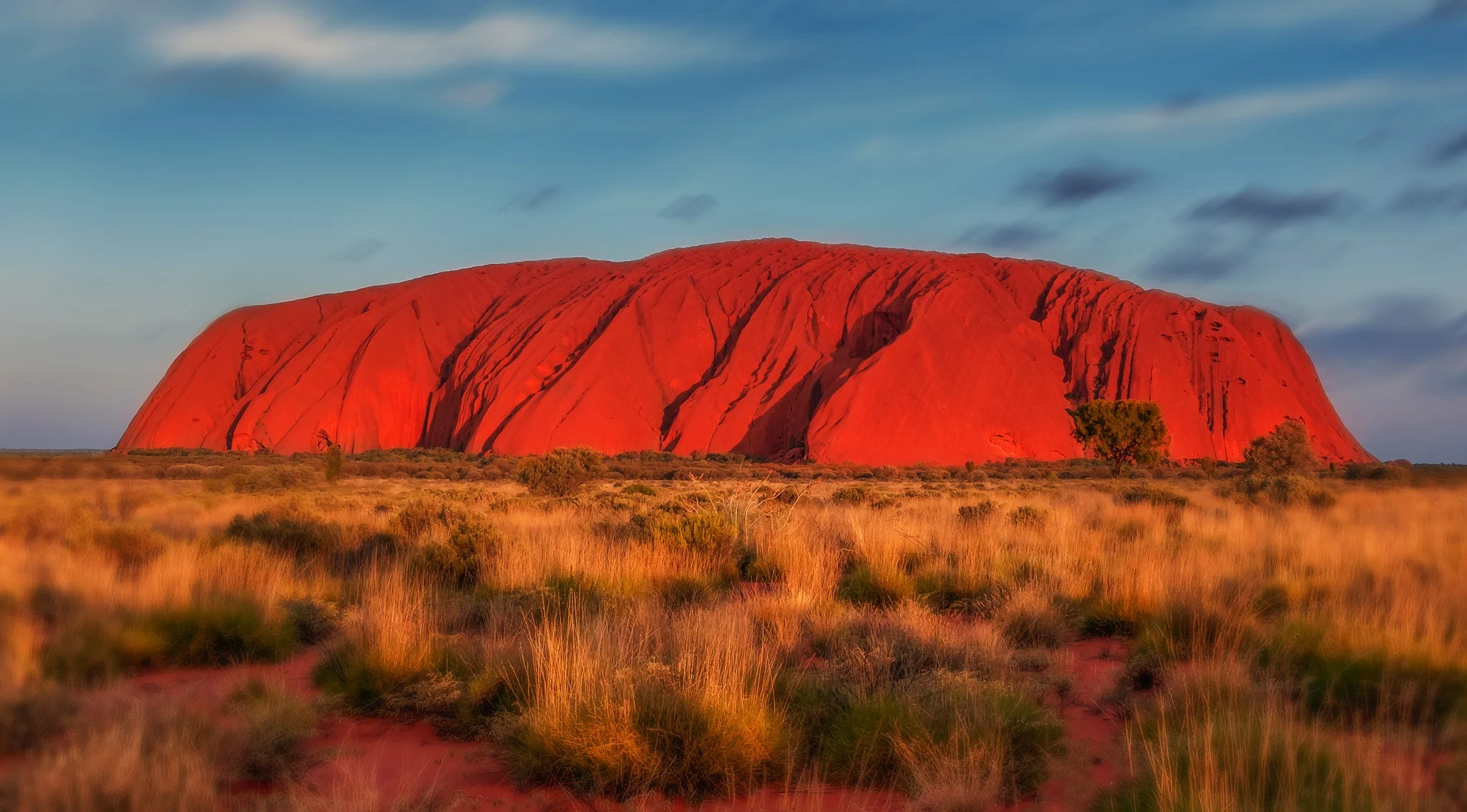
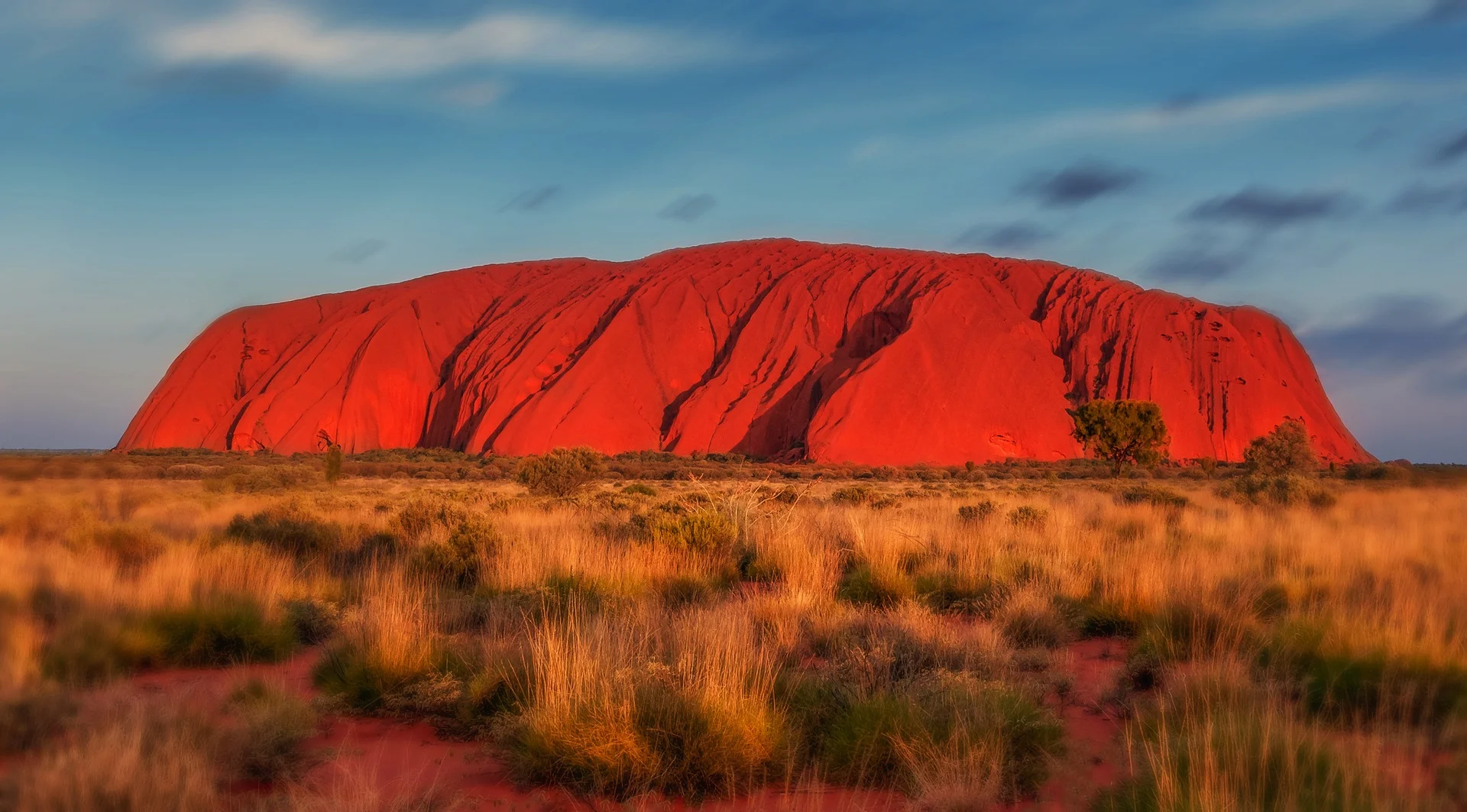
The Australian interior is unlike anything most Americans have seen. Uluru, the massive sandstone monolith sacred to the Anangu Aboriginal people, is one of those places that photographs can't fully prepare you for, especially at sunrise or sunset when the rock shifts through shades of orange and deep red. Nearby, the MacDonnell Ranges get far fewer visitors but offer serious hiking through dramatic rocky gorges that rival anything in the American Southwest.

The Great Barrier Reef

The Great Barrier Reef is the largest coral ecosystem on the planet and a UNESCO World Heritage Site. It's accessible from Cairns and several other Queensland coastal towns. Think Caribbean water clarity, but with a scale and marine diversity that's hard to match anywhere else. Both snorkeling and diving are excellent here, with tropical fish, sea turtles, and coral formations in every direction.

The Southern and Western Coasts

The southern coast sees far fewer tourists than the east, which is part of the appeal. The Great Ocean Road, running along Victoria's coastline, is one of the world's great driving routes, with the Twelve Apostles limestone stacks as its most iconic stop. On the opposite side of the country, the coast around Perth offers long stretches of nearly empty beach and access to Karijini National Park, where deep gorges and natural rock pools make for one of Australia's most underrated outdoor experiences.

How Long Should You Stay?

At minimum, plan for two to three weeks if you want to cover more than one or two regions without feeling rushed. If the Outback or Western Australia is on your list, a month is more realistic. Road-trippers who rent a camper van and follow the coast can easily fill two to three months, given how vast the distances are between major stops.

What to Eat

Australian food draws from British, Asian, and Indigenous traditions in ways that work better than you'd expect. The meat pie, a flaky pastry filled with minced beef and gravy, is the country's go-to comfort food and worth trying at a local bakery. Fish and chips are everywhere along the coast. For something more distinctive, bush tucker cuisine uses Indigenous Australian ingredients, including grilled kangaroo, wattleseed, and native berries, and a number of restaurants in Sydney and Melbourne do it well.

When to Go

Australia's seasons are the reverse of North America's, which takes a minute to internalize. The southern states have four distinct seasons, while the tropical north is either wet or dry. For a multi-region trip, spring (September through November) and fall (March through May) offer the most comfortable conditions across the board. The Australian summer (December through February) is great for beach time but brutal in the Outback, where temperatures regularly exceed 104°F (40°C). January is also when the Australian Open tennis Grand Slam takes place in Melbourne, alongside Australia Day on January 26.

Getting There from the US

Flights from the US to Australia are long no matter how you slice it, typically 17 to 20+ hours depending on your departure city, often with a connection through Los Angeles, Dallas, or a hub in Asia. Most US citizens traveling to Australia need an Electronic Travel Authority (ETA), which functions similarly to an ESTA and can be applied for online before departure. Round-trip fares from major US cities generally run AU$1,800 to AU$3,500 (roughly $1,100 to $2,200 USD) depending on the season and how far in advance you book. Booking three to six months out typically gets you the best prices.

Getting Around

The country is so large that domestic flights are often the only practical way to move between major cities. Qantas and Virgin Australia cover the main routes well. For exploring the coast or the Outback at your own pace, renting a camper van or 4WD is a popular choice and gives you access to places that simply aren't reachable any other way. In the cities, public transit is reliable and easy to navigate.
Find the best deals to travel to Australia

Hotels and stays Flights Car rentals Custom trips

Top photos posted by members

Uluru
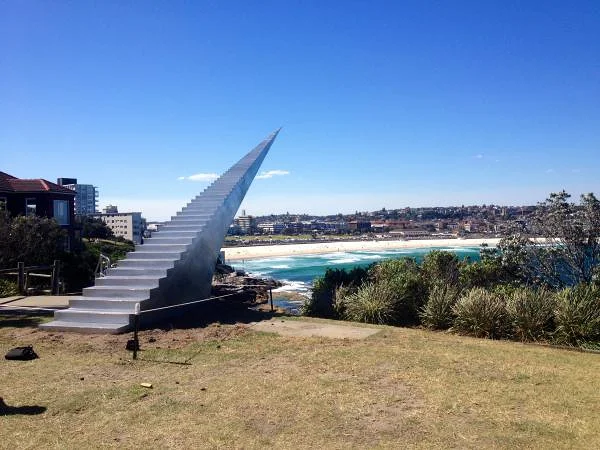
Stairway to heaven
Lac de Noosa