Visiting Switzerland: Alpine Peaks, Mirror Lakes, and a Country That Speaks Four Languages
Switzerland is one of those places where the reality actually matches the postcard. Four languages, four distinct cultural zones, and a landscape that shifts from Mediterranean palm trees to glacier-capped peaks within a few hours' drive. It's precise, clean, and at times almost surreally well-organized. It's also expensive, and the social vibe can feel reserved if you're used to warmer, more spontaneous cultures.
Is Switzerland the right trip for you?
If you love hiking, mountain scenery, world-class art museums, and cities where the trains run exactly on time, Switzerland is a strong yes. If you're chasing nightlife, street-food chaos, or a budget-friendly adventure, you'll hit a wall fast. The cost of living here is among the highest in Europe: expect to pay CHF 25-40 ($28-45) for a sit-down lunch, CHF 5-7 ($5.50-8) for a coffee, and CHF 150-300+ ($170-340) per night for a mid-range hotel room. The Swiss tend to be polite but reserved with strangers, which can read as cold if you're expecting Southern European warmth.
For hikers, outdoor enthusiasts, and anyone who appreciates a country that simply works, Switzerland delivers consistently. If you need chaos to feel alive, you may find it a little too tidy.
Lake Geneva and the French-speaking west
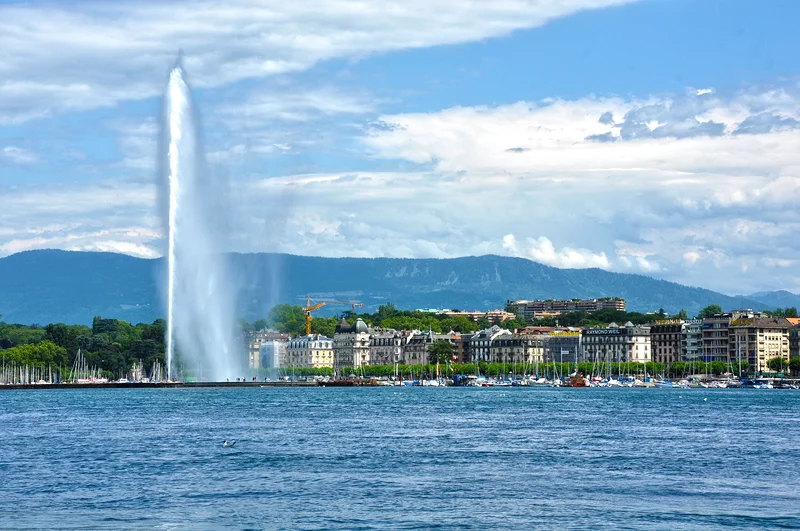
The shores of Lake Geneva (Lac Léman) have a particular pull. In Geneva, the lakefront promenades are made for walking, with the iconic Jet d'Eau shooting 459 feet into the air. The city's mix of UN headquarters, old-town cobblestones, and high-end watch boutiques creates a genuinely unusual atmosphere you won't find anywhere else.
Lausanne, about 40 minutes east by train, has steep, winding streets and a university-town energy that keeps it from feeling stuffy. Montreux comes alive each summer during its famous jazz festival, and in December it hosts one of Europe's most atmospheric Christmas markets. Just outside town, Chillon Castle sits directly on the lake's edge and is one of the best-preserved medieval castles in the country.
Insider tip: Walking the Montreux waterfront promenade, slow down and look for the small statues and tucked-away gardens that most visitors walk right past.
German-speaking Switzerland: culture and Alpine tradition
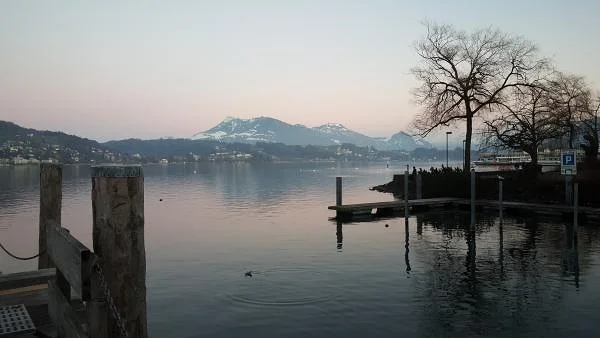
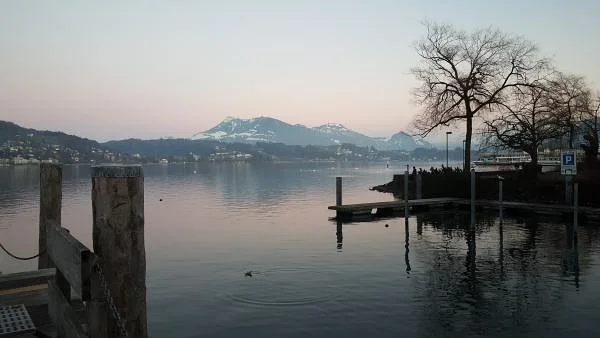
Roughly two-thirds of Switzerland is German-speaking, and it shows in the architecture, the pace, and the cultural priorities. Basel punches well above its weight on the art scene, with dozens of museums packed into a compact city (Art Basel, the world's leading contemporary art fair, happens here every June). In Bern, the medieval arcaded walkways (Lauben) run for nearly four miles through the old town, keeping pedestrians dry in the rain. Lucerne has the famous Chapel Bridge, a 14th-century covered wooden bridge, plus views across the lake to the Alps that are genuinely hard to beat.
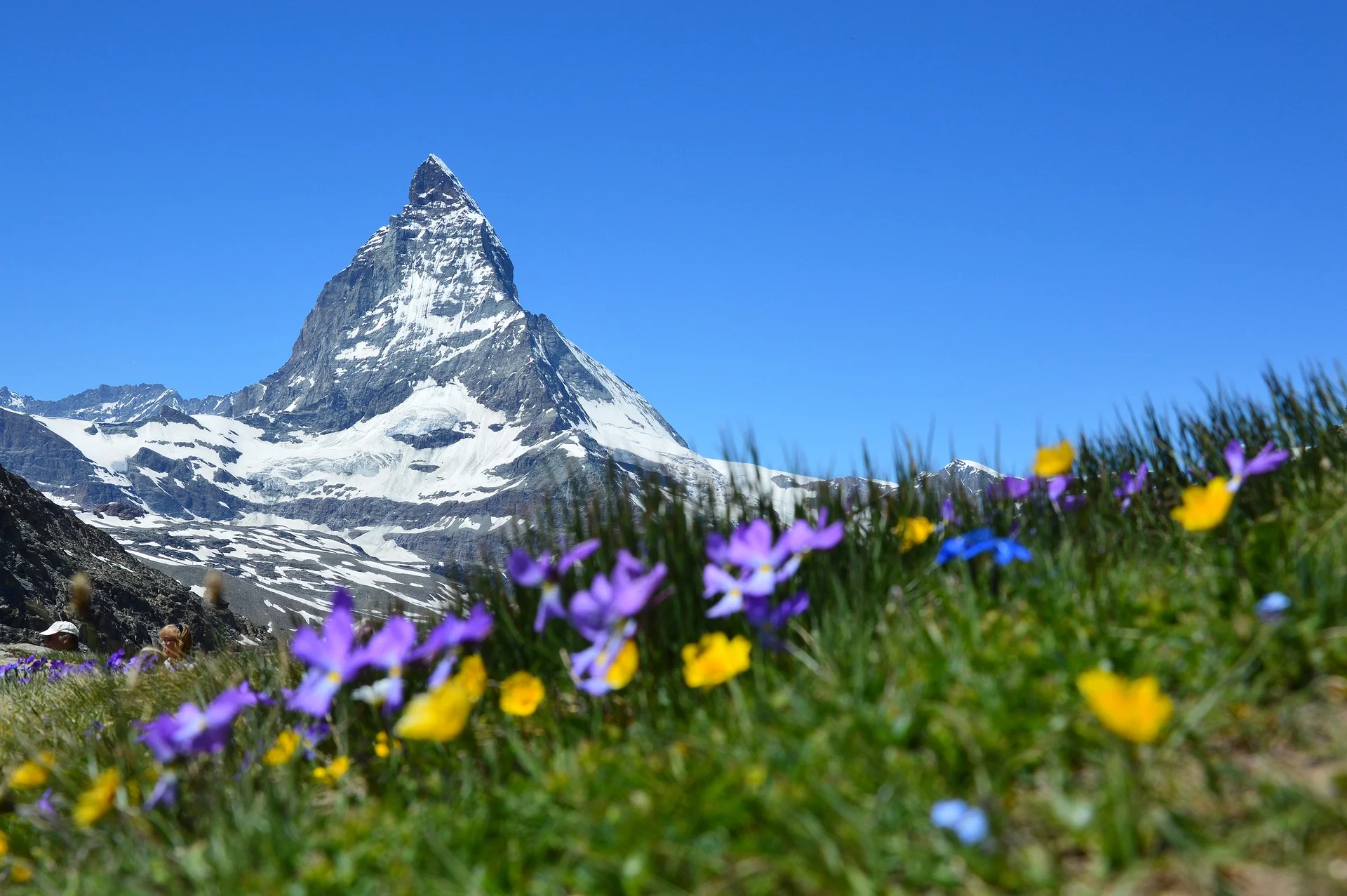
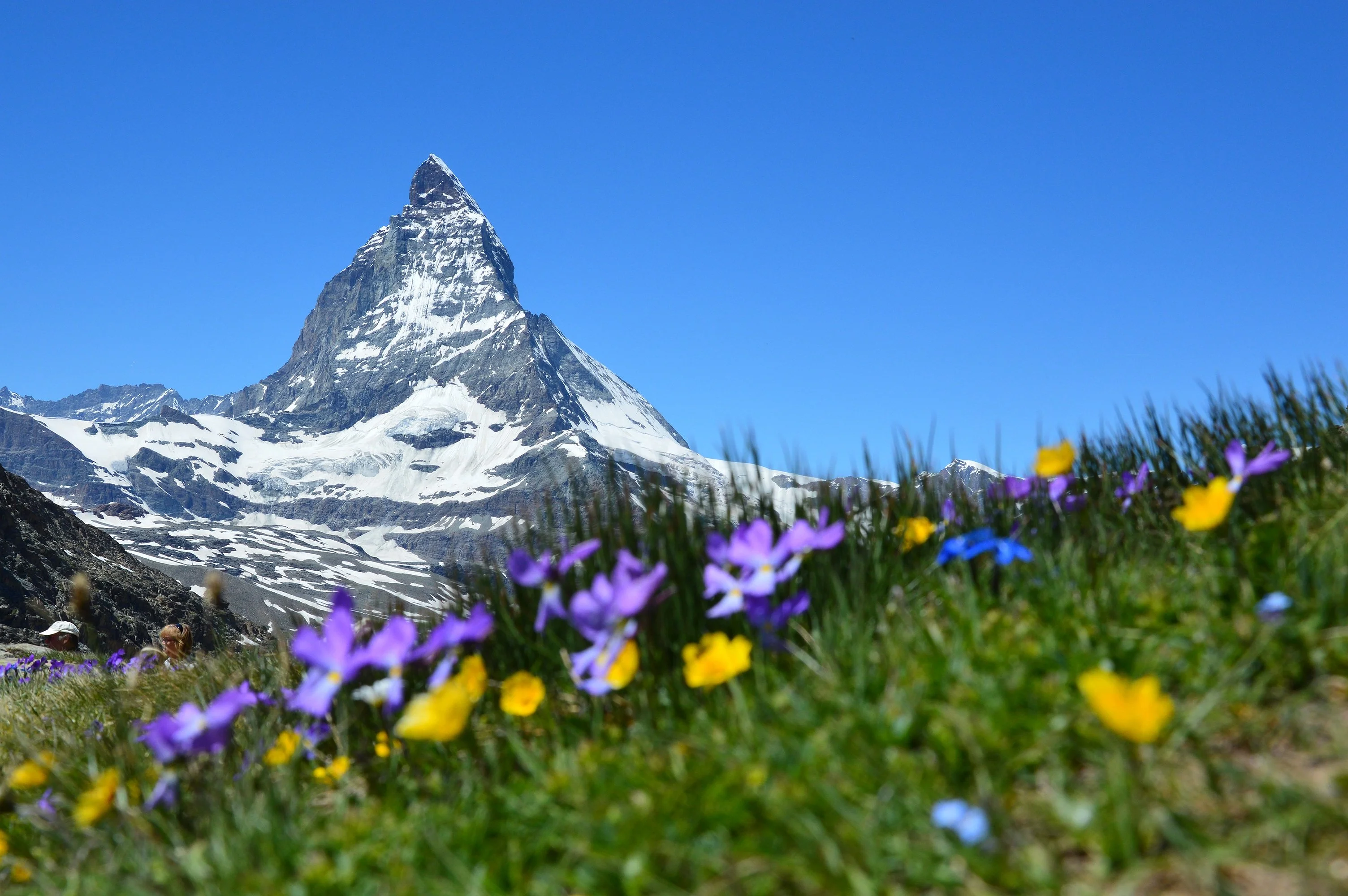
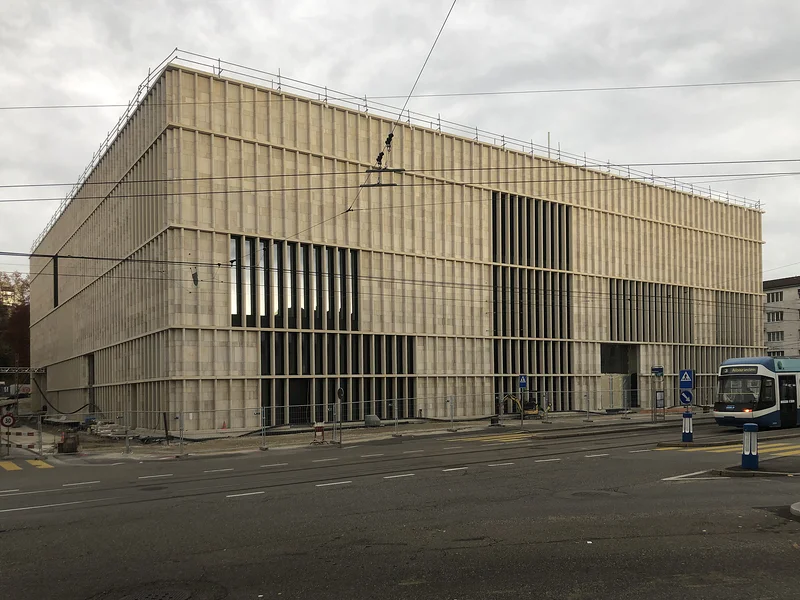
Zurich is Switzerland's largest city and its financial capital, but it also has a serious gallery scene that holds its own against London or Paris. Head south toward Interlaken in the Bernese Oberland and you're in the shadow of the Eiger, Mönch, and Jungfrau, three of the Alps' most recognized peaks. The surrounding villages, with their classic chalets and green meadows, look like they were designed as a film set.
Insider tip: Take the Jungfraujoch train as early as possible. The summit station sits at 11,332 feet and gets crowded fast. Early morning gives you the views and the quiet.
Ticino: Switzerland's Italian side
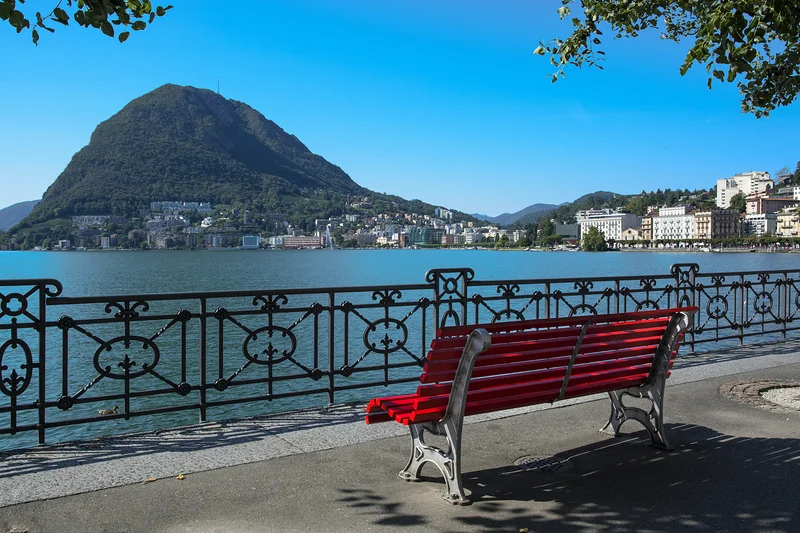
Cross the Alps heading south and Switzerland changes completely. The canton of Ticino (the Italian-speaking region) has a Mediterranean feel that genuinely surprises first-time visitors. In Lugano, palm trees line the lakefront, café terraces fill up in the late afternoon, and a short funicular ride takes you up Monte San Salvatore for panoramic views over the water and the surrounding peaks.
The villages of Val Verzasca, with their stone houses and the river's famous turquoise water, feel completely removed from the rest of Switzerland. Thrill-seekers should know that the Contra Dam near Locarno is one of the highest bungee jump sites in the world (220 meters/720 feet), made famous by the opening sequence of a James Bond film. The shores of Lake Maggiore, which Switzerland shares with Italy, are good for boat trips and summer festivals.
Graubünden and the wild east
The canton of Graubünden (the Grisons) is Switzerland's largest and least densely populated. Mountain forests, high-altitude lakes, and deep valleys dominate the landscape. The Swiss National Park is the country's only national park and one of the oldest in Europe, where ibex and marmots are a regular sighting on the trails.
In winter, St. Moritz, Davos, and Arosa attract an international skiing crowd. The slopes here are genuinely excellent, with St. Moritz in particular carrying a reputation for both terrain and glamour. Summer flips the same landscape into prime hiking and cycling territory, with high-altitude routes that rank among the best in Europe.
Insider tip: Lake Cauma (Caumasee) near Flims is one of the most beautiful lakes in the Grisons. Go late in the afternoon when the light hits the turquoise water and most of the day-trippers have left.
Swiss food: beyond fondue and chocolate
Swiss food has a reputation that undersells it. Yes, fondue (melted cheese served with bread for dipping) and raclette (cheese melted tableside and scraped over potatoes) are the real deal, especially in winter. And yes, the chocolate is exceptional, from historic houses like Lindt and Läderach to small-batch artisan makers. But the country's culinary range goes further than that.
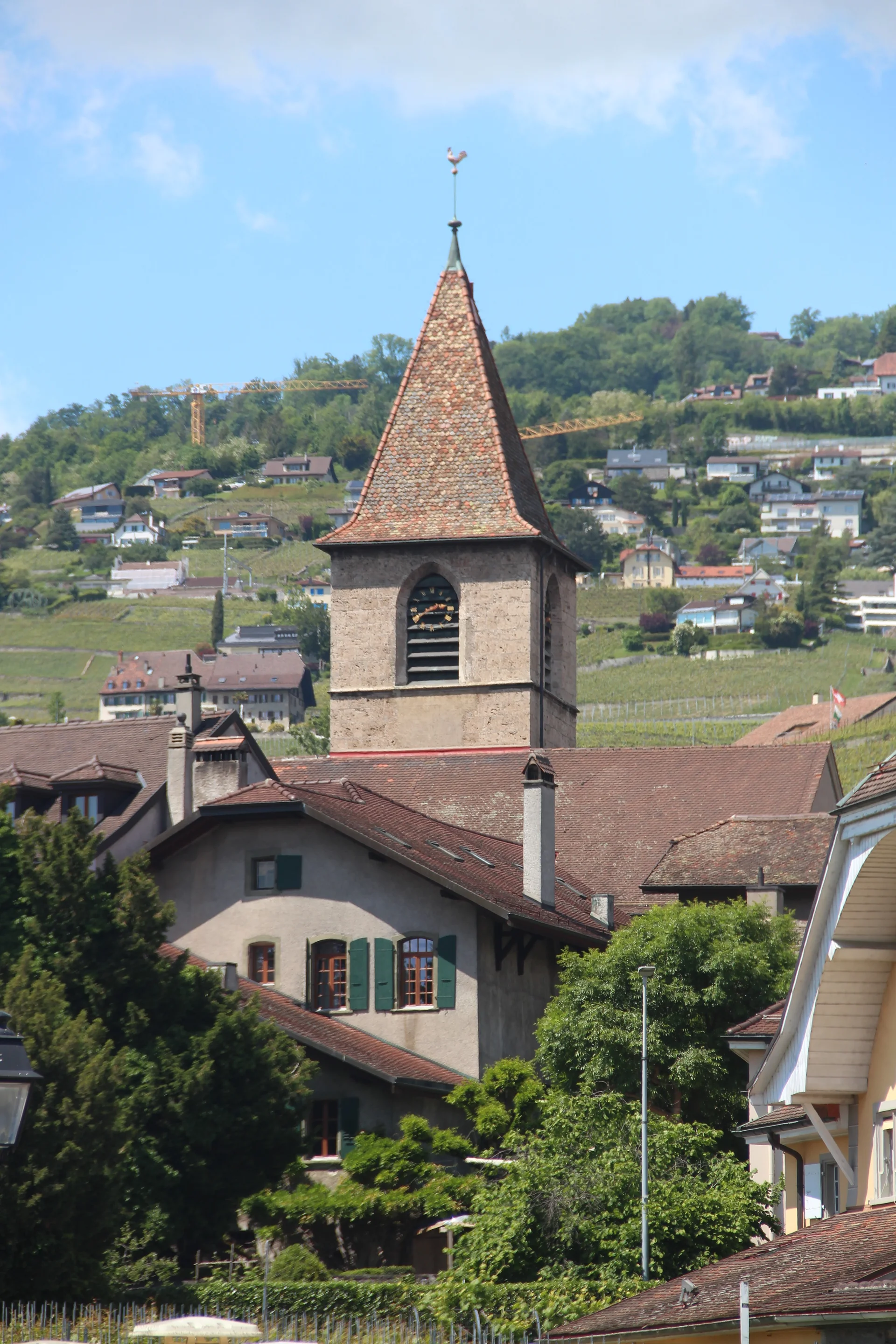
Swiss wines are almost entirely consumed domestically and rarely exported, which means most Americans have never tried them. The Valais region produces solid reds, and the Lavaux vineyard terraces above Lake Geneva (a UNESCO World Heritage Site) make excellent whites. Try the local Chasselas grape if you get the chance. Regional specialties worth seeking out include Grisons nut tart (a dense, caramel-walnut pastry) and Ticinese polenta, which reflects the canton's Italian roots.
When to go to Switzerland
Switzerland works year-round, but the experience varies significantly by season. Spring and summer (May through September) are ideal for hiking, lake swimming, and exploring cities without heavy crowds. Fall brings excellent foliage through the vineyards and forests, particularly around Lavaux and the Bernese Oberland. Winter is ski season, and the major resorts are in full operation from December through March.
Ticino in the south has a noticeably milder climate than the rest of the country. Even in January, you can sit outside at a lakeside café in Lugano on a sunny day, which feels completely out of place for Switzerland and is exactly the point.
Getting to Switzerland from the US
US citizens don't need a visa for Switzerland for stays up to 90 days. Switzerland is not in the EU but is part of the Schengen Area, so your 90-day Schengen clock applies. Make sure your US passport is valid for at least six months beyond your travel dates.
Direct flights from the US land primarily at Zurich (ZRH) and Geneva (GVA). Flight time from New York is around 8-9 hours; from the West Coast, plan for 11-12 hours with a connection. Once in Europe, Switzerland is easily reached by high-speed rail: Zurich, Basel, and Geneva are all well connected to Paris, Frankfurt, and Milan by fast trains.
If you're driving in Switzerland, you'll need a motorway vignette (a toll sticker), which costs CHF 40 ($45) per year and is required on all Swiss highways. It's sold at border crossings, gas stations, and post offices. Driving without one risks a fine.
Getting around Switzerland
The Swiss rail network is one of the most reliable in the world, full stop. Trains run on time, connections are tight, and the coverage is comprehensive. The Glacier Express (Zermatt to St. Moritz) and the Bernina Express (Chur to Tirano, Italy) are two of the most scenic train rides in Europe, passing through high Alpine passes and across dramatic viaducts. Both can be booked as tourist experiences or simply used as practical transport.
Cable cars and funiculars connect the valleys to the peaks throughout the Alps, and ferries cross all the major lakes on regular schedules. In cities, trams and buses fill in the gaps. Most Swiss cities are compact enough to walk or bike across easily, and rental bikes are widely available. Renting a car is only worth it if you're planning to explore remote valleys that don't have train service.