Slovenia: Europe's Most Underrated Country
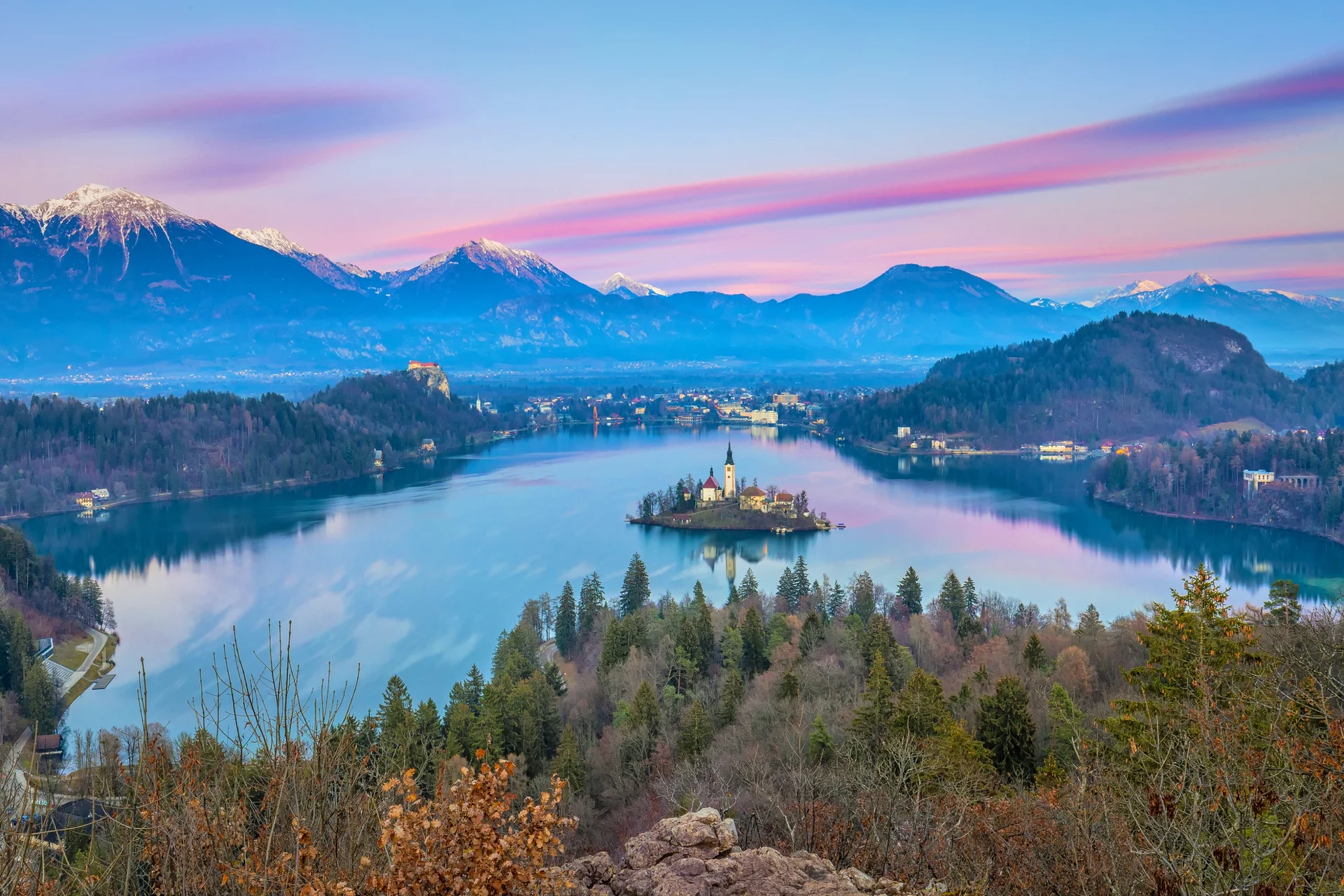
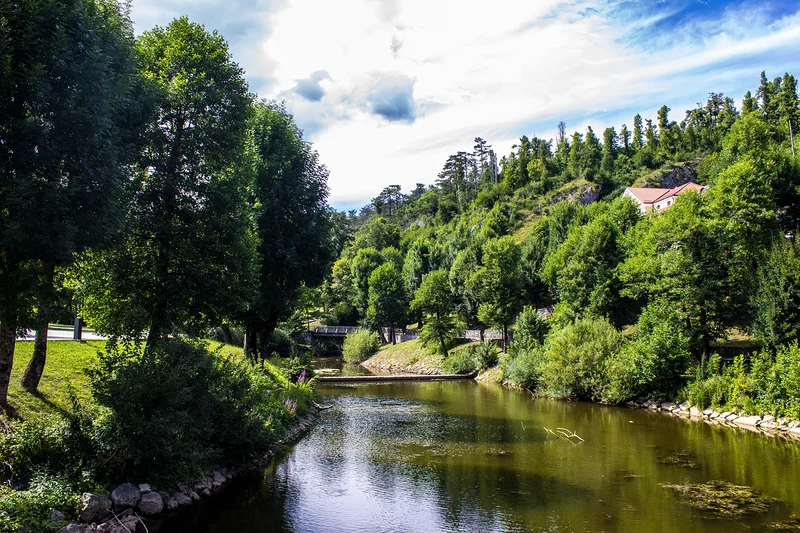
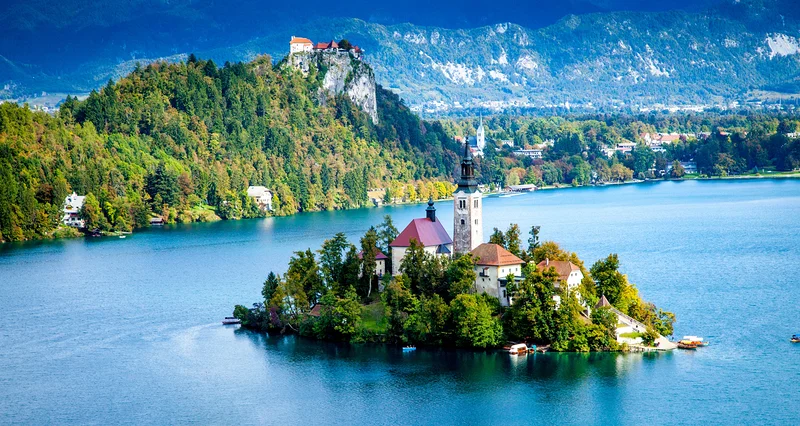
A turquoise lake with a white-steepled church on its own island. Alpine peaks pushing close to 10,000 feet. An emerald river cutting through gorges so deep they seem fake. Slovenia packs all of this into a country roughly the size of New Jersey, wedged between Italy, Austria, Hungary, and Croatia. The geographic variety here makes no logical sense for a place this small, and that's exactly the point.
Is Slovenia the right trip for you?
Slovenia rewards travelers who want nature without the resort-country polish. The default activities are hiking, cycling, and paddling. You can absolutely spend a slow afternoon on a cafe terrace in Ljubljana or Piran, but the country gives its best to people willing to lace up and move. Tourist infrastructure is solid but not Swiss-level slick. English is widely spoken, buses connect the major sites reliably, and the cost of living runs roughly comparable to Western Europe. The one real catch: places like Lake Bled now pull serious crowds in July and August. Come in May, June, or September and you'll see the same scenery with a fraction of the people.
The lakes that define the country
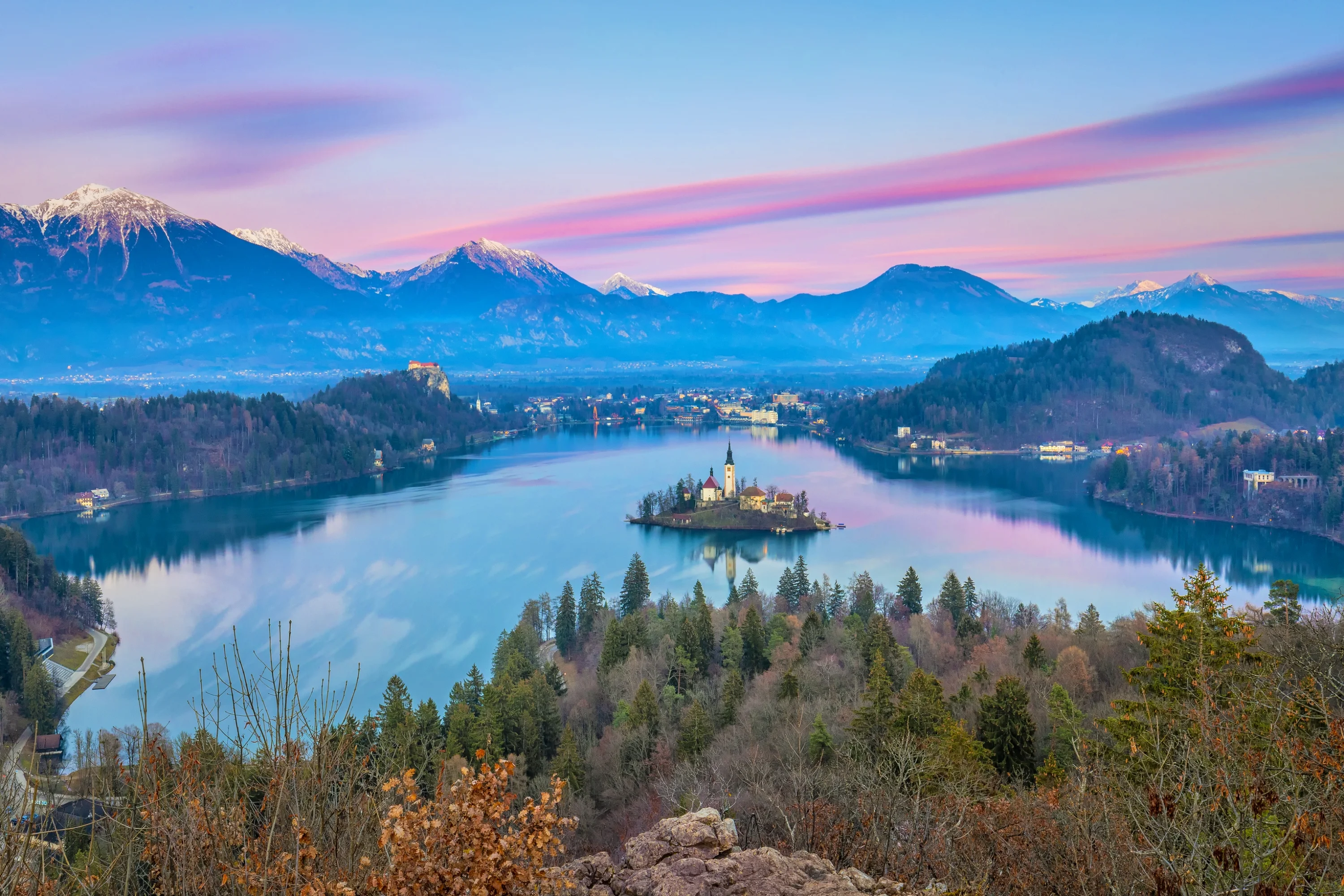
Lake Bled is the image of Slovenia that ends up on every travel feed, and it earns it. The island church, the clifftop castle, the impossibly clear water. It's all real, and it all holds up even with the tourist traffic. Traditional wooden rowboats called pletna ferry visitors across to the island church. A full loop around the shoreline takes about two hours on foot, with the Julian Alps shifting behind you as you go.
About 19 miles away, Lake Bohinj is the quieter, wilder alternative. It's larger, less developed, and draws travelers who want some breathing room. The Vogel cable car lifts you to a panorama over the surrounding peaks. Tack on the Savica waterfall (a short uphill walk from the lake) and you've got a full day without ever feeling rushed.
Insider tip: Get to Lake Bled before 8 a.m. The light is better and the place is nearly empty. Tour buses start rolling in around 10.
The Soča Valley: where the adventure crowd goes
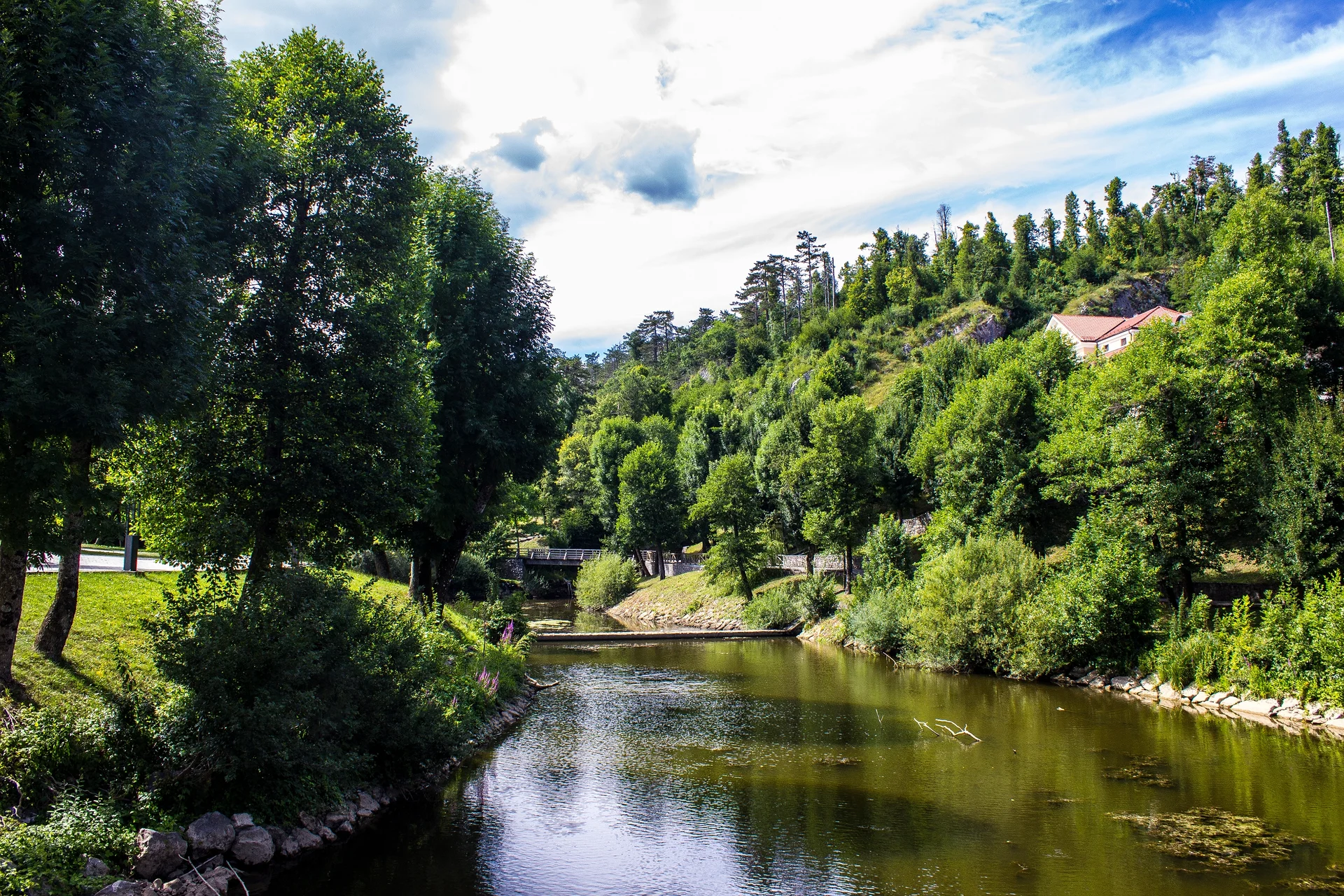
The Soča River runs a color that looks digitally enhanced, an electric blue-green that comes from minerals carried down from Julian Alps glaciers. Think Colorado River clarity but tropical in color. The valley is the center of Slovenia's whitewater scene: rafting, kayaking, and canyoning are all well-organized here, with routes for beginners and serious rapids for experienced paddlers. The town of Bovec is the base for most of these activities. Further south, the Tolmin Gorges offer natural swimming holes, riverside trails, and suspension bridges over some genuinely impressive drops.
Underground Slovenia: the Karst caves
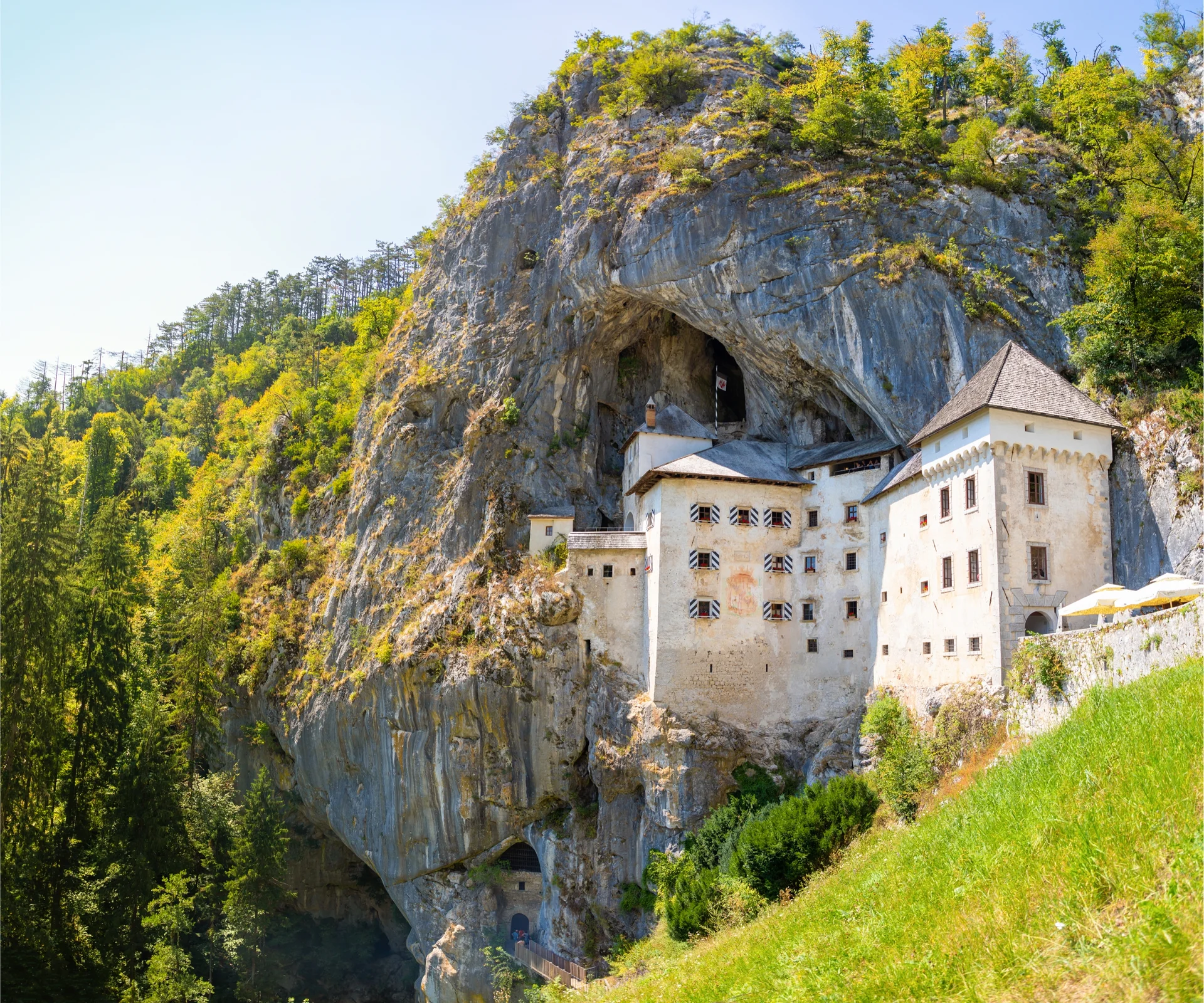
Below the rolling hills of Slovenia's Karst region sits one of Europe's most extensive cave systems. The Postojna Caves are the country's second most visited site after Bled. A small electric train carries you through miles of galleries lined with stalactites and stalagmites shaped over millions of years. A few miles away, Predjama Castle holds a Guinness World Record as the largest cave castle in the world. A medieval fortress literally built into a cliff face inside a cave opening. Both sites are doable as a day trip from Ljubljana.
If you want something rawer, the Škocjan Caves (a UNESCO World Heritage Site) are the more dramatic option. The underground canyon carved by the Reka River and the scale of the caverns there are genuinely hard to process in person.
The Adriatic coast and its Venetian past
Slovenia has just 29 miles of coastline, but the town of Piran makes every foot count. Built on a narrow peninsula, it looks like a compact version of Venice, which makes sense given five centuries of Venetian rule. The narrow lanes, ochre facades, and bell tower all tell that story. Climb the old town walls for views across the Bay of Trieste and down the Croatian coast.
Just outside town, the Sečovlje salt pans are still actively worked using centuries-old methods. Piran salt is a point of serious pride in Slovenian food culture and worth picking up as a souvenir.
Insider tip: The Slovenian coast is genuinely pleasant outside summer. In May or September, you get Piran's terraces without the crowds, and accommodation prices drop by roughly half.
Slovenian food: alpine meets Mediterranean
Slovenian cooking pulls from four directions: alpine, Mediterranean, Pannonian, and Balkan. Štruklji are rolled dumplings stuffed with walnut, fresh cheese, or tarragon, typically served alongside meat dishes. Potica is a rolled walnut cake that shows up at every celebration and comes in more than 80 regional variations. At Lake Bled, the local dessert is kremna rezina, a cream cake invented in 1953 at the Park Hotel that's been a fixture ever since. In mountain huts, order žganci, a buckwheat porridge served with soured milk that's been fueling hikers and shepherds here for generations.
The Vipava Valley and the hills of Goriška Brda produce wines that barely register outside Slovenia's borders. Teran, a bold red from the Karst region, pairs well with the local dry-cured ham.
When to go
The sweet spot runs from May through September. May, June, and September give you good weather and manageable crowds. July and August are ideal for swimming and whitewater sports but the headline sites get packed. Fall is genuinely beautiful here, with forests covering 60% of the country turning gold and deep red. It's also harvest season, and St. Martin's Day on November 11 is the traditional celebration of new wine. Winter draws skiers to the Julian Alps. Kranjska Gora hosts World Cup ski races and charges a fraction of what you'd pay at comparable resorts in Switzerland or Austria.
Getting to Slovenia
Ljubljana Airport sits 16 miles from the capital and about 30 minutes from Lake Bled. From the US, you'll connect through hubs like Munich, Frankfurt, or Zurich. Round-trip fares typically run in the range of €100 to €200 (roughly $110 to $220) when booked in advance.
A practical alternative is flying into Venice, which is less than two hours by road from the Slovenian border. Budget carriers serve Venice Treviso Airport frequently, often at lower fares, and renting a car there lets you drive straight to Ljubljana or Bled.
Ljubljana is connected by rail to major European capitals, though from Paris the journey runs about 13 hours with a connection. FlixBus also runs direct routes from several European cities at competitive prices.
Getting around Slovenia
A car is the most practical way to see the country. Distances are short: Ljubljana to Bled is about an hour, Ljubljana to Piran is two hours. If you're driving on Slovenian highways, you need an e-vignette. It costs €16 for 7 days (about $17) and can be purchased online at evinjeta.dars.si or at border gas stations.
Buses from Ljubljana cover the main tourist sites reliably. The line to Bled runs hourly, as does service to the coast. Check schedules on getbybus.com or the Arriva app.
Insider tip: If you rent a car inside Slovenia, the e-vignette is usually included. Confirm this at booking so you don't pay for it twice.