Visiting Senegal: Where Warmth Is a Way of Life
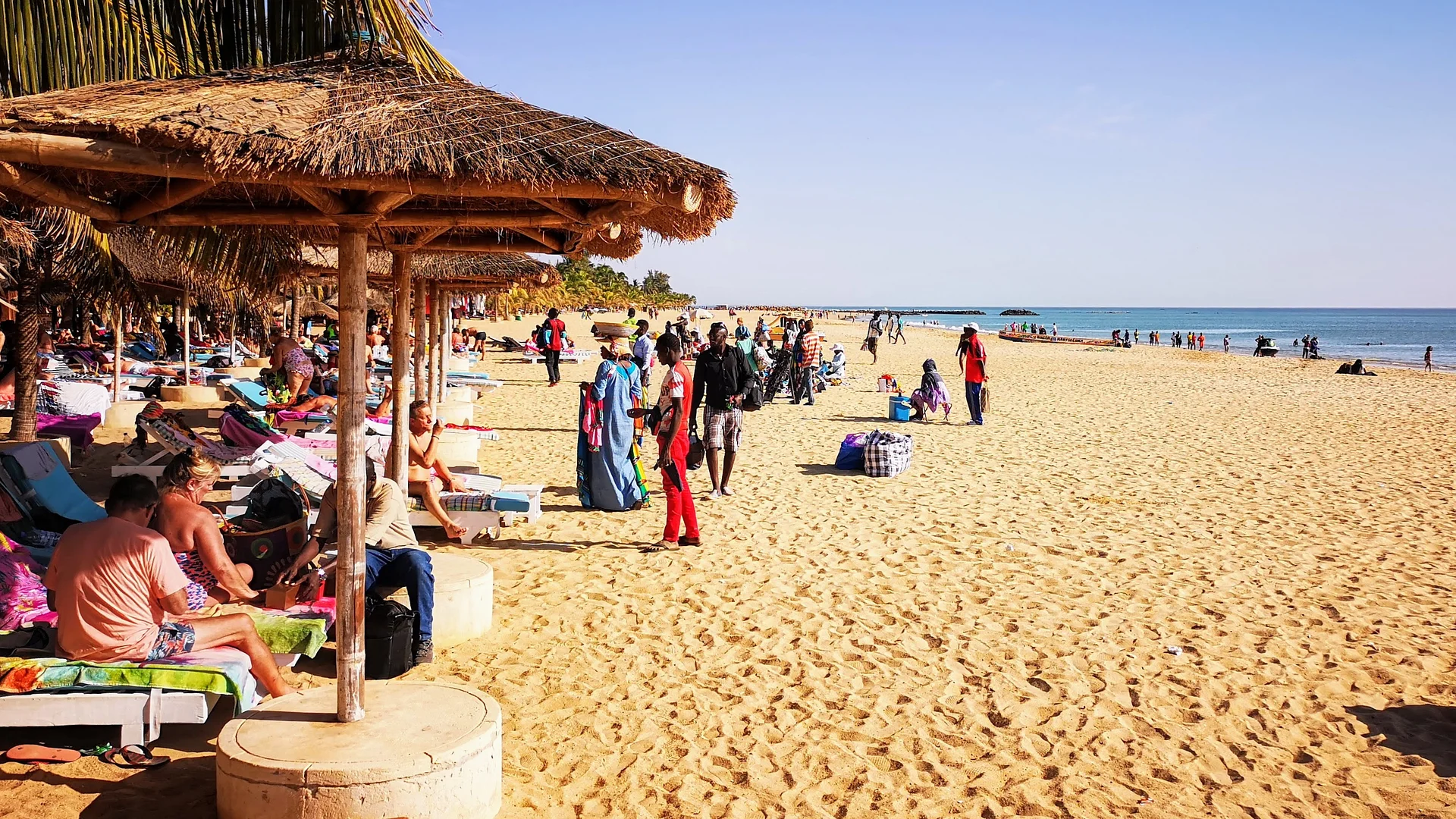
Senegal grabs you fast. Golden Atlantic beaches, forests of baobab trees, fish markets loud with color and noise, fishing villages where the day starts before sunrise. The people here have a reputation for hospitality that isn't exaggerated, and the country's music scene is woven into daily life in a way you'll feel everywhere you go. If you want a trip that actually changes your pace, this is a strong contender.
Is Senegal the Right Destination for You?
Senegal is a great fit if you travel for human connection and cultural immersion rather than resort comfort. The real draw is the people and the exchanges you'll have with them. Travelers looking for genuine experiences, consistent sunshine, and a warm social atmosphere will get a lot out of this country.
That said, the intensity of Dakar or other big cities can catch you off guard if you're not used to West African urban energy. The gap between rural and urban life is stark, and ground transportation can be unpredictable. This isn't a plug-and-play destination, but that's exactly the point.
Is It Safe to Travel in Senegal?
For most visitors, Senegal is generally safe, especially in the main tourist areas: Dakar, Saint-Louis, Saly, and the Casamance region. Standard precautions apply anywhere, keep valuables out of sight, stay alert in crowded places, and check conditions before heading into remote areas. The warmth of locals tends to put you at ease quickly, but staying aware is just common sense.
What About the Terrorism Risk?
Compared to several of its neighbors, Senegal has so far remained largely free of terrorist activity. That said, avoid the eastern border regions near Mali and Mauritania as a precaution. Roadside checkpoints by local authorities are common throughout the country, so keep your passport on you whenever you're moving around. For current travel advisories, check the U.S. State Department's travel page for Senegal before you go.
Dakar and Gorée Island: Modernity and Memory
Dakar is loud, fast, and layered. Markets, beaches, and a nightlife scene that runs late all compete for your attention. The city mixes contemporary West African culture with older traditions in a way that takes a few days to read properly. A short ferry ride offshore, Gorée Island confronts visitors with one of the most painful chapters of the Atlantic slave trade, its pastel colonial buildings and quiet alleyways carrying a weight that stays with you.
A Capital for the Arts
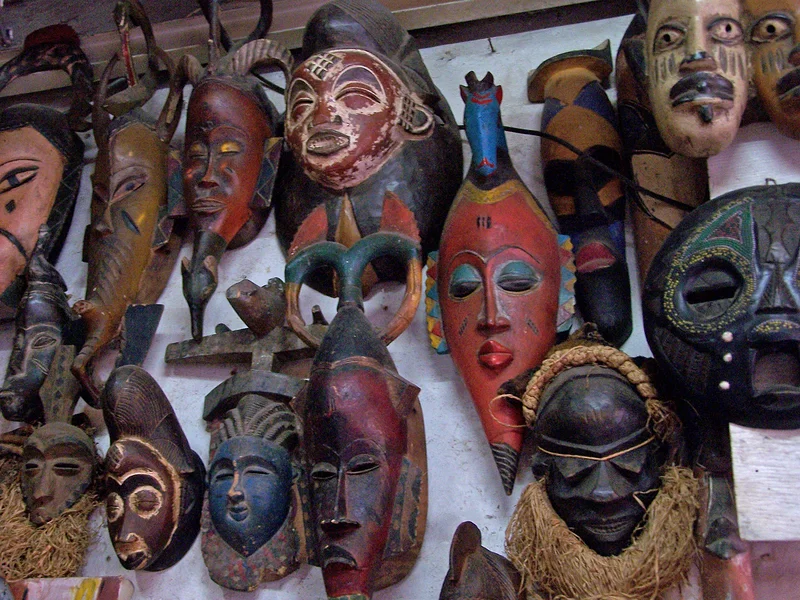
Dakar has a serious creative scene. Galleries, artist studios, and major festivals make it one of the more culturally active cities on the continent. Music and visual art aren't reserved for venues here; they're part of the street-level texture of daily life.
Insider tip: Sit down with locals over a glass of mint tea. The Senegalese ritual of sharing attaya (the three-round tea ceremony) is where the best conversations happen, and where you'll learn more about the country than any guidebook will tell you.
Saint-Louis: Colonial Architecture on the River
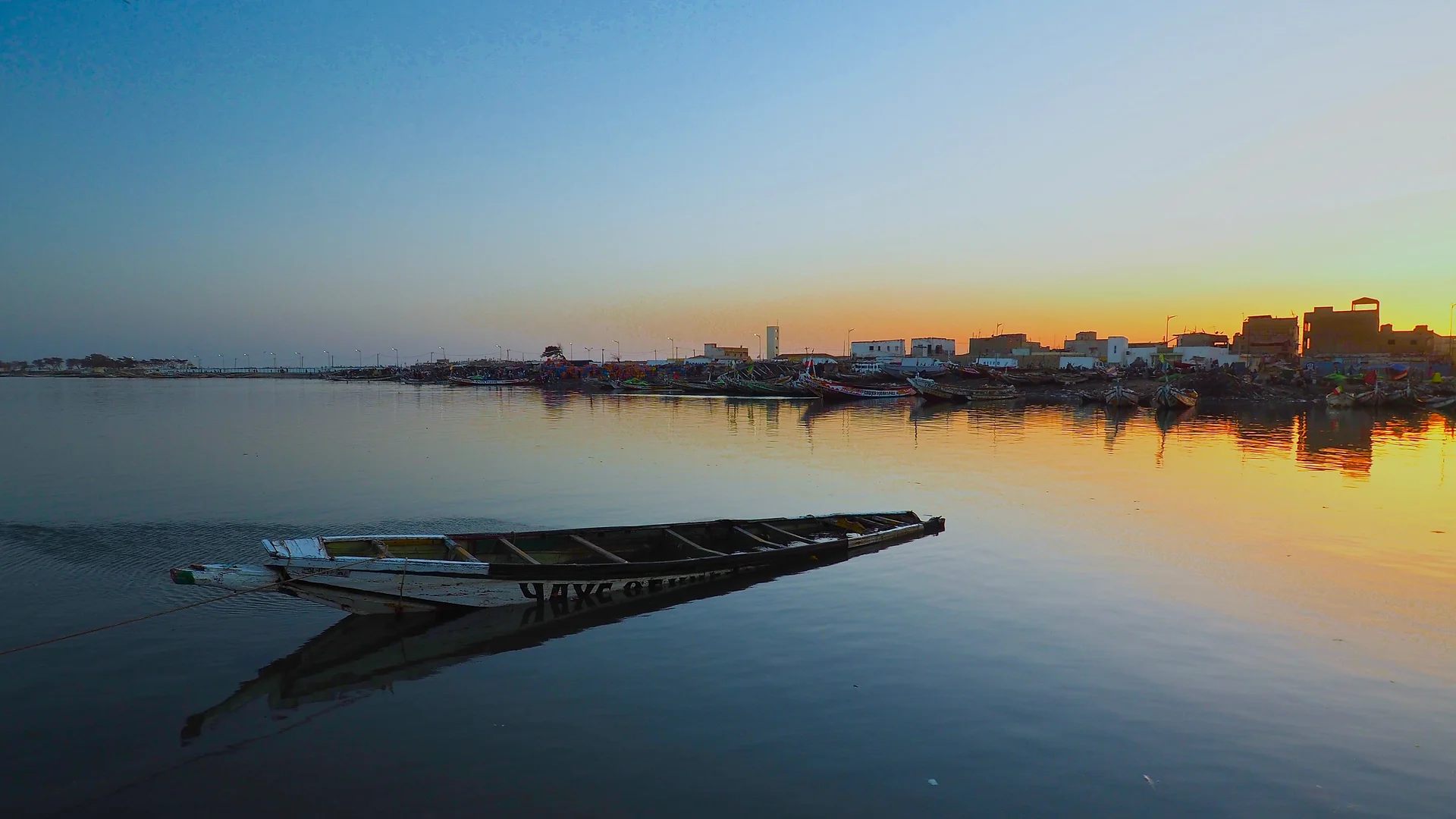
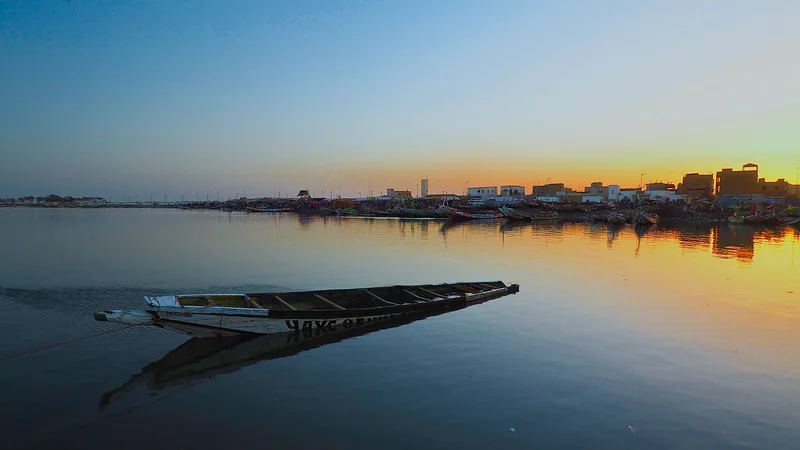
In the north, Saint-Louis, the former colonial capital, has a particular atmosphere that sets it apart from the rest of the country. Connected to the mainland by the Faidherbe Bridge, the island city feels like it's running on a slower clock. At dusk, brightly painted fishing pirogues line the banks of the Senegal River in a scene that photographers chase from all over the world.
Gateway to the Senegal River Delta
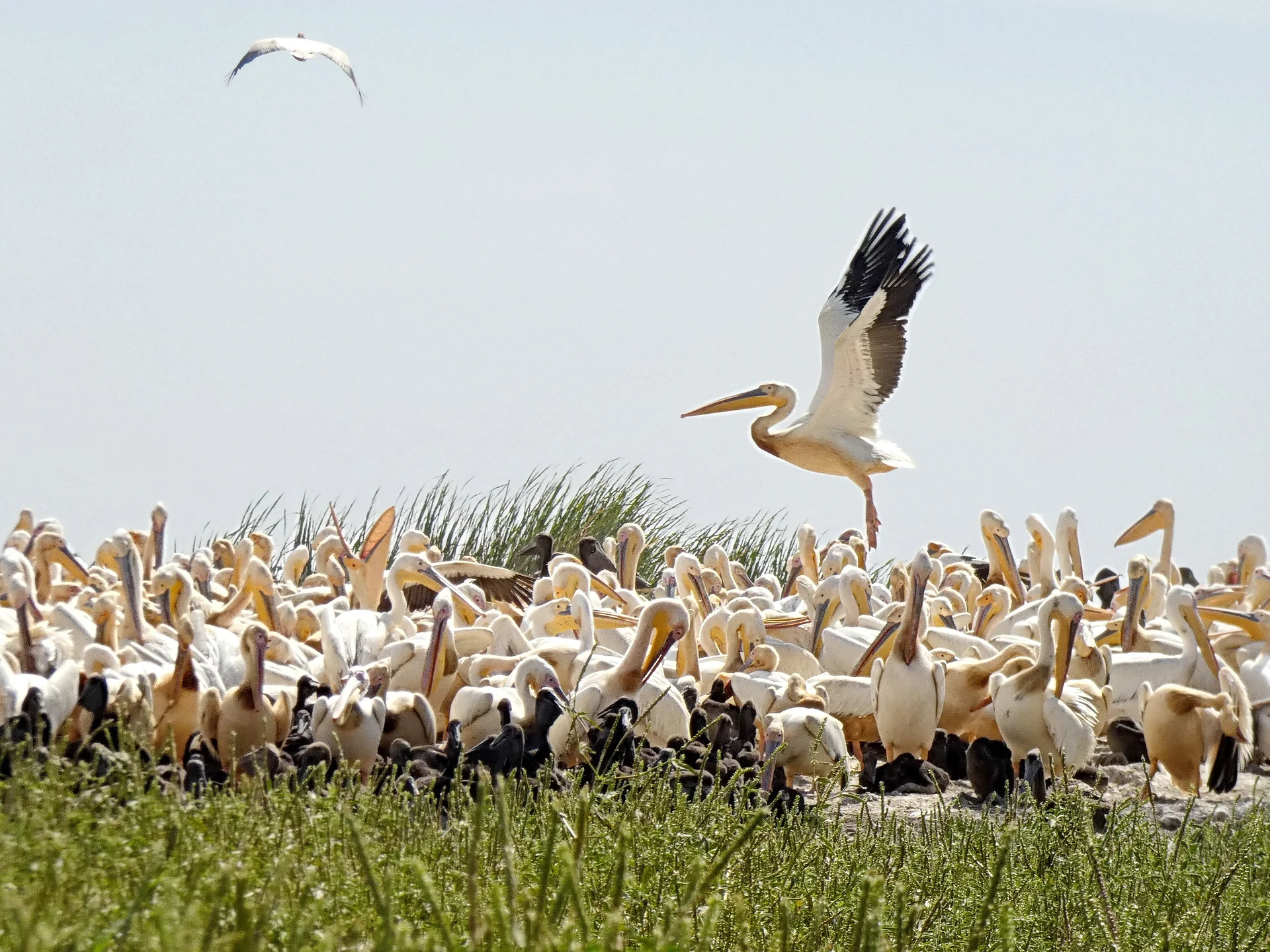
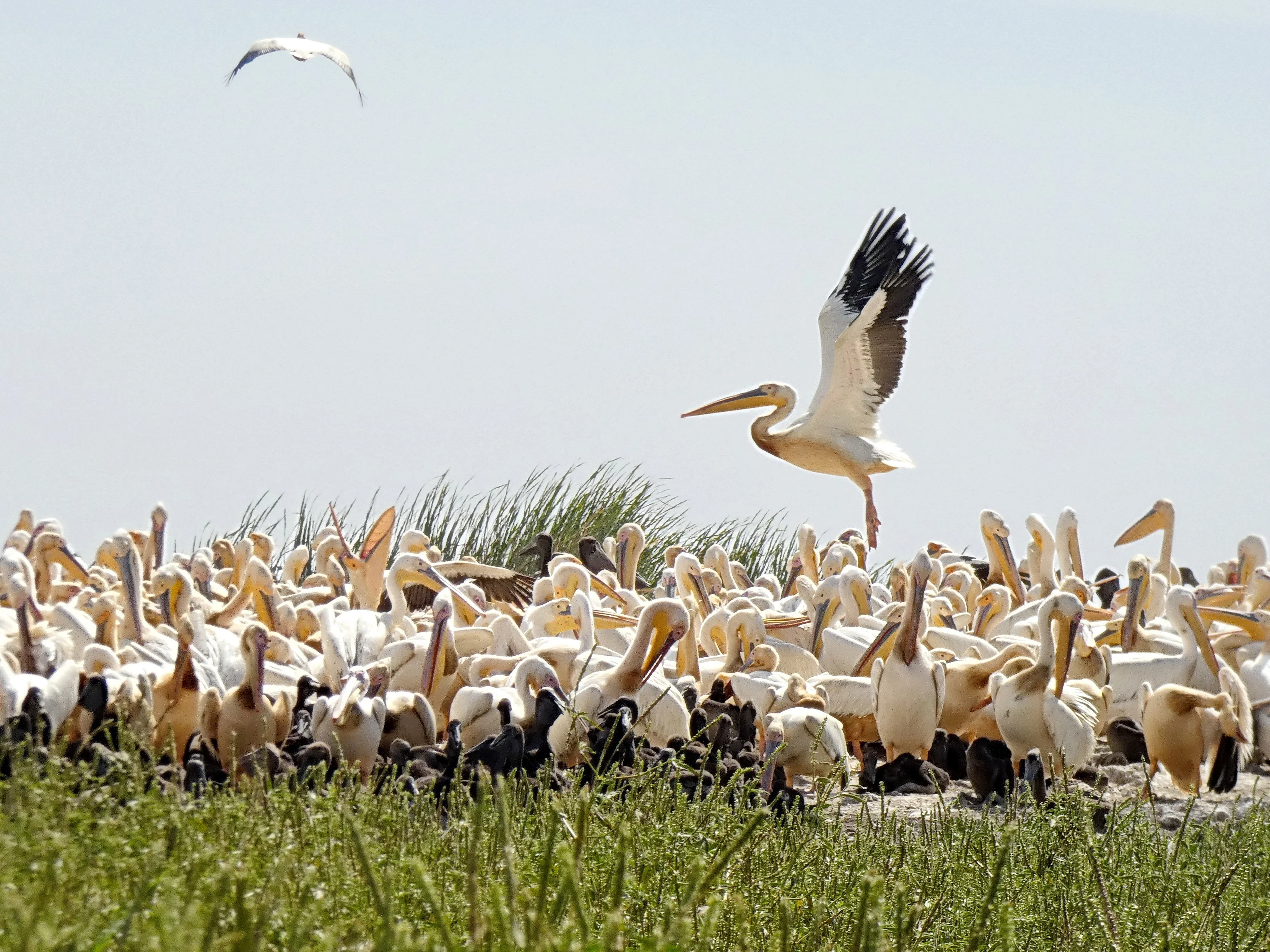
Saint-Louis is also the best base for visiting Langue de Barbarie National Park or Djoudj National Bird Sanctuary, one of the most important migratory bird sites in the world and a UNESCO World Heritage Site.
Insider tip: If you shoot photos, get out early to catch the fishing boats coming back in. The light in the first hour after sunrise is exceptional, and the activity on the water is at its peak.
Casamance: Lush, Quiet, and Genuinely Welcoming
The Casamance region in the south is a different Senegal entirely. Rice paddies, palm forests, and beaches that see a fraction of the tourist traffic of the north. The landscape is greener and more fertile than the arid zones elsewhere in the country, and the pace of life is noticeably calmer.
Villages and Living Traditions
Traveling through Casamance means spending time with communities where music and dance aren't performances for tourists, they're part of how life is organized. Villages here have a festive undercurrent that feels spontaneous rather than staged.
Insider tip: Book a homestay if you can. Staying with a local family is the most direct way to understand daily rhythms and customs in Casamance, and it's usually more affordable than guesthouses.
Baobab Country and the National Parks
The baobab is Senegal's national symbol, and once you're in the countryside, you'll understand why. These massive trees line the roads and mark village boundaries, often carrying spiritual or historical significance for local communities. For wildlife, Niokolo-Koba National Park is the main draw, with antelopes, primates, and occasional sightings of lions and elephants.
Getting Outside
Hikers and nature travelers should put the Bassari Country hills on the list. This UNESCO World Heritage area combines trekking through green landscapes with visits to traditional villages that have maintained their way of life for centuries.
Insider tip: At Niokolo-Koba, go out at first light with a local guide. Animals are most active in the cool of the morning, and a guide who knows the park will make a significant difference in what you actually see.
Eating in Senegal: Serious Food, Every Meal
Senegalese food deserves more attention than it gets internationally. Thiéboudienne, the national dish of rice, fish, and vegetables cooked together in a seasoned tomato base, is something you'll want to eat multiple times. Yassa, chicken or fish marinated in lemon juice and onions then grilled or braised, is equally good and found everywhere. For street food, fried dough fritters sold from roadside stalls make a solid cheap snack. Cool down with bissap, a deep red hibiscus drink that's refreshing in the heat and sold throughout the country.
When to Go to Senegal
The dry season, November through May, is the sweet spot. Temperatures are comfortable, roads are accessible, and getting around is straightforward. The rainy season runs June through October and turns the landscape lush and green, but some rural roads become genuinely difficult. Beaches are swimmable year-round, with warm Atlantic water on the western coast throughout the year.
Getting to Senegal
The main entry point is Blaise Diagne International Airport, about 30 miles from central Dakar. Direct flights connect Dakar to several European hubs, but from the US you'll typically connect through Europe or occasionally through other African cities. Overland crossings from Mauritania, Gambia, or Mali are possible but involve long travel times and border formalities that can be unpredictable.
Getting Around Senegal
The local way to travel between cities is by "cars rapides," the shared minibuses and collective taxis that run fixed routes and give you an immediate window into how most Senegalese people move around. For longer trips or more comfort, hiring a private driver is a reasonable option and not prohibitively expensive. Domestic flights between Dakar and the Casamance save significant time given the distance. Renting a car is doable, but road conditions outside major routes can be rough, and local driving styles take some adjustment.