
Visiting Dakar: Where the ocean meets urban energy
The scent of incense drifts through the air, mixing with the aroma of charcoal-grilled fish. The constant hum of taxi horns echoes in the distance, and then the massive silhouette of the African Renaissance Monument comes into view. This is the scene: a capital city that hits the senses hard and charms with its sheer intensity. Dakar does not reveal itself all at once, but rather through the conversations you have and the streets you wander.
Who is this trip for?
This city appeals to travelers curious about art, history, and contemporary African culture. If you are into nightlife, you will find a high-energy music scene, while families will appreciate the seaside strolls and the bustling markets.
On the other hand, those looking for total silence or untouched, postcard-perfect landscapes might find the capital's frantic pace and chaotic rhythm a bit overwhelming.
Friendly tip: Keep your budget flexible. Between taxi fares, entrance fees, and local snacks, expenses add up quickly.
Le Plateau and the historic center
Le Plateau is the hub for government institutions, museums, and the most active markets. Wandering the aisles of Sandaga or Kermel is a unique experience. You will find shimmering fabrics, mountains of colorful spices, and vendors who greet you with a smile. A short walk away, the Musée des Civilisations noires offers a gripping look into pan-African history.
Friendly tip: Get to the markets early in the morning when the action is at its peak and the heat is still manageable.
The Corniche and the Atlantic coast
The western corniche stretches for miles along the ocean, making it the perfect spot to catch the sunset. The beaches of Ngor or Yoff are great for relaxing, though the wind and waves serve as a constant reminder of the Atlantic's power. It is a favorite spot for locals to go for a run or play soccer on the sand.
Friendly tip: Never leave your belongings unattended on the beach. Duck into the small beachside restaurants to enjoy a break in peace.
Gorée Island: History and quietude
A 20-minute ferry ride takes you to Gorée, a place that feels like a different world. Expect cobblestone alleys, pastel-colored houses, and overflowing bougainvillea. The island is defined by its somber history, specifically the Maison des Esclaves (House of Slaves), which is a vital, moving stop for understanding the history of the slave trade. Between the moments of reflection and the quiet atmosphere, Gorée leaves a lasting impression.
Friendly tip: Spend a night on the island to enjoy the silence after the day-trippers head back to the mainland.
Bohemian and festive neighborhoods
In Medina, neighborhood life is in full swing with its local markets and small mosques. Further north, Almadies and its waterfront restaurants draw crowds looking for fresh fish and lively nights. Live music clubs are everywhere here, and dancing is a core part of the experience.
Friendly tip: Catch a live concert at a local bar. The fusion of traditional mbalax and modern influences is unforgettable.
Where to eat and drink in Dakar?
The capital is a playground for food lovers. Thiéboudienne, a seasoned rice and fish dish, is the local staple. Yassa au poulet, a chicken dish marinated in lemon and onions, is famous for its bold flavors. In the evenings, the grilled fish on the beaches of Almadies is as much about the atmosphere as the food.
Where to stay in Dakar and the surrounding area?
Travelers on a tight schedule will appreciate the convenience of the hotels in Le Plateau, which are close to administrative offices and museums. For a more relaxed vibe, the accommodations in Almadies offer ocean views and proximity to restaurants. For a truly local experience, look for guesthouses in Medina, right in the heart of the community.
Getting there and getting around
Blaise Diagne International Airport is located about 50 km (about 31 miles) from the capital and handles most international flights. From the airport, expect a one-hour drive, though traffic can easily push that higher.
Once in the city, yellow and green taxis are the standard, but always negotiate the price before getting in. For longer trips, the local "cars rapides" and buses offer a total immersion into daily life, though they require patience and flexibility.
When to go?
The best time to see Dakar is from November to May. This is the dry season, when temperatures are pleasant and the city is buzzing. June to October is the rainy season. It is less ideal for walking around, but it can be interesting for travelers seeking authenticity and lower prices. Avoid September at all costs, as it is the most humid and stifling month of the year.
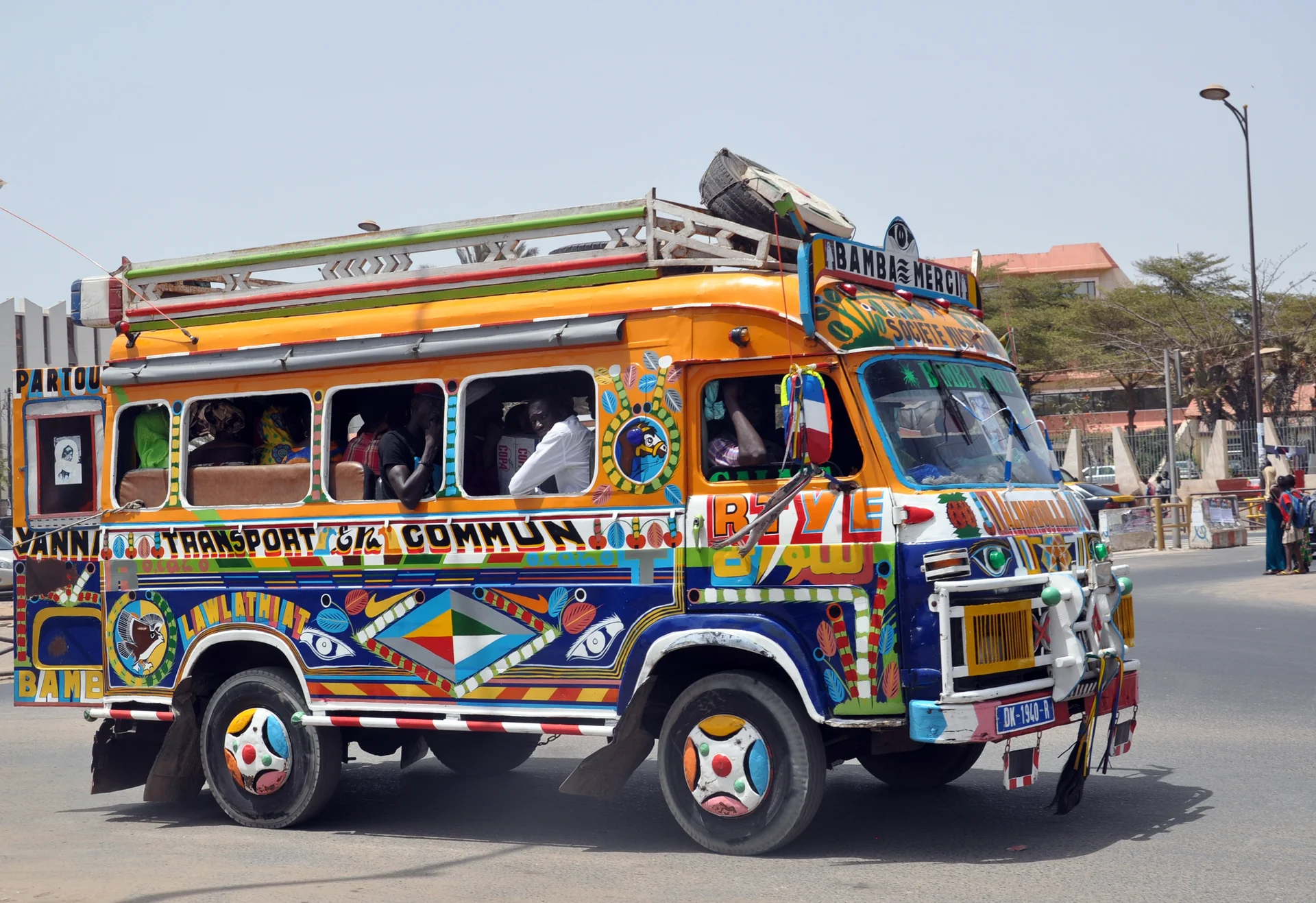
It is pretty hard to form an opinion about Dakar.
Outside of the hotel and the expat neighborhood, it is recommended to be accompanied by a guide to visit the city, which is not cool.
Is it because of the insecurity, the scams, or to hide the poverty?
From what I could see, the Senegalese people are very welcoming, and the city is very lively, hectic, and vibrant. Not always very clean, and yes, there is poverty.