
Visiting the Anfora Glassworks
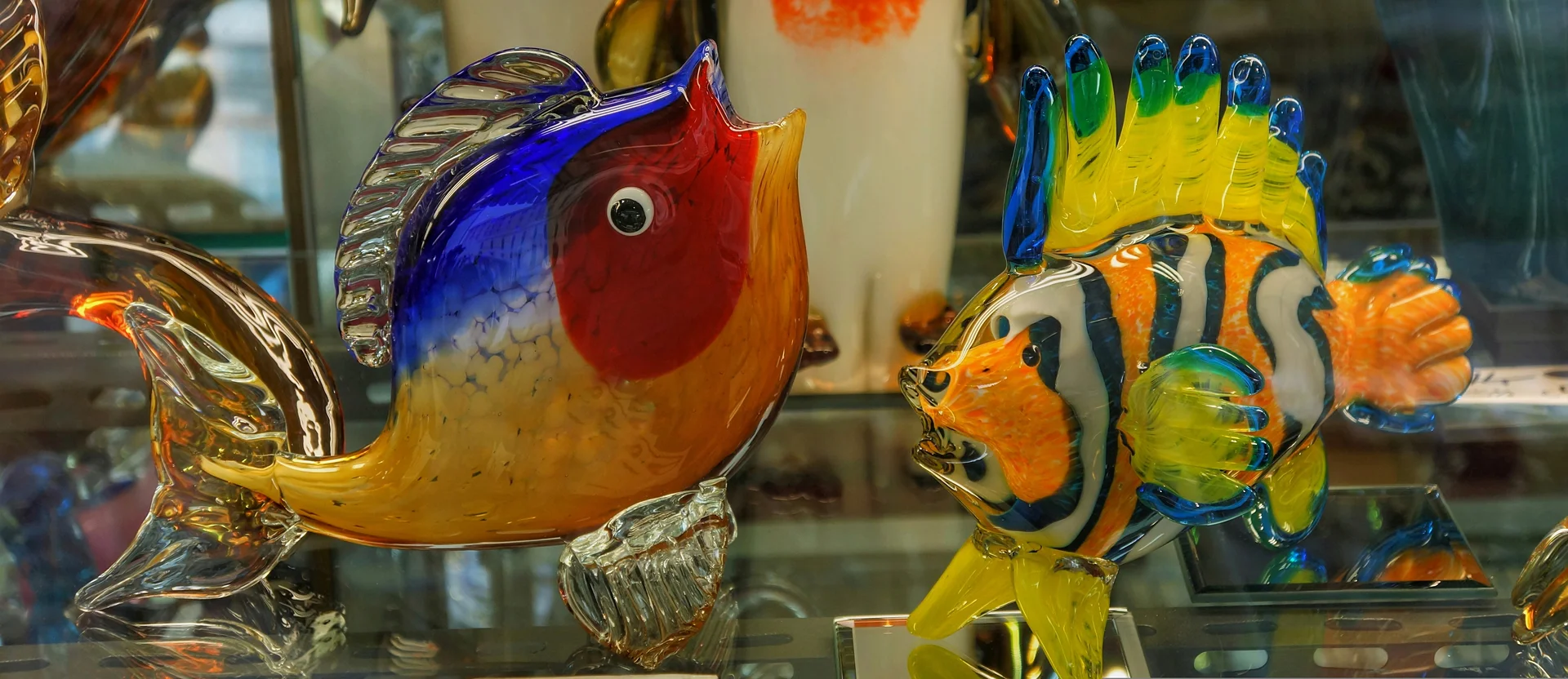
The glass artisans of Murano carry on a craft of creation and shaping that dates back to the 13th century in Venice. Today, many workshops on the island of Murano continue to practice traditional glassblowing and sculpting techniques. The Murano Glass Museum was also founded on the island in 1861 by Vincenzo Zanetti to archive the history of glass production, following the institutional upheaval caused by the fall of the Republic of Venice in 1797.
History of the Murano glass masters
Glassmaking in Venice likely began with Byzantine immigration in the 10th century during the Crusades. As workshops grew in number throughout the 13th century, a 1201 decree issued by the Senate of Venice forced artisans to move their furnaces to the island of Murano. Local authorities feared the fire risk in the city, and by 1291, all glass foundries in Venice were dismantled. In return, the Republic of Venice committed to protecting the glass masters.
The craft continued on the neighboring island of Murano and saw a major boom starting in the 14th century, with Murano glass sold across Europe. Over time, the glass masters refined their skills, developing techniques such as enameling, gold-thread filigree, multicolored glass, and lattimo (milk glass).
Murano today
Located just 1.5 kilometers north of Venice, Murano is a cluster of seven islands connected by bridges. It remains the epicenter of traditional Murano glass production, where visitors can watch demonstrations by prestigious glassmaking families like Ballarin, Barovier, or Venini, alongside numerous shops.

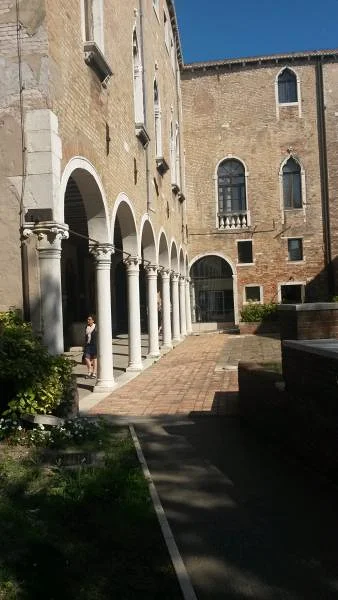
I highly recommend heading over to the island of Murano if you are visiting Venice. Getting there is very easy with trips running several times a day. Once you are there, you can watch the glassblowers and discover this art and its history. The island itself is also very pretty.