
Visiting the Brandenburg Gate
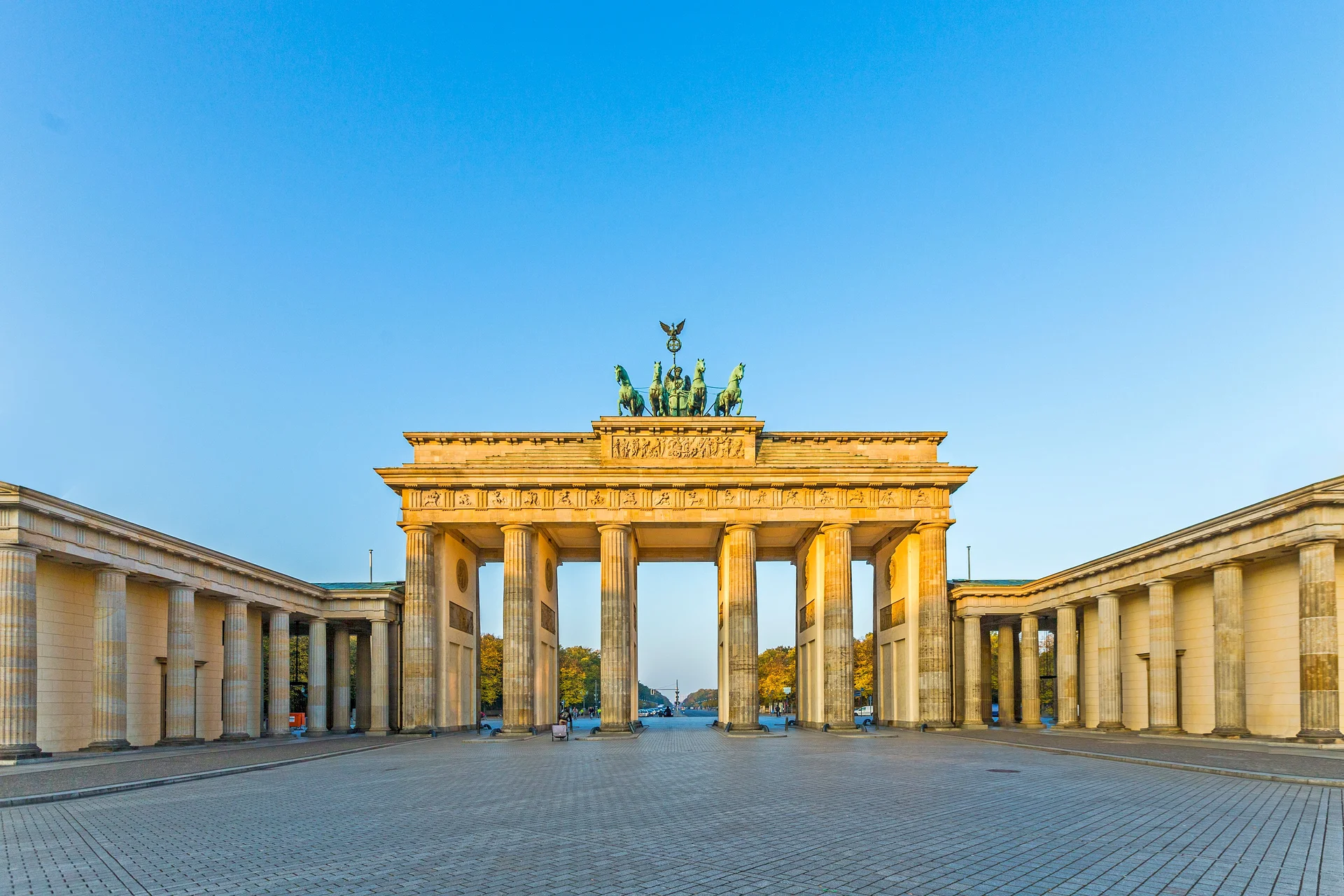
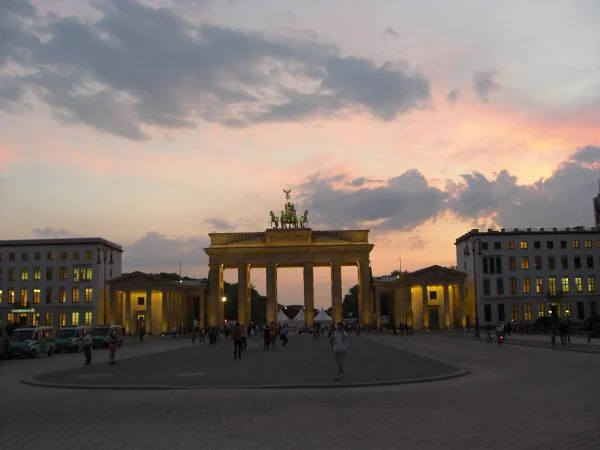
The Brandenburg Gate is the true symbol of Berlin. It is the only remaining structure of the 18 original city gates, designed by Carl Gotthard Langhans and opened in 1791. Until 1918, only the royal family had authorization to pass through the gate when entering or leaving Berlin. Ideally situated between Pariser Platz (Paris Square) and the Tiergarten park, it is also steps away from the Holocaust Memorial and the building that houses the German federal parliament, the Reichstag building.
A prestigious neoclassical structure
The gate stands 26 meters tall and features a series of Doric columns inspired by the Acropolis in Athens. At the summit sits a sculpture of the goddess of Victory riding a chariot pulled by four horses, known as the Quadrige (Quadriga). The original piece, built in 1795, was destroyed during Allied bombing raids in World War II, which also decimated much of Pariser Platz.
During the Napoleonic Wars, following the French victory over Berlin, Napoleon ordered the Quadrige removed and taken to France as war booty. Germany recovered the statue in 1814 after Napoleon abdicated.
The turbulent history of the Brandenburg Gate
Even after World War II and the Allied victory, the trials of the Brandenburg Gate were far from over. When Berlin was split into two blocs during the Cold War, the gate found itself in the middle of a no man's land between East and West. At the fall of the Wall, more than 100,000 people gathered at this spot to celebrate German reunification.

The Brandenburg Gate is one of the iconic monuments of Berlin, a true symbol of peace that you absolutely have to see. If possible, come early in the morning because there are always a lot of people. You will be able to take some nice photos before continuing your tour of the city.