
Visiting the Botanical Garden of Palermo
In a city where historic stone architecture takes center stage, this site serves as an open-air museum of the botanical world and a welcome breath of fresh air for travelers. Spanning over 10 hectares (roughly 25 acres), the Botanical Garden of Palermo offers a journey through nature's wonders. Organized by scientific sectors and classification systems, it is as educational as it is visually striking. Founded in 1789 and originally dedicated to medicinal plants, it has evolved over more than two centuries into a tranquil haven with a distinctly tropical atmosphere.
From rare flowers to towering trees
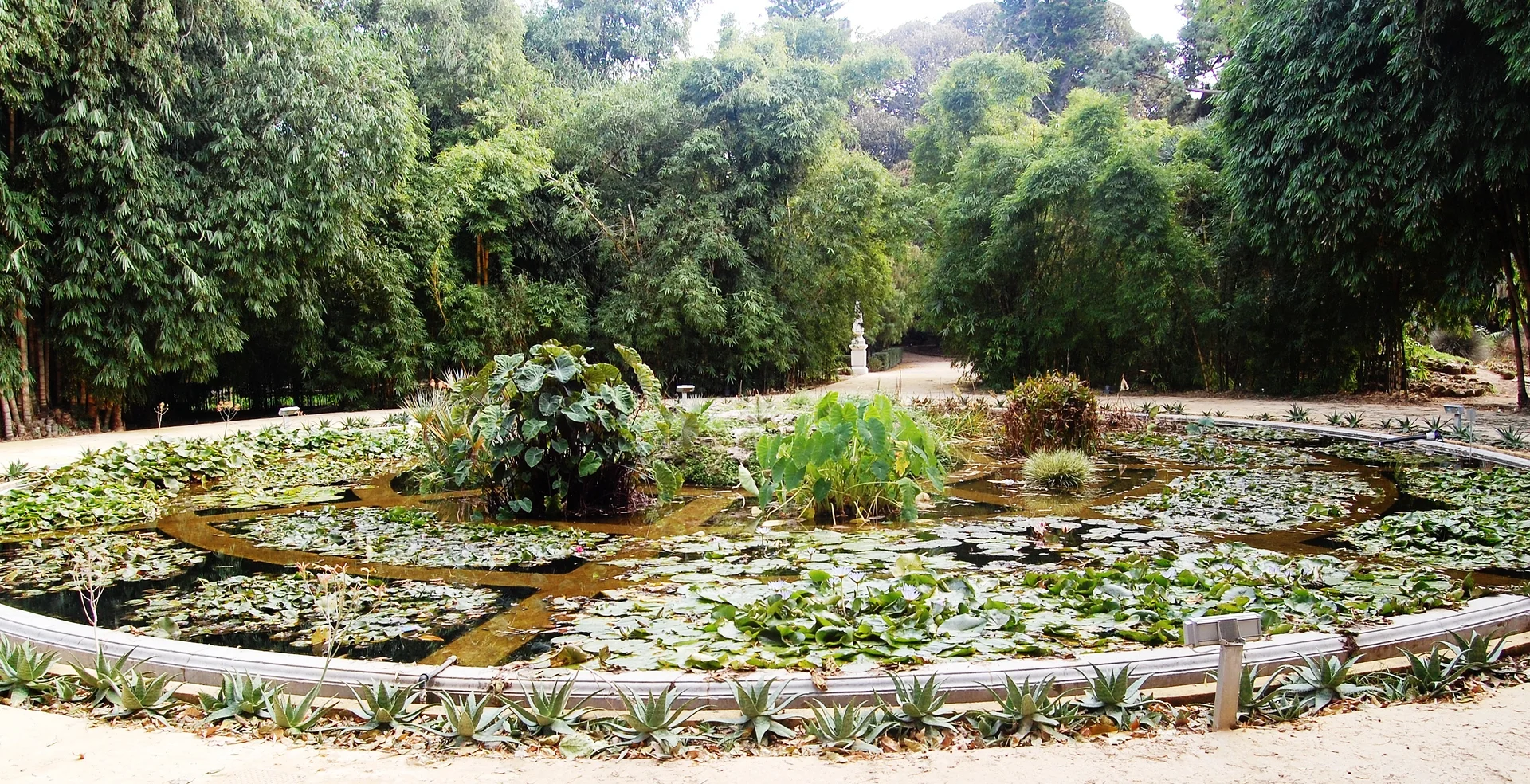
Managed by the Università di Palermo (University of Palermo), the Botanical Garden remains a vital scientific site, and the layout of its various sectors reflects this academic purpose. While learning about its foundations is interesting, the aesthetic appeal of the grounds is what truly leaves an impression. You are greeted immediately by the Gymnasium, a superb neoclassical building that leads either to the historic garden area or to the greenhouses. Among those dedicated to orchids, succulents, or carnivorous plants, the Serra Carolina stands out as one of the most beautiful winter gardens in Europe. Unique and rare collections thrive here, making for an exceptional viewing experience. The vegetation is dense and expansive, from the palmeraie (palm grove) with its 455 trees to a forest of giant ficus and sycamores. The experimental zone offers a chance to see cotton plants, sugar cane, and unique hibiscus varieties. This corner of the world is concentrated on Sicilian soil that has successfully helped them flourish. Plants and flowers scent this space, though you should pack mosquito repellent, especially near the bassins (ponds) where Indian lotus, water lilies, and Egyptian papyrus put on a display. Whether in the oldest section marked by the système de Linné (Linnaean system) or the more recent area following the German Engler scheme, this garden of a thousand wonders feels like a bubble outside of time.

The admission felt a bit pricey (5 euros) compared to other botanical gardens, but I think it is still worth it. If you want to see something other than churches, a nice walk in this green space feels great! It was not very flowery at the time of my visit (aside from the cacti), but you can see giant trees among other things. A good place to relax for a bit!