
Visiting Culloden Battlefield, where Scotland's fate was sealed
Silence hangs over this wind-swept moor in the Highlands. Yet, nearly three centuries ago, on April 16, 1746, this plain at Culloden echoed with the roar of the final pitched battle fought on British soil. In less than an hour, the future of Scotland changed forever.
Why visit Culloden Battlefield?
This battle marked the tragic end of the 1745 Jacobite Rising, when supporters of Prince Charles Edward Stuart clashed with the government forces led by the Duke of Cumberland.
More than just a historic site, Culloden serves as a silent witness to a major turning point that permanently altered Highland culture. The crushing defeat of the Jacobites triggered brutal repression and a systematic ban on traditional Scottish ways of life, including clan social structures, tartans, and the bagpipes.
The visitor center, a deep dive into history
The modern visitor center features a 360-degree immersion theater that places you right in the middle of this brutal battle. Exhibits present both sides of the conflict, Jacobite and government, with sensitivity through authentic artifacts and moving personal accounts. You can even read letters written just after the battle by Prince Charles Edward Stuart in an interactive display case.
Modern and poignant exhibits
Audiovisual reenactments bring the events to life with striking precision. Every displayed object tells a piece of this human drama, from swords and muskets to the personal jewelry of the combatants. The exhibition meticulously traces the fatal chain of events that led to this decisive confrontation.
Walking the authentic battlefield
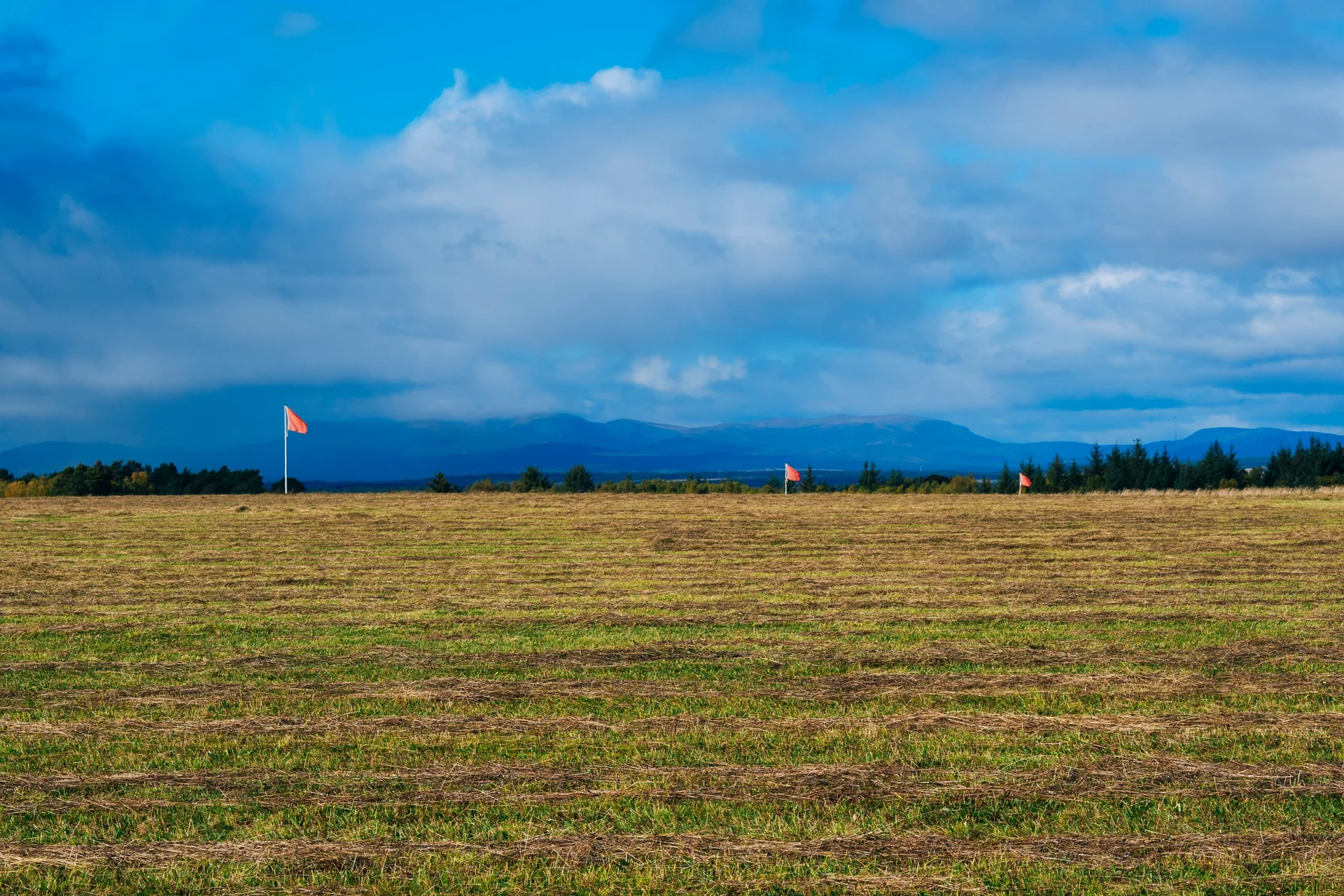
The terrain has been restored to reflect its original state, revealing why this marshy, uneven ground was so disadvantageous for the traditional Highland charge. Red and blue flags mark the positions of the two armies, helping you visualize how the tragic events unfolded.
Memorials and tombstones
Stone markers denote the mass graves of clan members who gave their lives for the Jacobite cause, while a 6-meter-high commemorative cairn honors all who fell. Many Scottish visitors come to pay their respects and leave flowers for their lost ancestors. These moments of reflection give the site a deeply emotional weight.
Insider tip: Visit Culloden on a foggy day if you can. The mysterious and melancholy atmosphere of the site is amplified, and many visitors find this mood particularly moving.
Leanach Cottage, a stone witness to the battle
This 18th-century cottage stood at the heart of the battlefield and likely served as a field hospital. Now restored, it offers an authentic look at domestic architecture of the era. From the roof terrace of the visitor center, enjoy a panoramic view of the entire site, where peaceful Highland cows still graze today.
Opening hours
*Information subject to change

For my part, I got interested in Scottish history thanks to the Outlander series. It was through that show that I discovered the Battle of Culloden. Being in Inverness, I really wanted to check out the battlefield. It is a place steeped in history, perfect for quiet reflection. I suggest you read up on the battle before you go.