Nouméa, the edge of the world with a French accent
It is 6 a.m. at the Marché de la Moselle. The stalls are overflowing with fresh lagoon fish, vibrant tropical fruits, and bouquets gathered from the bush. A Kanak woman arranges her yams while a local Caldoche orders a strong espresso at the central counter.
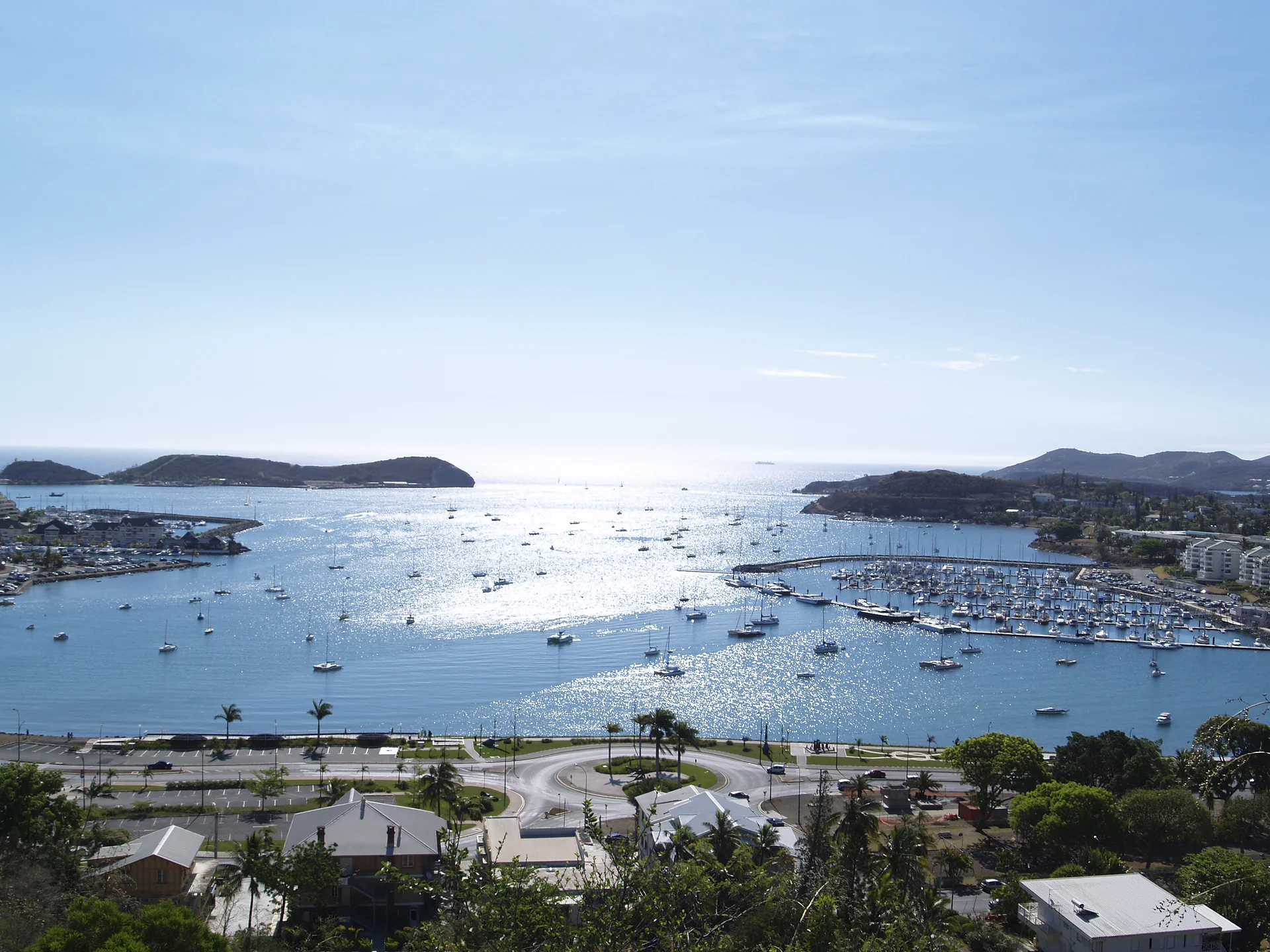
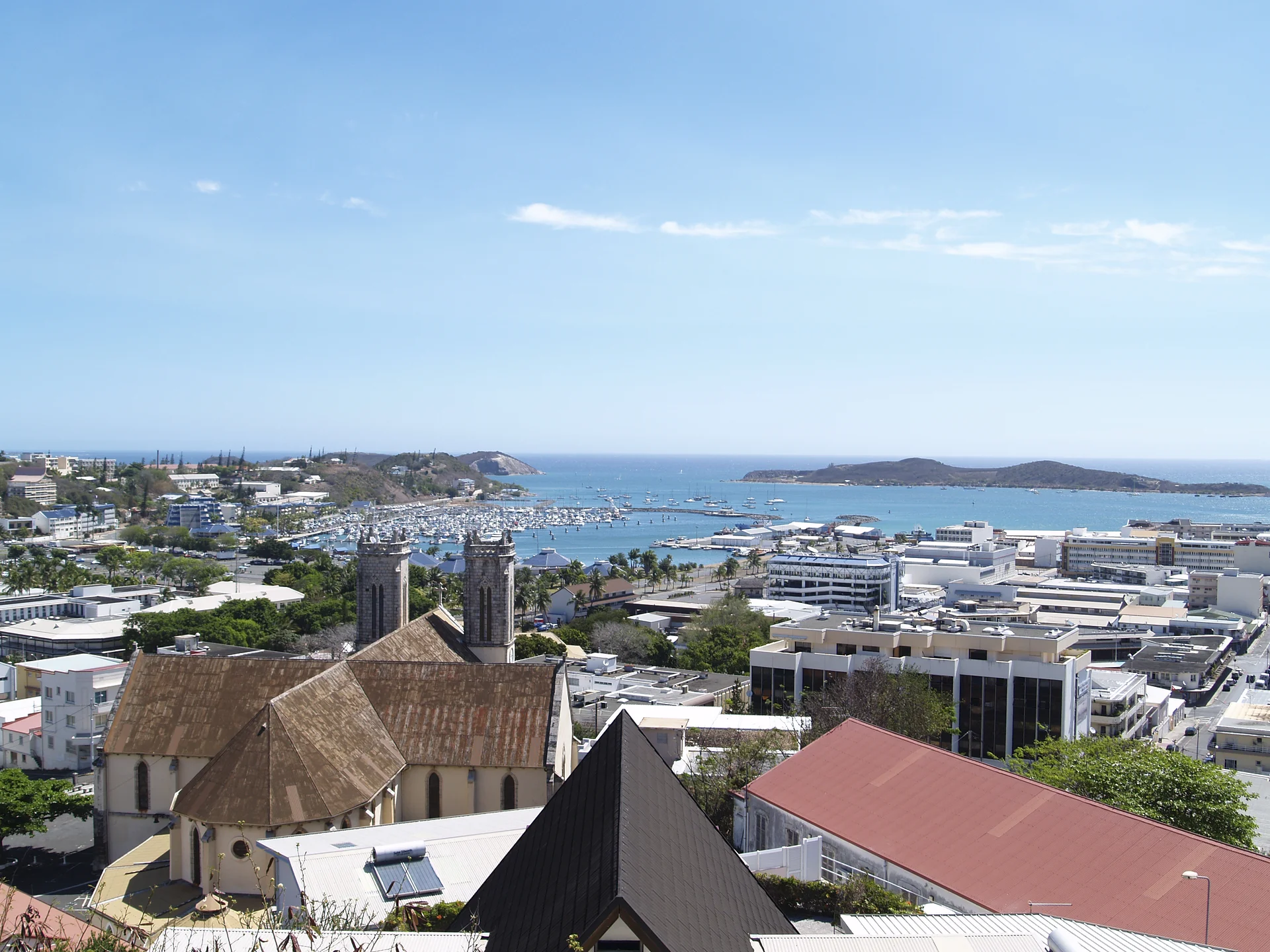
Located 13,600 miles from Paris, this scene could easily be happening in a Provençal village. Except for the turquoise bay shimmering in the background and the columnar pines silhouetted against the South Pacific sky.
A destination that splits travelers
Let's be clear from the start. Nouméa does not look like any other Pacific capital. Forget the clichés of a wild tropical island. Here, you sip New Zealand wine on a terrace overlooking the lagoon, browse designer boutiques in the Quartier Latin, and can find a butter croissant as good as anything in Paris. This French-Melanesian hybrid appeals to travelers seeking European comfort in the tropics. It disappoints those looking for raw, untouched exoticism.
The city is a fit for couples who want to alternate between beach lounging and gourmet dining, families with children who appreciate modern infrastructure, and divers dreaming of exploring the second-largest coral reef on the planet. It may frustrate budget backpackers and those trying to escape every trace of Western civilization.
What to know before you go
The time difference is significant. Depending on the season, you are looking at a 9 to 10-hour difference from France and at least 22 hours of flight time including layovers. Expect two or three days to adjust. French is the official language, but 28 Kanak languages coexist on the territory. English is spoken in tourist zones, though much less elsewhere. Regarding paperwork, US citizens do not need a visa for stays under 90 days, though you must ensure your passport is valid for at least six months beyond your departure date.
A note on safety
New Caledonia experienced a period of unrest in May 2024, with demonstrations that escalated into violence, roadblocks, and fires in Nouméa. As of late 2024, the situation has calmed down and tourist areas are fully accessible. Cruises have resumed and flights are operating normally.
Political tensions remain and could resurface. Before traveling, check the latest travel advisories from the US Department of State. While there, avoid driving at night outside of tourist areas and stay updated on local news.
Budget: prepare your wallet
New Caledonia is not a bargain destination. Budget 15,000 to 22,000 XPF (about $130, $190) per day per person for a comfortable experience, including mid-range lodging, restaurant meals, and a few activities. Grocery store prices are 50 to 70% higher than in metropolitan France. A standard double room starts around 13,500 XPF (about $120), while resorts easily exceed 30,000 XPF (about $265). A car rental runs about 9,700 XPF (about $85) per day.
Anse Vata and Baie des Citrons: the beating heart of Nouméa
These two twin bays are the center of Nouméa's tourist life. Anse Vata stretches along a fine sandy beach lined with restaurants and hotels. It is the spot for kitesurfers and families splashing in the shallows. In the evening, the terraces come alive and the Roger Laroque promenade becomes the go-to for joggers and couples on a walk.
A few hundred yards away, the Baie des Citrons offers a more festive vibe. Tapas bars sit next to Asian restaurants, ice cream shops, and nightclubs. The water is less translucent than at Anse Vata due to the rocky bottom, but the laid-back atmosphere makes up for it. This is where the water taxis to the islets depart.
Local tip: Îlot aux Canards, a ten-minute boat ride away, has a marked underwater trail perfect for a first snorkeling experience. It costs about 1,500 XPF (about $13) round trip. Pack a picnic, as there is no food service on the islet.
The Tjibaou Cultural Center: architecture dedicated to memory
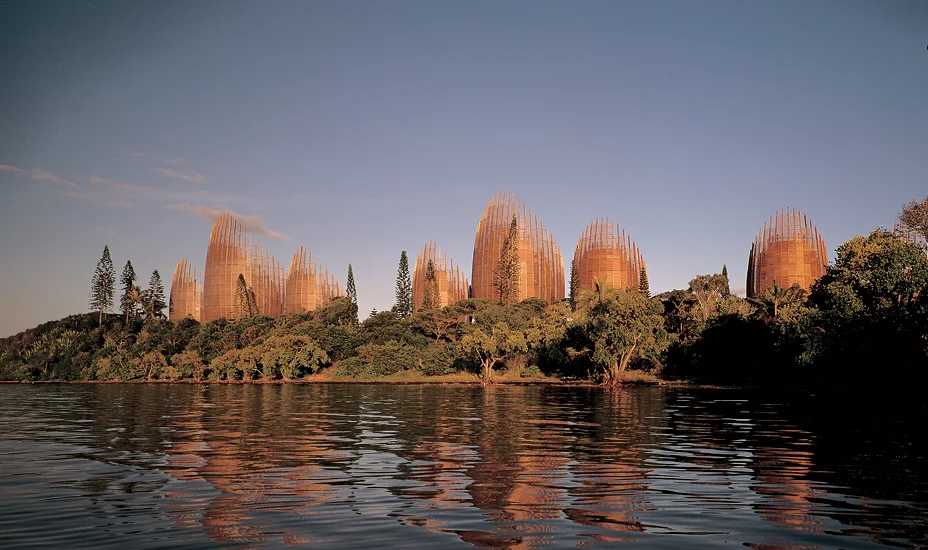
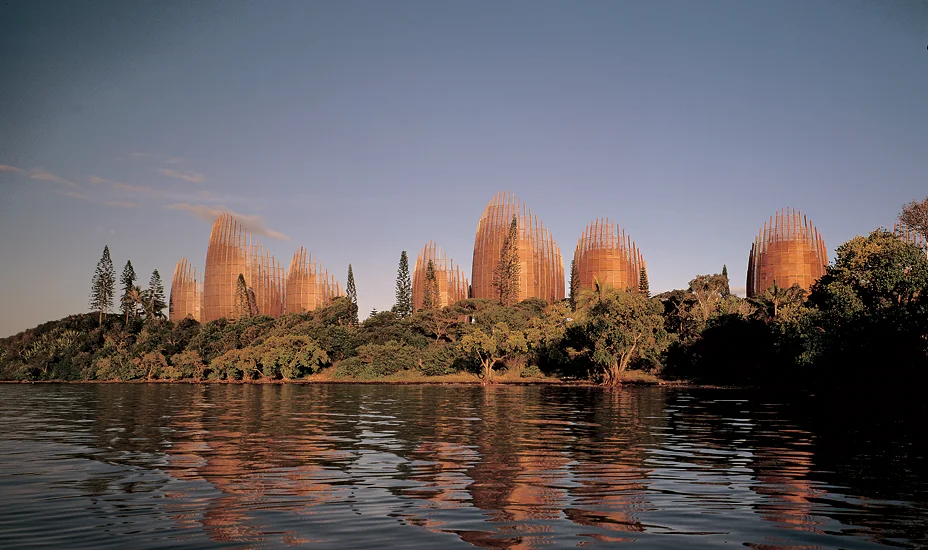
You cannot understand New Caledonia without visiting this site. Italian architect Renzo Piano, famous for the Centre Pompidou in Paris, designed ten monumental wooden and steel structures that blend into the surrounding vegetation. The center pays tribute to Jean-Marie Tjibaou, a Kanak independence leader assassinated in 1989, and to Melanesian culture as a whole.
Permanent exhibitions feature ancient wood carvings, oral traditions, and works by contemporary Pacific artists. The Chemin Kanak winds through eight hectares of gardens where plants used in traditional rituals grow. Allow two to three hours for a full visit. Entry is about 1,500 XPF (about $13) and the center is a 15-minute drive from the city center.
The lagoon islets: paradise a boat ride away
Nouméa’s lagoon, a UNESCO World Heritage site, is home to several islets accessible in minutes from Port Moselle. Îlot Maître hosts a resort with overwater bungalows and offers snorkeling, kayaking, and lounging on white sand. An all-inclusive day trip runs around 12,000, 15,000 XPF (about $105, $130).
Further out, Îlot Amédée and its 184-foot lighthouse offer a full-day excursion. The standard package includes boat transfer, lunch, access to the lighthouse, and free time to explore the seabed where turtles and rays swim. Certified divers can venture to the wreckage of the Dieppoise, a French patrol boat sunk in 1988 that now serves as an artificial reef.
Local tip: Book your excursions at least a day in advance. In high season, boats fill up quickly. Agencies like Mary D and Amédée Diving have good reputations with travelers.
Beyond Nouméa: the bush and the islands
Staying only in Nouméa means missing the point. You discover the Grande Terre on road trips along roads that are sometimes bumpy but always spectacular. To the south, the Parc de la Rivière Bleue is home to ancient kauri forests and the kagu, a flightless endemic bird that has become the territory's emblem. The red earth of the Grand Sud feels like the Australian outback.
The Loyalty Islands and the Île des Pins each deserve two or three days. The beaches of Ouvéa are among the most beautiful in the Pacific. The Oro Bay on the Île des Pins features a natural swimming pool where tropical fish will eat out of your hand. You reach these destinations by plane from Magenta Airport or by ferry from Nouméa.
Where to eat and drink in Nouméa?
Nouméa's culinary scene reflects the territory's mix of cultures. French brasseries sit alongside Vietnamese, Indonesian, and Japanese restaurants. The traditional Kanak dish, bougna, is worth trying at least once. This stew of meat or fish cooked with tubers and coconut milk in banana leaves is prepared in an underground oven. Tribal guesthouses often serve it by reservation.
For daily needs, the Marché de la Moselle opens its doors at 5 a.m. on Tuesdays, Thursdays, and Sundays. You will find fresh fish, exotic fruits, and prepared meals for a few dollars. Sunday is the best day for the atmosphere and local crafts. Those looking for a relaxed end to the day will appreciate the nakamals, informal bars where you can try kava, a traditional drink with relaxing effects.
Where to stay in and around Nouméa?
The Baie des Citrons and Anse Vata concentrate most of the tourist accommodation. These neighborhoods allow you to walk everywhere in the evening and enjoy the beaches during the day. Le Méridien and the Château Royal cater to comfortable budgets with high-end facilities. The Nouméa youth hostel, the only one on the territory, offers dorms for about 2,500 XPF (about $22) a night and is the go-to spot for backpackers.
For more quiet, the Nouville peninsula and its lagoon-side huts offer a charming alternative. Furnished apartments with kitchens help reduce the food budget. Near La Tontouta Airport, a few accommodations help for late arrivals, though they lack tourist appeal.
How to get to and around Nouméa?
La Tontouta International Airport is a 45-minute drive from Nouméa. There are no direct flights from Europe or the US. Standard layovers pass through Tokyo, Osaka, Sydney, or Auckland. Expect at least 22 hours of total travel time and a ticket price around 225,000 XPF (about $2,000) in normal periods. Aircalin, the national carrier, provides connections from Australia, New Zealand, and Japan. From France, Air France offers codeshare flights.
A shuttle connects the airport to the city center for about 3,000 XPF (about $25), but hotels often provide an included or discounted transfer. To explore the Grande Terre, renting a car is essential. Rental agencies at the airport and in town offer vehicles starting at 7,500 XPF (about $65) per day. A 4x4 makes accessing the east coast tracks, which are sometimes washed out, much easier. In town, the Tanéo bus network serves the main districts for less than 300 XPF (about $2.50) per trip.
When to go?
The shoulder seasons offer the best compromise. September to November and April to May combine pleasant temperatures around 77°F, low humidity, and moderate crowds. The austral winter from June to August remains mild, but days are shorter and the lagoon water can feel cool to some. From December to March, the crushing heat and cyclone risks make a stay less comfortable, despite sometimes cheaper rates.
Marine life enthusiasts should target the period from July to September to observe the humpback whales that come to calve in Caledonian waters.