New Caledonia: The Edge of the World with a French Accent
At 17,000 kilometres from Paris, a pocket of France floats in the South Pacific, ringed by the planet's second-largest lagoon. Locals call it the "Caillou" or pebble, and it routinely surprises travelers who show up expecting a cookie-cutter tropical resort. The landscape shifts from the rust-red soil of mining country to the endless blues of a UNESCO-listed coral reef. You grab a butter croissant in the morning and swim with sea turtles by the afternoon.
A Destination for Slow Travelers
New Caledonia suits travelers who want genuine isolation and are prepared to pay for it. Snorkelers and scuba divers will find extraordinary marine ecosystems with over 20,000 recorded marine species. Hikers get incredible terrain variety ranging from tropical rainforests and dry savannas to rugged mountain ridges. Couples looking for quiet romance will love the empty beaches of the Île des Pins or the Loyalty Islands.
This is not a spot for anyone in a rush or watching every penny. If you are after nightlife or intense shopping, skip it. The rural backcountry can feel monotonous for travelers who prefer manicured sights. Families traveling with toddlers will also need solid planning because tourist infrastructure is minimal outside of Nouméa.
On the Ground: What to Know
Booking accommodation on the outer islands often requires a phone call, sometimes without written confirmation. Domestic flight schedules can shift right before departure, and public transit is practically non-existent outside the capital. On the flip side, the lack of mass tourism guarantees a privileged experience. French is spoken everywhere, but knowing a few basic words of Kanak courtesy goes a long way when visiting local tribes.
Preparing Your Budget
New Caledonia runs 20 to 30% more expensive than neighboring Australia. Budget travelers camping and cooking their own meals should expect to spend $113 to $169* per day. A comfortable trip involving hotels and restaurants quickly climbs to $230-$290* daily. Car rentals run about $45 to $68* per day, which is non-negotiable if you want to explore the Grande Terre.
A UNESCO-Listed Lagoon
The New Caledonian lagoon covers 24,000 km² and holds the world's third-largest coral reef system, trailing only Australia and Belize. This turquoise expanse earned World Heritage status in 2008 thanks to its incredible biodiversity. Dugongs, boasting the world's third-largest population here, graze peacefully in the seagrass beds.
Spots Worth the Detour
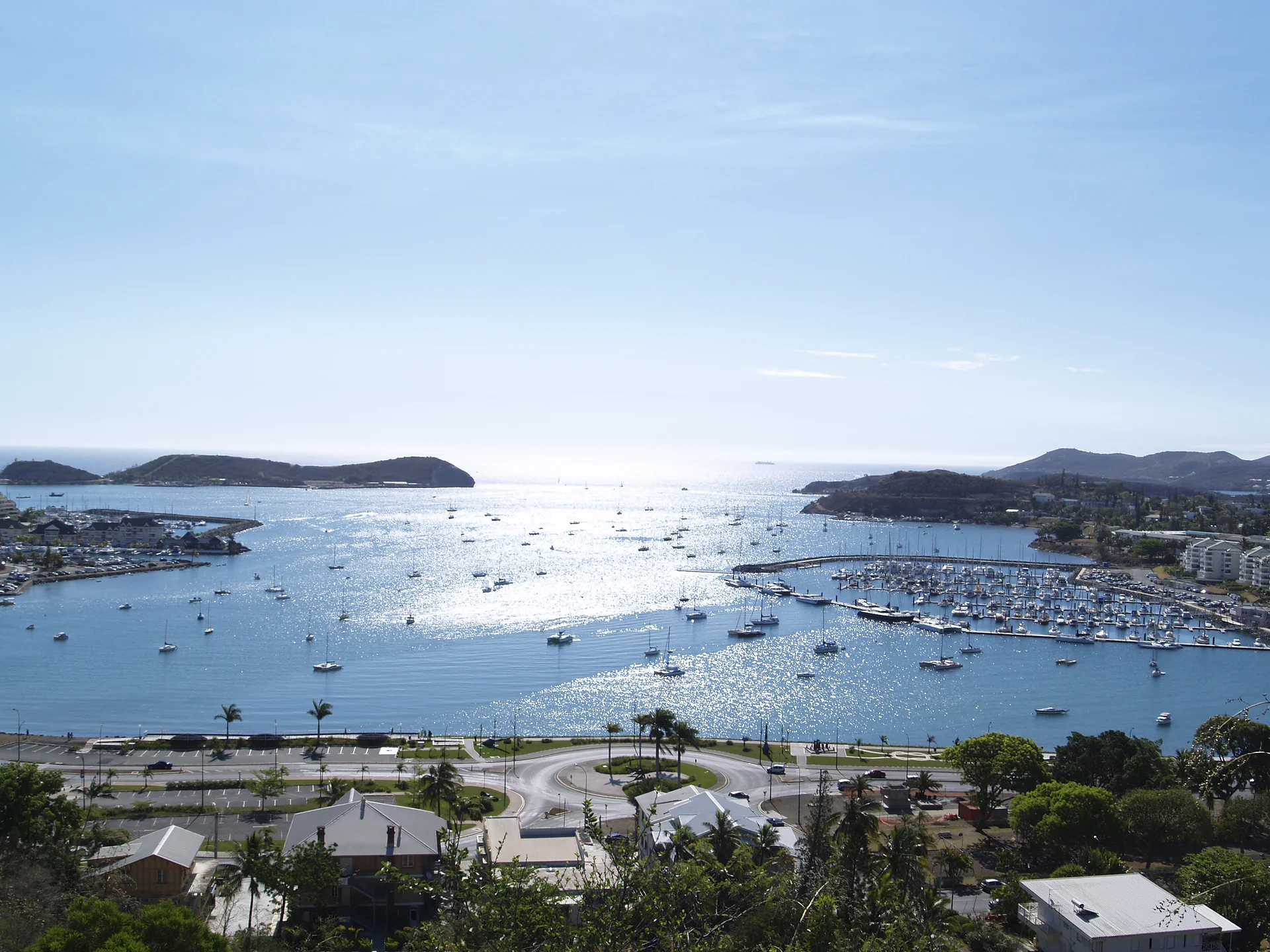
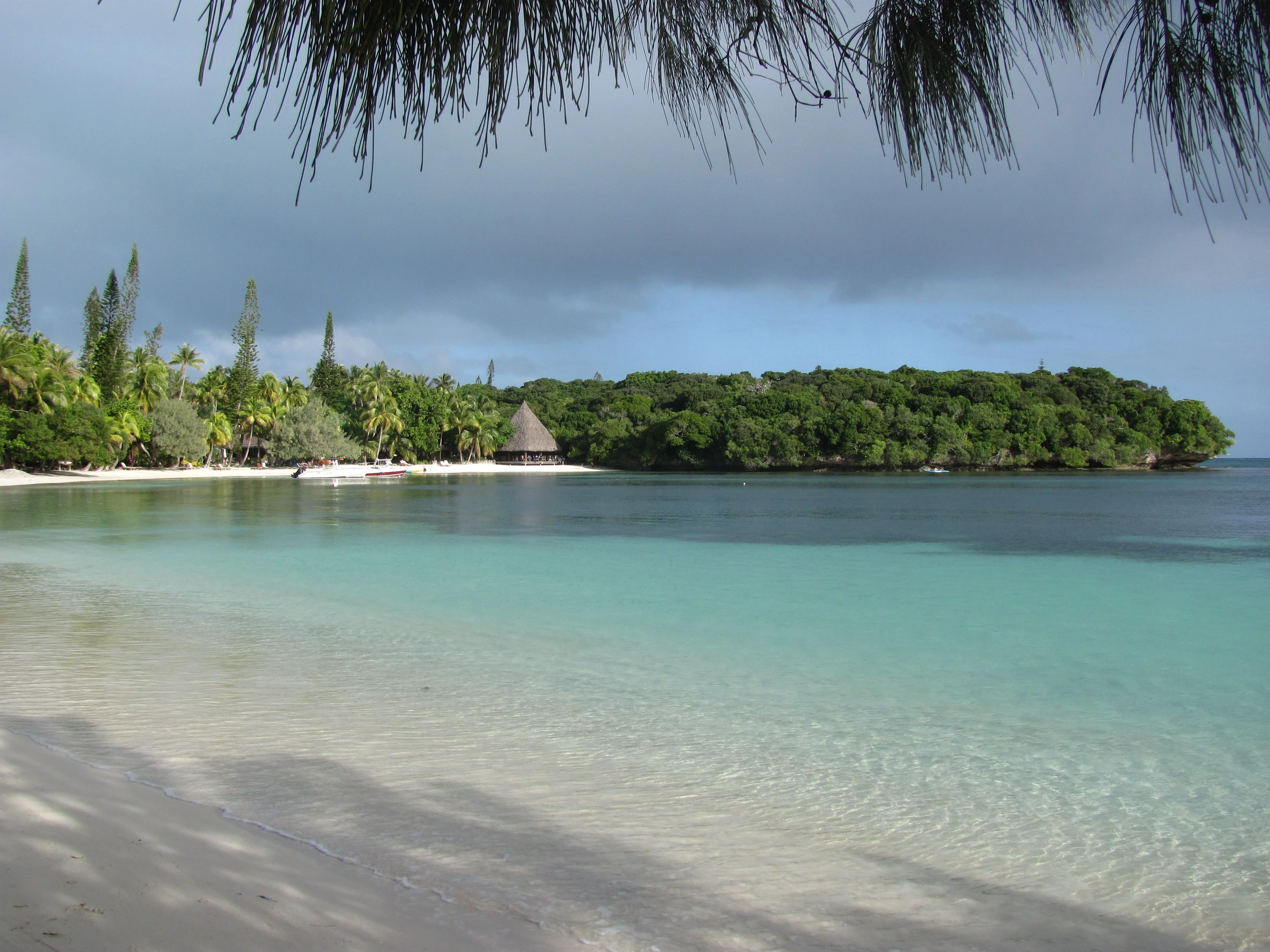
The Natural Swimming Pool on the Île des Pins is the most famous snorkeling spot: a crystal-clear basin flanked by slender columnar pines where tropical fish swim right past swimmers. In Nouméa, Canard Island is an easy water taxi ride away for 1,000 XPF round-trip. Serious divers should head for Poindimié on the east coast, known for sheer wall drops and dense marine life.
Friendly tip: From mid-July to mid-September, humpback whales come to calve in the Southern Lagoon. Excursions depart from Nouméa to watch them from a respectful distance.
Grande Terre: Landscapes That Keep Changing
The main island stretches 400 kilometres long with wildly shifting terrain. The west coast channels an Australian ranch vibe with dry plains and deer ranches. The east coast drops straight into dense tropical vegetation punctuated by waterfalls and Kanak tribal lands. The Far South features nickel-rich red earth that looks almost lunar, contrasting sharply with the bright blue lagoon below.
Blue River Provincial Park
This 9,000-hectare provincial park protects ancient kauri forests and native wildlife, including the flightless kagu bird, which is the island's mascot. You can rent mountain bikes or kayaks to explore the trails and the lake. The Kaori Camp offers outfitted tent lodging deep in the forest for a proper nature retreat.
The Heart of Voh from Above
In the north of Grande Terre, a natural mangrove formation shapes an almost perfect heart, made famous by photographer Yann Arthus-Bertrand. A microlight or helicopter flight from Koumac or Koné costs between $169 and $290* per person and leaves a lasting impression. The Lindéralique cliffs at Hienghène, where one rock formation looks remarkably like a brooding hen, are another must-see for dramatic geology fans.
The Outer Islands: The Pacific in Pure Form
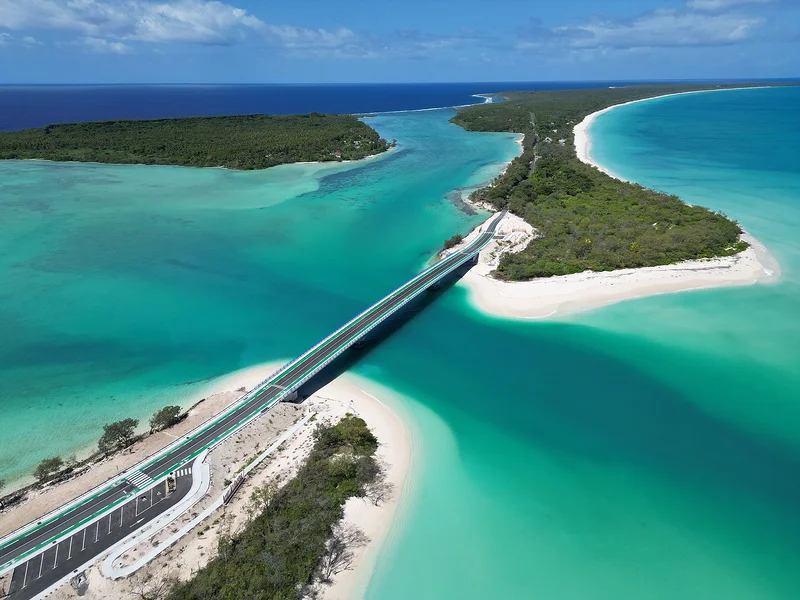
The Loyalty Islands and the Île des Pins embody the classic tropical paradise. Each has its own distinct personality. Ouvéa rolls out 25 kilometres of beach that stays nearly empty, paired with a lagoon so shallow you can wade out hundreds of metres in the clear water. Lifou produces the vanilla used by luxury perfume houses and hides cobalt-water caves. Maré charms visitors with its raw authenticity and steep cliffs plunging into the ocean.
Île des Pins: A Living Postcard
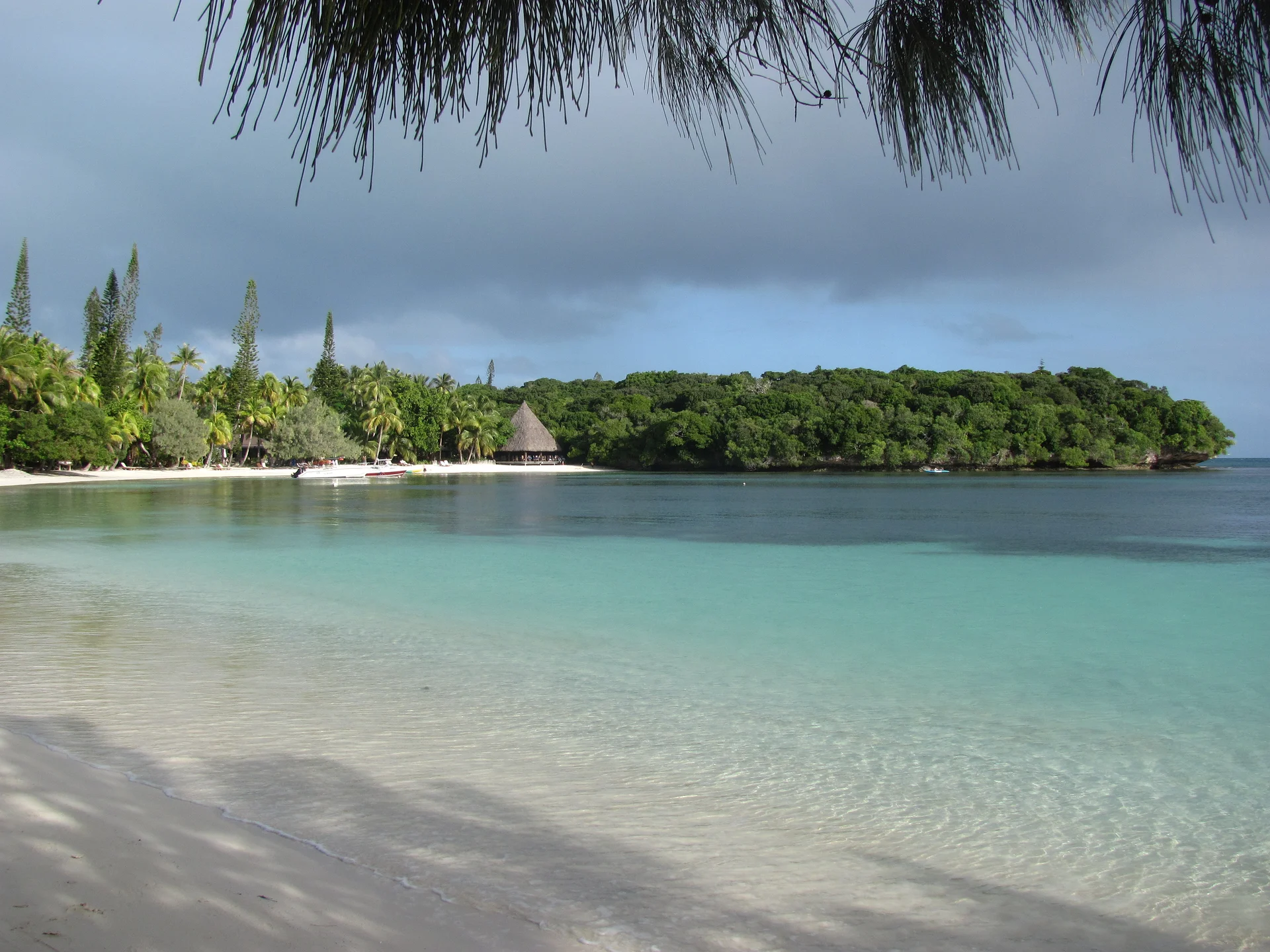
Dubbed "the island closest to paradise" by Japanese travelers who visit frequently, the Île des Pins packs in some of New Caledonia's most photographed beaches. The bays of Kuto and Kanumera deliver memorable sunsets. The Queen Hortense Cave tells the story of a great Kanak chief's daughter. You can get here via a 2h30 ferry ride from Nouméa or a 20-minute flight.
Friendly tip: On the outer islands, the "custom" protocol is mandatory before stepping foot on tribal land. Bring a bolt of fabric, some tobacco, or a 1,000 XPF note to present to the chief as a sign of respect.
Kanak Culture: An Essential Encounter
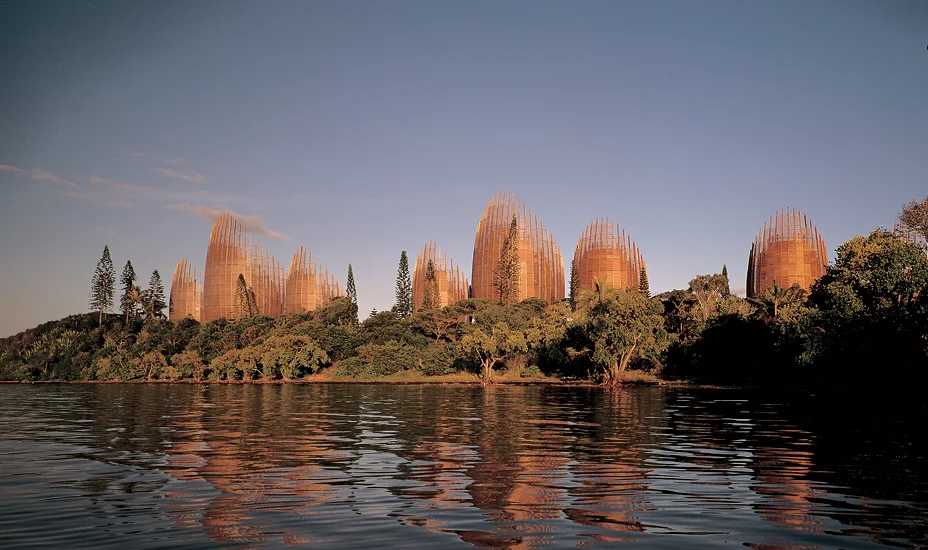
The Kanak people make up 40% of the population and preserve traditions that go back millennia. The Tjibaou Cultural Centre in Nouméa, an architectural masterpiece by Renzo Piano, explores the history and beliefs of this Melanesian culture. Its towering wooden and steel structures borrow their lines from traditional roundhouses. Plan for 3 hours to see the whole site, including the Kanak trail winding through the mangroves.
Out in the backcountry, several tribes welcome travelers to share a meal or an overnight stay. These visits let you try bougna, the iconic dish cooked inside banana leaves buried under hot stones. Recipes vary by family with chicken, fish, or lobster, served alongside yams, taro, and coconut milk.
New Caledonia on the Plate: Where France Meets Melanesia
Here you get croissants for breakfast and herb-crusted venison for dinner. Supermarkets in Nouméa overflow with French cheeses, wines, and charcuterie. Markets like Port Moselle overflow with tropical fruits, freshly caught fish, and root vegetables. Bougna remains the ultimate culinary experience, ideally shared in a tribal village where locals prepare it according to old traditions.
Nouméa restaurants serve high-end French cuisine, but the bills add up fast. Expect $29 to $45* for a main course at a decent spot. Seafood lovers can feast on lobster, coconut crabs, and lagoon fish, often grilled with curry or coconut sauce.
When to Visit New Caledonia
The best window runs from September to November and April to May. Temperatures hover between 22 and 28°C, rain is scarce, and crowds thin out. The southern summer from December to March brings heat and humidity, with cyclone risks in February and March. This high season lines up with local school breaks, driving up accommodation prices and reducing availability.
July and August draw visitors from mainland France, but the weather stays pleasant with temperatures near 20°C. It is also prime time for spotting humpback whales in the lagoon. The rainy season between February and June can turn certain dirt roads impassable and drop underwater visibility.
Getting to New Caledonia
No direct flights connect Paris to Nouméa. The trip takes between 24 and 28 hours with at least one stop. Main routing options go through Tokyo, Singapore, or Bangkok. Aircalin, the local carrier, operates flights in partnership with Air France, Singapore Airlines, or Japan Airlines. Expect $1,460 to $2,470* for a round-trip economy ticket, depending on the season and how early you book.
La Tontouta International Airport sits a 45-minute drive from Nouméa. Shuttles and taxis handle the transfer, though you should book ahead if your hotel doesn't include it. US and European citizens do not need a visa for stays under 90 days, but keep in mind that any layover in the United States requires an ESTA approval.
Getting Around New Caledonia
Renting a car is essential for exploring Grande Terre. Main roads are well-paved, but a 4WD comes in handy for the red dirt tracks of the Deep South or the east coast. Book several weeks ahead, especially during peak season, because rental fleets are limited. Driving is on the right, just like in mainland France. Avoid driving at night under any circumstances because animal crossings and accidents happen frequently.
To reach the outer islands, Air Calédonie runs daily flights out of Magenta Airport right in downtown Nouméa. Flights take 20 minutes to Île des Pins and 40 minutes to the Loyalty Islands. The Betico ferry provides a cheaper, slower alternative taking 2 hours and 30 minutes to Île des Pins and 4 to 5 hours to Lifou or Maré. Tickets are available online or at the Nouméa ferry terminal.