
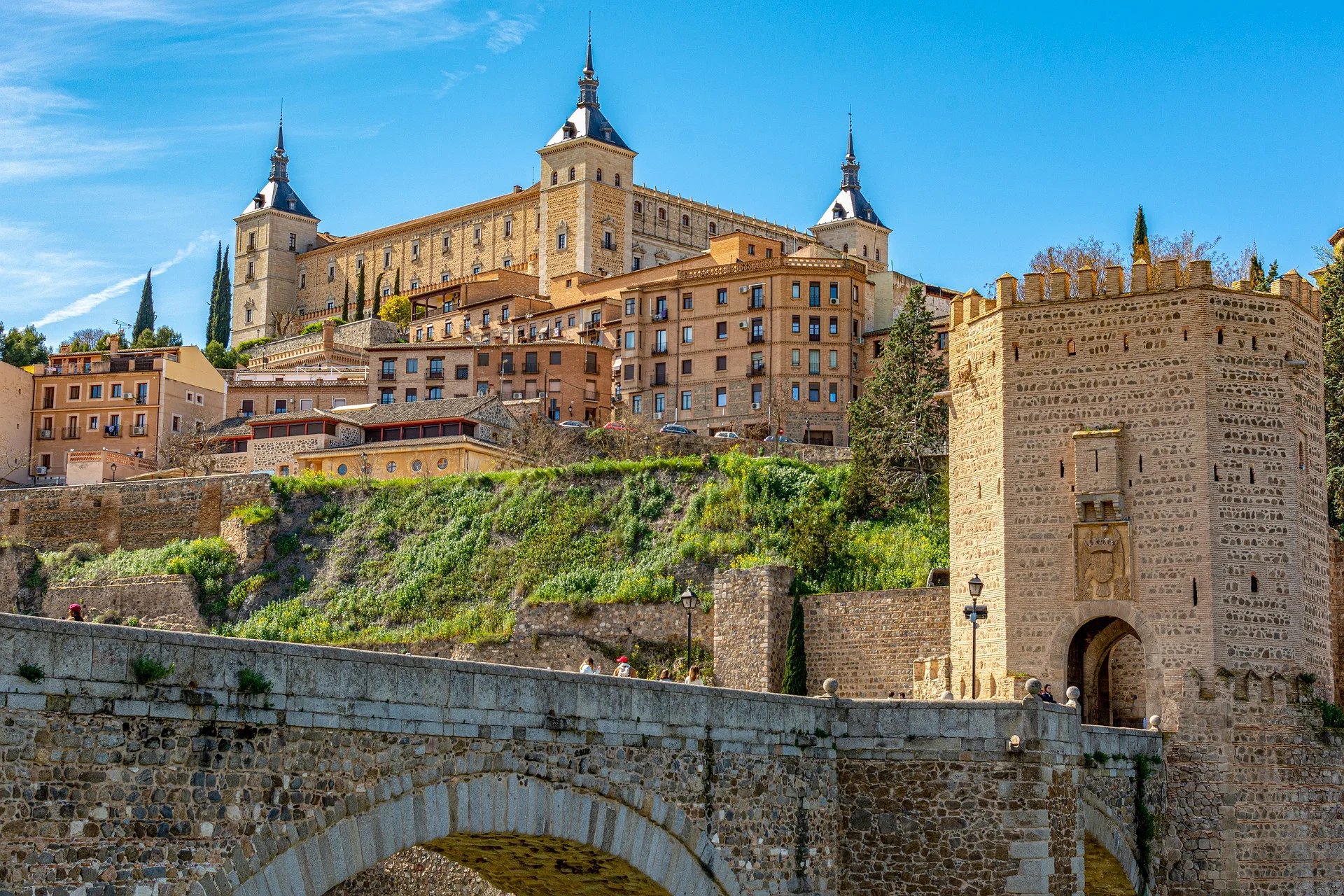
Toledo, where three cultures wrote history in gold
What happens when a medieval city perched on a hill seems to have weathered the centuries without ever really aging? You are in Toledo, one of those rare places where every cobblestone tells a chapter of European history. Here, Gothic bell towers rise just a few feet from Mudejar arches, synagogues whisper their ancient prayers, and the Tagus River winds below just as it has since antiquity.
Once an imperial capital before being sidelined in favor of Madrid, Toledo has lost none of its grandeur. On the contrary, this step back from the spotlight allowed it to keep its medieval labyrinth, artisan workshops, and that timeless atmosphere intact the moment you pass through its fortified gates. This Castilian beauty deserves much more than a day trip from Madrid, even if that is how most visitors arrive.
A city for history buffs and architecture lovers
If you are looking for beaches, mountain hikes, or dance clubs that stay open until dawn, look elsewhere. But if you are the type to get chills standing under a 13th-century vaulted ceiling, to intentionally get lost in narrow cobblestone alleys, and to marvel at the details of a baroque altarpiece, then welcome to paradise.
This destination will delight history and architecture enthusiasts, couples seeking a romantic getaway, and families who want to introduce their kids to European heritage. Photographers will find something worth shooting on every corner. However, visitors with reduced mobility will have to contend with steep inclines and narrow, rugged streets in the historic center, though mechanical escalators provide easier access from certain parking lots.
A reasonable budget for a premier destination
Excellent news: Toledo remains affordable compared to Madrid or Barcelona. Expect to spend between 60 and 90 euros (about $65-98) per day per person for a comfortable stay, including lodging and meals. Three-star hotels run about 50-80 euros (about $54-87) a night, traditional restaurants offer daily set menus for 12-18 euros (about $13-20), and admission to the cathedral costs 12.50 euros (about $14).
Monumental heritage: an open-air museum
You cannot talk about this city without mentioning its incredible architectural wealth. Christians, Muslims, and Jews shaped this city for centuries, creating a heritage of rare diversity. The Gothic Cathedral of Santa Maria, one of the most imposing in Spain, dominates the historic heart. Its construction lasted two centuries, which explains the mix of Gothic and Mudejar styles that make it unique. Inside, you will discover a collection of paintings by El Greco, Titian, and Velázquez in the sacristy.
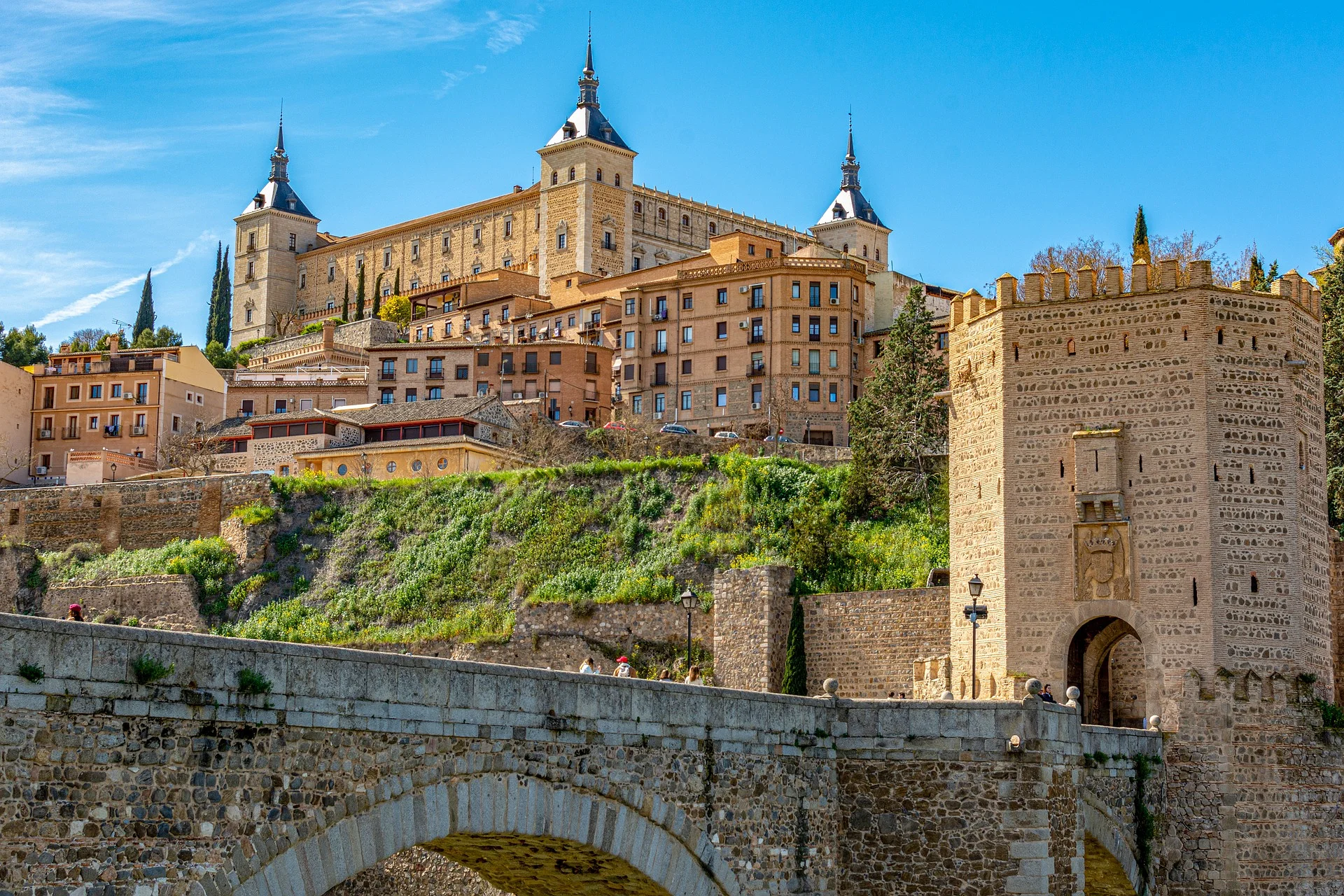
Right nearby, the Alcazar imposes its massive silhouette at the top of the city. This fortress, which served as a Roman palace and then a medieval citadel, now houses the Army Museum. Climb to the top for a breathtaking panoramic view of the Toledo rooftops and the bends of the Tagus River.
The small Cristo de la Luz mosque, a 10th-century building that became a church after the Reconquista, perfectly illustrates this coexistence of cultures. It is the oldest building in the city, and its horseshoe arches testify to the Hispano-Moresque art. The San Juan de los Reyes monastery, erected by the Catholic Monarchs, will captivate you with its flamboyant Gothic cloister and phantasmagorical gargoyles.
Pro tip: invest in the Toledo Card if you plan to visit multiple monuments. It includes transportation, entry to the main sites, and will save you from waiting in line.
The Jewish and Sephardic legacy: memory and emotion
The Jewish quarter holds two treasures: the Santa María la Blanca synagogue, the oldest in the city, converted into a church in the 15th century, and the Transit synagogue which houses the Sephardic Museum. The latter is well worth the detour for its extraordinarily preserved Mudejar stucco work and to understand the history of the Spanish Jewish community before the expulsion of 1492.
The narrow alleys of this neighborhood, with their whitewashed houses and secret patios, create a unique atmosphere. Stroll through them late in the day when the golden light plays on the facades and the tourist crowds thin out.
The painter of Toledo
It is impossible to visit this city without encountering the ghost of El Greco. The Cretan painter made it his adopted home and immortalized it in his canvases. His masterpiece, The Burial of the Count of Orgaz, adorns the Santo Tomé church and justifies the entry fee all on its own. The El Greco house-museum recreates the artist's world in a typical 16th-century home.
The Santa Cruz Museum, installed in a former Renaissance hospital, boldly blends ancient architecture with contemporary museum design. You will discover works by El Greco, archaeological pieces, and decorative art in a magnificent setting.
Pro tip: to avoid the crowd at Santo Tomé, arrive right at opening time at 10 AM. The church is small and fills up very quickly, especially in high season.
Local life and relaxation: taking a breather between visits
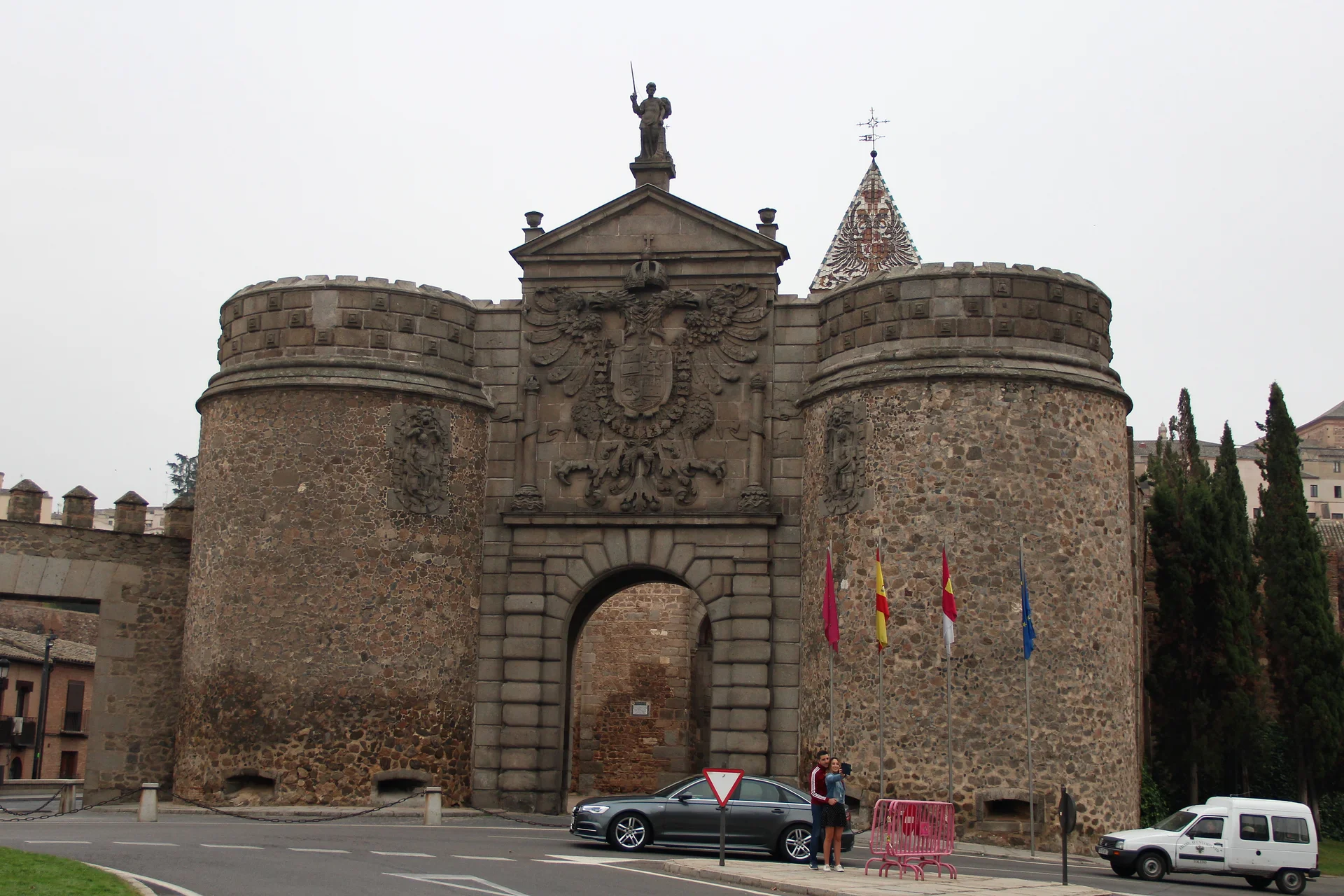
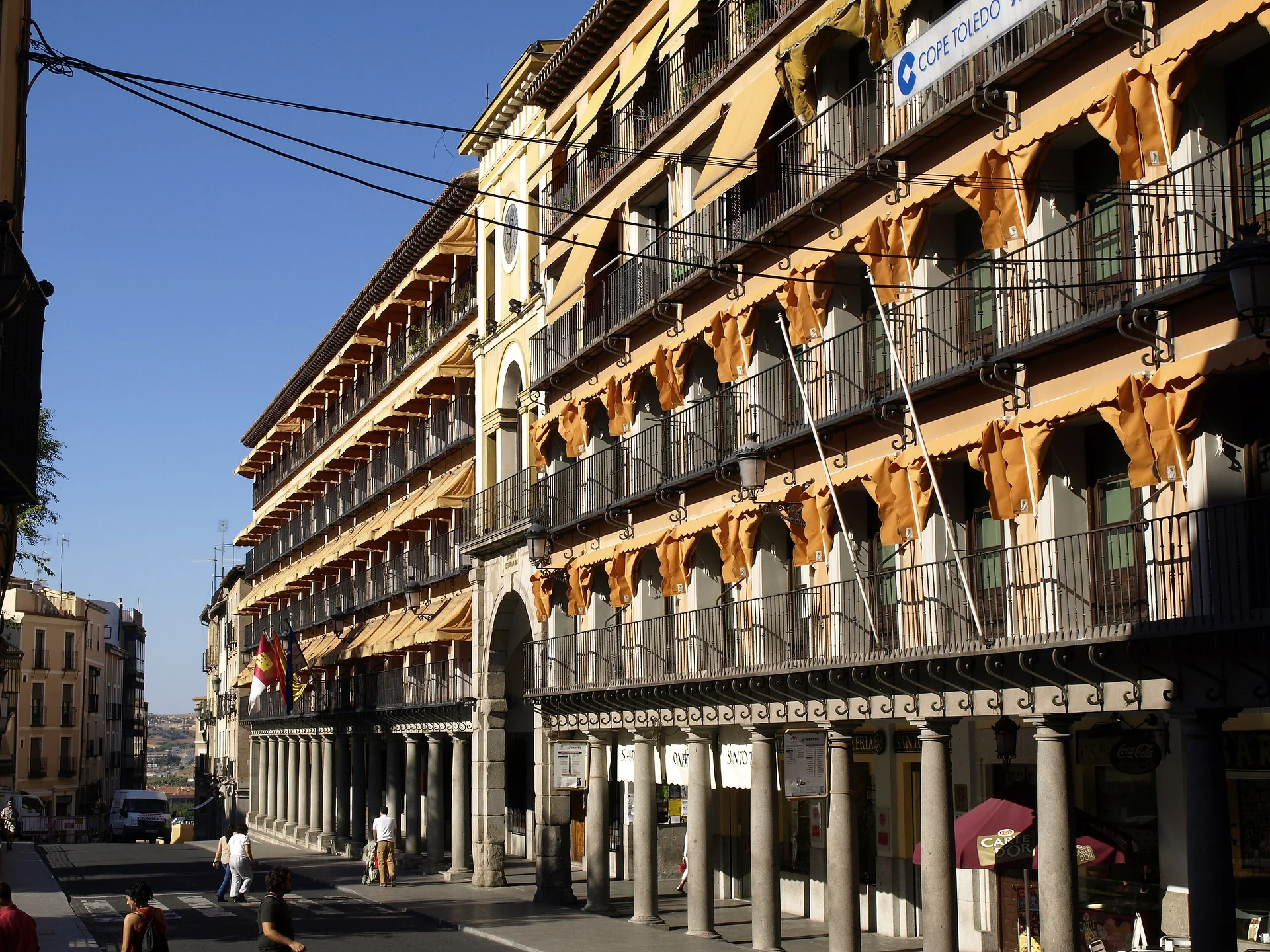
After all these cultural visits, head to the Plaza Zocodover, the beating heart of the city. This lively square is a hub of cafe terraces, souvenir shops, and constant activity. Most of the historic center's alleys start from here. Pass through the majestic Puerta del Sol, a 14th-century Mudejar gate, to enter the old town.
For a green break, head to the Jardines de la Vega or take the ecological path that runs along the Tagus between the San Martin bridge and the Alcántara bridge. This walk of about two hours offers spectacular views of the fortified city silhouetted against the sky.
In the evening, the Santa Teresa neighborhood comes alive for aperitifs. There are many authentic tapas bars here, and the prices remain reasonable. It is the ideal place to test local specialties in a relaxed atmosphere, far from the tourist traps of certain main arteries.
Pro tip: for the most spectacular sunset over Toledo, cross the Alcántara bridge and walk up to the Mirador del Valle. The view of the illuminated city is magical, especially in summer.
Excursions nearby: wine and windmills
If you have an extra day, head out to Consuegra (37 miles away), a village famous for its white windmills lined up on a ridge, which inspired Cervantes for Don Quixote. The medieval castle that overlooks them offers a stunning view of the Castilian plain.
Wine lovers can visit the vineyards of the Castilla-La Mancha region, notably the Martúe estate, a 40-minute drive away. These lands produce robust Tempranillo-based reds that pair perfectly with local game dishes.
Where to eat and drink in Toledo?
Toledan gastronomy is known for its rustic and generous character. The signature dish, carcamusas, is a pork stew simmered with peas, tomatoes, and a splash of white wine, served piping hot in a small clay pot. Bar Ludeña has made it their specialty for decades, and the place is always packed with locals, which is a good sign.
Another regional specialty is perdiz a la toledana, partridge confit with vinegar and herbs, and migas, breadcrumbs fried with garlic and chorizo, a shepherd's dish turned local classic. Game (deer, boar, roe deer) features prominently on menus, reflecting the region's hunting territory.
On the sweet side, Toledo is famous for its mazapán (marzipan), a confection of almonds and sugar shaped into a thousand forms. The Santo Tomé pastry shop, near the church of the same name, has been producing it since 1856 according to ancestral recipes. Some convents also carry on this tradition and sell their creations through a discreet rotating wooden turnstile. Manchego cheese, aged to varying degrees, is enjoyed as tapas or accompanies traditional dishes.
For quality tapas at low prices, explore Calle Alfileritos or Calle Sillería, which are less touristy than the areas around the cathedral.
Where to sleep in Toledo and nearby?
The ideal is to stay in the historic center (Casco Histórico) to enjoy the city's unique atmosphere at nightfall, when the day-trippers from Madrid have left. You will have the privilege of getting lost in alleys lit by old streetlamps, feeling almost alone. Hotels are numerous, often installed in renovated historic mansions.
Expect to pay between 50 and 80 euros (about $54-87) for a comfortable three-star hotel, and around 100-120 euros (about $109-130) for a four-star. The Parador de Toledo, perched on a hill with a panoramic view of the city, offers a luxury experience for 150-200 euros (about $163-217) a night. For small budgets, a few youth hostels and modest guesthouses run around 25-40 euros (about $27-43) per person.
If the historic center is full or exceeds your budget, the La Vega neighborhood, below the ramparts, offers more affordable options while remaining within a reasonable walking distance.
How to get to and around Toledo?
From Madrid, only 43 miles away, the AVE (high-speed train) drops you off in exactly 33 minutes at the Toledo station for 13-20 euros (about $14-22) depending on the time. Alsa buses also connect the two cities in an hour for 5-7 euros (about $5-8), an economical option if you are not in a hurry. Several parking lots surround the historic center for those arriving by car: Safont or Parking Paseo de la Rosa are well located.
Once you are there, forget the car. Toledo is best explored on foot, even if the hills can be steep. Mechanical escalators (near the Puerta del Sol in particular) facilitate access to the upper parts from certain parking areas. A small tourist train makes the rounds of the main monuments for those who want to save their energy, and about twenty city bus lines serve the entire city.
When to go?
The ideal times are from April to June and from September to November. Temperatures hover between 59 and 77°F, perfect for walking the alleys without suffocating. Spring sees the patios and gardens bloom, while autumn dresses the surrounding countryside in ocher and golden tones.
July and August can be scorching (up to 100-104°F), and the heat reflected by the ancient stones makes sightseeing grueling. Winter remains mild (rarely below 41°F) but rainier, especially in November and December. The Corpus Christi celebration, nine weeks after Easter, transforms the city into a fairy-tale scene of flower carpets and processions. It is magical, but crowded: book long in advance if you are aiming for this period.
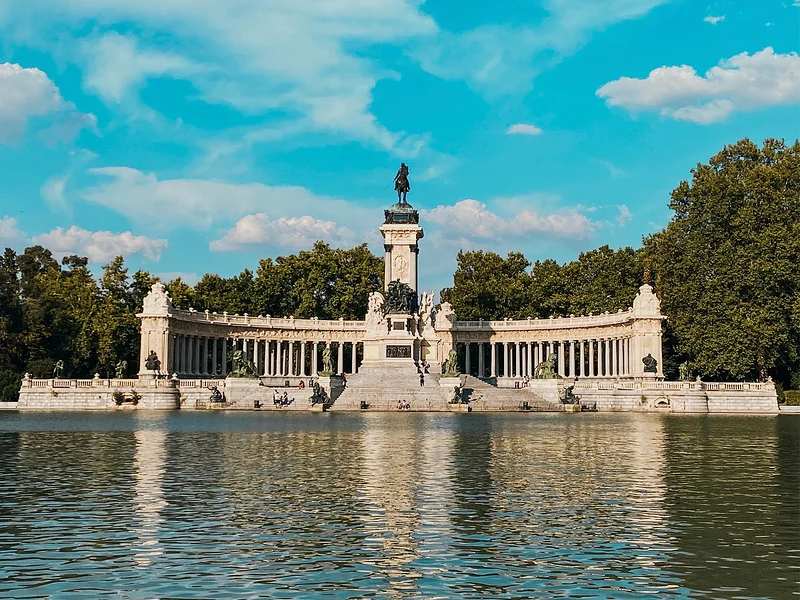
Close to Madrid, Toledo is a very beautiful historic city that is worth the trip. I recommend spending at least two to three days there to see all of its major sites. In the area around Toledo, you can also visit the famous Don Quixote windmills, a superb excursion that I recommend.