
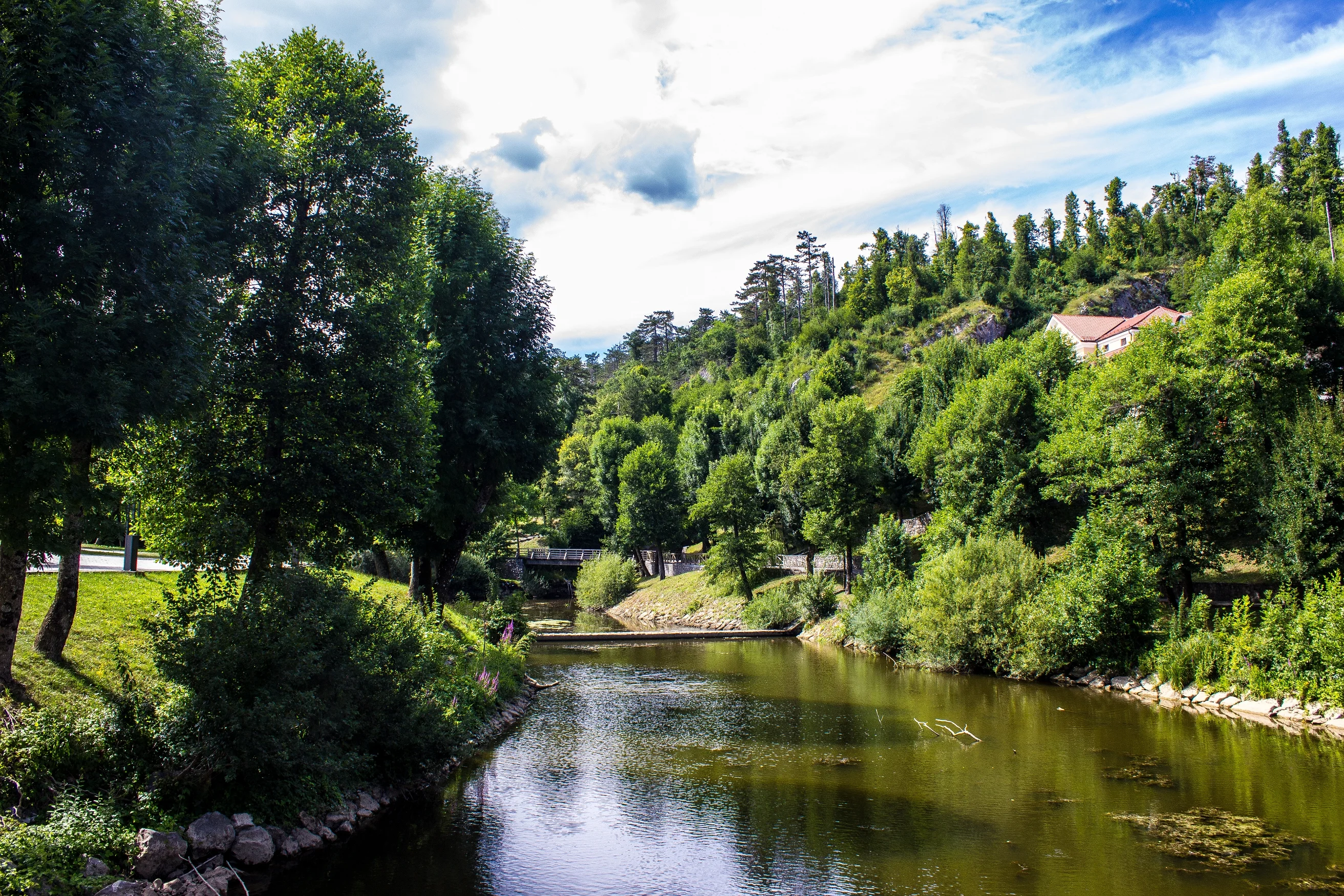
Postojna, the small Slovenian town hiding a world beneath its feet
Electric light arrived here in 1883, two years before it reached London. It did not light up the streets, but rather a cavern 120 meters underground that tourists had already been visiting for over sixty years. That anecdote perfectly captures Postojna: a modest town of 10,000 people, perched on a karst plateau, which owes its global fame to what lies beneath the surface.
Postojna: a stopover, not a destination
Let us be clear. The town itself does not warrant more than half a day. Its center consists of a square, a baroque church, and a few cafes where locals play cards in the afternoon. However, no one comes here for the village square. The caves and the Predjama Castle draw over a million visitors each year, making this the number one attraction in Slovenia.
This place is ideal for families with children, geology enthusiasts, and anyone looking to break up the routine of a trip through Slovenia. On the other hand, travelers seeking picturesque charm or a nightlife scene will be disappointed. Postojna functions as an efficient base camp, and nothing more.
A budget to anticipate
Cave ticket prices are high for the region. Expect to pay 33 € (about $36) for the cave alone, 47 € (about $51) for the combined ticket with Predjama Castle, plus a 6 € (about $6.50) parking fee. A night in a decent hotel costs between 60 € and 100 € (about $65 to $110), and a restaurant meal runs 15 € to 25 € (about $16 to $27). A typical daily budget for two people is 150 € to 200 € (about $163 to $217).
Underground: the Postojna Caves
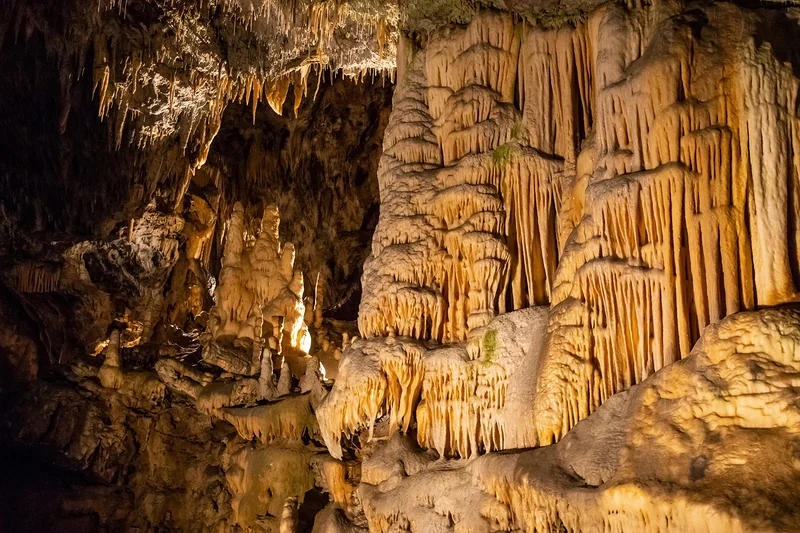
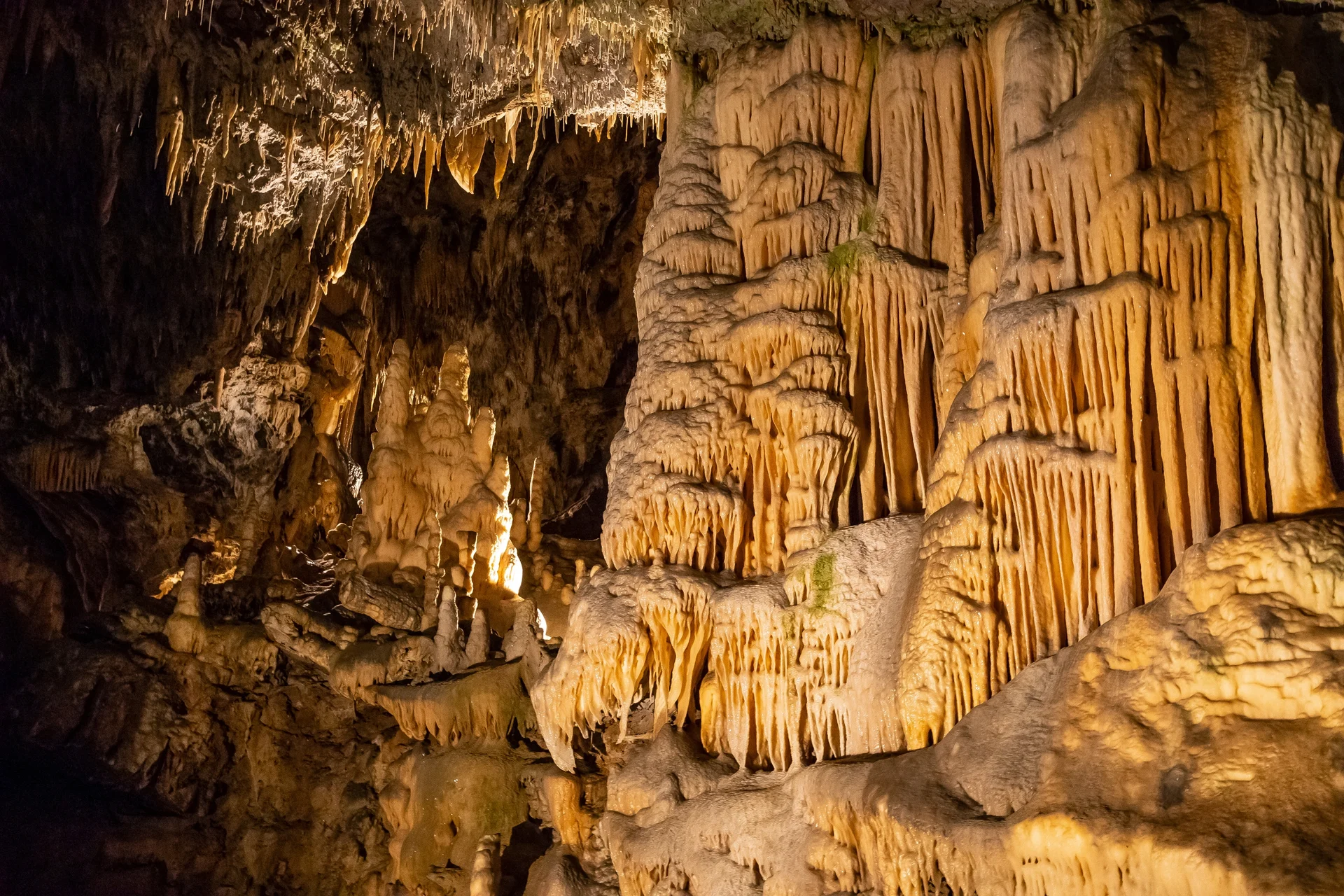
The underground network stretches for 24 kilometers. The guided tour covers five of them, including 3.7 km traveled by a small electric train. This railway line, inaugurated in 1872, was the first in the world to operate underground. The ride in open-air cars through giant stalactites remains the highlight.
The hour-long walk that follows crosses the Concert Hall, which can accommodate 10,000 people, then stops in front of the Brilliant, a five-meter white stalagmite that has become the symbol of the site. The ambient humidity reaches 95% and the temperature remains locked at 10°C (50°F) all year round. Bring a jacket, even in the middle of summer.
Local tip: Book the first tour of the morning to avoid tour groups. In high season, lines at the entrance can exceed an hour.
Clinging to the cliff: Predjama Castle
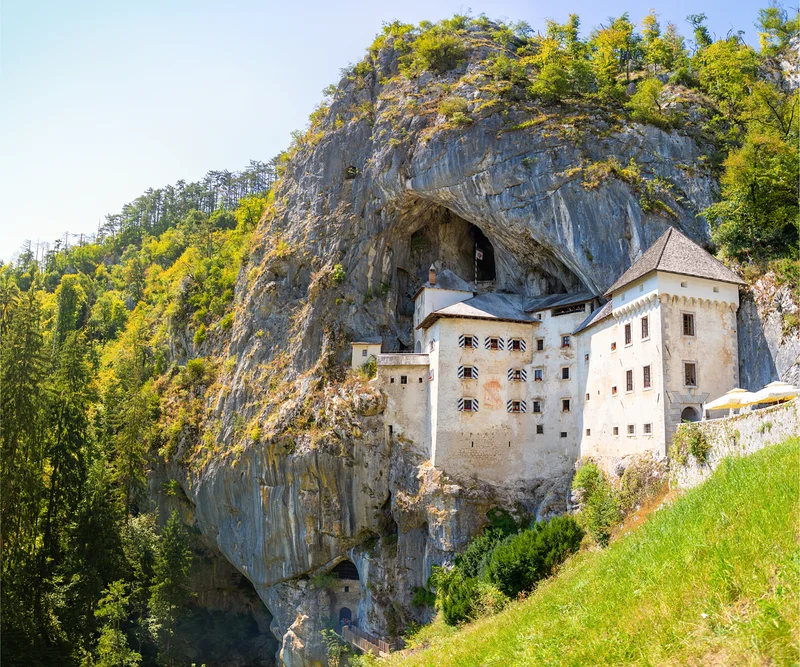
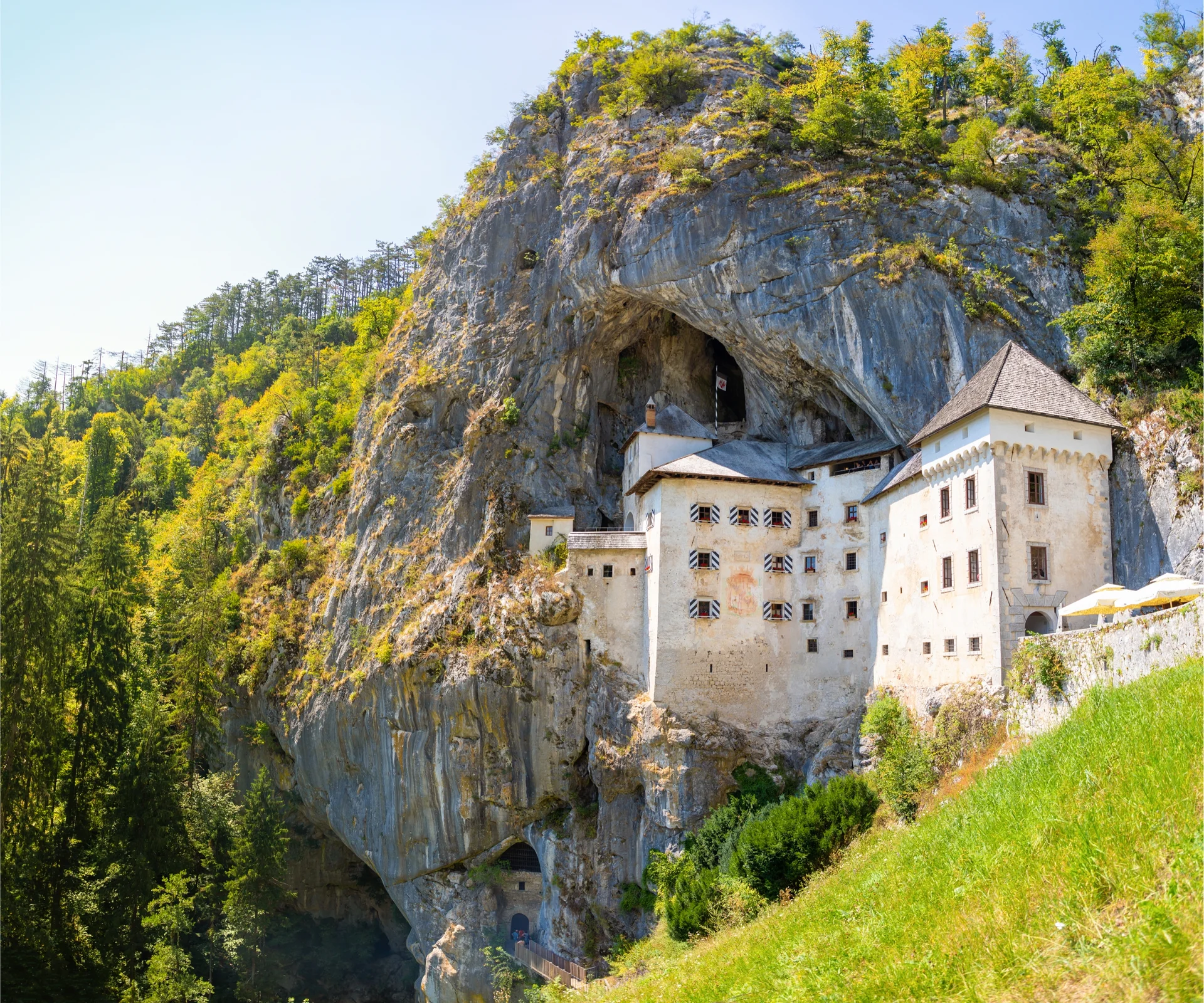
Nine kilometers from the caves, a white fortress emerges from a 123-meter rock face. Guinness World Records has recognized it as the largest cave castle in the world. Built in the 13th century, it owes its fame to the robber knight Erazem Lueger, who withstood a year-long imperial siege there thanks to a secret tunnel connecting the castle to the valley.
The interior displays an armory, a chapel, and a torture chamber. A free smartphone audio guide tells the history in English. Plan for an hour for the visit. The cave beneath the castle, the second longest in Slovenia, is only open from June to August to avoid disturbing the bats.
The surroundings: off the beaten path
12 km to the north, the Planina Cave is the largest water cave in the country. Less developed than Postojna, it offers a wilder experience. The Pivka Military History Park, housed in former barracks, displays tanks, aircraft, and submarines from World War II. Finally, the ruins of the Haasberg Castle, baroque and romantic, are worth a detour for photography enthusiasts.
The Škocjan Caves, a UNESCO World Heritage site, are located 30 km away. Less touristy and more spectacular in their dimensions, they perfectly complement a visit to the karst region.
Where to eat and drink in Postojna?
The culinary scene is modest but solid. Restaurant and Pizzeria Minutka, in the center of town, serves parmigiana and gnocchi that are worth the stop. Locals also recommend Gostilna Ob Kaminu, located by a lake in a spruce forest, for traditional Slovenian cuisine.
Specialties to try include jota, a bean and sauerkraut stew typical of the karst region, and štruklji, rolls filled with walnuts or cottage cheese. Proteus, a restaurant in the city center, offers a selection of local wines from five Slovenian regions.
Where to stay in and around Postojna?
The Hotel Jama, entirely renovated in 2016, is located 100 meters from the cave entrance. It is ideal for those who want to be first in line in the morning. The Hotel Kras offers views of the Nanos plateau and better value for money. For smaller budgets, Postojna Cave Rooms & Apartments Proteus offer functional apartments a ten-minute walk from the caves.
The Camping Pivka Jama, located near the entrance to another cave, accommodates tents and camper vans with all necessary services. This is an economical option for travelers in vans.
How to get to and around Postojna?
From Ljubljana, allow 45 minutes by car via the A1 motorway, exit 41. A vignette is mandatory: 16 € (about $17) for 7 days. The train connects Ljubljana to Postojna in one hour for 6 € (about $7), but the station is 2 km from the caves. The bus is more convenient as it stops directly in front of the park entrance.
From Trieste in Italy, the trip takes 40 minutes. From Koper on the Slovenian coast, also allow 40 minutes. A shuttle connects the caves to Predjama Castle in high season for 2 € (about $2.20) round trip. Off-season, a taxi costs about 15 € (about $16).
When to go?
Spring and autumn offer the best compromise: fewer crowds at the caves and pleasant temperatures on the surface. July and August draw the crowds, with tours every hour and significant lines. Winter is still a viable time since the caves maintain the same temperature all year round, but Predjama Castle closes earlier and the underlying cave remains inaccessible.
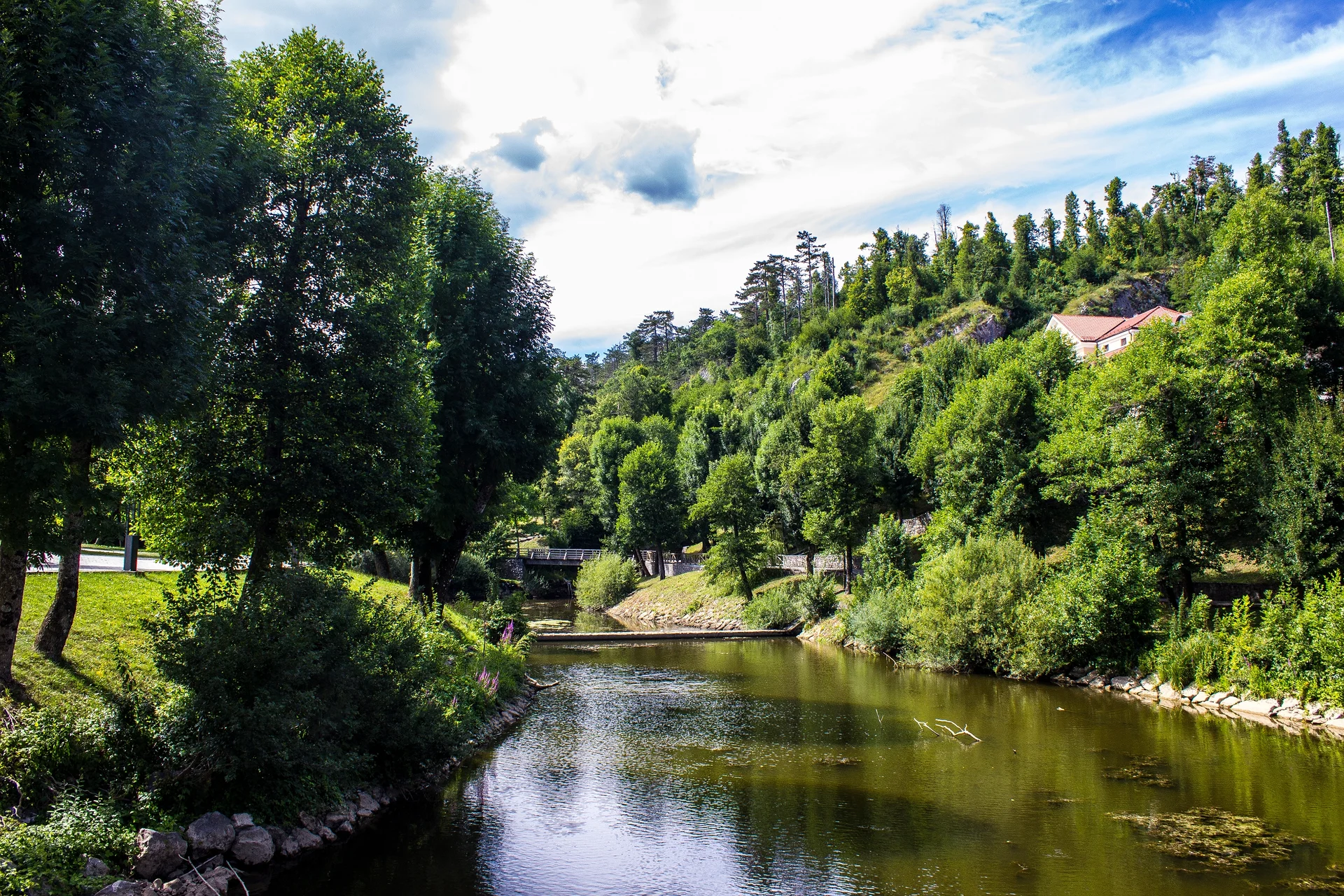
Postojna is a pleasant town, but what makes it really interesting are the activities you can do nearby. I recommend starting with a visit to the caves, which is a super experience, and part of it is done on a little train. Also, do not miss the castle close by that looks like it is coming straight out of the rock.