
Visiting Bratislava
As the capital of Slovakia, Bratislava is a city shaped by layers of history. Dating back to antiquity, it served as a vital urban hub along the Amber Road, a trading route connecting the Baltic Sea to Italy. Later a major center of Great Moravia and a coveted prize for regional powers, the city eventually fell to the Habsburgs, who made it the capital of the Kingdom of Hungary in the 16th century. Between 1563 and 1830, dozens of Hungarian kings were crowned inside St. Martin's Cathedral. At the time, only 15% of the residents in Pressburg, the former name of Bratislava, were Slovak, with German and Hungarian populations making up the majority.
A Crossroads of Cultures
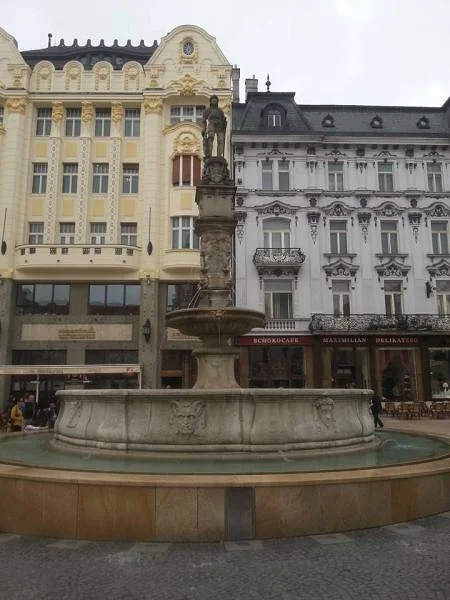
Following World War II, the incorporation of Czechoslovakia into the Soviet Eastern Bloc shaped the city into what it is today: a curious mix of a medieval historic core surrounded by towering structures reflecting the communist architecture of that era. To dive into the city's past, head to rue de la porte Michel, known locally as Michalská ulica. Lined with shops and eateries, this colorful street features the last remaining trace of the medieval town walls, the Michael's Gate, a 51-meter tower dating from the 14th century. Next, make your way to the heart of Bratislava at the old town square, Hlavné námestie, which brings together fine Art Nouveau buildings and the municipal museum.
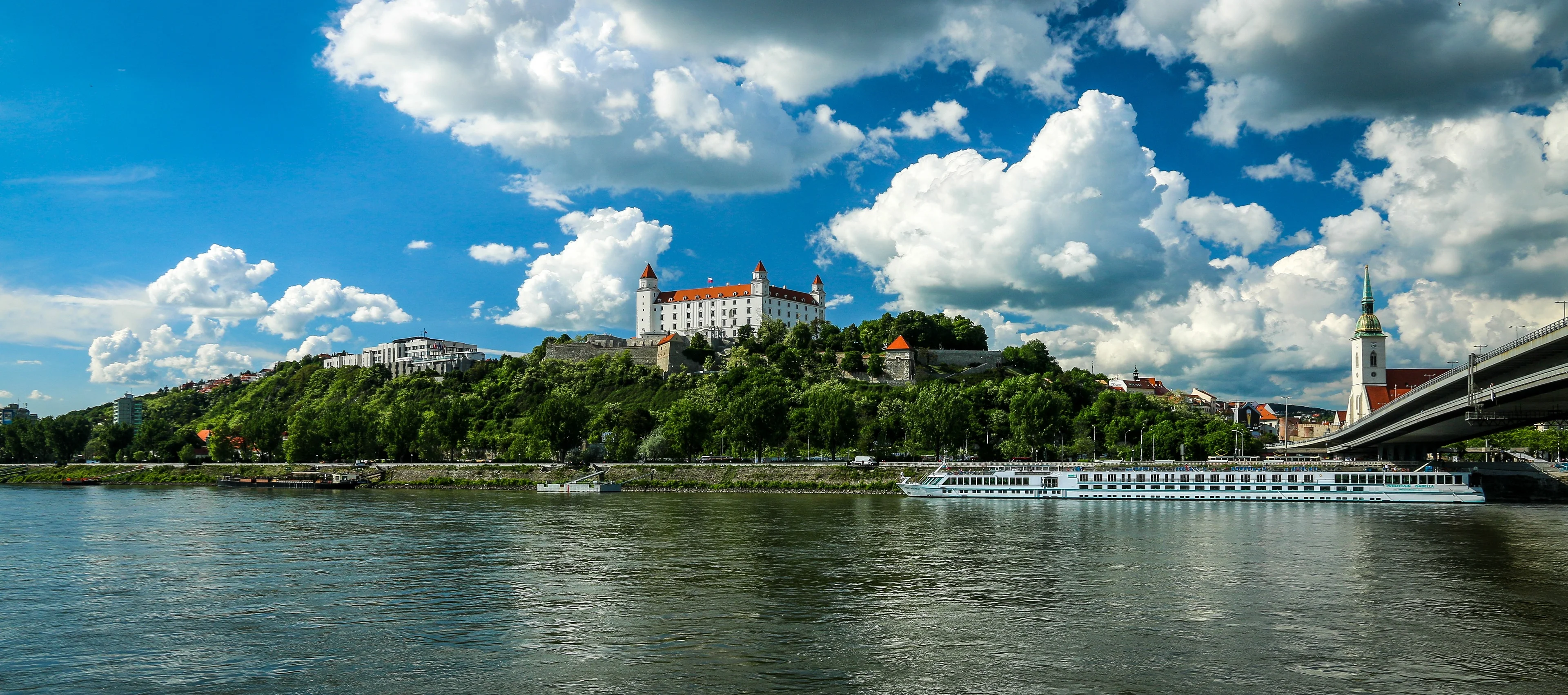
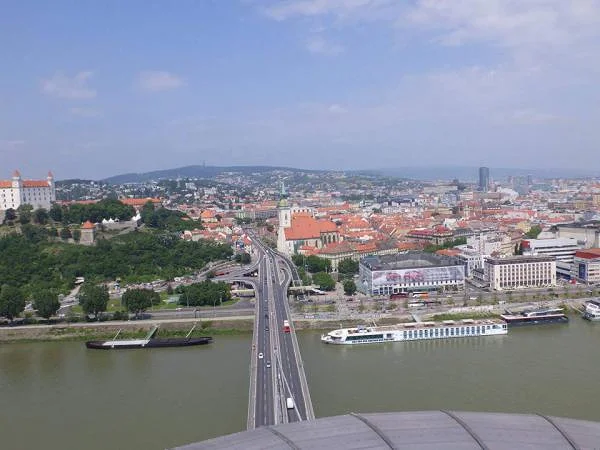
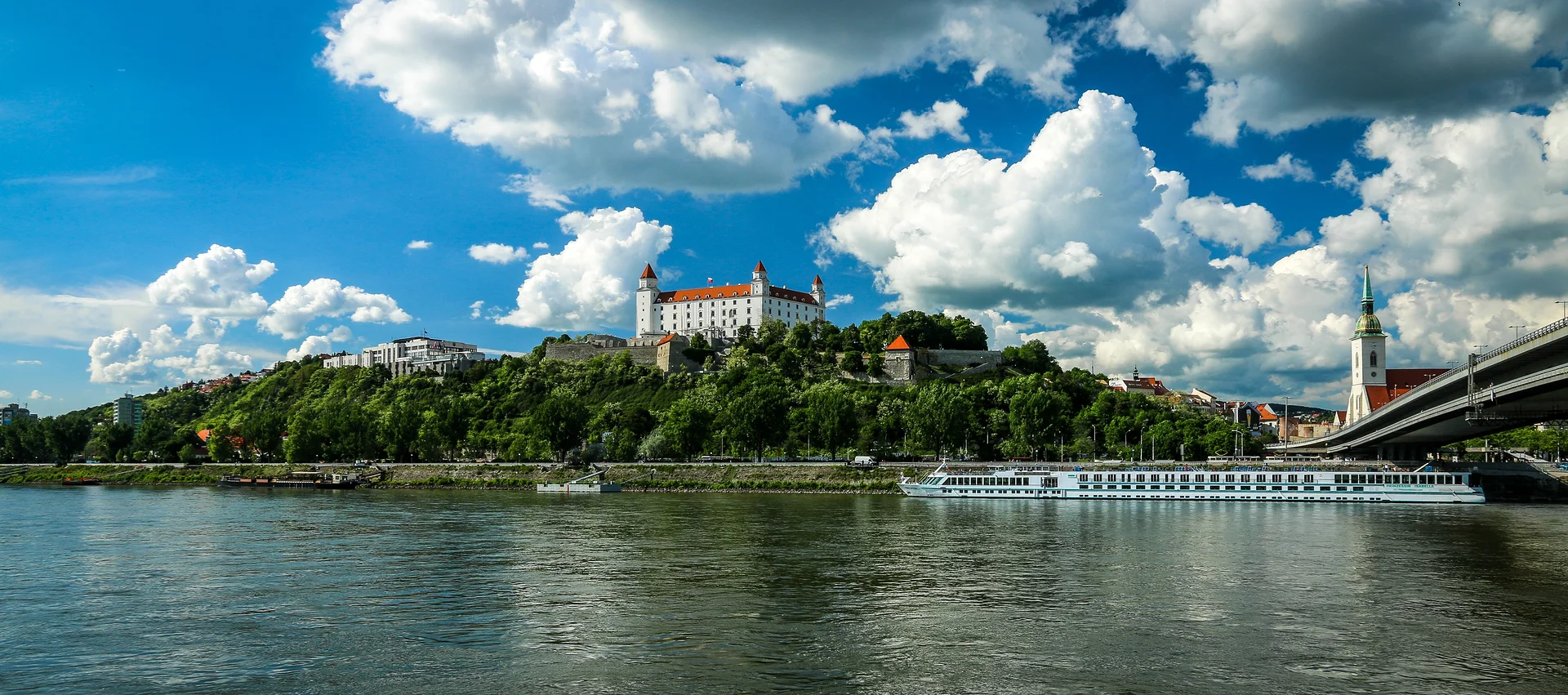
Nearby, you simply cannot miss the Bratislava Castle. Perched on a hill overlooking the Danube, it offers sweeping views of the old town below. Today, the building houses the Slovak National Museum and the Museum of Ancient Musical Instruments. The city has also preserved other prominent baroque palaces, including the Grassalkovich Palace, now the official residence of the Slovak president, the Primate's Palace, where the Peace of Pressburg was signed in 1805 in the aftermath of Austerlitz, and the Mirbach Palace.
A City of Curiosities
Bratislava hides plenty of surprises for those who look closely. The striking Blue Church, or St. Elizabeth's Church, dazzles visitors with its pastel-toned ornamentation. Keep an eye out for the whimsical bronze statues scattered across the downtown area. Another standout feature, impossible to miss, sits atop the pylon of the New Bridge, which connects the center to the Petržalka neighborhood, a massive flying saucer structure that houses a restaurant.
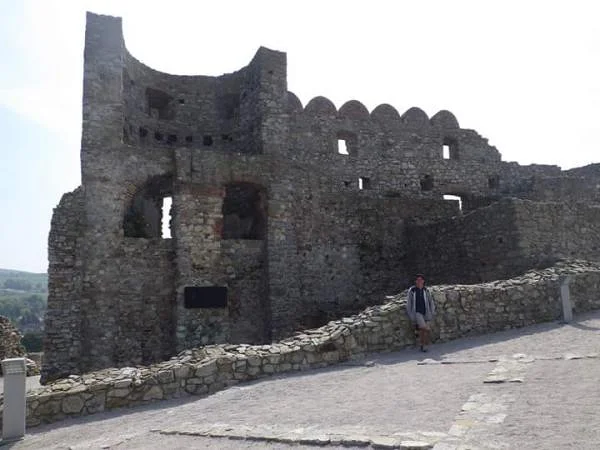
About 10 km from the capital's center, you can explore the ruins of Devín Castle, perched above the confluence of the Morava River and the Danube. This ancient fortress once marked the northern frontier of the Roman Empire.
When to Go
The Slovak capital enjoys pleasant weather from May through September. Unless, of course, you prefer seeing it blanketed in snow during December, January, or February.
How to Get There
Flying is the most direct option, with airlines like Transavia and Ryanair serving the Slovak capital. You can also easily add Bratislava as a side trip from Vienna, as regular train lines run between the two capitals in barely an hour.
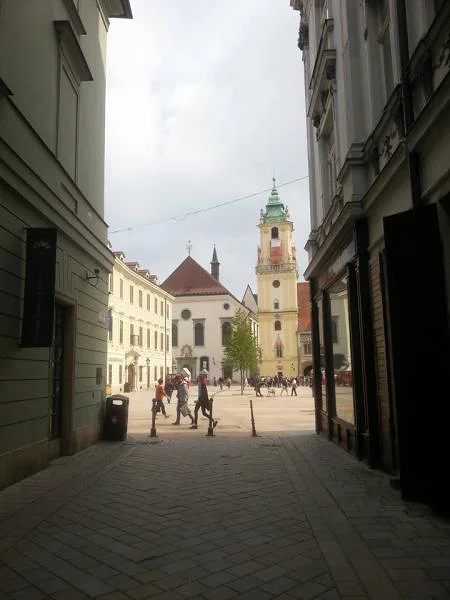
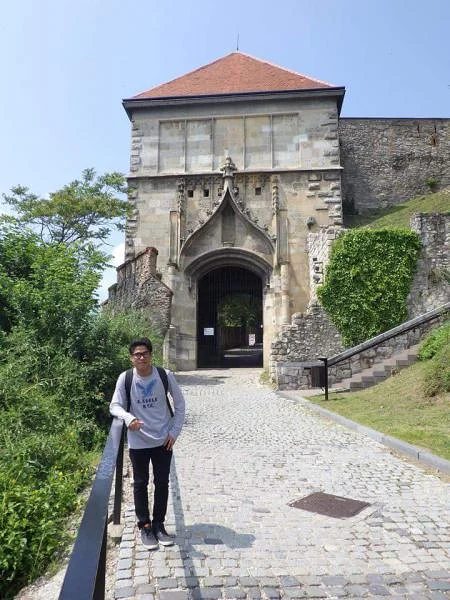
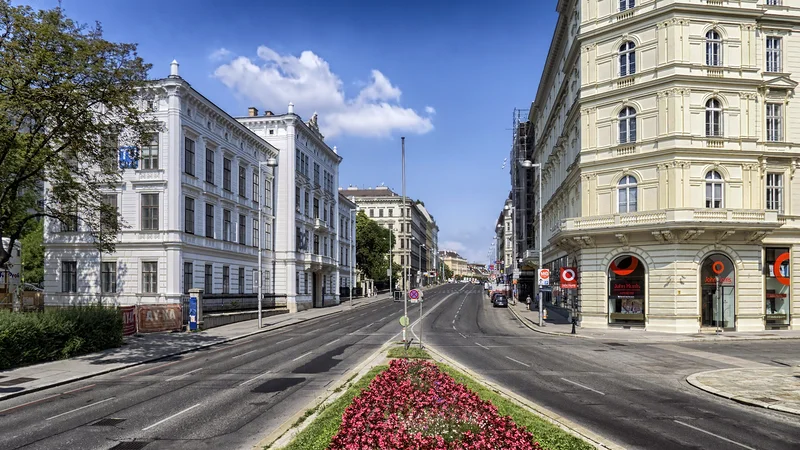
While passing through Slovakia, I took the opportunity to visit its capital, Bratislava. Not much of interest, a city with a very quiet vibe, perhaps because it was November. Nothing extraordinary, a very large square and a few nice side streets, one day is plenty to see it all. Just like in Hungary, life is really not expensive in this city that is pretty enough, but nothing more.