Slovakia, from pocket Alps to the land of forgotten castles
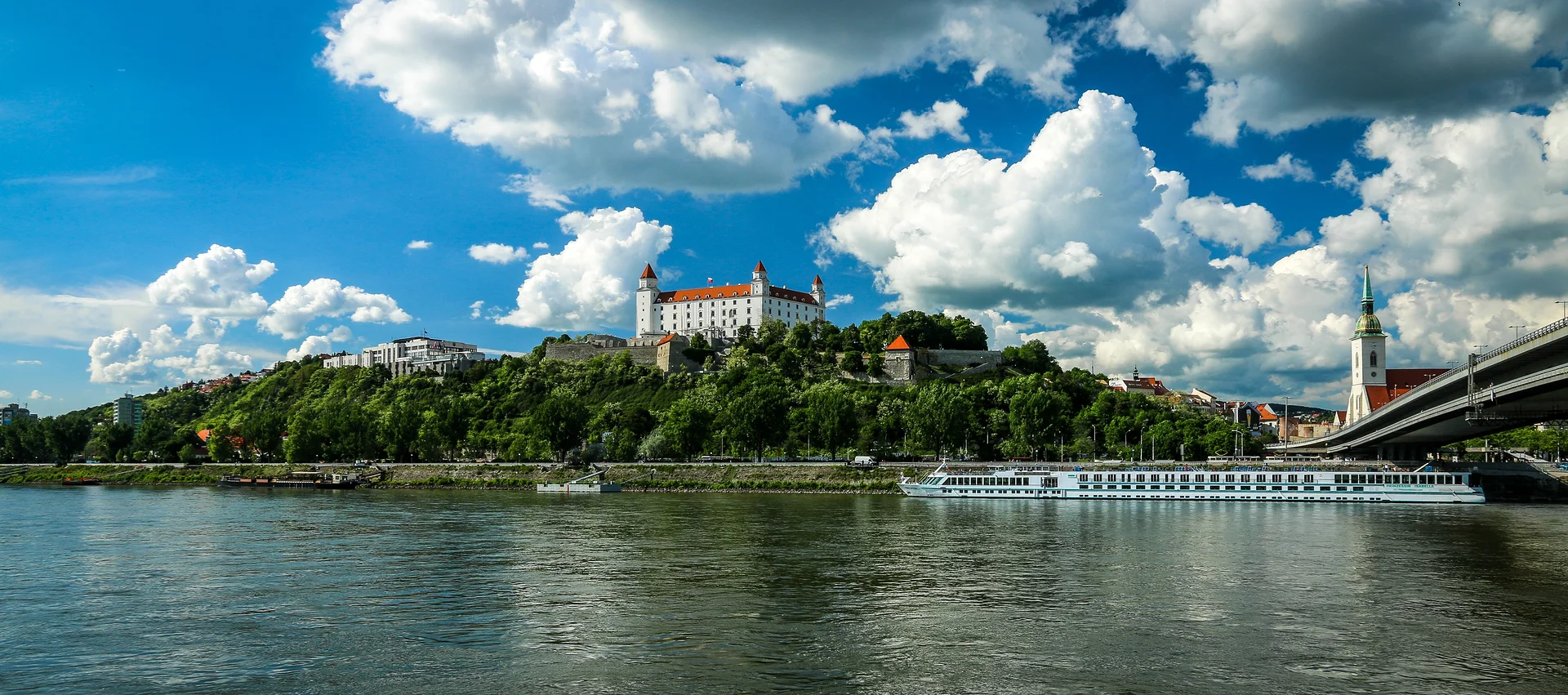
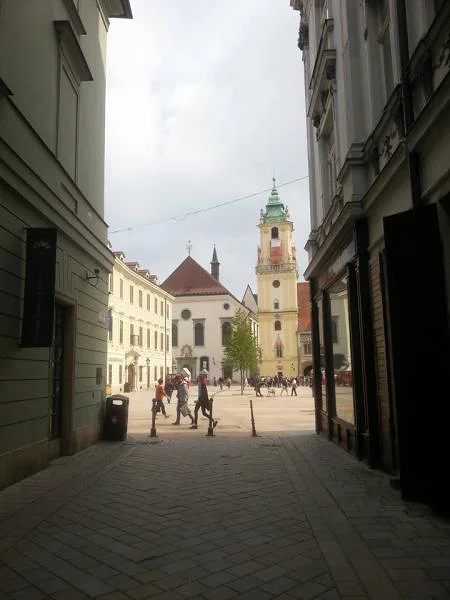
Bratislava sits just an hour away from Vienna, yet most travelers walk right past it. That close proximity to Austria captures the Slovak paradox: a country of alpine peaks, medieval fortresses, and dramatic gorges tucked quietly between neighbors that hog all the spotlight. While the crowds overwhelm Prague or Budapest, Slovakia stays refreshingly peaceful.
A destination for hikers and lovers of forgotten Europe
This compact country of 49,000 sq km fits outdoor enthusiasts, medieval history buffs, and anyone hunting for budget-friendly Central Europe. The High Tatras feature summits rising past 2,600 meters, accessible without technical mountaineering gear. More than 180 castles dot the landscape, some left as romantic ruins, others restored to fairytale condition.
On the flip side, if you are looking for ocean beaches, buzzing megacities, or light dining, Slovakia might leave you underwhelmed. The local food is hearty, the cities remain modest, and English can be scarce in rural pockets. The country truly rewards travelers who take the time to venture beyond the capital.
A very gentle budget for Europe
Plan on spending $34 to $57* a day for a comfortable trip covering a guesthouse stay, restaurant meals, and transit. Hostels drop down to $17-$23* a night, a midday lunch menu runs between $5.70 and $9*, and a local beer rarely tops $2.30*. Skiing and thermal baths are the main expenses that will add up.
The Tatras, high altitude in a concentrated package
The High Tatras live up to their nickname as the world's smallest high mountain range. Packed into just 26 kilometers of length, you get ten peaks over 2,600 meters, turquoise glacial lakes, and protected wildlife including brown bears, lynx, and chamois. The country's highest point, Gerlachovský štít, hits 2,655 meters.
The mountain town of Starý Smokovec makes a great base for budget hikers. Štrbské Pleso offers a more dramatic setting right by an alpine lake, but hotel rates climb accordingly. A cable car can whisk you up Lomnický štít for effortless summit views.
The Low Tatras and the Demänovská Valley
Fewer crowds head to the Low Tatras, which draw skiers to Jasná, the country's largest resort. Summer hikes up Mount Ďumbier reward you with 360-degree views of the surrounding ranges. The Demänovská Valley hides several striking caves, including an ice cave and the vast Cave of Liberty. Further east, in Slovak Paradise, the UNESCO-listed Dobšinská Ice Cave is the country's most famous.
Friendly tip: The ice cave maintains a steady 0°C year-round. Pack a jacket even in the dead of summer.
Slovak Paradise, vertical hiking with ladders and catwalks
The Slovak Paradise National Park offers a hiking style you will not find many other places in Europe. Its narrow gorges are navigated using metal ladders, wooden walkways, and chains bolted directly into the rock face, with routes climbing right alongside roaring waterfalls.
The Suchá Belá gorge remains the most popular option: 3.7 kilometers of trail featuring four waterfalls to conquer. The tallest ladder has 40 rungs. Trails are strictly one-way and go upward only. Wear waterproof footwear because you occasionally hike right through the stream.
Beat the ladder bottlenecks by hitting the trail before 8:00 AM. The Veľký Sokol gorge draws fewer people while delivering equally dramatic scenery. The park features nine different gorges, enough to keep you busy for days.
Castles and medieval towns: Slovak heritage
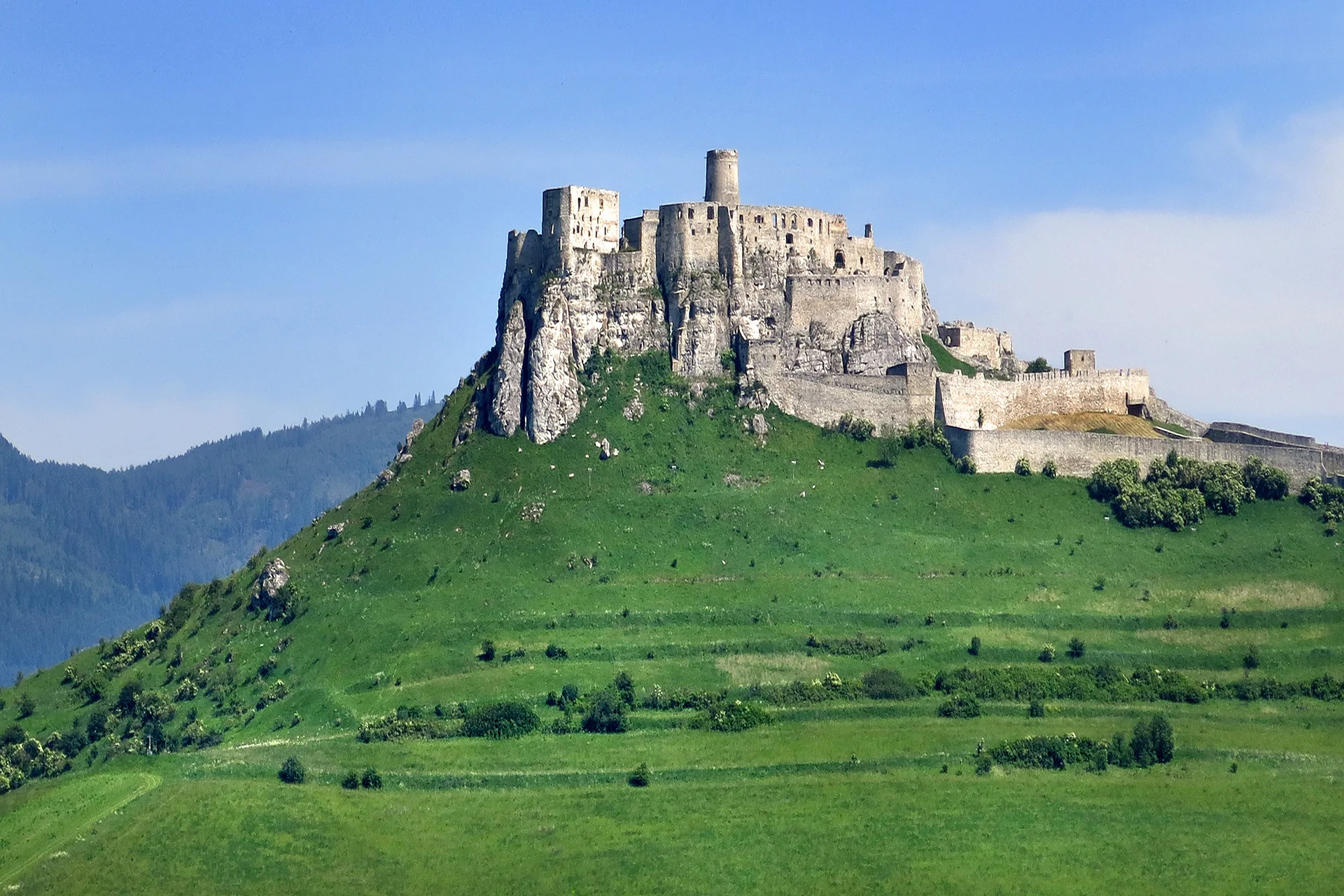
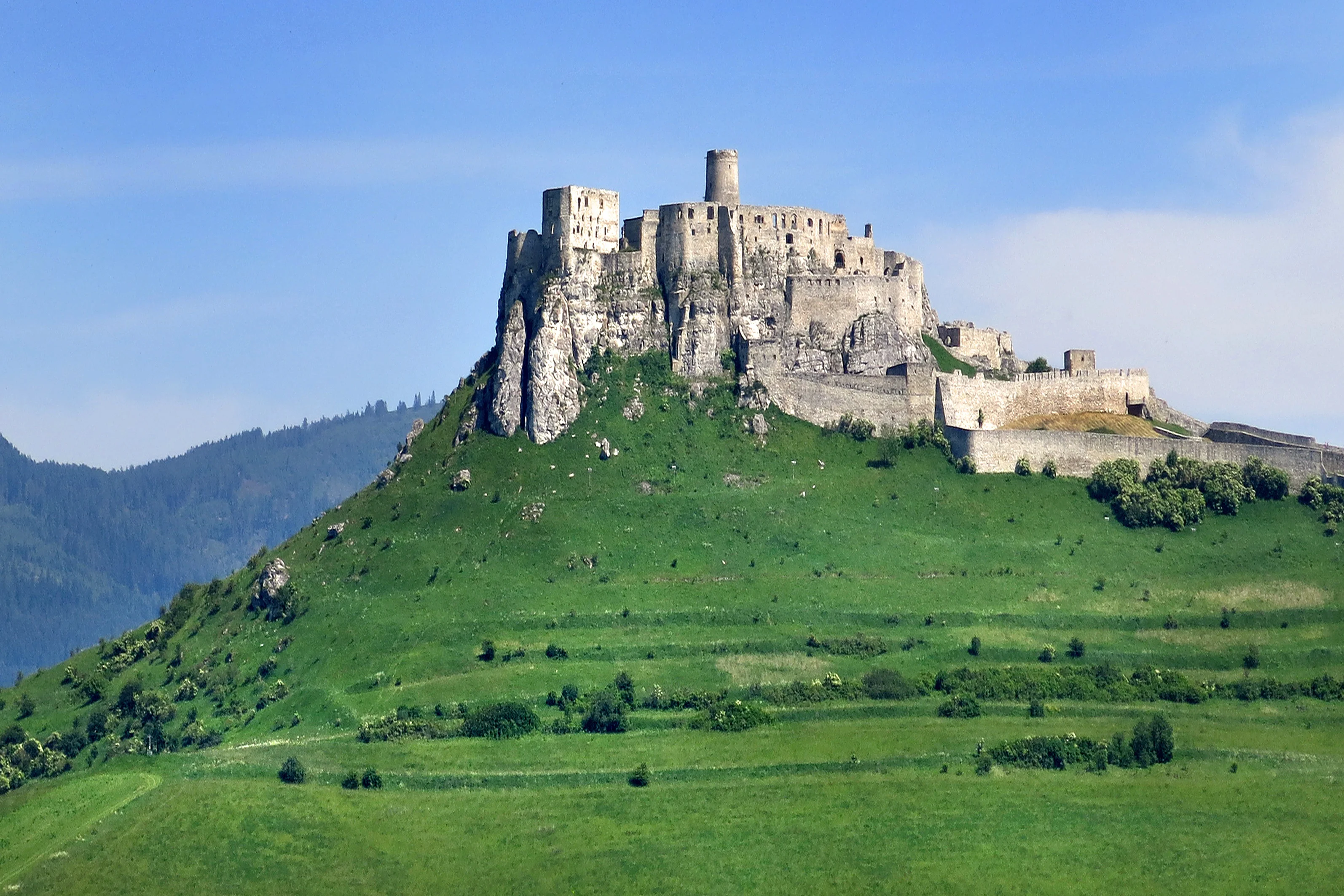
Spiš Castle towers over the plain from its hill, visible for miles around. Covering four hectares, it stands among the largest fortified compounds in Central Europe. Listed as a UNESCO World Heritage site since 1993, it preserves its romantic ruins following a devastating fire in 1780.
For a complete stylistic shift, Bojnice Castle looks straight out of a storybook with its flamboyant 19th-century Neo-Gothic design. Meanwhile, Orava Castle, perched on a sheer rock spur above the river, served as the spooky backdrop for the original Nosferatu film in 1922.
Medieval towns and villages
Banská Štiavnica is worth the detour for its preserved historic center tucked inside an ancient volcanic crater. This former mining town is UNESCO-listed and keeps its historic merchant houses and baroque churches intact. Levoča, a 12th-century walled town, houses the largest wooden Gothic altar in Europe inside St. James's Church. Košice, the nation's second city, holds the highest concentration of historic monuments in Slovakia.
Thermal springs and mountain spas
Slovakia boasts 23 spa towns and more than 1,500 mineral springs. At Sklené Teplice, you can soak in a natural cave pool where the water stays at a steady 42°C. Rajecké Teplice and Bardejov offer full wellness treatments surrounded by mountain scenery. The Tatralandia water park mixes thermal pools with family-friendly slides and rides.
Slovakia on a plate: sheep's cheese and smoked soups
The national dish, bryndzové halušky, pulls together the ultimate comfort food combination: potato dumplings smothered in bryndza, a creamy and salty sheep's milk cheese, topped with crispy bacon bits. Every traditional restaurant, known as a koliba or salaš, serves its own take. The Slovak Pub in Bratislava dished up a well-known version.
Kapustnica, a sauerkraut soup loaded with smoked sausage and dried mushrooms, takes the chill out of Slovak winters. The local guliáš differs from the Hungarian version by adding potatoes and root vegetables. Wash down your meal with Kofola, a local cola alternative with herbal notes, or slivovica, a potent plum brandy to sip with caution.
When to visit Slovakia?
Spring, from May through June, brings prime hiking weather with mild temperatures, clear trails, and fruit trees blooming along the roadsides. Autumn, from September to October, draws visitors with vibrant fall foliage and grape harvests in the Small Carpathians wine region. Summer can get stifling down in the flatlands, but stays pleasant up in the mountains.
Winter draws skiers from December through March, primarily to Jasná and the Tatras resorts. Prices stay significantly lower than in neighboring Austria. Note that some tourist sites close from November through March outside of the main ski zones.
How to get to Slovakia?
Bratislava airport receives low-cost flights from around Europe. Expect about 2 hours of flight time from western capitals, but there is no nonstop from North America. An alternative is flying into Vienna, located just 60 kilometers from Bratislava, and taking a bus or train across the border in an hour.
To explore the east of the country, Košice airport offers connections via Vienna. US citizens do not need a visa for short tourist stays up to 90 days, just a valid passport. Slovakia adopted the euro back in 2009.
How to get around Slovakia?
The rail network connects major cities reliably. A train ride from Bratislava to Poprad runs about $17* for a 4.5-hour journey. Buses fill in the gaps to smaller villages and national parks. A regional narrow-gauge railway services all the High Tatras resort towns straight from Poprad.
Car rental remains the best choice for exploring the countryside at your own pace, and rates trend lower than in neighboring countries. Heads up: highways require a digital vignette that you must buy online at eznamka.sk before hitting the road. The fine for driving without one hits $169*.